Table of Contents >> Show >> Hide
- What Is Cuticle Oil, Exactly?
- Why Cuticle Oil Matters
- How to Apply Cuticle Oil: Step-by-Step
- When to Use Cuticle Oil
- How Often Should You Use Cuticle Oil?
- Common Mistakes to Avoid
- What Ingredients Should You Look For?
- Can Cuticle Oil Help Nails Grow?
- Who Should Definitely Use Cuticle Oil?
- A Simple Daily Cuticle Oil Routine
- Experience-Based Insights: What People Notice When They Actually Stick With It
- Final Thoughts
If your nails look like they’ve been through an emotional breakup, three hand-washing marathons, and a winter storm, cuticle oil may be the tiny bottle of peace treaty they’ve been waiting for. It is one of the simplest nail-care products around, yet plenty of people still wonder: When exactly do I use it? And more importantly, am I doing this right, or just making my fingertips shiny for no reason?
The good news is that cuticle oil is not complicated. You do not need a nail technician standing over your shoulder like a tiny manicure coach. You just need the right timing, the right amount, and a little consistency. When used properly, cuticle oil can help soften dry skin around the nails, improve the look of rough cuticles, and support healthier-looking nails overall.
In this guide, you’ll learn exactly how to apply cuticle oil step by step, when to use it for the best results, which mistakes to avoid, and how to make it part of a nail-care routine that actually sticks. Because yes, healthy nails are lovely, but healthy nails that do not snag your sweater? That is the dream.
What Is Cuticle Oil, Exactly?
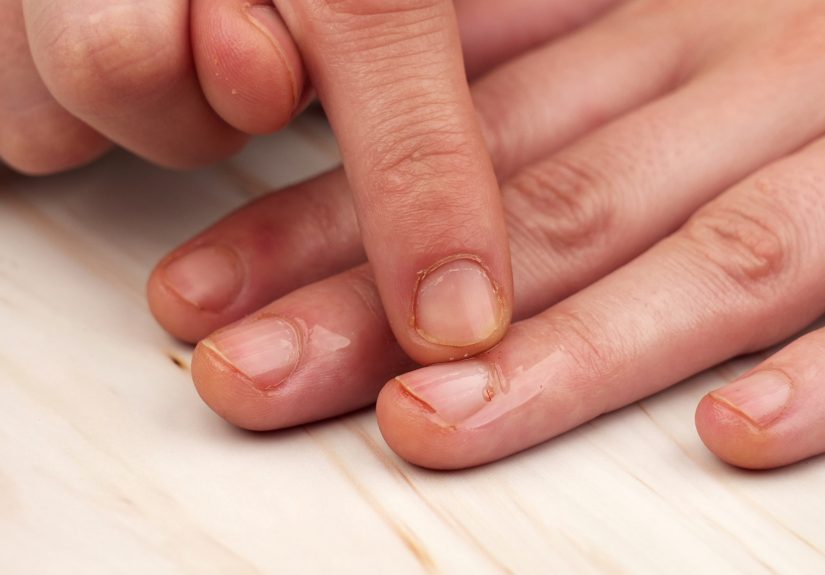
Cuticle oil is a lightweight moisturizing treatment designed for the skin around your nails, especially the cuticle area and nail folds. Most formulas use a blend of nourishing oils such as jojoba oil, sweet almond oil, sunflower oil, coconut oil, grapeseed oil, or vitamin E. Some also include soothing extras like aloe vera.
The goal is simple: hydrate the skin around the nail and help keep that area soft, flexible, and less likely to crack, peel, or form hangnails. While cuticle oil is not a magic potion that turns fragile nails into superhero armor overnight, it can improve how your nails and cuticles look and feel over time.
Think of it this way: your cuticles are like the bouncers at the club door of your nail bed. Their job is to help protect the area where new nail growth begins. If they get dry, torn, or overly trimmed, the whole entrance gets messy fast.
Why Cuticle Oil Matters
Many people focus on nail polish, nail strengtheners, or fancy salon treatments, but skip daily moisture. That is like buying designer shoes and never wearing socks. Cuticle oil matters because dryness is one of the biggest enemies of neat-looking nails.
Here is what regular cuticle oil use may help with:
- Softening rough, dry, or flaky cuticles
- Reducing the appearance of hangnails
- Helping nails look shinier and healthier
- Supporting flexibility around the nail area
- Improving the overall look of manicures
- Giving brittle, overwashed hands a little mercy
If you wash your hands often, use hand sanitizer a lot, clean with household products, get frequent manicures, wear gel or acrylics, or live in dry weather, your cuticles are probably begging for backup.
How to Apply Cuticle Oil: Step-by-Step
Here comes the main event. Applying cuticle oil is easy, but the details matter if you want the best results.
Step 1: Start with clean hands and nails
Before applying cuticle oil, wash your hands with a gentle soap and dry them well. You do not need a deep spa cleanse, but you do want to remove obvious dirt, lotion buildup, or leftover nail debris.
If you are wearing nail polish, that is fine. Cuticle oil can be used on polished nails too. If you are about to paint your nails, however, wait on the oil until after polish is fully dry or use it earlier in the prep process and clean the nail plate before painting. Oil on the nail surface can interfere with polish adhesion.
Step 2: Use a very small amount
This is not salad dressing. More is not better. In most cases, one small drop per nail is enough. If your product has a brush, rollerball, or pen applicator, a light swipe over the cuticle area works well.
The goal is to coat the cuticle and skin around the nail, not flood your whole fingertip like you are basting a Thanksgiving turkey.
Step 3: Apply oil around the cuticle and nail folds
Place the oil at the base of the nail where the cuticle sits, then lightly trace around the sides of the nail. Dryness often shows up at the corners first, so do not ignore those spots.
If your skin is extra rough or peeling, you can also lightly smooth the oil over the skin just beyond the nail fold.
Step 4: Massage it in for 30 to 60 seconds per hand
This step is the difference between “I applied cuticle oil” and “I actually used cuticle oil well.” Use your thumb and forefinger to massage the oil into each cuticle and around the nail bed.
Massage helps spread the product evenly and encourages better absorption. It also turns the routine into a tiny self-care moment instead of a drive-by moisturizing incident.
Step 5: Let it absorb
Give the oil a minute or two to sink in. If your hands still feel very greasy, you probably used too much. You want your skin nourished, not ready to slide off your phone screen.
If desired, you can follow with hand cream. This is especially helpful at night, when a cream or ointment can help seal in the moisture from the oil.
Step 6: Repeat consistently
Consistency beats intensity. Using cuticle oil regularly is more effective than applying half a bottle once every three weeks and hoping for a manicure miracle.
When to Use Cuticle Oil
Timing is where many people get confused. The truth is that there is no single perfect moment, but there are several smart ones.
1. After washing your hands
Frequent hand-washing and sanitizer use can dry out the skin around your nails. If your cuticles tend to get ragged or tight, applying cuticle oil after washing can help restore lost moisture.
You do not need to do this after every single wash unless your skin is extremely dry. Even once or twice during the day can make a noticeable difference.
2. Before bed
This is arguably the best time to use cuticle oil. At night, your hands are less likely to be washed immediately afterward, and the product has time to absorb while you sleep. Pairing cuticle oil with a hand cream before bed is a classic move for a reason.
It is low effort, high reward, and impossible for your cuticles to complain about.
3. After a shower
Warm water can soften the skin around the nails, making post-shower application a smart option. Once you towel dry your hands, apply cuticle oil and massage it in. This can be especially helpful if your cuticles feel stiff or flaky.
4. After a manicure, once polish is fully dry
If you have just painted your nails or had a manicure, wait until the polish is fully dry, then apply cuticle oil to bring moisture back to the surrounding skin. It helps manicures look fresher and more polished, especially when your cuticles are prone to dryness.
5. During cold weather or dry seasons
Winter air, indoor heating, and low humidity can make cuticles look rough in a hurry. This is the season when cuticle oil really earns its paycheck. Using it morning and night during dry months can keep your nails looking far less stressed.
6. After gel, acrylic, or press-on removal
Enhancement removal can leave nails and surrounding skin thirsty. Once the nails are clean, a gentle cuticle oil routine can help support a more comfortable recovery period. This is not a replacement for proper nail care, but it is an excellent supporting player.
How Often Should You Use Cuticle Oil?
For most people, once or twice a day is a solid routine. If your cuticles are very dry, you may benefit from applying it more often for a short period, such as after hand-washing, after showering, and before bed.
A practical schedule looks like this:
- Normal maintenance: once daily
- Dry or damaged cuticles: twice daily or more as needed
- Post-manicure or winter rescue mode: morning, evening, and anytime cuticles feel tight
The best routine is the one you will actually follow. A small bottle by your bed, desk, or sink can help turn good intentions into an actual habit.
Common Mistakes to Avoid
Using too much product
A little goes a long way. Excess oil just sits on the surface and makes everything slippery.
Applying it only once in a blue moon
Cuticle oil is more like brushing your teeth than doing a face mask. Regular care matters more than occasional enthusiasm.
Cutting your cuticles aggressively
Dry skin around the nail can be tempting to trim, but cutting too much can damage the protective barrier and leave the area irritated. If you do any grooming, be gentle and focus on obvious loose skin or hangnails only.
Using oil right before nail polish
If oil sits on the nail plate, your polish may not stick as well. Save it for after polish is fully dry, or prep your nails carefully if using it earlier.
Ignoring the rest of your hand care
Cuticle oil works even better when it is part of a bigger moisture strategy. Hand cream, gloves during cleaning, and less exposure to harsh chemicals can all help.
What Ingredients Should You Look For?
If you are shopping for the best cuticle oil, look for nourishing oils that absorb well and support moisture retention. Popular ingredients include:
- Jojoba oil
- Sweet almond oil
- Sunflower oil
- Grapeseed oil
- Vitamin E
- Coconut oil
- Aloe vera
Lighter oils tend to absorb faster, while thicker formulas may feel more protective for extremely dry skin. Scent is personal, but if your skin is sensitive, a fragrance-free option may be the safer bet.
Can Cuticle Oil Help Nails Grow?
Let’s be honest here: cuticle oil does not force your nails to grow like a time-lapse video of a bean sprout. Nail growth mainly depends on your body, genetics, health, age, and daily habits.
What cuticle oil can do is help create a healthier-looking environment around the nail, reduce dryness, improve flexibility, and make nails less likely to look battered. In that sense, it supports nail care, but it is not a miracle growth serum in a tiny bottle wearing a superhero cape.
Who Should Definitely Use Cuticle Oil?
Cuticle oil is especially useful if you:
- Wash your hands often
- Use hand sanitizer frequently
- Get regular manicures
- Wear gel, acrylic, or press-on nails
- Have dry skin or brittle nails
- Live in a cold or low-humidity climate
- Notice hangnails, flaking, or rough nail edges
If your cuticles are painful, swollen, red, or appear infected, skip the DIY hero routine and talk to a medical professional instead.
A Simple Daily Cuticle Oil Routine
If you want a no-fuss routine, here is one that works for many people:
- Wash and dry hands in the evening.
- Apply one small drop of cuticle oil to each nail.
- Massage around each cuticle and nail fold.
- Follow with hand cream.
- Repeat in the morning if your cuticles are very dry.
That is it. No twelve-step ritual. No tiny violin soundtrack. Just a simple, repeatable habit.
Experience-Based Insights: What People Notice When They Actually Stick With It
One of the most interesting things about cuticle oil is that the results often show up in small, everyday ways before they show up dramatically. People rarely wake up after one application and gasp at their fingertips like they have just been cast in a hand cream commercial. Instead, the change usually sneaks in quietly.
For example, someone who starts using cuticle oil at night may first notice that their skin around the nails no longer feels tight in the morning. Then, after a week or two, they may realize they are picking at their cuticles less because there is less rough skin to catch their attention. That is a bigger win than it sounds. Less picking usually means fewer hangnails, fewer irritated spots, and a cleaner overall nail appearance.
Another common experience happens with people who wash their hands constantly. Nurses, parents, restaurant workers, office workers who live next to hand sanitizer, and anyone cleaning often tend to notice that their nails look less “crispy” when they keep a cuticle oil pen nearby. Midday reapplication can make a surprising difference, especially on the sides of the nails where dryness likes to stage its little rebellion.
People who wear gel manicures or press-ons also often report that cuticle oil helps their nails feel more comfortable between sets. The oil does not erase damage, but it can make the surrounding skin feel softer and less neglected. If the nail area has been through polish removal, buffing, and a parade of acetone, even a simple nightly massage can feel like an apology letter.
There is also the manicure effect. Well-moisturized cuticles make even bare nails look more polished. This is why some people start using cuticle oil for repair, then keep using it for appearance. Their nails may not suddenly grow twice as fast, but their hands look more put together. It is the same reason a steamed shirt looks better even before anyone asks where you bought it.
Perhaps the most practical long-term experience is habit stacking. People who successfully stick with cuticle oil usually attach it to something they already do: brushing teeth, skincare, watching TV, or putting their phone on the charger. Once it becomes automatic, the benefits add up. The cuticles stay softer, the nails look smoother, and the whole hand-care routine becomes easier to maintain.
In other words, the “experience” of using cuticle oil is rarely dramatic, but it is often satisfying. It is less fireworks, more quiet competence. And honestly, your nails deserve that kind of steady support.
Final Thoughts
If you have been wondering how to apply cuticle oil and when to use it, the answer is refreshingly simple: use a small amount, massage it in well, and do it consistently. The best times are usually after washing, after showering, after your manicure is fully dry, and especially before bed.
Cuticle oil will not solve every nail problem on Earth, but it can absolutely make your nails and cuticles look healthier, softer, and better cared for. And for a routine that takes less than two minutes, that is a pretty impressive return on investment.
So yes, that tiny bottle deserves a place in your routine. Your cuticles may never send a thank-you card, but they will stop looking like they have been through a minor natural disaster. That is close enough.