Table of Contents >> Show >> Hide
- What Makes a Reactive Bowling Ball Different?
- How to Bowl with Reactive Bowling Balls: 12 Steps
- Step 1: Choose the Right Reactive Ball for Your Lane Conditions
- Step 2: Get a Proper Fit from a Pro Shop
- Step 3: Understand the Lane Oil Before You Throw
- Step 4: Start with a Simple Alignment
- Step 5: Keep Your Swing Relaxed and Repeatable
- Step 6: Stay Behind the Ball at Release
- Step 7: Do Not Over-Turn Your Wrist
- Step 8: Match Ball Speed to Hook Potential
- Step 9: Learn to Read Ball Motion
- Step 10: Make Smart Lane Adjustments
- Step 11: Keep the Ball Clean During Play
- Step 12: Practice with Purpose, Not Random Hope
- Common Mistakes When Using Reactive Bowling Balls
- Extra Experience Section: What Bowling with Reactive Balls Feels Like in Real Play
- Conclusion
Reactive bowling balls are the sports cars of the bowling world. A plastic house ball is like a dependable grocery cart: it goes straight, behaves politely, and rarely surprises anyone. A reactive resin bowling ball, on the other hand, reads lane friction, stores energy, turns the corner, and can hit the pocket like it has a dinner reservation with the head pin.
That extra motion is exactly why so many bowlers upgrade to reactive bowling balls. They create more hook potential, better entry angle, and stronger pin action when matched correctly to lane conditions. But they also demand better technique. If you throw one the same way you toss a plastic spare ball, the result may be a dramatic left turn, a confused face, and maybe one lonely 10 pin laughing at you from the deck.
This guide breaks down how to bowl with reactive bowling balls in 12 practical steps. You will learn how to choose the right ball, read lane oil, control your release, adjust your target, maintain your equipment, and build a repeatable shot that does not depend on luck, moon phases, or the guy on lane 12 yelling after every strike.
What Makes a Reactive Bowling Ball Different?
A reactive bowling ball uses a porous reactive resin coverstock designed to create friction with the lane. Unlike a plastic ball that mostly skids straight, a reactive ball absorbs some lane oil, grips the dry boards, and changes direction more aggressively. That motion is usually described in three phases: skid, hook, and roll.
In the skid phase, the ball travels through the front part of the lane. In the hook phase, it begins changing direction as it finds friction. In the roll phase, it drives through the pins. When these phases line up properly, the ball enters the pocket at a strong angle and increases your chance of carrying strikes. When they do not line up, the ball may hook too early, slide too long, or leave splits that make you question your life choices.
How to Bowl with Reactive Bowling Balls: 12 Steps
Step 1: Choose the Right Reactive Ball for Your Lane Conditions
Not all reactive bowling balls are created equal. The three common coverstock types are solid reactive, pearl reactive, and hybrid reactive. A solid reactive ball usually reads the lane earlier and offers a smoother, more controlled motion. It is often useful on medium to heavier oil when you need traction. A pearl reactive ball tends to save energy longer and create a sharper backend motion when it reaches friction. A hybrid reactive ball blends characteristics of both and is often a versatile middle option.
If you bowl mostly on typical house shots, a medium-strength hybrid or benchmark solid reactive ball is usually easier to learn with than the strongest hook monster on the shelf. Beginners often make the mistake of buying the most aggressive ball available, then wondering why it turns sideways like it saw a ghost. Start with a ball that gives you control first, power second.
Step 2: Get a Proper Fit from a Pro Shop
A reactive ball must fit your hand correctly. Poor fit causes squeezing, early release, wrist pain, and inconsistent rotation. A professional ball driller will measure your span, finger sizes, thumb fit, pitch, and layout needs. This matters because reactive balls are designed to respond to how you release them. If your hand is fighting the ball, the ball will fight the lane.
For most bowlers, fingertip grips are preferred for reactive equipment because they allow more leverage and rev potential. Your fingers should feel secure without being trapped. Your thumb should exit cleanly without requiring a death grip. If you have to squeeze the ball like it owes you money, the fit is wrong.
Step 3: Understand the Lane Oil Before You Throw
Lane oil controls how much your reactive bowling ball hooks. Oil reduces friction, helping the ball skid. Dry boards create friction, helping the ball hook. Most recreational bowling centers use a house pattern with more oil in the middle and less oil outside. This is why many bowlers aim near the second arrow and let the ball move from the outside dry boards back into the pocket.
Before your first shot, watch other bowlers. Are their balls hooking early? Are they sliding too far? Are shots missing high on the head pin or weak to the right for a right-handed bowler? The lane is talking. Your job is to listen before it starts yelling.
Step 4: Start with a Simple Alignment
A good beginner line for a right-handed bowler using a reactive ball is to stand around board 20, slide near board 15, and target around the second arrow, which is board 10. Left-handed bowlers can mirror this on the opposite side. This is only a starting point, not a sacred bowling commandment.
Your goal is to send the ball through the oil with enough angle to reach the pocket. For right-handers, the pocket is between the 1 and 3 pins. For left-handers, it is between the 1 and 2 pins. If your ball misses right and never hooks back, move your feet and target right. If it hooks too much and hits high, move left with your feet and target. Small moves are your friend. Giant panic moves are how bowlers end up playing the snack bar.
Step 5: Keep Your Swing Relaxed and Repeatable
Reactive balls reward a clean swing. They do not need to be muscled. In fact, forcing the ball usually reduces accuracy and makes your release late or inconsistent. Keep your shoulder relaxed, let the ball swing naturally, and avoid yanking it across your body.
Think of your arm swing like a pendulum. The smoother it is, the easier it becomes to repeat speed, direction, and release. Reactive equipment already has built-in power. Your job is to guide it, not launch it like a medieval cannonball.
Step 6: Stay Behind the Ball at Release
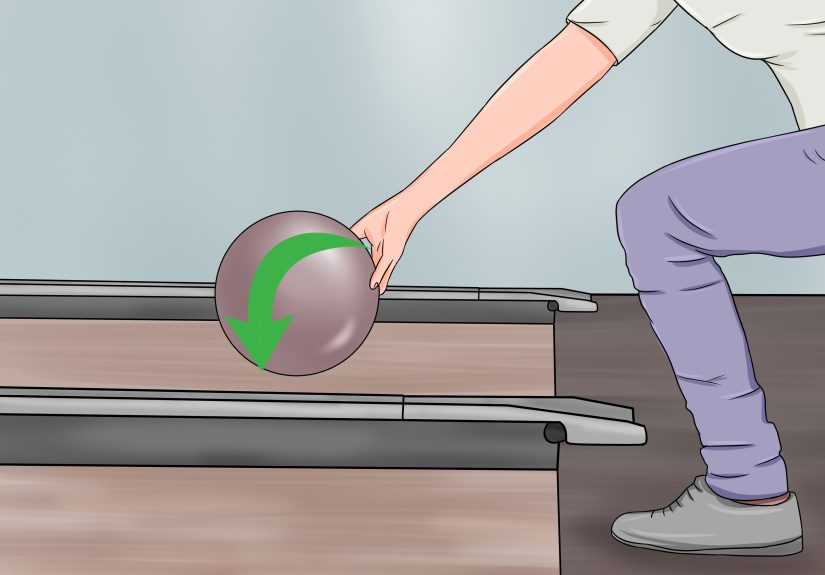
One of the most important skills in bowling with reactive resin balls is staying behind the ball through the release. Your hand should begin under and slightly behind the ball. As the thumb exits first, the fingers lift and rotate through the ball, creating side rotation and forward roll.
A common mistake is coming around the side too early. This creates weak spin instead of strong roll. The ball may look dramatic, but it will often lose energy before reaching the pins. Imagine shaking hands with your target after release. That simple image helps many bowlers keep the hand position clean and controlled.
Step 7: Do Not Over-Turn Your Wrist
More turn does not automatically mean more hook. Reactive bowling balls hook because of a combination of coverstock, surface, lane friction, speed, axis rotation, and release quality. If you twist your wrist too hard, the ball may spin sideways instead of rolling powerfully. That is like revving a car engine while it is still in neutral: noisy, exciting, and not very useful.
Use a firm but relaxed wrist. A slightly cupped wrist can increase revs, while a flatter wrist can create a smoother reaction. The key is control. Your hand should rotate naturally through the shot, not violently around the ball.
Step 8: Match Ball Speed to Hook Potential
Ball speed changes everything. If you throw too fast, your reactive ball may not have enough time to read the lane and hook. If you throw too slow, it may hook early and run away from the pocket. Most bowlers improve faster by finding a comfortable, repeatable speed rather than trying to throw harder every frame.
Watch where the ball changes direction. If it hooks immediately after the arrows, it may be too slow, too strong, or seeing too much friction. If it skids past the breakpoint and never recovers, it may be too fast, too shiny, or playing too far inside the oil. Adjust one thing at a time so you know what actually worked.
Step 9: Learn to Read Ball Motion
Reactive bowling is not just about where the ball finishes. It is about how the ball gets there. A great shot usually skids cleanly, makes a readable move at the breakpoint, and rolls strongly through the pocket. A bad reaction gives clues. If the ball deflects weakly, it may not be rolling soon enough. If it hits the head pin high, it may be hooking too early. If it leaves flat 10 pins for right-handers or flat 7 pins for left-handers, the ball may be arriving with weak angle or poor energy.
Do not judge only by strikes. A strike can be lucky. A nine-count can be a perfect lesson. Pay attention to entry angle, continuation, pin carry, and whether the ball still drives after impact.
Step 10: Make Smart Lane Adjustments
Lane conditions change as games go on. Reactive balls absorb oil and move oil down the lane. Other bowlers create friction in popular track areas. This means your perfect line in frame two may become a terrible idea by frame seven.
When your reactive ball starts hooking too much, move your feet left if you are right-handed, or right if you are left-handed. Often, you should move your target slightly in the same direction. This is called a parallel move. If you need to change the angle more dramatically, move your feet more than your target. That creates an angular adjustment.
For example, if you are right-handed and your ball hits high, try moving two boards left with your feet and one board left with your eyes. If it still jumps high, move again. If it suddenly misses right, you moved too far or changed too many variables at once.
Step 11: Keep the Ball Clean During Play
A reactive resin ball picks up oil every shot. That oil reduces friction and makes the reaction less predictable. Wipe your ball with a microfiber towel or leather shammy before every shot. This small habit helps maintain a consistent hook and keeps the coverstock from becoming lazy.
After bowling, use an approved bowling ball cleaner before putting the ball away. Do not let lane oil sit on the cover overnight. Reactive resin is porous, and oil can soak deeper into the surface over time. A clean ball is not just prettier; it performs better. Also, your bowling bag will smell less like a retired mechanic’s garage, which is a bonus for everyone nearby.
Step 12: Practice with Purpose, Not Random Hope
Reactive bowling balls expose inconsistency. That is not a bad thing. It simply means practice needs structure. Spend one game focusing only on release. Spend another focusing on target accuracy. Then practice making small moves when the ball misses the pocket.
A useful drill is the one-step release drill. Stand close to the foul line, take one small step, and focus on letting your thumb exit first while your fingers roll through the ball. Another drill is target-line practice: choose one arrow and try to roll over it five shots in a row. Do not worry about score during practice. Score is the receipt. Technique is the purchase.
Common Mistakes When Using Reactive Bowling Balls
Using Too Much Ball on Dry Lanes
If the lane is dry, a strong reactive ball may hook too early and lose energy. In that situation, switch to a weaker reactive ball, a pearl ball with more length, or even a spare ball for control.
Ignoring Surface Finish
Surface changes ball reaction. A dull surface usually reads earlier. A polished surface usually goes longer. Over time, shiny balls lose shine and dull balls smooth out. Maintaining surface is part of owning reactive equipment.
Blaming the Ball for Every Bad Shot
Sometimes the ball is wrong. Sometimes the lane changed. And sometimes your feet, swing, release, and target all had a group meeting without inviting your brain. Be honest. Reactive balls are powerful, but they are not magical.
Extra Experience Section: What Bowling with Reactive Balls Feels Like in Real Play
The first experience many bowlers have with a reactive bowling ball is pure shock. You throw what feels like a normal shot, the ball glides downlane, then suddenly turns left or right like it remembered an appointment. That moment is exciting, but it can also be confusing. The trick is to understand that the ball is not being random. It is responding to friction.
When I think about learning reactive bowling, the biggest breakthrough is usually trust. New reactive-ball users often aim too directly at the pocket because they are afraid the ball will not come back. Then it does come back, crosses the head pin, and leaves a split large enough to park a bicycle in. The better approach is to trust the shape. Send the ball away from the pocket toward friction, let it recover, and focus on repeating the same launch angle.
Another real-world lesson is that lane transition can make a bowler feel like they forgot how to bowl in the middle of a game. You may start with three great strikes, then suddenly leave a 4 pin, a 10 pin, and a split. The ball did not become defective during frame five. The oil pattern changed. Your reactive ball and everyone else’s equipment have been pulling oil off the front part of the lane and moving some of it downlane. That changes where the ball skids, hooks, and rolls.
One helpful habit is to write down simple observations after each session. Note the ball used, where you stood, what arrow you targeted, and what adjustment worked when the ball started hooking. Over time, patterns appear. You may discover that your solid reactive ball is great early in league but too strong by game three. You may learn that your pearl reactive ball looks weak on fresh oil but shines when the lane opens up. These observations are worth more than random advice shouted by a well-meaning teammate holding nachos.
Reactive bowling balls also teach patience. Some shots will look good and leave corner pins. Some ugly shots will strike. Do not chase every result. Instead, evaluate the quality of the shot. Did you hit your target? Was your speed normal? Did the ball enter the pocket at the right angle? Did it continue through the pins? This mindset helps you improve faster because you are learning cause and effect instead of celebrating chaos.
Finally, reactive bowling is more fun when you accept that maintenance is part of performance. Clean the ball. Wipe it between shots. Refresh the surface when needed. Store it away from extreme heat or cold. A reactive bowling ball is not a bowling center house ball with a prettier paint job. It is performance equipment. Treat it well, and it will reward you with stronger motion, better carry, and a much higher chance of hearing that beautiful sound every bowler loves: ten pins giving up at the same time.
Conclusion
Learning how to bowl with reactive bowling balls is really learning how to match equipment, technique, and lane conditions. The ball gives you hook potential, but your release, speed, target, surface care, and adjustments turn that potential into strikes. Start with a properly fitted ball, read the oil, keep your swing relaxed, stay behind the ball, and make small moves as the lane changes.
Most importantly, do not rush the process. Reactive bowling balls can make the game more powerful, more strategic, and much more fun, but they reward bowlers who pay attention. Watch the ball motion, listen to what the lane is telling you, and keep practicing with purpose. Once you learn to control the hook instead of fearing it, the pocket starts looking much bigger.