Table of Contents >> Show >> Hide
- What Is a Rain Garden?
- Why Build a Rain Garden?
- Step 1: Choose the Right Location
- Step 2: Test Your Soil Drainage
- Step 3: Calculate the Size of Your Rain Garden
- Step 4: Plan the Shape, Depth, and Overflow
- Step 5: Gather Tools and Materials
- Step 6: Dig the Rain Garden Basin
- Step 7: Build and Stabilize the Berm
- Step 8: Choose the Best Rain Garden Plants
- Step 9: Plant for Function and Beauty
- Step 10: Direct Water Into the Garden
- Rain Garden Maintenance
- Common Rain Garden Mistakes to Avoid
- How Much Does It Cost to Build a Rain Garden?
- Rain Garden Design Example for a Typical Home
- Extra Experience: What Building a Rain Garden Teaches You
- Conclusion
If your yard turns into a miniature lake every time it rains, congratulations: your landscape is trying to tell you something. A rain garden is one of the most attractive ways to listen. Instead of letting stormwater rush from your roof, driveway, patio, or lawn into the street like it is late for a meeting, a rain garden slows that water down, spreads it out, and gives it a place to soak into the ground.
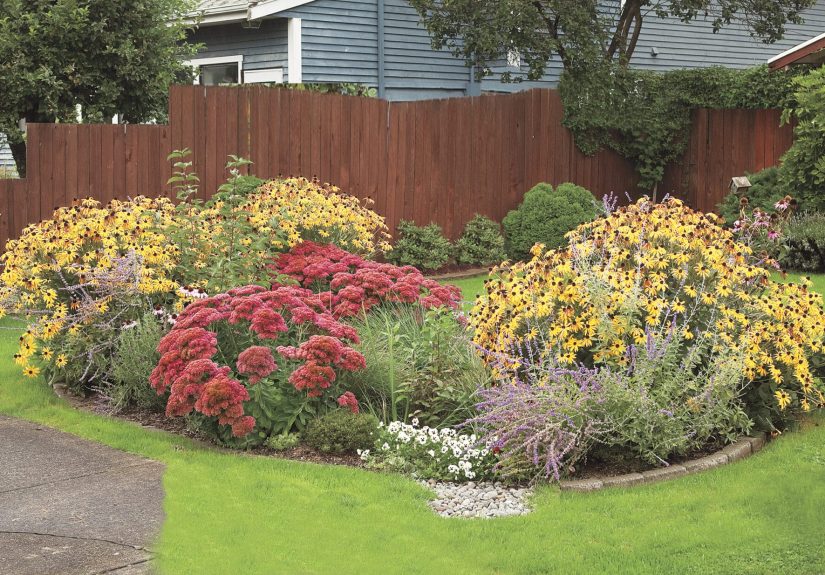
In plain English, a rain garden is a shallow, planted depression designed to collect runoff temporarily. It is not a pond, a swamp, or a mosquito resort with floral accents. A properly built rain garden drains within a day or two, supports deep-rooted plants, filters sediment, reduces erosion, and can turn a soggy problem area into one of the prettiest features in your yard.
This guide explains how to build a rain garden from start to finish, including where to place it, how big to make it, what soil to use, which plants work best, and how to maintain it without turning your weekends into a landscaping soap opera.
What Is a Rain Garden?
A rain garden is a landscaped basin that captures stormwater runoff and allows it to soak into the soil. Most homeowners use rain gardens to manage water from downspouts, roofs, driveways, sidewalks, patios, or compacted lawn areas. The garden is planted with flowers, grasses, sedges, shrubs, or small native plants that tolerate both brief flooding and dry spells.
The magic happens underground. Plant roots open pathways in the soil, microbes help break down pollutants, mulch reduces erosion, and the basin holds water long enough for infiltration. Instead of sending every storm directly into storm drains, streams, and local waterways, a rain garden gives water a scenic detour.
Why Build a Rain Garden?
It Helps Control Stormwater Runoff
Hard surfaces such as roofs, driveways, sidewalks, and patios do not absorb much water. Rain hits them, gathers speed, and carries soil, fertilizer, oil residue, leaves, pet waste, and other pollutants into storm drains. A rain garden interrupts that process by catching runoff close to where it falls.
It Can Reduce Erosion and Yard Flooding
If water races through your yard after every storm, it can carve channels, expose roots, wash mulch into your neighbor’s driveway, and leave low areas soggy. A well-placed rain garden slows flow, reduces splash erosion, and helps manage water before it becomes a muddy drama.
It Supports Pollinators and Wildlife
When planted with native species, a rain garden can become a small buffet for bees, butterflies, beneficial insects, and birds. Add a mix of bloom times, plant heights, seed heads, and textures, and your garden will look alive through much of the year.
It Looks Better Than a Wet Patch of Lawn
A lawn that stays squishy for days is not exactly a design feature. A rain garden, on the other hand, can look intentional, colorful, and inviting. It says, “I understand hydrology,” but in a charming way.
Step 1: Choose the Right Location
The first rule of building a rain garden is simple: put it where water naturally wants to go, but not where water will cause trouble. Watch your yard during a moderate rainstorm. Look for runoff paths from gutters, downspouts, paved areas, and slopes. Your ideal location is a relatively flat or gently sloped area that can receive water without sending it toward your house.
Keep the rain garden at least 10 feet away from your home’s foundation. This distance helps prevent water from collecting near basement walls, crawl spaces, or slabs. Also avoid placing a rain garden over a septic drain field, near drinking water wells, directly under large trees, or in areas where the water table is already high.
Before digging, call 811 or your local utility-marking service. Even a shallow rain garden can become very exciting in all the wrong ways if you hit a buried cable, irrigation line, gas line, or electrical service.
Good Places for a Rain Garden
- Below a downspout that drains too quickly across the lawn
- Near a driveway edge where runoff collects
- Along a gentle slope where water already moves naturally
- Near a patio, walkway, or compacted lawn area
- In a sunny or partly sunny area with enough room for plants
Places to Avoid
- Right next to the foundation
- Over septic systems or utility lines
- In a spot that already holds standing water for several days
- On very steep slopes without professional design help
- Under dense tree roots where digging may harm the tree
Step 2: Test Your Soil Drainage
A rain garden needs soil that can absorb water at a reasonable pace. It does not have to be perfect sandy soil, but it should not behave like a cereal bowl lined with modeling clay.
To test drainage, dig a hole about 6 to 8 inches deep and 6 inches wide in the proposed garden area. Fill it with water and let it drain. Then fill it again and time how long it takes for the water to disappear. If the water drains within 24 hours, the site is usually promising for a basic residential rain garden. If it takes longer than 48 hours, you may need to amend the soil, choose a different location, build a shallower garden, or consult a local stormwater professional.
You can also request a soil test through a local Extension service. A soil test can help you understand texture, pH, organic matter, and nutrient levels. This is useful because rain garden plants are not all the same. Some like leaner soil. Some tolerate clay. Some want more organic matter. Plants, like people, perform better when they are not forced into a lifestyle they did not sign up for.
Step 3: Calculate the Size of Your Rain Garden
Rain garden sizing does not need to require a degree in civil engineering, but a little math helps. The garden should be large enough to handle the runoff entering it without overflowing constantly. A common residential approach is to size the rain garden as a percentage of the drainage area feeding it.
Start by estimating the impervious surface area that drains to the garden. For example, if one section of roof is 20 feet by 25 feet, that area equals 500 square feet. If your rain garden will receive water from that roof section, the garden might be roughly 10% to 30% of the drainage area, depending on soil type, slope, depth, and local rainfall patterns.
In sandy or well-draining soils, the garden may be smaller because water infiltrates faster. In clay-heavy soils, the garden may need to be larger, shallower, or designed with amended soil and an overflow route. When in doubt, start with local guidance from your county Extension office or stormwater department, because rainfall intensity and soil conditions vary widely across the United States.
A Simple Sizing Example
Suppose a 400-square-foot roof section drains to one downspout. If your soil drains moderately well, you might build a rain garden between 60 and 120 square feet. That could be a garden about 6 feet by 10 feet, 8 feet by 10 feet, or a more natural curved shape with the same approximate area. Nature rarely makes perfect rectangles, and honestly, neither do most weekend gardeners after lunch.
Step 4: Plan the Shape, Depth, and Overflow
Most residential rain gardens are shallow, often around 4 to 8 inches deep. The goal is temporary ponding, not a permanent pool. A shallow basin is safer, easier to plant, and more attractive than a deep hole that looks like you are preparing for pirate treasure.
The garden should have a flat bottom so water spreads evenly across the planting area. On a slope, you will usually dig into the uphill side and use some of that soil to create a berm on the downhill side. A berm is a compacted, gently rounded mound that helps hold stormwater in the basin while it soaks in.
Every rain garden also needs a planned overflow. During unusually heavy storms, water may exceed the garden’s capacity. Decide where that extra water should go before you build. Direct overflow away from your house, neighboring structures, sidewalks, and areas that could erode. A shallow grass swale, stone-lined outlet, or existing drainage path can help guide excess water safely.
Step 5: Gather Tools and Materials
You do not need a contractor’s warehouse to build a small rain garden, but you do need the right basics. For a typical DIY rain garden, gather:
- Shovel or garden spade
- Wheelbarrow
- Garden rake
- String, stakes, and measuring tape
- Level or line level
- Compost, if soil amendment is needed
- Hardwood mulch or shredded bark mulch
- Native plants suited to your region
- River stones or splash rocks for the inlet, if needed
- Gloves, because blisters are not a badge of honor
Step 6: Dig the Rain Garden Basin
Outline your rain garden with a garden hose, rope, spray paint, or flour. Curved shapes usually look more natural than sharp geometric forms, especially in a front yard. Once you like the shape, remove existing turf or weeds.
Begin digging from the uphill side if the site slopes. Move soil toward the downhill side to build the berm. The bottom of the rain garden should be level from side to side so water does not gather in one corner. Use a level and board, or a string line between stakes, to check your work.
Do not compact the bottom of the basin. Heavy foot traffic, machinery, and repeated tamping can reduce infiltration. Loosen the soil gently with a garden fork if it becomes compacted during digging. If you need to amend the soil, mix in compost carefully, but avoid creating a rich, soggy pit that holds too much water. The best rain garden soil allows water to move through while still supporting plant growth.
Step 7: Build and Stabilize the Berm
The berm is the low wall on the downhill side of the rain garden. Use soil from the excavation to build it, then compact it firmly enough to hold its shape. A berm should be wide, gently sloped, and planted or mulched to prevent erosion.
Avoid making the berm look like a miniature levee built by an anxious beaver. It should blend into the landscape. Water should enter the garden calmly, spread across the basin, and overflow through a planned low point when necessary.
If your downspout feeds the rain garden, consider adding a splash pad, flat stones, or a short rock channel where water enters. This reduces erosion at the inlet and keeps mulch from floating away during the first big storm.
Step 8: Choose the Best Rain Garden Plants
Rain garden plants must tolerate two very different conditions: wet feet after storms and dry soil between rains. Native plants are often the best choice because they are adapted to local climate, support wildlife, and develop deep roots that improve soil structure over time.
Think of your rain garden in zones. The lowest area receives the most water and needs plants that handle temporary flooding. The middle slope needs plants that tolerate periodic moisture but do not stay wet constantly. The upper edge is drier and can support plants that prefer average garden conditions.
Plants for the Bottom Zone
The bottom zone is the wettest part of the garden. Depending on your region, suitable choices may include blue flag iris, swamp milkweed, cardinal flower, soft rush, sedges, turtlehead, or pickerelweed. Choose species recommended for your state or ecoregion, because a plant that thrives in Maine may not be thrilled about a summer in Texas.
Plants for the Middle Zone
The middle zone works well for plants that tolerate occasional saturation but also handle normal soil moisture. Examples may include bee balm, black-eyed Susan, blazing star, wild bergamot, fox sedge, switchgrass, or little bluestem, depending on local conditions.
Plants for the Upper Edge
The upper edge is usually the driest part of the rain garden. This is a good place for drought-tolerant native perennials and grasses such as purple coneflower, butterfly weed, aromatic aster, penstemon, prairie dropseed, or goldenrod varieties appropriate for your region.
Step 9: Plant for Function and Beauty
Place plants before digging holes so you can adjust the layout. Group the same species in clusters of three, five, or seven for a natural look. Mix heights, textures, bloom times, and flower colors. Put taller plants toward the back or center, depending on whether the garden is viewed from one side or all sides.
Plant plugs and small perennials at the same depth they were growing in their containers. Water thoroughly after planting. Add 2 to 3 inches of mulch around the plants, keeping mulch slightly away from the crowns. Mulch helps suppress weeds, reduce erosion, and hold moisture while plants establish.
Do not use dyed mulch that may float dramatically into the street like confetti after a parade. Shredded hardwood mulch usually locks together better than large bark nuggets.
Step 10: Direct Water Into the Garden
Once the garden is planted and mulched, connect the water source. For a downspout, you may use a downspout extension, buried pipe, stone channel, or shallow swale. The route should have a gentle slope toward the garden and should not create erosion.
If you are sending driveway or walkway runoff into the garden, make sure sediment does not pour in unchecked. A strip of grass, gravel inlet, or stone apron can slow water and trap debris before it reaches the planting basin.
After the first rain, go outside and observe. Yes, you may look like someone admiring a puddle. That is fine. You are not watching a puddle; you are monitoring hydrologic performance. Very sophisticated.
Rain Garden Maintenance
A rain garden is low maintenance, not no maintenance. During the first year, water new plants during dry spells, remove weeds regularly, and replace any plants that fail. Young native plants spend much of their early energy growing roots, so the top growth may look modest at first. Be patient. The garden is building its plumbing underground.
After establishment, maintenance usually includes seasonal weeding, refreshing mulch, removing sediment from the inlet, cutting back dead stems when appropriate, and checking the overflow after major storms. Avoid heavy fertilizer use. Fertilizer can wash into runoff, and many native plants perform better without constant feeding.
Seasonal Maintenance Checklist
- Spring: Remove debris, inspect the inlet and overflow, divide crowded plants if needed, and add mulch where thin.
- Summer: Weed regularly, water during long dry periods, and watch for erosion after storms.
- Fall: Leave some seed heads and stems for wildlife, remove invasive weeds, and clear heavy leaf buildup from inlets.
- Winter: Avoid piling snow full of road salt into the garden unless plants are salt-tolerant.
Common Rain Garden Mistakes to Avoid
Building Too Close to the House
A rain garden should manage water, not invite it into your basement for tea. Keep it away from foundations and always direct overflow safely.
Skipping the Drainage Test
If your soil drains poorly, the garden may hold water too long. Test first. It is much easier to change plans before you have dug a beautiful mud bowl.
Making the Basin Too Deep
Deeper is not automatically better. A shallow, broad rain garden often works better and looks more natural than a steep-sided pit.
Using the Wrong Plants
Standard bedding annuals may look cute for a few weeks, then give up when faced with wet-dry cycles. Choose plants adapted to rain garden conditions and your local climate.
Forgetting About Overflow
Every rain garden needs an escape route for extreme storms. Without one, water may choose its own path, and water is not famous for its thoughtful decision-making.
How Much Does It Cost to Build a Rain Garden?
The cost depends on size, plant choices, soil amendments, stone, mulch, and whether you do the labor yourself. A small DIY rain garden may cost a few hundred dollars, especially if you use young plant plugs and basic mulch. Larger gardens with professional design, excavation, amended soil, decorative stone, shrubs, or underdrains can cost much more.
To save money, start small, use locally appropriate native plants, buy plugs instead of large containers, divide plants from friends or local native plant sales, and shape the basin yourself. Also check local watershed groups, municipalities, or conservation districts. Some communities offer rebates, cost-share programs, or plant lists for homeowners who install stormwater-friendly landscaping.
Rain Garden Design Example for a Typical Home
Imagine a house with a front downspout that dumps water onto the lawn. During storms, water runs across the grass, over the sidewalk, and into the street. The homeowner chooses a spot 15 feet from the foundation, tests the soil, and confirms that water drains within 24 hours.
The roof area feeding the downspout is about 450 square feet. The homeowner builds a curved rain garden roughly 80 square feet in size and 6 inches deep. The bottom zone includes moisture-tolerant sedges and swamp milkweed. The middle zone includes bee balm and black-eyed Susan. The upper edge includes coneflower, little bluestem, and butterfly weed. A stone-lined channel carries water from the downspout to the garden, and a shallow grass overflow sends excess water toward an existing drainage area.
After the first storm, the garden fills briefly, then drains by the next day. By the second growing season, the plants are fuller, butterflies have discovered the milkweed, and the lawn no longer has a muddy river cutting through it. That is the kind of home improvement project that deserves a victory beverage.
Extra Experience: What Building a Rain Garden Teaches You
One of the most useful lessons from building a rain garden is that water is honest. It does not care where you wish it would go. It follows slope, soil, gravity, and the path of least resistance. The first time you stand outside during a storm and watch runoff move across your yard, you may notice details you have ignored for years: the downspout that fires water like a tiny cannon, the compacted strip where grass never grows well, the driveway edge that sends a sheet of water toward the curb, and the low corner that always looks tired.
That observation stage is where many successful rain gardens begin. The best projects are not built from guesswork alone. They come from watching real rain, marking flow paths, and noticing where water slows down or speeds up. A garden that looks perfect on paper may need small adjustments once nature gets involved. Nature, as usual, does not read the plan.
Another practical experience is learning that smaller can be smarter. Many homeowners imagine a rain garden has to be huge to matter. In reality, even a modest garden near a downspout can capture a meaningful amount of runoff. A small, well-placed rain garden is often easier to maintain, easier to plant densely, and easier to observe after storms. Once you see how it performs, you can expand later or add a second garden in another drainage area.
Planting also teaches patience. In the first year, native perennials may look like they are thinking about growing rather than actually growing. That is normal. Many are developing root systems below the surface. By the second and third years, the garden often becomes fuller, stronger, and better able to handle both heavy rain and dry weather. The “sleep, creep, leap” pattern is real: plants settle in, slowly expand, then suddenly look like they have discovered ambition.
Maintenance becomes easier when the garden is planted densely. Bare soil invites weeds, erosion, and mulch movement. A full planting shades the ground, stabilizes soil, and gives the garden a polished look. It also helps to label plants during the first year. Otherwise, you may find yourself staring at a seedling and asking, “Did I plant you, or are you here to cause problems?”
Another experience worth mentioning is the first big storm test. After construction, heavy rain can reveal whether the inlet needs more stone, whether mulch is floating, whether the overflow is in the right place, or whether one side of the basin is slightly higher than the other. These are not failures. They are field notes. A rain garden is easy to fine-tune with a rake, shovel, extra plants, and a little humility.
Finally, building a rain garden changes how you see your yard. Instead of treating stormwater as waste, you begin seeing it as a resource. That shift can lead to other smart landscape choices: reducing lawn, planting more natives, adding rain barrels, improving soil health, or replacing problem areas with purposeful plantings. A rain garden starts as a drainage solution, but it often becomes a gateway project into better, more resilient landscaping.
Conclusion
Learning how to build a rain garden is really learning how to work with water instead of fighting it. The process starts with observation, continues with smart siting and soil testing, and finishes with plants that can handle the wild mood swings of stormwater. Build it shallow, give it a level bottom, plan a safe overflow, choose regionally appropriate plants, and maintain it while the roots establish.
The reward is more than a pretty garden. You can reduce runoff, support pollinators, improve drainage, protect nearby waterways, and turn a problem spot into a landscape feature with purpose. A rain garden is practical, beautiful, and just technical enough to make you feel impressive at neighborhood cookouts. And if anyone asks why you are watching your yard during a rainstorm, simply say, “I am evaluating infiltration.” Works every time.