Table of Contents >> Show >> Hide
- Why Prime Rib Bones Work So Well in a Crock Pot
- First, Figure Out What Kind of Prime Rib Bones You Have
- Best Crock Pot Method for Prime Rib Bones
- Ingredients
- Step-by-Step: How to Cook Prime Rib Bones in a Crock Pot
- How Long Should Prime Rib Bones Cook in a Crock Pot?
- What to Add for Better Flavor
- Common Mistakes to Avoid
- Food Safety Tips That Matter
- Easy Variations
- What to Serve With Prime Rib Bones Cooked in a Crock Pot
- The Bottom Line
- Kitchen Experiences: What Cooking Prime Rib Bones in a Crock Pot Is Really Like
- SEO Tags
If you have prime rib bones sitting in your fridge and you are two seconds away from tossing them, pause the kitchen drama. Those bones are not trash. They are a slow-cooker opportunity wearing a beefy disguise. A good crock pot can turn leftover prime rib bones into a rich broth, a hearty soup, or a deeply savory bowl of comfort that tastes like you planned ahead on purpose. Even if you absolutely did not.
The beauty of cooking prime rib bones in a crock pot is that it takes something fancy and slightly intimidating and turns it into something humble, practical, and wildly flavorful. Prime rib already did the hard work by arriving with great marbling, roasted flavor, and bones that still hold meat, collagen, and all sorts of goodness that make broth taste fuller and more luxurious. In other words, the roast may be gone, but the bones still have one more excellent performance left in them.
This guide walks you through exactly how to cook prime rib bones in a crock pot, what ingredients work best, how long to cook them, what mistakes to avoid, and how to turn the final result into soup, gravy-style sauce, or a freezer-friendly base for future meals. It also covers the real-life part nobody talks about enough: some prime rib bones are meaty enough to feel like dinner, while others are mostly flavor bombs for broth. Both are useful. You just need to know which game you are playing.
Why Prime Rib Bones Work So Well in a Crock Pot
Prime rib bones are ideal for low-and-slow cooking because the slow cooker gives leftover connective tissue, bits of meat, and roasted bone surfaces time to release flavor into the liquid without demanding much attention from you. That is a fancy way of saying the crock pot does the boring work while you go live your life.
If the bones still have a decent amount of meat attached, they can create a rustic, stew-like result. If they are mostly stripped clean, they are still excellent for building broth. The bones add body, the browned surfaces add roasty depth, and the marrow and gelatin help create a richer mouthfeel. That is why so many beef stock, soup, and slow-braised recipes lean on bone-in cuts or roasted bones in the first place.
First, Figure Out What Kind of Prime Rib Bones You Have
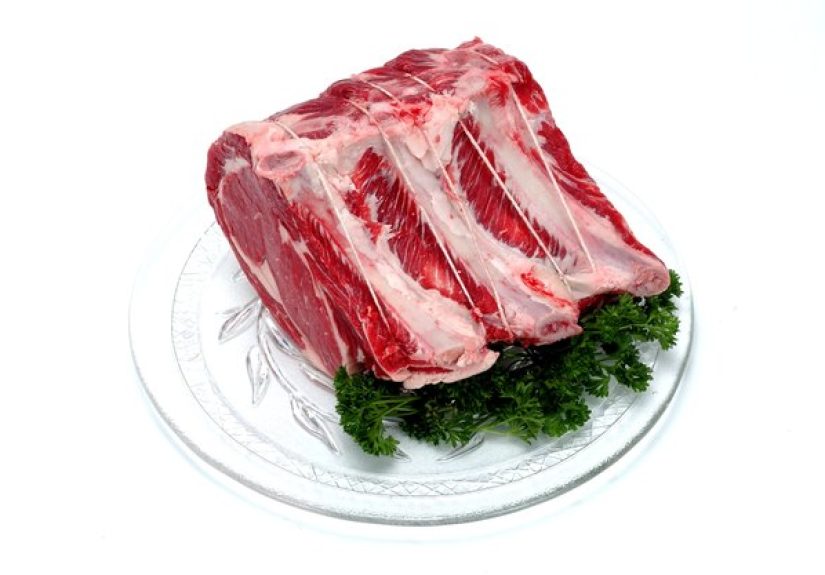
Meaty prime rib bones
These are the jackpot bones. They still have visible chunks or ribbons of beef attached. In the crock pot, that meat can soften, loosen, and be picked off the bone for soup, sandwiches, hash, or a simple bowl with potatoes and vegetables.
Mostly bare bones
These are still extremely useful, but they are better for broth than for a dramatic meat-forward dinner. Think of them as the backstage crew. Nobody screams for them at curtain call, but the whole show falls apart without them.
Cold leftover bones versus frozen bones
If your bones were refrigerated after the original meal, great. If they are frozen, thaw them first before using the slow cooker. That gives you better control over texture, safer heating, and more predictable cooking.
Best Crock Pot Method for Prime Rib Bones
The smartest method is to treat prime rib bones as the foundation for a rich beefy broth, then decide later whether you want to keep it brothy, turn it into soup, or reduce the liquid into something closer to gravy. This gives you flexibility and prevents the number-one disappointment with leftover roast bones: expecting them to behave like a rack of sticky barbecue ribs. Prime rib bones are not here for that job. They are here to make your kitchen smell amazing and your leftovers feel smarter than they are.
Ingredients
- 2 to 4 prime rib bones, with as much meat attached as you have
- 1 medium onion, chopped
- 2 carrots, chopped
- 2 celery stalks, chopped
- 3 to 4 garlic cloves, smashed
- 1 bay leaf
- 2 to 3 sprigs fresh thyme or 1 teaspoon dried thyme
- 6 to 8 cups low-sodium beef broth, stock, or water
- 1 tablespoon Worcestershire sauce
- 1 tablespoon tomato paste, optional but helpful for depth
- 1 teaspoon kosher salt to start, plus more to taste
- 1/2 teaspoon black pepper
- Optional finishing add-ins: potatoes, barley, mushrooms, green beans, noodles, chopped leftover prime rib meat reheated separately, or parsley
Step-by-Step: How to Cook Prime Rib Bones in a Crock Pot
1. Give the bones a quick look before you start
If the bones already look deeply browned from the original roast, you can use them as-is. If they look pale, or if you are working with raw rib bones, roasting them first will improve the final flavor. A quick trip through a hot oven helps create darker, fuller, roastier notes. This step is optional for leftover prime rib bones, but it is worth it when you want a broth that tastes like it means business.
2. Build the flavor base
Scatter the onion, carrots, celery, and garlic into the bottom of the crock pot. Add the bay leaf, thyme, Worcestershire sauce, tomato paste if using, salt, and pepper. This classic combination gives the broth sweetness, savoriness, and just enough backbone to keep it from tasting like hot beef water, which is not the culinary goal anybody dreams about.
3. Add the bones and liquid
Nestle the prime rib bones into the crock pot and pour in enough broth or water to mostly cover them. You do not need to drown everything. Too much liquid can dilute the flavor. Start with 6 cups and add more only if needed. The slow cooker should look comfortably filled, not like it is auditioning to become a kiddie pool.
4. Cook low and slow
Cover and cook on LOW for 6 to 8 hours or on HIGH for 4 to 5 hours. Low is usually better for flavor development and tenderness. By the end, the broth should smell rich and beefy, and any attached meat should be easy to pull from the bones with a fork.
5. Remove the bones and pull the meat
Lift the bones out carefully and let them cool just enough to handle. Pull off any good meat and set it aside. Discard the bare bones, chewy connective tissue, and anything that looks like it has done its job and is ready for retirement.
6. Strain or keep rustic
For a cleaner broth, strain the liquid and discard the cooked aromatics. For a rustic soup, leave some of the vegetables in the pot and mash a few pieces of carrot or onion into the liquid for body. Neither version is wrong. One is polished; the other tastes like a cold-weather hug.
7. Decide what you want it to become
At this point, you have options. Return the shredded meat to the crock pot for soup. Add potatoes and cook until tender. Stir in barley or mushrooms. Or pour the broth into a saucepan and reduce it for a more concentrated sauce. This is the moment when prime rib bones stop being leftovers and start becoming dinner again.
How Long Should Prime Rib Bones Cook in a Crock Pot?
For most leftover prime rib bones, 6 to 8 hours on low is the sweet spot. That is long enough to pull flavor from the bones and loosen the attached meat without making the whole thing taste tired or muddy. If your bones are especially meaty, the full 8 hours on low works well. If they are small and mostly bare, 5 to 6 hours may be enough.
The exact timing depends on how much meat is left, how many bones you have, how full the slow cooker is, and how powerful your particular crock pot runs. Some cookers are gentle and mellow. Others behave like they have something to prove. Check during the last hour if you know yours runs hot.
What to Add for Better Flavor
Worcestershire sauce
A small amount adds savory depth without making the broth taste like steak sauce. It is a quiet background player, which is exactly why it works.
Tomato paste
Just a spoonful adds depth and color. It does not make the broth taste tomatoey when used lightly. It just nudges the beef flavor in the right direction.
Mushrooms
If you love earthy, rich flavors, sliced mushrooms are an excellent addition. They play especially well with prime rib.
Potatoes or barley
These turn the broth into a proper meal. Potatoes make it cozy and familiar. Barley makes it feel like you suddenly became the kind of person who keeps bay leaves organized.
Parsley or horseradish at the end
Prime rib is rich, so a bright finish helps. Fresh parsley adds lift. A small spoon of horseradish on the side gives a classic steakhouse vibe.
Common Mistakes to Avoid
Expecting leftover prime rib bones to behave like pork ribs
This is probably the biggest mistake. Prime rib bones are best for broth, soup, and spoon-tender picked meat, not sticky finger-food ribs. Manage that expectation and you will be much happier with the result.
Using too much liquid
More water does not mean more flavor. It often means weaker broth. Use enough liquid to cover or nearly cover the bones, then taste and adjust later.
Skipping seasoning until the end
You should still season gently at the beginning so the broth develops some depth while cooking. Just do not go overboard, since the liquid may reduce and concentrate.
Adding frozen bones straight to the crock pot
Thaw them first. It is better for safety and gives more even cooking.
Trying to reheat leftover sliced prime rib in the slow cooker
If you also have leftover slices of cooked prime rib, do not rely on the crock pot as your reheating method for that meat. Reheat cooked leftovers to a safe temperature using a faster method, then add them to the finished broth if you want them in the final bowl.
Food Safety Tips That Matter
If your prime rib bones are leftovers from a holiday meal or big dinner, refrigerate them promptly rather than letting them lounge around at room temperature like retired celebrities. Leftovers should be cooled and stored quickly, used within a few days, and reheated thoroughly when served again.
For raw beef, the safe minimum internal temperature for steaks and roasts is 145°F with a 3-minute rest. For leftovers, reheating to 165°F is the standard safety rule. Also, do not put frozen meat straight into a slow cooker, and do not treat a crock pot as the best tool for reheating cooked leftovers. Used properly, though, it is excellent for slowly cooking fresh ingredients and building flavorful broths and soups.
Easy Variations
Prime Rib Bone Vegetable Soup
Add diced potatoes, green beans, peas, or corn during the last part of cooking. Return the pulled meat to the pot and finish with parsley.
Prime Rib Bone Barley Soup
Add pearl barley and let it absorb some of the rich broth. The final result is hearty, old-school, and extremely good on a rainy day.
Prime Rib Bone Gravy Base
Strain the finished liquid, reduce it on the stove, and thicken lightly with a roux or cornstarch slurry. This creates a sauce that tastes much more expensive than the amount of effort required.
Prime Rib Bone Broth for the Freezer
Skip the potatoes and noodles, strain the broth well, cool it, and freeze in portions. Future you will think present you is a genius. Or at least slightly more organized than usual.
What to Serve With Prime Rib Bones Cooked in a Crock Pot
If you turn the bones into soup, serve it with crusty bread, buttered toast, biscuits, or a grilled cheese sandwich. If you reduce the liquid into a sauce and pick the meat from the bones, serve it over mashed potatoes, egg noodles, or rice. A simple green salad on the side is nice too, mostly because it convinces everyone this was a balanced plan and not just a glorious beef rescue mission.
The Bottom Line
Learning how to cook prime rib bones in a crock pot is less about following one rigid recipe and more about understanding what those bones want to become. If they are meaty, let them simmer into a rustic soup or braise. If they are mostly stripped, use them for broth. In both cases, the slow cooker shines because it gives leftover bones time to release flavor gradually and turn into something satisfying, practical, and honestly a little smug. There is a special pleasure in making a second meal from a first meal that was already pretty fabulous.
So the next time prime rib is on the menu, save the bones. Your crock pot can turn them into a savory broth, a hearty soup, or a freezer stash that makes future dinners easier. That is not just economical cooking. That is kitchen strategy with excellent taste.
Kitchen Experiences: What Cooking Prime Rib Bones in a Crock Pot Is Really Like
The first time many people cook prime rib bones in a crock pot, they expect something halfway between a steakhouse dinner and a pile of slow-cooker ribs. What they usually get is something better, just different. The real magic is not a dramatic before-and-after photo with meat sliding off the bone in perfect television style. The magic is the smell that starts drifting through the kitchen after a couple of hours, when the onions soften, the beefy aroma deepens, and the whole house begins to smell like someone has been cooking all day on purpose.
One of the most common experiences is surprise at how much flavor is still left in the bones. A holiday roast may look picked over after dinner, but once those bones settle into broth with carrots, celery, garlic, and herbs, they still have plenty to give. This is especially true when the bones were roasted well the first time around. You can taste that browned exterior in the finished broth. It has depth, color, and a roast-beef character that plain boxed stock rarely brings to the table.
Another real-life lesson is that the result gets better when expectations shift. People who expect glossy restaurant ribs sometimes feel underwhelmed. People who expect rich soup, savory broth, and tender bits of beef usually feel like they just unlocked a secret level of leftover cooking. The trick is understanding that prime rib bones are less of a main-character meat situation and more of a flavor-building masterpiece. They are not flashy. They are useful. And in the kitchen, useful often wins.
There is also the comfort factor. Crock-pot cooking has a way of making even a regular weekday feel softer around the edges. You load in the bones, shut the lid, and walk away. Later, dinner feels bigger than the work you did. That is part of why people come back to this method. It is efficient, yes, but it also feels generous. You are stretching an expensive cut into another meal without making it feel cheap.
Many cooks also discover that prime rib bone broth is incredibly flexible. One batch becomes soup for dinner, lunch the next day, and maybe a frozen container for a future sauce or stew. A few pulled bits of beef over mashed potatoes can feel rustic and comforting. Add barley and it becomes hearty. Add mushrooms and it becomes deeper. Add nothing but salt, pepper, and a little parsley, and it still works. That flexibility makes the whole experience feel less like following a recipe and more like learning a kitchen habit worth keeping.
And then there is the emotional side of it, which sounds dramatic until you have done it. Prime rib is often connected to holidays, birthdays, or family dinners. Cooking the bones the next day keeps that meal going in a very satisfying way. It feels practical, but it also feels respectful. You bought a beautiful roast, everyone enjoyed it, and now the leftovers are being treated like part of the celebration instead of a forgotten container in the back of the refrigerator.
So yes, the experience of cooking prime rib bones in a crock pot is partly about flavor, partly about thrift, and partly about that unbeatable slow-cooker feeling of winning dinner with very little last-minute effort. It is one of those habits that starts as a cleanup decision and ends as a recipe you intentionally plan for next time. That is when you know the bones were worth saving.