Table of Contents >> Show >> Hide
- Why Faucets Leak in the First Place
- What You Need Before You Start
- How to Fix a Leaky Faucet in 5 Easy Steps
- Specific Examples of Common Faucet Leak Scenarios
- Common DIY Mistakes to Avoid
- When to Call a Plumber Instead
- Why Fixing a Dripping Faucet Quickly Matters
- Real-World DIY Experiences With Leaky Faucets
- Conclusion
- SEO Tags
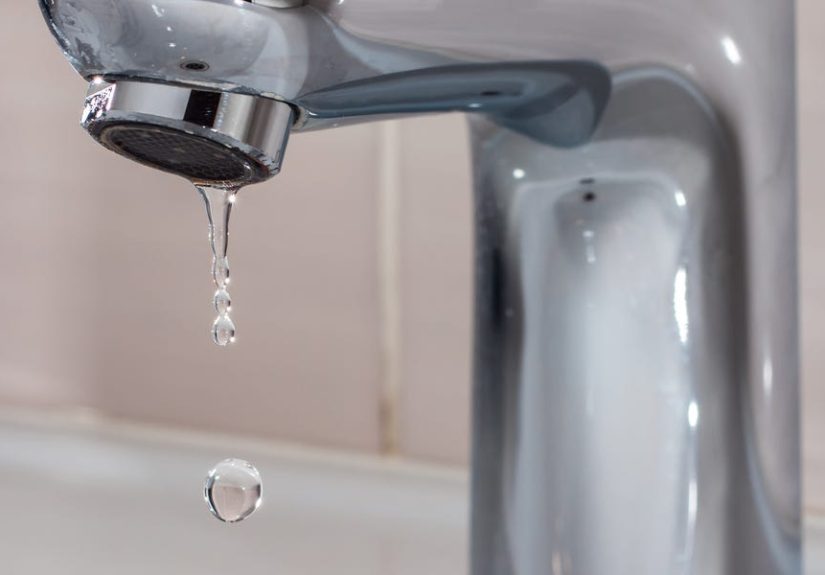
A leaky faucet has a special talent: it can sound tiny, look harmless, and still drive you absolutely bananas by midnight. Drip. Drip. Drip. It is basically a slow percussion concert you never bought tickets for. The good news? Many faucet leaks are caused by a few worn parts, some mineral buildup, or a cartridge that has decided it no longer believes in teamwork. That means a lot of drips can be fixed without calling a plumber or writing a sympathy card to your water bill.
If you want to know how to fix a leaky faucet without turning your bathroom into a splashy science experiment, you are in the right place. This guide walks you through five easy steps to fix a faucet, explains what usually causes the leak, shows you what tools to grab, and helps you avoid common mistakes. Whether you are dealing with a bathroom sink faucet, a kitchen faucet, or a stubborn drip that appears to have a personal grudge against silence, this article will help you tackle it with confidence.
Why Faucets Leak in the First Place
Before you start removing handles like a home-repair superhero, it helps to know what usually causes the problem. A faucet does not leak for fun. It leaks because one or more internal components are worn, loose, dirty, or damaged.
Common reasons a faucet starts dripping
- Worn washers: Common in older compression faucets. These rubber pieces can flatten, crack, or harden over time.
- Bad O-rings: Small but mighty, O-rings help create a watertight seal. When they wear down, leaks often appear around the handle or base.
- Damaged cartridge: In many modern faucets, the cartridge controls water flow. If it is worn or misaligned, the faucet may drip from the spout.
- Worn seats and springs: These parts are common in ball-style faucets and can cause steady dripping.
- Mineral buildup: Hard water deposits can interfere with seals, clog parts, and make a faucet misbehave.
- Loose components: A packing nut, retaining clip, or handle screw that has shifted can create a leak or make one look worse.
Here is the simple truth: a leaky faucet fix usually comes down to replacing the correct part and putting everything back together in the right order. The trick is not brute force. The trick is patience, matching parts, and not losing the tiny screw that will somehow try to escape into the drain like it has a flight booked.
What You Need Before You Start
You do not need a truck full of plumbing gear to repair a dripping faucet. In most cases, a basic tool kit and the right replacement parts will do the job.
Basic tools and supplies
- Adjustable wrench
- Screwdriver set
- Allen wrench set
- Needle-nose pliers
- Old towel or rag
- Small bowl or magnetic tray for screws
- Replacement cartridge, washer kit, O-rings, or seats and springs
- Plumber’s grease or silicone grease
- White vinegar and an old toothbrush for mineral deposits
Pro tip: If possible, bring the old part to the hardware store. Faucet parts are a little like socks after laundry day. They all look similar until you realize one is absolutely not the right match.
How to Fix a Leaky Faucet in 5 Easy Steps
These five steps cover the repair process for most common household faucets. The exact part you replace may vary by faucet type, but the overall method stays surprisingly consistent.
Step 1: Shut Off the Water and Prep the Sink
This is the step that separates a tidy DIY repair from a dramatic reenactment of a flood scene. Look under the sink for the hot and cold shutoff valves. Turn them clockwise until they stop. Then turn the faucet on to release any remaining water pressure. If nothing comes out except a sad final dribble, you are ready.
Next, plug the drain or cover it with a rag. This sounds small, but it is huge. Tiny screws, clips, washers, and springs love drains with the kind of passion usually reserved for movie montages. Put a towel in the sink to protect the finish and give yourself a safe place to set parts down.
If your faucet does not have working under-sink shutoff valves, you may need to turn off water to the whole house before continuing. That is less fun, but still better than a surprise shower from your bathroom sink.
Step 2: Remove the Faucet Handle and Access the Inner Parts
Most faucets hide their screws under a decorative cap marked hot or cold, or under a small trim piece. Use a flathead screwdriver or utility knife carefully to pop the cap off. Then remove the handle screw and lift the handle away.
Under the handle, you may see a retaining nut, bonnet nut, cap, or clip depending on the faucet design. Remove these pieces gently and place them in order on a towel. Taking a quick photo with your phone before and during disassembly is a smart move. Your future self will thank you when it is time to put the puzzle back together.
At this stage, identify your faucet type:
- Compression faucet: Usually has separate hot and cold handles and often uses washers.
- Cartridge faucet: Common in kitchens and bathrooms; may be single-handle or double-handle.
- Ball faucet: Often single-handle kitchen faucets with a rotating ball assembly.
- Ceramic disc faucet: Durable and modern, but still vulnerable to worn seals and buildup.
Step 3: Inspect the Problem Parts and Replace What Is Worn
Now you are at the heart of the leaky faucet repair. This is where you find the culprit and swap it out.
For compression faucets, inspect the rubber washer at the end of the stem. If it looks cracked, flattened, or brittle, replace it. Also check the stem O-ring because a bad O-ring can cause leaks near the handle.
For cartridge faucets, pull the cartridge straight out after removing the retaining clip or nut. If it looks worn, corroded, or damaged, replace it with an exact match. If the faucet leaks around the base rather than the spout, check the O-rings too.
For ball faucets, pay attention to the seats, springs, cam, and ball. These small parts wear out over time and often come in repair kits.
For ceramic disc faucets, inspect the seals and the cartridge assembly. Sometimes the cartridge needs replacement; other times cleaning and replacing seals solves the issue.
One important detail: do not assume the leak only needs one new part if the rest of the components look tired. Replacing the washer but ignoring a cracked O-ring is like changing one tire on a car made of marshmallows. Technically you did something, but the problem may not stay solved.
Step 4: Clean Mineral Buildup and Lubricate New Seals
Even if the broken part seems obvious, do not skip cleaning. Mineral buildup can keep parts from sealing properly and may be part of the reason the faucet started leaking in the first place.
Use white vinegar and a toothbrush or soft cloth to clean the inside of the faucet body, the spout area, and any reusable parts. If your aerator is crusted with scale, soak and scrub it too. This step can improve water flow and reduce splashing after the repair.
Before installing new O-rings or seals, apply a light coat of plumber’s grease or silicone grease designed for plumbing components. This helps the parts seat properly, reduces wear, and makes reassembly smoother. Go light here. You are lubricating, not frosting a cupcake.
Step 5: Reassemble the Faucet and Test for Leaks
Put the faucet back together in reverse order. Reinstall the cartridge, ball, stem, or seals exactly as they came out. Tighten retaining nuts and screws until secure, but do not over-tighten. That is a classic DIY mistake. Too much force can crack parts, pinch seals, or create a whole new leak just when you were ready to celebrate.
Once the faucet is assembled, remove the rag from the drain, turn the shutoff valves back on slowly, and test the faucet. Run both hot and cold water for a minute. Check the spout, the handle area, the base, and the supply lines underneath the sink.
If the drip is gone, congratulations. You just fixed a leaky faucet and reclaimed peace and quiet. If it still leaks, do not panic. Double-check that the replacement part matches the old one exactly, make sure the cartridge is aligned correctly, and confirm that all seals are seated in the proper grooves.
Specific Examples of Common Faucet Leak Scenarios
Example 1: The faucet drips from the spout after you turn it off
This usually points to an internal sealing issue such as a bad washer, cartridge, or seat and spring set. The water path is not closing completely, so the faucet keeps dripping even when the handle is off.
Example 2: Water puddles around the faucet base
This often means worn O-rings, a damaged cartridge, or buildup around the spout body. Base leaks can also fool you by making a handle leak look like a deck leak, so inspect carefully.
Example 3: The faucet still leaks after replacing one part
This usually means the problem was only partly fixed. The new part may be the wrong size, the cartridge may be misaligned, or there may be another worn seal nearby. Sometimes replacing the full repair kit saves time compared with guessing one piece at a time.
Common DIY Mistakes to Avoid
- Skipping the shutoff step: Water has a funny way of winning arguments.
- Forgetting to cover the drain: The sink is not a storage bin for tiny screws.
- Using the wrong replacement part: Similar is not the same.
- Over-tightening nuts and fittings: Secure is good. Hulk mode is not.
- Ignoring mineral buildup: New parts do better in a clean home.
- Reassembling from memory alone: Take photos. Trust the photos.
When to Call a Plumber Instead
Most faucet drip repairs are DIY-friendly, but not every leak should become your weekend project. Call a plumber if you run into any of these situations:
- The shutoff valves do not work or are leaking themselves
- The faucet body is cracked or badly corroded
- There is leaking under the sink from supply lines or connections
- You cannot identify the faucet model or find matching parts
- The leak continues after a correct repair
- You notice water damage inside the cabinet or wall
There is no shame in calling for backup. DIY is a skill, not a blood oath.
Why Fixing a Dripping Faucet Quickly Matters
A small leak feels minor until you realize it is wasting water all day, every day. It can also stain sinks, damage cabinets, encourage mold in damp areas, and increase wear on surrounding plumbing components. In other words, a faucet drip is a tiny problem with excellent networking skills. It makes friends with bigger problems if you ignore it long enough.
The upside is that a quick faucet repair is one of the more satisfying home fixes. The parts are usually inexpensive, the repair can often be done in under an hour, and the result is immediate. Silence. Savings. Victory. Possibly an unnecessary victory lap through the kitchen.
Real-World DIY Experiences With Leaky Faucets
People who fix their first leaky faucet almost always say the same thing afterward: “That was not as bad as I expected.” Before the repair, the faucet seems mysterious, mechanical, and slightly judgmental. After the repair, it becomes obvious that the job is really about slowing down, staying organized, and not letting a tiny retaining clip ruin your afternoon.
One of the most common experiences is discovering that the leak you saw was not actually the leak you had. A homeowner may swear the faucet is leaking from the base, only to realize after testing that water is sneaking down from the handle and pooling below. That is why careful observation matters. A paper towel wrapped around the handle, a flashlight under the sink, and a few minutes of testing can save a lot of wrong-part frustration.
Another familiar experience is the “hardware store sequel.” You take the faucet apart, proudly march out to buy a replacement cartridge, come home, and discover that your faucet apparently belongs to an obscure branch of the plumbing family tree that rejects ordinary parts on principle. That is why experienced DIYers bring the old part with them, take photos, and sometimes even note the faucet brand before leaving the house. It is not glamorous, but it beats making three trips and learning the names of every cashier by heart.
There is also the emotional journey of the stuck handle screw. On paper, the repair says “remove screw.” In real life, that screw may have been living in a humid environment since the early days of your current haircut. It may resist. It may laugh at your screwdriver. This is where patience matters. A better-fitting bit, a little penetrating oil if appropriate, and steady pressure are usually more effective than aggressive twisting and creative vocabulary.
Mineral buildup creates its own memorable moments too. Many people open a faucet and discover white crust, greenish corrosion, or a layer of gunk that looks like the faucet has been quietly growing a tiny cave system. Cleaning those parts can feel oddly satisfying. A soak in vinegar, a gentle scrub, and a clean reassembly often make the faucet work better than it has in years.
Then comes the best part: turning the water back on. There is always a brief dramatic pause. You open the shutoff valves slowly, test the faucet, and stare at the spout like a detective waiting for a suspect to crack. No drip. No puddle. No betrayal. That moment feels far more rewarding than a faucet repair has any right to feel.
Many homeowners also learn a larger lesson from the experience: simple maintenance matters. Once you have fixed one faucet, you start noticing other small issues earlier. Maybe the aerator needs cleaning. Maybe a shutoff valve should be exercised once in a while so it does not seize up. Maybe keeping a small box of common plumbing parts around the house is not such a bad idea after all. A leaky faucet fix often becomes the gateway project that makes people more confident with other home repairs.
So yes, fixing a dripping faucet is about stopping water waste and saving money. But it is also about building practical confidence. The first time feels cautious. The second time feels manageable. By the third time, you are explaining cartridges and O-rings to a neighbor like you host a very specific home-improvement podcast.
Conclusion
If you have been putting off a faucet repair because it sounds complicated, this is your sign to stop negotiating with that drip. In many cases, the fix is straightforward: shut off the water, open the faucet, replace the worn part, clean away buildup, and reassemble carefully. That is the heart of how to fix a leaky faucet, and it works for far more situations than most people realize.
The key is to stay calm, stay organized, and match the replacement part correctly. With the right tools and a little patience, fixing a dripping faucet can go from annoying household mystery to satisfying weekend win. Your sink gets a repair, your ears get a break, and your water bill stops funding an unnecessary drip orchestra. Everybody wins.