Table of Contents >> Show >> Hide
- What Are Fordyce Spots?
- How to Get Rid of Fordyce Spots: 12 Safe Steps
- 1. Confirm That They Are Actually Fordyce Spots
- 2. See a Dermatologist for Genital or Unclear Bumps
- 3. Stop Picking, Popping, and Squeezing
- 4. Use Gentle Skin Care Around the Area
- 5. Reduce Friction and Irritation
- 6. Do Not Use DIY Acids, Bleach, Toothpaste, or “Internet Magic”
- 7. Consider Cosmetic Camouflage for Lip Fordyce Spots
- 8. Ask About Prescription Topical Treatments
- 9. Discuss CO2 Laser Treatment
- 10. Ask About Electrosurgery or Electrodesiccation
- 11. Consider Micro-Punch or Other In-Office Procedures
- 12. Set Realistic Expectations and Follow Aftercare
- When Should You Worry About Fordyce Spots?
- Can You Prevent Fordyce Spots?
- Fordyce Spots on Lips vs. Fordyce Spots on Genitals
- Common Myths About Fordyce Spots
- Best Treatment Plan: Simple, Safe, and Personal
- Experience Notes: What People Often Learn While Dealing With Fordyce Spots
- Conclusion
Fordyce spots are one of those skin surprises that can make a perfectly normal morning feel like a medical mystery show. You glance in the mirror, notice tiny white or yellowish bumps on your lips, inside your cheeks, or around the genital area, and suddenly your brain opens 37 browser tabs at once. The good news? Fordyce spots are common, harmless, and not a sexually transmitted infection. The slightly less glamorous news? You usually cannot “scrub” them away, because they are not dirt, acne, or a hygiene problem.
So, how do you get rid of Fordyce spots safely? The honest answer is: you may not need to. If they bother you cosmetically, a dermatologist can discuss treatments that reduce or remove their appearance. If they do not bother you, the best treatment may be learning what they are, leaving them alone, and letting your skin exist without turning it into a home renovation project.
This guide explains Fordyce spots treatment in 12 practical steps, including what to avoid, when to see a doctor, what professional procedures can help, and how to manage the anxiety that often comes with harmless but highly noticeable skin bumps.
What Are Fordyce Spots?
Fordyce spots, also called Fordyce granules, are visible sebaceous glands. Sebaceous glands normally produce oil that helps protect and moisturize the skin. In most areas, these glands connect to hair follicles. Fordyce spots are different because they appear in hairless areas, such as the edge of the lips, inside the cheeks, on the penis or scrotum, or on the labia and vulva.
They often look like tiny pale, white, yellow, flesh-colored, or slightly reddish bumps. They may appear alone, but more often they show up in groups or clusters. They are usually small, about 1 to 3 millimeters, and they often become easier to see when the surrounding skin is stretched. This is why Fordyce spots on the lips may look more obvious when you smile, and Fordyce spots on genitals may look more noticeable during stretching or sexual arousal.
Most importantly, Fordyce spots are benign. They are not cancer. They are not contagious. They are not caused by poor hygiene. They are not a punishment for eating fries at midnight, although your stomach may still want to discuss that decision.
How to Get Rid of Fordyce Spots: 12 Safe Steps
1. Confirm That They Are Actually Fordyce Spots
The first step is not treatment. It is identification. Fordyce spots can resemble other skin conditions, including milia, sebaceous hyperplasia, genital warts, molluscum contagiosum, herpes blisters, cysts, or irritation bumps. Some of those conditions need medical treatment, so guessing is not the best strategy.
Typical Fordyce spots are painless, small, pale or yellow-white, and often appear symmetrically. They do not usually blister, crust, ooze, or rapidly change shape. If the bumps are painful, ulcerated, bleeding, spreading quickly, or associated with discharge, fever, burning, or swollen lymph nodes, see a healthcare provider promptly.
2. See a Dermatologist for Genital or Unclear Bumps
If you notice new bumps on the penis, scrotum, vulva, labia, or around the mouth and you are unsure what they are, schedule a visit with a dermatologist, primary care clinician, gynecologist, or urologist. This is especially important for genital bumps because early genital warts or other infections can sometimes look similar to harmless Fordyce spots.
A clinician can usually diagnose Fordyce spots by looking at them. In rare cases, if the diagnosis is uncertain, they may recommend additional testing. That does not mean something is wrong; it means your skin is being dramatic enough to deserve expert lighting.
3. Stop Picking, Popping, and Squeezing
Fordyce spots are not pimples. Squeezing them usually does not remove them, because they are visible oil glands rather than clogged pores filled with pus. Picking at them can cause irritation, bleeding, infection, scarring, and more noticeable redness. In other words, the cure can become more annoying than the original bump.
If you feel tempted to squeeze them, remind yourself that “just one quick pop” is how many skin problems begin their villain origin story. Keep your hands off the area and let a professional handle any removal treatment.
4. Use Gentle Skin Care Around the Area
Gentle care will not erase Fordyce spots, but it can reduce irritation that makes them look more obvious. For spots around the lips, use a mild cleanser on the surrounding face, avoid aggressive exfoliating scrubs, and apply a simple lip balm if the lips are dry. For genital Fordyce spots, wash with water and a mild, fragrance-free cleanser if needed. Avoid perfumed soaps, harsh body washes, and strong antiseptic products unless your doctor recommends them.
Think boring, gentle, and consistent. Your skin does not need a 12-step luxury ceremony involving mint crystals and volcanic ash. It needs not to be attacked.
5. Reduce Friction and Irritation
Fordyce spots can look more noticeable when the skin is irritated. Tight clothing, repeated rubbing, aggressive shaving, waxing, or harsh exfoliation may make the surrounding skin red or sensitive. If the spots are in the genital area, choose breathable underwear, avoid unnecessary friction, and use adequate lubrication during sex if rubbing causes discomfort.
For Fordyce spots on lips, avoid constant licking, biting, or scrubbing. If you use lip cosmetics, choose products that do not sting or dry the lips. A calmer skin barrier often means less attention drawn to the bumps.
6. Do Not Use DIY Acids, Bleach, Toothpaste, or “Internet Magic”
Home remedies for Fordyce spots are everywhere. Some suggest toothpaste, lemon juice, apple cider vinegar, alcohol, baking soda, or even skin-lightening products. Please do not let your lips or genitals become a chemistry experiment. These substances can burn, inflame, dry, or discolor sensitive skin and mucous membranes.
There is no strong scientific evidence that home remedies permanently remove Fordyce spots. Some oils or moisturizers may soften the skin and make spots appear less noticeable, but that is not the same as removing the glands. If a remedy promises overnight removal, it is probably selling hope in a very tiny bottle.
7. Consider Cosmetic Camouflage for Lip Fordyce Spots
If Fordyce spots on the lips bother you in photos or social situations, cosmetic camouflage may help. A tinted lip balm, lip liner, or moisturizing lipstick can reduce contrast and make pale bumps less visible. Choose non-irritating products and remove makeup gently at the end of the day.
This is not a medical treatment, but it can be a practical confidence booster. Sometimes the easiest solution is not making the spots disappear forever; it is making them less noticeable while you decide whether professional treatment is worth it.
8. Ask About Prescription Topical Treatments
Some dermatologists may recommend topical treatments for Fordyce spots, such as tretinoin or other retinoid-based products. These medications can encourage skin cell turnover and may reduce the appearance of certain bumps. However, they can also cause dryness, peeling, burning, redness, and irritation, especially on delicate lip or genital skin.
Never apply prescription acne creams to the genitals or lips without medical guidance. A product that is tolerable on the forehead may behave like a tiny dragon on sensitive tissue. If your doctor recommends a topical treatment, ask exactly where to apply it, how often to use it, how long to try it, and when to stop.
9. Discuss CO2 Laser Treatment
CO2 laser treatment is one professional option for reducing or removing visible Fordyce spots. The laser vaporizes targeted tissue, which may improve the appearance of clustered spots, especially on the lips. Dermatologists may use different laser techniques depending on the location, depth, skin type, and number of spots.
The benefits can include precise treatment and noticeable cosmetic improvement. The risks may include redness, swelling, discomfort, pigment changes, infection, scarring, and recurrence. Cost is another factor because treatment is usually considered cosmetic and may not be covered by insurance.
If you are considering laser Fordyce spots treatment, ask the clinician about their experience treating your specific area. Lips and genital skin require careful technique. This is not the moment to bargain-shop like you are buying discount lawn chairs.
10. Ask About Electrosurgery or Electrodesiccation
Electrosurgery, sometimes called electrodesiccation or cautery, uses controlled electrical energy to treat the tissue. It may be used for selected Fordyce spots, particularly when a dermatologist believes the benefits outweigh the risks.
Like laser treatment, electrosurgery can help reduce visible bumps, but it may cause temporary soreness, crusting, pigment changes, or scarring. Because Fordyce spots are benign, cosmetic treatment should be conservative. The goal is improvement, not a battle scene.
11. Consider Micro-Punch or Other In-Office Procedures
Micro-punch surgery is another option sometimes used for Fordyce spots. A small pen-like tool removes tiny pieces of tissue containing the visible gland. It may be considered for larger or more persistent spots, but it requires skill and proper aftercare.
Other procedures sometimes discussed include cryotherapy, photodynamic therapy, or chemical treatments applied by a professional. Each option has advantages and risks. Cryotherapy, for example, can freeze tissue but may not be ideal for all areas or skin tones because pigment changes can occur. The best procedure depends on the size, number, and location of the spots, your skin type, your healing history, and your tolerance for downtime.
12. Set Realistic Expectations and Follow Aftercare
Even with professional treatment, Fordyce spots may not disappear completely, and new or remaining spots may become visible later. A dermatologist should explain the expected results, possible side effects, healing time, and aftercare steps before treatment.
After a procedure, follow instructions carefully. This may include keeping the area clean, avoiding picking at crusts, pausing certain skin products, limiting friction, and watching for signs of infection. Good aftercare can make the difference between a smooth recovery and a regrettable sequel.
When Should You Worry About Fordyce Spots?
Fordyce spots themselves are not usually a reason to worry. However, you should seek medical advice if bumps are new and you are unsure of the cause, if they hurt, bleed, ulcerate, ooze, itch intensely, grow rapidly, or change color dramatically. You should also get checked if genital bumps appear after a new sexual exposure, if your partner has symptoms, or if you have burning with urination, unusual discharge, fever, or sores.
The point is not to panic. The point is to avoid self-diagnosing every bump as harmless when a professional can often identify it quickly. Peace of mind is a treatment too, and it has fewer side effects than panic-Googling at 2 a.m.
Can You Prevent Fordyce Spots?
There is no proven way to prevent Fordyce spots because they are a normal anatomical variation. They may be present from birth and become more noticeable during or after puberty as hormones influence oil glands. They are common in adults and may be more visible in people with oily skin or certain hormonal patterns.
Healthy skin care can reduce irritation, but it cannot remove the sebaceous glands themselves. Good hygiene is helpful for overall skin health, but Fordyce spots are not a hygiene failure. You did not cause them by skipping one cleanser, choosing the wrong towel, or angering the skincare gods.
Fordyce Spots on Lips vs. Fordyce Spots on Genitals
Fordyce Spots on Lips
Fordyce spots on lips often appear along the vermilion border, the edge where the colored part of the lip meets the surrounding skin. They may look like tiny pale dots or clusters. People often notice them more in bright light, close-up photos, or when the lips are stretched.
For lip Fordyce spots, gentle lip care, cosmetic camouflage, and dermatologist-guided treatments are the safest options. Avoid harsh exfoliants and acidic DIY remedies because lip skin is delicate.
Fordyce Spots on Genitals
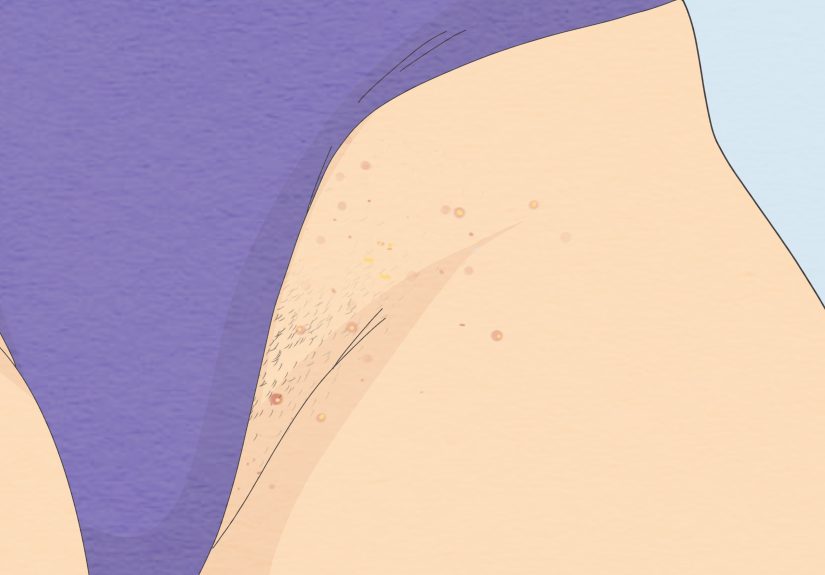
Fordyce spots on genitals may appear on the penile shaft, foreskin, scrotum, labia, or vulva. They are not sexually transmitted and cannot be passed to a partner. Still, because genital bumps can have many causes, getting a diagnosis is smart, especially if the bumps are new or you have symptoms.
Genital skin is sensitive, so do not apply acne products, wart removers, acids, essential oils, or whitening creams unless a clinician specifically recommends them. Over-treating the area can cause burns, irritation, and scars that are much more noticeable than the original spots.
Common Myths About Fordyce Spots
Myth 1: Fordyce Spots Are an STI
False. Fordyce spots are not an infection and are not spread through kissing, oral sex, or sexual contact. They are visible oil glands.
Myth 2: Poor Hygiene Causes Fordyce Spots
False. Washing more aggressively will not remove them. In fact, over-washing can irritate the skin and make bumps stand out more.
Myth 3: You Can Pop Fordyce Spots Like Pimples
False. Picking or squeezing can cause infection, bleeding, and scarring. Fordyce spots are not typical acne lesions.
Myth 4: Every White Bump Is a Fordyce Spot
False. White bumps on lips or genitals can have many causes. If you are unsure, get a diagnosis.
Best Treatment Plan: Simple, Safe, and Personal
The best way to get rid of Fordyce spots depends on how much they bother you. If they are mild and you mainly feel anxious because you do not know what they are, education and reassurance may be enough. If they affect your confidence, a dermatologist can review cosmetic options. If they are painful, changing, or unclear, medical evaluation is the priority.
A practical plan looks like this: confirm the diagnosis, stop picking, use gentle care, reduce irritation, avoid harsh home remedies, and consider professional treatment only if the spots truly bother you. That approach protects your skin and your wallet, which is important because cosmetic procedures can be expensive.
Experience Notes: What People Often Learn While Dealing With Fordyce Spots
Many people first discover Fordyce spots in the most inconvenient way possible: under bright bathroom lighting, right before a date, vacation, video meeting, or moment when confidence is already doing push-ups in the corner. The first reaction is often fear. “Is this contagious?” “Did I catch something?” “Will everyone notice?” The emotional response can feel much bigger than the actual bumps, especially when the spots are on the lips or genitals.
One common experience is that people try to “fix” Fordyce spots before they understand them. They exfoliate too hard, squeeze them, apply acne treatments, or test home remedies from strangers who seem extremely confident for people with no medical license. The result is often redness, burning, swelling, or scabbing. The spots may still be there, but now they have backup dancers. This is why gentle care and professional diagnosis matter so much.
Another lesson is that lighting changes everything. Fordyce spots may look obvious in a magnifying mirror under cold LED light, but barely visible in normal conversation. People tend to inspect their own skin from three inches away, while everyone else sees them from normal human distance. That difference can reduce anxiety. A useful test is to look in a regular mirror from across the sink, not with your face pressed into the glass like a detective at a crime scene.
People who choose treatment often report that the consultation is as helpful as the procedure. A dermatologist can explain whether the bumps are truly Fordyce spots, whether removal is realistic, and which method is safest for the area. Some decide to proceed with laser or another in-office treatment. Others decide the possible downtime, cost, or risk of scarring is not worth it. Both choices are valid. Cosmetic treatment should be about your comfort, not pressure from a partner, social media, or a zoomed-in mirror with bad intentions.
For Fordyce spots on the lips, many people find that moisturizing, avoiding lip irritation, and using a tinted balm gives enough improvement for daily life. For genital Fordyce spots, many people feel better once they learn the bumps are not contagious and not related to sexual behavior. That reassurance can remove a huge amount of stress.
The biggest real-world takeaway is simple: Fordyce spots are usually more emotionally annoying than medically dangerous. Understanding them often changes the whole experience. Once you know they are common, benign, and manageable, they become less like a crisis and more like a tiny skin quirk. Not your favorite quirk, perhaps, but definitely not the disaster your nervous brain originally advertised.
Conclusion
Fordyce spots are common, harmless, visible oil glands that can appear on the lips, inside the cheeks, or around the genital area. They do not usually need treatment, and they are not contagious or caused by poor hygiene. If you want to reduce their appearance, the safest path is to confirm the diagnosis, avoid picking or harsh home remedies, and speak with a dermatologist about options such as CO2 laser treatment, electrosurgery, micro-punch surgery, cryotherapy, or prescription topical treatments.
The smartest way to get rid of Fordyce spots is not to wage war on your skin. It is to understand what you are dealing with, protect the area from irritation, and choose medical treatment only when the benefits clearly outweigh the risks. Your skin deserves care, not panic.