Table of Contents >> Show >> Hide
- Why the Way You Harvest Herbs Matters
- General Rules for Harvesting Herbs So They Keep Growing
- How to Harvest Popular Herbs So They Keep Producing
- Storing Your Harvest Without Slowing Future Growth
- Troubleshooting Common Herb-Harvest Mistakes
- Real-Life Experiences and Pro Tips for Endless Herb Harvests
- Conclusion
If your herb garden looks gorgeous in the morning and suspiciously bald by evening, there’s a good chance you’ve been a little too enthusiastic with the scissors. The good news? When you know how to harvest herbs the right way, you don’t just get tonight’s dinneryou train your plants to keep producing fresh leaves all season long.
Garden experts and university extensions agree: harvesting isn’t just “cut and grab.” It’s a form of pruning that can make your basil bushier, your mint thicker, and your rosemary less woody and grumpy.
In this guide, we’ll walk through when and how to harvest herbs so they continue to produce, give you plant-by-plant instructions, and share real-life experiences and tips that will help you avoid the most common mistakes (like “harvested my basil once, never saw it again”).
Why the Way You Harvest Herbs Matters
Herbs grow from growing pointsthose little nodes where leaves branch off the stem. When you snip just above a node, the plant responds by pushing out new side shoots from that point, making the herb fuller and more productive. When you randomly tear off stems or overcut, the plant spends energy healing instead of regrowing, and production slows.
Extension sources emphasize that clean cuts and moderate pruning are key to keeping herbs vigorous and disease-free. Sharp scissors or pruners help the plant seal off wounds quickly and prevent tearing that can invite pests and pathogens.
General Rules for Harvesting Herbs So They Keep Growing
1. Know Your Herb Type: Annual, Perennial, or Woody
- Leafy annual herbs (basil, cilantro, dill, annual parsley): These are short-lived but can be cut back fairly hard. Many university guides suggest leaving 4–6 inches of stem so the plant can regrow.
- Perennial leafy herbs (mint, chives, lemon balm, oregano): These bounce back well from regular harvesting, but it’s still smart not to scalp the entire plant at once.
- Woody perennials (rosemary, thyme, sage, lavender): These dislike being cut into old, hardened wood. Focus on tender, green growth and limit how much you takeusually no more than one-third of the plant at a time.
2. Timing: When to Harvest for Best Flavor and Regrowth
- Time of day: Early morning, after the dew dries but before the heat ramps up, is ideal. The essential oils that give herbs their flavor are most concentrated then, and the plant is less stressed.
- Stage of growth: Most leafy herbs (basil, mint, oregano) taste best and recover fastest when harvested right before flowering. Once herbs “bolt” and put energy into flowers and seeds, leaves often become bitter or tough.
- Season: Regular light harvests throughout the growing season are better than one big haircut. Many guides recommend starting harvest when plants are around 6–8 inches tall and pruning every couple of weeks.
3. How Much to Cut Without Stressing the Plant
A simple rule most gardeners follow: never remove more than about one-third of the plant at once. That gives you a decent harvest while leaving enough foliage for photosynthesis and regrowth.
- With vigorous annuals like basil, you can cut stems back by about half, as long as you leave several sets of leaves on the plant and don’t repeat this “big harvest” too often.
- Woody herbs like rosemary, thyme, and sage should be trimmed more lightlyoften no more than half the stem length, and staying in soft, green growth.
4. Tools and Technique
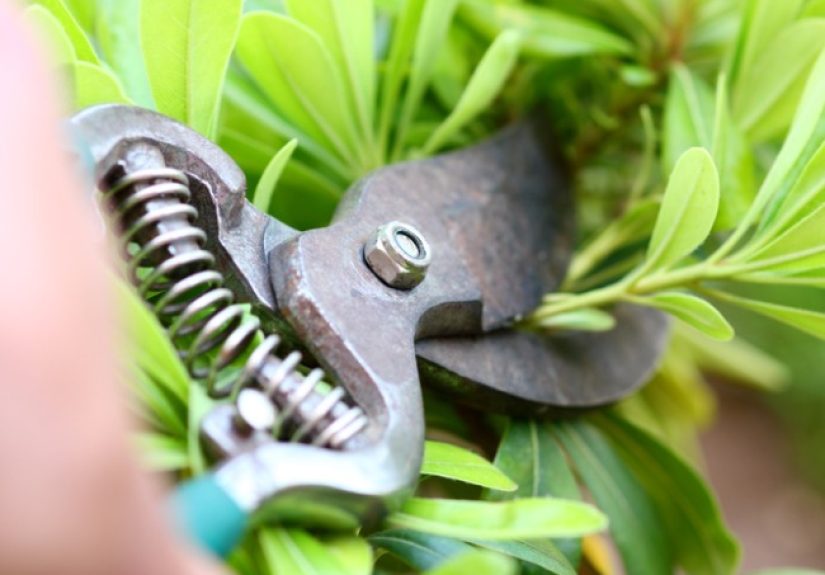
- Use sharp scissors, snips, or pruning shears. Clean cuts help herbs recover quickly and reduce disease risk.
- Cut just above a node (where two leaves branch off). This encourages two new stems to grow from that point, turning one stem into a mini “fork in the road” of more leaves.
- Avoid ripping or pinching stems with your fingers unless the stem is very tender (like baby basil or cilantro). It’s tempting, but it can bruise the plant.
How to Harvest Popular Herbs So They Keep Producing
Basil
Basil is the drama queen of the herb garden: easy to grow, but extremely opinionated about how you pick it. Research and gardening articles agree that basil becomes much bushier when you regularly prune or harvest the top few inches of stems.
- Begin harvesting when the plant is at least 6–8 inches tall and has several sets of leaves.
- Find a pair of leaves about 3–4 sets down from the tip and cut just above that junction. Two new shoots will emerge, doubling future harvests.
- Pinch off any flower buds as soon as you see them to keep the plant focused on leaves.
- In a big harvest, avoid taking more than one-third of the plant at once, especially for indoor or container basil.
Done right, you can harvest basil multiple times per week in peak summer and still have more leaves than you know what to do with (hello, pesto freezer stash).
Mint
Mint is that overachieving friend who shows up early, brings snacks, and then forgets to go home. It spreads fast, so don’t be shy about harvesting.
- Snip stems back by half their length, focusing on young, tender growth.
- Cut above a leaf node to encourage branching and thicker clumps.
- Rotate where you harvestdon’t keep cutting from the same side of the plant every time, so growth stays balanced.
- If it flowers, you can cut the whole plant back to a few inches to encourage fresh regrowth.
Chives
Chives are essentially herb noodles. Instead of snipping individual blades at the top, most extension guides suggest cutting clumps from the base.
- Grab a handful of leaves and cut them about 1–2 inches above the soil.
- Leave some clumps untouched so the plant isn’t completely scalped.
- If they flower, you can eat the blossoms, then trim the plant to encourage new growth.
Cilantro (Coriander)
Cilantro is the sprinter of the herb worldit grows, looks gorgeous, and then bolts to flower the second you look away.
- Start harvesting the outer leaves while they’re young, cutting near the base and leaving the center growth intact.
- Harvest often and lightly rather than waiting for a big cut.
- Once it bolts and flowers, leaves lose quality. Let some plants go to seed and harvest coriander seeds later, while succession-planting new cilantro.
Parsley
For flat-leaf or curly parsley, harvest from the outside in.
- Cut mature stems at the base, near the soil, leaving younger inner stems to keep growing.
- Regular picking keeps the plant productive well into the season, especially if you don’t take more than one-third at once.
Thyme and Oregano
These “Mediterranean” herbs prefer a bit of tough love: sun, well-drained soil, and regular trimming.
- Snip off the top few inches of soft, green stems, avoiding older, woody sections.
- Don’t cut more than about half the stem length at once.
- Frequent pinching helps prevent woodiness and keeps flavor high.
Rosemary and Sage
Rosemary and sage are classic woody herbs. They live for years, but only if you respect the “no deep cuts into old wood” rule.
- Harvest by snipping young, flexible tips, usually 2–4 inches long.
- Spread your harvest around the plant instead of stripping one side.
- After flowering, you can give them a light shaping trim, but stay in green growth.
Storing Your Harvest Without Slowing Future Growth
Harvesting herbs correctly keeps them producing. Storing them correctly keeps you from wasting the effort.
- Short-term storage: Treat leafy herbs like basil and parsley as you would cut flowersstems in a jar of water on the counter or in the fridge. Some guides note that basil actually prefers room temperature water over the cold fridge.
- Refrigerator method: Wrap woody herbs like rosemary and thyme in a slightly damp paper towel, then place in a breathable bag in the fridge.
- Drying: Air-drying or using a low-temperature dehydrator works well for firm-leaved herbs like rosemary, oregano, and sage.
- Freezing: Chop herbs like basil, parsley, and chives, then freeze them in ice cube trays with water or olive oil for easy, toss-in-the-pan flavor later.
Remember, storage doesn’t affect future growth directlybut if you’re confident you can preserve what you harvest, you’ll be more willing to prune regularly, which keeps plants productive.
Troubleshooting Common Herb-Harvest Mistakes
“I Harvested Once and Then Everything Flowered.”
For many herbs, flowering is basically the “we’re done here” sign. Basil, cilantro, dill, and mint all shift energy from leaves to flowers and seeds once they bolt.
- Pinch off flower spikes as soon as you see them, especially on basil.
- Harvest more frequently but in smaller amounts to keep plants in a vegetative state longer.
“My Basil Is Tall, Spindly, and Sad.”
Leggy basil usually means not enough pruning, too much heat, or inconsistent light. Expert guides suggest cutting leggy stems back above a node and resuming regular pruning every 2–3 weeks.
“I Think I Overharvested. Can My Plants Recover?”
If you accidentally took more than one-third of the plant, don’t panic, but do baby it a little:
- Keep the soil evenly moist (not soggy).
- Provide good light but avoid additional stress, like repotting.
- Skip fertilizing heavily right away; a light, balanced feed later can support new growth.
Real-Life Experiences and Pro Tips for Endless Herb Harvests
Theory is great, but nothing beats lessons learned from “oops” moments in the garden. Here are experience-based tips and scenarios that show how to harvest herbs so they continue to produce in real life.
The “One Basil, Infinite Pesto” Approach
Imagine you plant a single basil seedling in late spring. Instead of letting it grow tall and only cutting leaves when you need them, you start pruning when it hits about 6–8 inches. Every time you cook pasta, you snip stems just above a pair of leaves. Within a few weeks, that one plant has turned into a small basil bush with multiple branches.
Because you never remove more than about one-third of the plant and consistently pinch off flower buds, basil keeps producing. By mid-summer, you’re no longer just sprinkling a few leaves on pizzayou’re harvesting big handfuls to blend into pesto and freeze in ice cube trays. Those cubes then carry your summer flavor into fall and winter.
The Mint That Tried to Take Over the Yard
Anyone who has grown mint in the ground learns quickly that it takes the phrase “thriving” very seriously. One practical experience-based strategy is to grow it in containers or raised beds and use regular harvesting as your main control method.
Instead of letting stems flop over and root themselves, you make a habit of cutting longer stems back by half whenever you see them reaching for neighboring pots. You use the harvest for iced tea, mojitos, or to dry for winter. This regular snipping sends a clear message: “You may be vigorous, but you may not take over the tomato bed.” The plant stays dense and compact, and you enjoy a steady stream of leaves.
Learning to Love the “Haircut” on Woody Herbs
New gardeners are often nervous about cutting into rosemary or sage, afraid they’ll hurt the plant. But gentle, regular “haircuts” actually keep these herbs more productive. An experienced gardener might walk out in midsummer with sharp pruners and take soft tips from all over the plantnever more than one-third overall, and never into old gray wood.
The result? Fresh, fragrant sprigs for roasting potatoes or chicken, and a rosemary plant that remains shaped, compact, and full instead of bare and woody at the base. Over a few seasons, you see that the plants you prune lightly and consistently live longer and look better than the ones you leave alone “just to be safe.”
Succession Planting Saves Cilantro (and Your Tacos)
Cilantro is notorious for bolting the second temperatures rise. Many gardeners share the experience of planting one big row in spring, enjoying it for a very brief moment, and then watching it rocket to seed. The fix is less about how you harvest and more about how you plan.
Instead of one big sowing, you plant small patches every 2–3 weeks. You harvest outer leaves regularly from each patch while they’re young and tender, using scissors to cut close to the base but leaving the central growth. As the oldest patch starts to bolt, you let it go and eventually collect coriander seed. Meanwhile, the younger patches are just hitting their prime.
The combination of succession planting + gentle harvesting keeps you in fresh cilantro for much longer than one big planting would.
Rotating Your Harvest for Healthier Plants
Another experience-based trick is to rotate where you cut on each plant and in the garden overall. Instead of always grabbing from the same basil or mint plant closest to the door, you make a habit of walking the whole row and taking a little from each one.
This spreads out the stress of harvesting, prevents one plant from getting stripped while its neighbors lounge around, and keeps the overall herb bed looking full. It’s the gardening equivalent of rotating tires on a carless glamorous than planting day, but it really pays off in longevity.
Listening to What the Plant Tells You
Over time, you’ll start to “read” your herbs. If a plant rebounds quickly from harvest with lush new growth, it’s telling you that your approach and timing are working. If growth slows, leaves get smaller, or stems turn woody and sparse, it’s a sign to adjustmaybe harvest a bit less at once, provide more water, or refresh the soil in the container.
Herbs are forgiving teachers. As long as you follow the core principlesclean cuts, modest harvest amounts, and regular trimming focused on young growththey’ll usually respond with more foliage and better flavor. And the more you practice, the more intuitive it feels.
In the end, learning how to harvest herbs so they continue to produce is less about memorizing rules and more about building a rhythm with your plants: snip, regrow, repeat. Do that, and you’ll move from “Oops, I killed the basil” to “I should probably open a neighborhood pesto stand.”
Conclusion
Harvesting herbs isn’t just about taking what you needit’s about partnering with the plant so it keeps giving. When you understand the type of herb you’re growing, harvest at the right time, make clean cuts above leaf nodes, and avoid overcutting, your herbs respond with thicker, fuller growth and better flavor. Whether you’re snipping basil for pasta, mint for tea, or rosemary for roasting, the right harvesting habits turn a simple herb patch into an ongoing, cut-and-come-again buffet.