Table of Contents >> Show >> Hide
- Why chlorine gets too high in a salt water pool
- How to Lower Chlorine in a Salt Water Pool: 8 Steps
- Step 1: Confirm the reading with a reliable test kit
- Step 2: Turn down or turn off the salt chlorine generator
- Step 3: Remove anything else that might be adding chlorine
- Step 4: Let sunlight and time do the easy work
- Step 5: Check stabilizer, pH, and overall balance
- Step 6: Dilute the pool if chlorine is very high or other levels are off too
- Step 7: Use a chlorine neutralizer only when you need a fast result
- Step 8: Retest, rebalance, and restart the salt system at a lower setting
- Common mistakes to avoid
- When it is safe to swim again
- Real-world experiences: what pool owners usually learn the hard way
- Conclusion
If your salt water pool suddenly smells like a chemistry exam and your eyes start negotiating a peace treaty, there’s a good chance your chlorine is too high. Yes, even in a salt water pool. Despite the soothing beachy branding, a salt water pool is still a chlorine pool. The difference is that your salt chlorine generator makes the chlorine for you instead of asking you to play chemist every Saturday.
That convenience is great right up until the system gets a little too enthusiastic. Maybe the output setting is too high. Maybe you shocked the pool and forgot the cell was still running. Maybe the weather cooled down, swimmer load dropped, and your pool kept producing sanitizer like it was preparing for spring break. Whatever the cause, the fix is usually simpler than people think.
The smart way to lower chlorine in a salt water pool is not to panic, not to pour random chemicals into the deep end, and definitely not to start “fixing” everything at once. You want to reduce chlorine gradually when possible, protect your water balance, and only use quick chemical solutions when time really matters.
This guide walks you through eight practical steps to bring chlorine back down safely, plus the real-world lessons pool owners usually learn the slightly annoying way.
Why chlorine gets too high in a salt water pool
High chlorine in a salt water pool usually happens for one of four reasons. First, the salt chlorinator output is set too high for current conditions. Second, the pump run time is longer than necessary, so the cell keeps producing chlorine hour after hour. Third, the pool was recently shocked or treated and the regular chlorination never got dialed back. Fourth, stabilizer levels and weather conditions changed, so chlorine stopped burning off as quickly as expected.
In plain English, your pool is not broken. It is just overachieving.
Before you do anything else, remember one important detail: what matters most is free chlorine, not just total chlorine. Free chlorine is the working sanitizer. If total chlorine is high but free chlorine is not, you may be dealing with chloramines instead of truly excessive active sanitizer. That distinction matters, because the solution can change.
How to Lower Chlorine in a Salt Water Pool: 8 Steps
Step 1: Confirm the reading with a reliable test kit
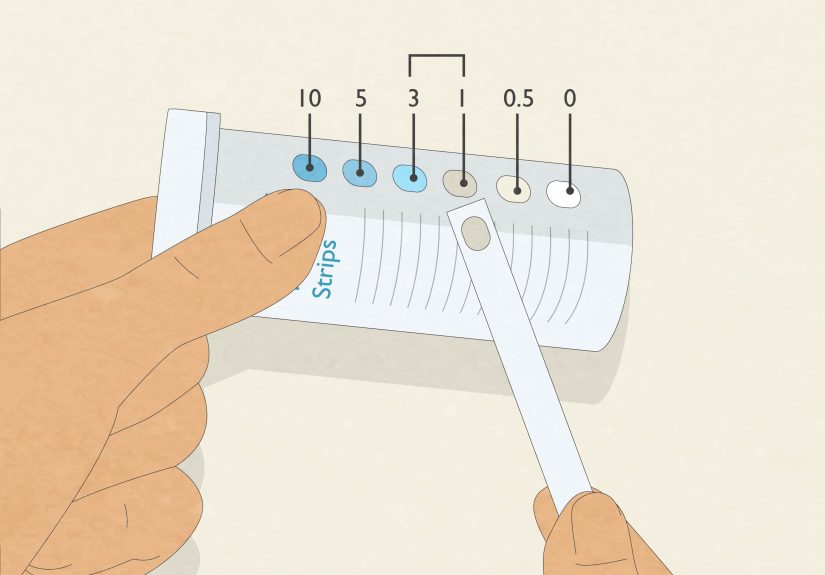
Before making any adjustment, test the water carefully. Use a high-quality liquid test kit or another dependable method that measures free chlorine, total chlorine, pH, and ideally cyanuric acid. Test strips are fast, but they can be vague when chlorine is very high, and vague is not your best friend when you are trying to avoid turning your pool into either a bleach bath or a frog pond.
Take your sample away from the return jets and test according to the kit instructions. If possible, test twice to confirm the number. If free chlorine is only slightly above your target range, the fix may be as simple as turning the system down and waiting. If it is far above range, you may need a faster correction.
This is also the moment to check pH. In salt water pools, pH often trends upward over time. High pH can make the water feel harsher and can trick people into thinking chlorine is the only problem. Sometimes it’s a chlorine problem wearing a pH disguise.
Step 2: Turn down or turn off the salt chlorine generator
If the salt cell is still producing chlorine, stop the source. Lower the output percentage significantly or turn the system off for a day or two. If your controller allows it, also shorten the pump run time so the cell isn’t generating for long stretches.
This step is the big one. A surprising number of pool owners add a corrective product while the generator happily keeps making more chlorine in the background. That’s like mopping the kitchen floor while the sink is still overflowing.
If you recently used a boost, super chlorinate, or shock mode, make sure that feature is fully disabled. Some systems can remain in an elevated production cycle longer than expected. Once chlorine production stops, you give the pool a chance to drift back toward normal instead of climbing higher.
Step 3: Remove anything else that might be adding chlorine
Salt systems are often not the only chlorine source. Check for tablets in a floater or skimmer, an inline chlorinator that is still feeding, leftover granular product from a recent treatment, or a service routine that added liquid chlorine on autopilot. If there is a second sanitizer source, remove it or pause it.
This is especially important after algae treatment or “just to be safe” shocking. Pool chemistry loves to punish good intentions when they come in duplicate.
If you use a cover, uncover the pool during the day unless local conditions make that unwise. A covered pool tends to hold chlorine more efficiently, which is great when you want to preserve sanitizer and not so great when you are trying to bring it down.
Step 4: Let sunlight and time do the easy work
For mildly high chlorine, the most natural fix is often the best one: circulation, sunlight, and patience. UV light helps break chlorine down, especially in outdoor pools. With the generator off and the cover open, chlorine will usually start drifting downward on its own.
How fast? That depends on sunlight, water temperature, bather load, stabilizer level, and how high the chlorine was to begin with. If cyanuric acid is on the high side, chlorine can hang around longer because stabilizer helps protect it from sunlight. In other words, the same product that saves chlorine on a normal summer day can make excess chlorine annoyingly stubborn.
Run the pump long enough to keep the water circulating well, but don’t automatically run it dawn-to-midnight unless your pool truly needs that much turnover. Retest after several hours or the next day. Often, this step and the previous two solve the issue without any fancy intervention.
Step 5: Check stabilizer, pH, and overall balance
If chlorine is not dropping as expected, zoom out and look at the rest of the chemistry. In outdoor salt water pools, cyanuric acid helps protect chlorine from the sun. But when stabilizer is too high, chlorine can linger longer than you want, and future adjustments become sluggish. If pH is out of range, swimmer comfort and chlorine efficiency also suffer.
Review the basics: free chlorine, pH, total alkalinity, cyanuric acid, and salt level. Also inspect the salt cell for scale if you have been battling odd readings or inconsistent production. Salt systems are famous for pH creep and scale buildup, so this is not a random side quest. It is part of the plot.
If your salt level is above the manufacturer’s recommended range, that issue needs attention too. Some systems respond poorly to overly high salinity, and correcting the salt level may involve partial drain-and-refill anyway. If you end up replacing water, that will also reduce chlorine concentration.
Step 6: Dilute the pool if chlorine is very high or other levels are off too
If chlorine is well above your target, or if you also have high salt or high stabilizer, partial dilution is one of the cleanest fixes. Drain a portion of pool water and replace it with fresh water. This lowers chlorine concentration directly and can also help with excess stabilizer or salinity.
This approach is especially useful when the chemistry has drifted in multiple directions at once. Think of it as hitting the reset button without fully starting over.
Just be smart about it. Never drain more than is safe for your pool type and local groundwater conditions, and follow any local water-use rules. If you are unsure, do a modest partial exchange rather than a dramatic one. After refilling, circulate thoroughly and retest everything because dilution lowers more than chlorine. Your pH, alkalinity, stabilizer, and salt can all change with fresh water added.
Step 7: Use a chlorine neutralizer only when you need a fast result
If you need the pool ready quickly and chlorine is still too high, a chlorine neutralizer can bring it down faster. Pool products sold for this purpose are often based on chlorine-reducing chemistry such as sodium thiosulfate. The catch is that it is easy to overshoot and end up with too little sanitizer, which is a very efficient way to trade one problem for another.
Follow the product label exactly. Calculate your pool volume accurately. Add less than you think you need, let the water circulate, and retest before adding more. This is not the moment for freestyle chemistry or the classic homeowner measurement system known as “that looks about right.”
Also recheck pH after using a neutralizer. Fast chlorine reductions can nudge water balance out of place. Chemical shortcuts are useful, but they are still shortcuts, and shortcuts are famous for having consequences.
Step 8: Retest, rebalance, and restart the salt system at a lower setting
Once free chlorine is back in your target range, do not simply turn everything back on exactly the way it was before. That is how people create a very boring but very frustrating sequel.
Instead, restart the salt chlorine generator at a lower output percentage and, if needed, reduce pump run time. Then test again over the next several days. Small adjustments work better than dramatic swings. The goal is to find the lowest practical setting that keeps your chlorine steady for your pool’s size, sun exposure, weather, and swimmer load.
Write down what worked. Note the output percentage, pump schedule, weather conditions, and test results. This one tiny habit can save hours later. Pool care gets much easier when you stop relying on memory and start keeping receipts.
Common mistakes to avoid
- Adding acid to lower chlorine: Acid lowers pH, not chlorine. It may solve the wrong problem and create a new one.
- Ignoring cyanuric acid: High stabilizer can slow chlorine loss and make your pool seem “mysteriously” overchlorinated.
- Leaving super chlorinate mode on: Many high-chlorine episodes start here.
- Using too much neutralizer: Fast fixes are helpful until they become overcorrections.
- Retesting too soon: Give the water time to circulate before deciding the last change “did nothing.”
- Restarting at the old setting: If the old setting caused the problem, it probably will not redeem itself overnight.
When it is safe to swim again
Wait until free chlorine returns to your system’s target range and your pH is balanced before swimming. For many home pools, that means free chlorine around the normal residential range and pH in the usual comfort zone. If your manufacturer gives a specific target for your salt system, follow that first. In general, testing beats guessing every single time.
If swimmers have been complaining of burning eyes, itchy skin, or that unmistakable “public pool locker room but make it stronger” smell, do not assume the water is fine just because it still looks clear. Clear water can still be chemically rude.
Real-world experiences: what pool owners usually learn the hard way
One of the most common experiences with high chlorine in a salt water pool is discovering that the pool was not “randomly” overchlorinated at all. It was being over-managed. A lot of owners add shock after a busy weekend, forget to reduce the salt cell output, leave the pool covered, and then act surprised when Monday’s test looks like the pool is auditioning to sanitize surgical tools. The fix, almost every time, is less heroic than expected: turn the system down, open the cover, give it sunlight, and stop adding extra stuff.
Another very normal experience is misreading the problem because the water feels harsh. People often blame chlorine first, but the real villain is sometimes pH. Salt water pools commonly drift upward in pH, and when pH climbs, swimmers can feel eye irritation and dryness even when chlorine is not outrageously high. That is why experienced pool owners learn to test the whole picture instead of chasing a single number like it owes them money.
Many pool owners also find that seasonal changes matter more than they expected. A salt system setting that works beautifully in peak summer can be too aggressive in cooler weather. Fewer swimmers, shorter sunny periods, cooler water, and a covered pool can all mean chlorine demand drops while production stays the same. The result is gradual chlorine creep. It does not happen with fireworks. It happens quietly, one “seems fine” day at a time.
There is also the classic lesson about neutralizers: they work, but they are not magical. People who use them successfully tend to go slow, test often, and respect the label. People who use too much in one shot usually spend the next day trying to raise chlorine back up while pretending this was the plan all along.
Perhaps the most useful long-term experience is learning your pool’s rhythm. After a while, most owners can predict when chlorine will rise: after reducing swim traffic, after covering the pool for several days, after turning up the output for a heat wave and forgetting to turn it back down, or after using supplemental chlorine with the cell still running. Once you spot those patterns, high chlorine becomes less of a mystery and more of a maintenance note.
The good news is that lowering chlorine in a salt water pool is usually very manageable. Most of the time, the pool does not need dramatic treatment. It needs a reliable test, a lower output setting, a bit of sunlight, and an owner willing to resist the urge to fix everything in one afternoon. Pool chemistry rewards patience far more often than panic.
Conclusion
If your salt water pool chlorine is too high, the safest approach is also the smartest one: confirm the test, stop chlorine production, let sunlight and circulation do their job, and use dilution or a neutralizer only when necessary. Once the level drops, rebalance the water and restart the generator at a more sensible setting. That way, your pool goes back to being refreshing instead of aggressively hygienic.