Table of Contents >> Show >> Hide
- Why a Magnetic Spice Rack Is Worth Making
- Choose the Best Style for Your Kitchen
- Supplies You Will Need
- Step 1: Pick the Right Location
- Step 2: Choose Containers That Make Sense
- Step 3: Test the Magnetic Strength Before Gluing
- Step 4: Clean and Roughen the Surfaces
- Step 5: Glue the Magnets Securely
- Step 6: Mount the Metal Board
- Step 7: Fill, Label, and Arrange Your Spices
- Step 8: Do a Safety Check
- Design Ideas for a Better-Looking DIY Magnetic Spice Rack
- Common Mistakes to Avoid
- How to Keep Your Magnetic Spice Rack Clean
- Budget-Friendly Tips
- Real-Life Experience: What You Learn After Actually Using One
- Conclusion
There are two types of kitchen chaos: the kind where one drawer refuses to close because a rogue whisk has turned sideways, and the kind where you own three jars of cumin because the first two were hiding behind the turmeric like tiny pantry criminals. A DIY magnetic spice rack solves the second problem beautifully. It turns unused vertical space into a neat, visible, grab-and-go spice stationand it looks good while doing it.
The best part? You do not need to be a professional carpenter, a kitchen designer, or the sort of person who owns sixteen kinds of clamps. With a metal surface, strong magnets, clean spice jars, labels, and a little patience, you can build a magnetic spice rack that saves cabinet space, keeps seasonings easy to find, and makes your kitchen feel more intentional. This guide walks you through the whole process, from choosing the right location to mounting, labeling, organizing, and maintaining your spices so your cinnamon does not end up tasting like “mystery dust from 2018.”
Why a Magnetic Spice Rack Is Worth Making
A magnetic spice rack is one of those small kitchen upgrades that punches above its weight. It is inexpensive, customizable, renter-friendly if you use the right surface, and ideal for small kitchens where counter and cabinet space are precious. Instead of stacking jars in a cabinet and playing spice roulette every time you cook, you can display your most-used seasonings on a fridge, metal board, cabinet side, pantry door, or backsplash area.
Magnetic spice storage also helps you cook faster. When your paprika, garlic powder, oregano, cumin, chili flakes, and cinnamon are visible, you are more likely to use them. That means fewer bland meals, fewer duplicate purchases, and fewer moments where you whisper, “Where is the basil?” into a drawer that has no intention of answering.
Choose the Best Style for Your Kitchen
Before buying supplies, decide what kind of DIY magnetic spice rack fits your space. There are three main approaches, and each has its own personality.
Option 1: Magnetic Tins on the Refrigerator
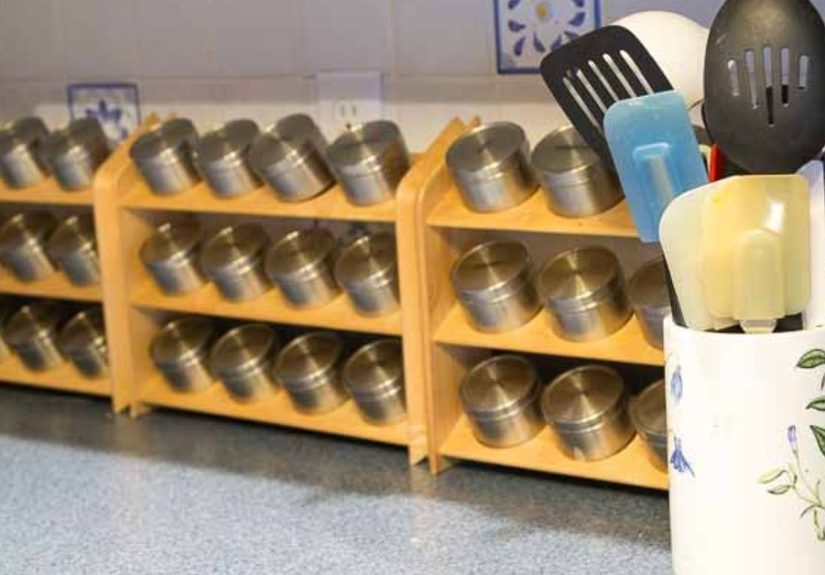
This is the easiest version. You fill small metal spice tins, label the lids, and stick them directly onto the side or front of your refrigerator. It is fast, affordable, and requires no drilling. The downside is that not everyone wants spices decorating the fridge, especially if the kitchen already has school schedules, grocery lists, and one deeply mysterious magnet from a vacation nobody remembers.
Option 2: Glass Jars With Magnets on a Metal Board
This option looks polished and works well if you want a dedicated spice wall. You glue strong magnets to the lids or bottoms of small jars, then mount a steel sheet or magnetic board to the wall. This gives you more design control and keeps spices away from the refrigerator door, where constant opening and closing can sometimes shake weaker magnets loose.
Option 3: A Magnetic Shelf or Rail System
If you prefer to keep spices in their original bottles, use a magnetic shelf that attaches to the side of the refrigerator or a metal surface. This is not as “custom DIY” as making magnetic jars, but you can still build your own version using a shallow metal tray, magnetic bars, or a wall-mounted steel panel. It is a good choice if you do not want to transfer spices into new containers.
Supplies You Will Need
For a classic DIY magnetic spice rack with uniform jars, gather the following materials:
- Small glass jars, metal tins, or food-safe spice containers
- Strong neodymium magnets or magnetic sheets rated for the weight of your filled jars
- Food-safe labels or waterproof label stickers
- A metal board, galvanized steel sheet, magnetic whiteboard, or refrigerator side panel
- Two-part epoxy, strong craft adhesive, or glue designed for metal and glass
- Rubbing alcohol and a clean cloth
- Fine-grit sandpaper
- Measuring tape or ruler
- Pencil
- Level
- Drill, screws, and wall anchors if mounting a board
- Painter’s tape, optional but helpful for layout planning
If you are mounting a steel board to drywall, use appropriate anchors or screw into studs whenever possible. A spice rack may look lightweight, but twenty filled jars can add up. Gravity is patient, and it loves poorly mounted projects.
Step 1: Pick the Right Location
The best place for a magnetic spice rack is close enough to your prep area to be convenient, but not so close to heat, steam, or moisture that your spices lose flavor faster. Avoid mounting spices directly above the stove, beside a steamy kettle, next to the dishwasher vent, or near a sunny window. Heat, light, air, and moisture are the enemies of spice freshness.
Good locations include the side of the refrigerator, a pantry door with a mounted metal sheet, the inside of a cabinet door, a blank wall near your prep counter, or a backsplash area away from direct heat. If you cook often, keep everyday spices at eye level and less-used spices higher or lower.
Step 2: Choose Containers That Make Sense
Uniform jars make a magnetic spice rack look clean and intentional. Small glass jars are attractive and easy to label, while metal tins are lightweight and often already magnetic-friendly. Clear lids help you see what is inside, but opaque containers can protect spices from light. If you use clear jars, place the rack in a shaded area.
Choose containers with tight-fitting lids. Airtight storage helps preserve aroma and prevents moisture from creeping in. A loose lid may not seem like a big deal until your garlic powder turns into a tiny cement puck. For most home cooks, jars that hold about two to four ounces are practical. They are large enough for common spices but small enough to stay light on the magnets.
Step 3: Test the Magnetic Strength Before Gluing
Do not skip this step. Before attaching magnets permanently, fill one jar with a spice or a similar-weight dry ingredient. Place the magnet where you plan to glue it, then test it on your metal surface. Gently slide, tap, and remove the jar several times. If the jar slips, tilts, or seems nervous about its life choices, use a stronger magnet or add a second magnet.
For glass jars, many DIYers prefer attaching magnets to the lid so the jar hangs lid-first on the board. Others attach magnets to the bottom so the front label faces outward. Both methods work, but the magnet must sit flat and hold the full weight of the jar. Heavier jars may need two magnets for balance.
Step 4: Clean and Roughen the Surfaces
Glue works best on clean, slightly textured surfaces. Wipe the magnet and the jar lid or bottom with rubbing alcohol to remove oil, dust, and residue. Let everything dry fully. If the surface is very smooth, lightly roughen the glue area with fine-grit sandpaper. You do not need to attack it like you are refinishing a canoe; a gentle scuff is enough to help the adhesive grip.
This small preparation step can make the difference between a sturdy magnetic spice jar and a sad little jar that slides down the board at 2 a.m. like it is trying to escape.
Step 5: Glue the Magnets Securely
Use a strong adhesive suitable for the materials you are joining. Two-part epoxy is a reliable choice for metal, glass, and rigid surfaces, but always follow the manufacturer’s instructions for mixing, application, ventilation, and curing time. Apply a small amount of adhesive to the magnet, press it firmly onto the jar lid or bottom, and keep it level while it cures.
Do not overload the glue. More adhesive does not always mean a stronger bond; sometimes it just means a messy blob that takes forever to cure. Let the jars rest undisturbed for the full recommended curing time. Even if the glue feels set after a few minutes, waiting longer gives the bond more strength.
Step 6: Mount the Metal Board
If you are using the refrigerator as your surface, congratulations: your wall-mounting journey is over before it began. If you are installing a metal board, measure your space carefully and mark the position with painter’s tape. Use a level so the board does not look like it is slowly sliding into another dimension.
When mounting to drywall, screw into wall studs if possible. If studs are not available in the right spot, use wall anchors rated for the combined weight of the board and filled spice jars. For a cleaner look, you can frame the metal sheet with wood trim or place it inside a simple picture frame. A framed magnetic spice rack can look less like “garage storage” and more like “organized person lives here.”
Step 7: Fill, Label, and Arrange Your Spices
Wash and dry all jars before filling them. Make sure they are completely dry because moisture is not invited to this party. Transfer spices carefully using a small funnel or folded piece of parchment paper. Label each jar with the spice name and, ideally, the purchase or refill date.
There are several ways to organize your DIY magnetic spice rack:
- Alphabetically: Best for people who want fast searching and no debates.
- By cuisine: Group Italian herbs, Mexican spices, baking spices, and curry blends together.
- By frequency: Put everyday spices in the easiest-to-reach area.
- By color: Beautiful, but slightly dangerous if you confuse cinnamon with cayenne before coffee.
If you cook often, frequency is usually the most practical system. Keep salt-free blends, garlic powder, onion powder, black pepper, cumin, paprika, oregano, chili powder, red pepper flakes, and cinnamon in the prime real estate zone.
Step 8: Do a Safety Check
Strong magnets are useful, but they are not toys. Keep loose magnets away from children and pets. Small, high-powered magnets can be dangerous if swallowed. Once your jars are assembled, inspect them regularly to make sure the magnets remain firmly attached. If a magnet loosens, remove the jar from the rack and repair it before using it again.
Also avoid placing strong magnets near pacemakers, sensitive electronics, credit cards, or anything that may be affected by magnetic fields. In a kitchen, this usually is not a problem when the rack is mounted in a sensible place, but it is worth keeping in mind.
Design Ideas for a Better-Looking DIY Magnetic Spice Rack
Use Matching Labels
Labels are the difference between “boutique kitchen upgrade” and “science experiment with oregano.” Choose a style that matches your kitchen: minimalist white labels, kraft paper labels, chalkboard stickers, clear waterproof labels, or printed round labels for jar lids. Include the spice name in large, readable text. Tiny cursive may look charming until you are squinting at nutmeg while holding a bowl of pancake batter.
Add a Frame
A steel sheet can look plain by itself. A simple wood frame makes it feel finished. Paint the frame to match your cabinets, stain it for a warm farmhouse look, or keep it black for a modern kitchen. If you rent, consider using a freestanding magnetic board instead of drilling into the wall.
Create Zones
Use small vinyl headings or label strips to create zones such as “Everyday,” “Baking,” “Herbs,” “Heat,” and “Blends.” This is especially helpful if multiple people cook in the same kitchen. It reduces the chance that someone puts pumpkin pie spice next to taco seasoning and calls it “close enough.”
Common Mistakes to Avoid
Using Weak Magnets
Weak magnets are the number one reason DIY magnetic spice racks fail. A magnet that holds an empty jar may not hold a full one. Always test with weight before gluing everything.
Mounting Spices Too Close to Heat
A magnetic rack above the stove may look convenient, but heat and steam can shorten the life of your spices. Choose convenience, yes, but not at the cost of turning your herbs into faded confetti.
Forgetting Refill Dates
Spices do not usually spoil like fresh food, but they lose aroma and flavor over time. Labeling refill dates helps you know when it is time to replace tired spices. If a spice smells like nothing, tastes flat, or has clumped from moisture, it is probably ready for retirement.
Overcrowding the Rack
A magnetic spice rack should make cooking easier, not become a vertical junk drawer. Start with your most-used spices. You can always expand later if the system works for you.
How to Keep Your Magnetic Spice Rack Clean
Once a month, remove the jars and wipe the metal board with a damp cloth. Dry it thoroughly before replacing the spices. Check jar lids for residue, especially around powders like turmeric, paprika, and cinnamon. These spices have a special talent for appearing everywhere except inside the jar.
Every few months, smell your spices. If the aroma is weak, use a little more in cooking or replace the spice. Keep backup bulk spices in a cool, dark pantry and refill your magnetic jars as needed. This approach gives you the convenience of visible spices without exposing your entire supply to kitchen light and air.
Budget-Friendly Tips
You can make a DIY magnetic spice rack without spending much. Reuse clean baby food jars, small jam jars, or empty spice jars. Buy a small galvanized steel sheet from a hardware store, or repurpose a magnetic whiteboard. Use simple printed labels instead of custom ones. If you already have a metal refrigerator side available, your biggest expense may be magnets and adhesive.
That said, do not choose the cheapest possible magnets if they are too weak. Strong magnets are the backbone of this project. Saving a few dollars is not worth hearing a jar of smoked paprika crash to the floor like a tiny culinary meteor.
Real-Life Experience: What You Learn After Actually Using One
The first thing you notice after making a DIY magnetic spice rack is how much mental clutter it removes. Before the rack, spices tend to live in a cabinet ecosystem governed by darkness and denial. You know you own thyme, but where? Behind the vanilla? Under the mustard seeds? Inside the emotional support pile of takeout soy sauce packets? Once the spices are visible, cooking feels smoother almost immediately.
One practical lesson is that not every spice deserves a front-row spot. At first, it is tempting to put every seasoning you own on the rack because the jars look so satisfying lined up like tiny flavor soldiers. But after a week or two, patterns become obvious. Garlic powder, smoked paprika, cumin, Italian seasoning, chili flakes, cinnamon, and black pepper may get used constantly, while celery seed waits patiently for its one annual potato salad moment. The best magnetic spice rack is not necessarily the biggest one; it is the one that keeps your daily cooking habits within reach.
Another lesson: labels matter more than expected. Clear jars can still be confusing when several spices are brown, tan, or suspiciously similar. Cumin, coriander, and garam masala can look like cousins who all showed up wearing beige. Big, readable labels prevent cooking mistakes. Adding dates is also surprisingly helpful. When you refill a jar, write the month and year on the bottom label. It takes five seconds, but later it saves you from wondering whether that oregano is fresh or old enough to vote.
You also learn to respect magnet strength. A jar may hold perfectly still on a flat test surface, then slide slightly when placed on a textured fridge side or a painted metal panel. That does not mean the project failed; it means the real world likes to humble DIY optimism. Testing filled jars before finalizing the layout is essential. If a jar feels heavy, use two magnets. If it still feels sketchy, move that spice to a shelf. There is no shame in letting gravity win occasionally.
Cleaning becomes easier too, but only if you design for it. Leave enough space between jars so your fingers can grab them without knocking neighbors loose. Keep oily cooking zones away from the rack because airborne grease can settle on lids and labels. If the rack is near food prep, wipe it weekly. A magnetic spice rack should feel like an upgrade, not another object silently collecting kitchen dust.
The biggest surprise is how much personality the rack adds. A wall of colorful spices feels warm, useful, and a little bit fancy. Guests notice it. You may become the sort of person who says, “Oh, I made that,” with suspicious casualness while secretly hoping they ask more questions. And honestly, why not? It is practical, attractive, and proof that a small weekend project can make everyday cooking more fun.
Conclusion
Making a DIY magnetic spice rack is one of the smartest small kitchen projects you can tackle. It saves cabinet space, keeps your favorite seasonings visible, and turns a blank wall, fridge side, or pantry door into a functional storage zone. The key is to choose airtight containers, use magnets strong enough for filled jars, mount your metal surface securely, and keep spices away from heat, steam, and direct sunlight.
Start small with your everyday spices, test everything before committing, and label generously. Once the rack is finished, your kitchen will feel more organized, your cooking routine will move faster, and your spices will stop vanishing into the cabinet wilderness. That alone is worth the price of a few magnets.