Table of Contents >> Show >> Hide
- Why Make a Hard Cover for a Paperback Book?
- What You Need for This Easy Method
- Before You Start: Choose the Right Paperback
- How to Measure a Paperback for a Hard Cover
- Step-by-Step: How to Make a Hard Cover for a Paperback Book
- Best Materials for a Better Result
- Common Mistakes to Avoid
- Can You Make It Look More Professional?
- How Durable Is This DIY Hardcover?
- Real-World Lessons and Experiences With This Easy Method
- Final Thoughts
Some paperback books are built for beach bags, subway rides, and one dramatic coffee spill too many. Others deserve a little more dignity. If you have a favorite paperback that is falling apart, getting bent on the shelf, or simply begging for a glow-up, learning how to make a hard cover for a paperback book is a surprisingly satisfying project. It is part craft, part rescue mission, and part “look at me, I have become the kind of person who owns a bone folder.”
The good news is that you do not need a full bookbinding studio or a mysterious Victorian apprenticeship to do this. With the right materials, careful measuring, and a little patience, you can turn a floppy paperback into a sturdier, cleaner, more shelf-worthy hardcover. This easy method is designed for home crafters and readers who want a practical result without wandering so deep into traditional fine binding that they start talking to paper grain direction at dinner.
In this guide, you will learn what materials work best, how to measure your book, how to build the hard case, how to attach the paperback text block, and which mistakes make a project look homemade in the charming way versus homemade in the “why is everything glued shut” way.
Why Make a Hard Cover for a Paperback Book?
There are a few solid reasons to add a hard cover to a paperback. First, protection. A hard cover helps reduce bent corners, curled covers, and general shelf abuse. Second, comfort. A sturdier case makes a well-loved book easier to hold and reread. Third, appearance. A custom hard cover can make a favorite novel, journal, workbook, or family-printed manuscript look polished and gift-worthy.
This method is especially useful for paperback books you read often, annotated copies you want to keep, self-printed books, fan-bound personal projects, and sentimental titles that are not rare but are important to you. For valuable antiques, signed first editions, mold-damaged books, or very brittle paperbacks, skip the DIY hero moment and consult a professional conservator instead.
What You Need for This Easy Method
Materials
- One paperback book
- 2 pieces of binder’s board or sturdy chipboard for the front and back covers
- 1 narrow spine piece made from thinner board or heavy cardstock
- Book cloth, heavy cotton, linen, or decorative paper for the outer cover
- 2 sheets of acid-free endpaper or decorative paper for inside attachment
- pH-neutral PVA glue or archival bookbinding adhesive
- Wax paper or silicone release paper
- Optional: mull or spine cloth for extra reinforcement
- Optional: ribbon marker, label paper, or vinyl title decal
Tools
- Metal ruler
- Craft knife or utility knife
- Cutting mat
- Bone folder or a smooth blunt edge
- Glue brush or foam brush
- Pencil
- Pressing boards, heavy books, or flat weights
- Scissors
If you do not have binder’s board, thick chipboard can work for a lighter-duty project. If you do not have book cloth, a tightly woven cotton fabric backed with paper can work nicely. The key idea is simple: sturdy board outside, flexible covering material over it, clean glue work inside it.
Before You Start: Choose the Right Paperback
Not every paperback is a great candidate. The best books for this method are structurally sound enough to survive being handled during the project. If the pages are loose, the spine is cracked into sections, or the paper feels dry and crumbly, you should stabilize the book first or leave it alone. This easy method works best when the text block is still mostly intact and the original paperback cover is attached.
Also decide whether you want to keep the original paperback cover visible inside the new case or remove it. For most home projects, leave the original cover on. It gives the text block extra support and makes the process easier. In other words, let the paperback keep wearing its original outfit under the new coat.
How to Measure a Paperback for a Hard Cover
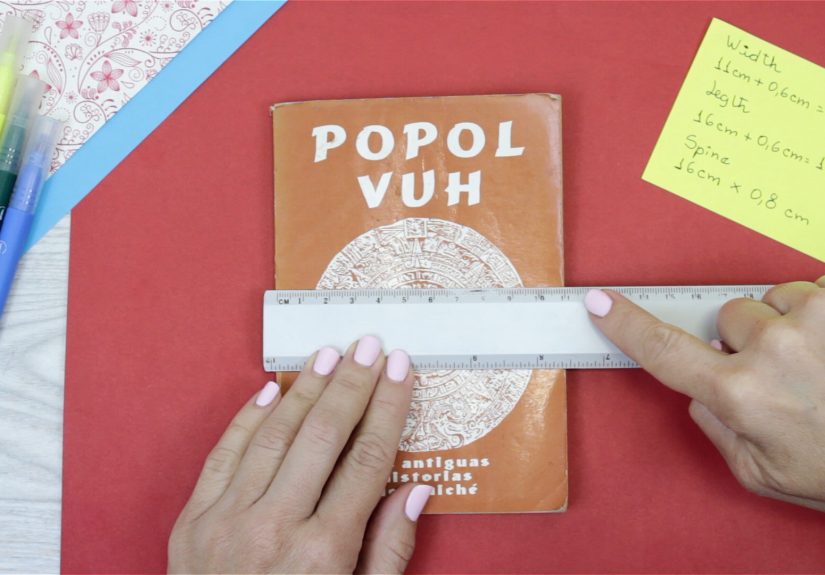
Accurate measuring is the difference between “beautiful custom binding” and “book wearing shoulder pads from 1987.” Measure three things: the height, the width of the front cover, and the thickness of the spine.
For the two cover boards, cut each piece slightly larger than the paperback. A common easy-method target is about 1/8 inch of overhang on the top, bottom, and outer edge. That little border is called the square, and it helps protect the page edges.
For the spine piece, cut it the same height as the cover boards. The width should match the paperback spine thickness, or be just a hair wider if the book needs a little breathing room. When laying out the boards on your cover material, leave about a 1/4-inch gap between each cover board and the spine piece. That gap creates the hinge and allows the cover to open properly. Too tight, and the book fights you. Too loose, and it flops around like a confused folder.
Step-by-Step: How to Make a Hard Cover for a Paperback Book
Step 1: Prep the Paperback
Dust the book gently and check for loose pages. If a page is detached, repair it before building the case. Slip wax paper under any area you are gluing so moisture does not wander into places where it was not invited. If the front and back covers are wildly curled, place the book under a light weight for a few hours first. Starting flatter makes everything easier.
If you want extra strength, add a strip of mull or spine cloth to the outside of the paperback spine. Apply a thin, even coat of PVA to the spine area, center the cloth, and smooth it down. Leave enough cloth extending on both sides to help anchor the text block later. This step is optional for light-use books, but it adds real durability.
Step 2: Cut the Boards
Cut two cover boards using your measurements. Then cut the spine piece. Dry-fit the pieces around the book before gluing anything. The boards should sit neatly around the paperback with an even border. This is the moment to correct your measurements, not the moment to practice optimism.
Lay the paperback between the boards and test the opening motion. If the spine piece is too tight, the case will strain. If it is too wide, the book may sink awkwardly into the cover. Tiny adjustments now save a lot of muttering later.
Step 3: Build the Outer Case
Place your book cloth or decorative cover paper face down on a clean work surface. Mark the positions of the front board, spine piece, and back board. Leave about a 1-inch margin around the outside edges so you have enough material to wrap inward. Keep the hinge gaps consistent.
Glue the first board, starting at the center and brushing outward so the adhesive spreads evenly. Place it on the marked layout. Repeat with the spine piece and the second board. Smooth the material well so there are no trapped bubbles or thick glue ridges. A bone folder is perfect for this because it presses without slicing your hopes in half.
Let the case rest for a minute, then test the hinges gently. You should see the cover flex where the gaps are. If the cloth bridges too stiffly, the gap may be too narrow or the glue too heavy.
Step 4: Wrap the Edges
Trim the outer corners of your cloth or paper at a slight angle, leaving a small amount of material past the board corners so you can cover them cleanly. Fold and glue the top and bottom flaps inward first, then the side flaps. Smooth everything down firmly with the bone folder.
Pay close attention to the corners. Neat corners make a custom cover look intentional. Messy corners make it look like the book lost a fight with a gift wrap station. If a little glue squeezes out, wipe it away quickly with a barely damp cloth or a clean scrap of paper towel.
Step 5: Prepare the Endpapers
Take your two endpaper sheets and fold each in half if needed. One endpaper will attach near the front of the book, and one near the back. These act as the bridge between the paperback and the new hard cover.
For the easiest home method, glue one side of an endpaper to the inside of the original front paperback cover or to the first blank page if your layout allows it. Repeat at the back. Use a thin, even layer of glue and place wax paper under the working page so excess adhesive does not seep farther into the book. Then close the book gently and let those attachments set under light weight.
If your paperback has no blank pages and you do not want to cover printed content, choose a narrower hinge-style endpaper strip instead of a full pasted sheet. The goal is support, not vandalism.
Step 6: Attach the Paperback to the Hard Case
Now comes the satisfying part. Place the new case open on your table. Set the paperback inside it and center the text block so the square looks even on all sides. This dry fit matters. Once glue hits paper, your leisurely spiritual journey becomes a timed event.
Slip wax paper under the free side of the front endpaper. Brush glue evenly across the outer side of that endpaper and close the front board onto it. Press lightly with your hand so it adheres smoothly. Open carefully, check alignment, then repeat on the back side.
Once both sides are attached, close the book and press along the hinges with a bone folder using a gentle touch. Do not gouge the material. You are defining the joint, not trying to etch your initials into history.
Step 7: Press and Dry Properly
Place wax paper between the endpapers and adjacent pages to catch any moisture migration. Put the book between clean boards and weight it evenly. Let it dry completely, preferably overnight. Resist the urge to keep opening it every seventeen minutes to admire your craftsmanship. Wet glue loves impatience and punishes it immediately.
After drying, remove the wax paper and test the hinges slowly. The book should open comfortably, the cover should feel sturdy, and the pages should remain free. If there is slight waviness in the endpapers, do not panic. Minor rippling often settles as the book acclimates.
Best Materials for a Better Result
If you want this paperback-to-hardcover conversion to last, materials matter. pH-neutral PVA glue is a strong choice because it dries clear, remains flexible, and is commonly used in bookbinding and repair. Acid-free endpapers and stable board help reduce long-term damage. Book cloth is ideal because it flexes nicely at the hinges and resists wear better than many decorative papers.
That does not mean you need elite materials for every project. A casual reading copy can still look great with chipboard and quality decorative paper. Just avoid brittle cardboard, cheap tape, hot glue, and thick blobs of general craft adhesive. They may look fast in the moment, but they tend to age badly, stain, crack, or make the cover harder to open.
Common Mistakes to Avoid
- Using too much glue: More glue does not equal more strength. It usually equals warped paper.
- Skipping wax paper: Glue spreads quietly and ruins pages loudly.
- Making the hinge gap too small: The cover will not flex properly.
- Rushing the drying time: Half-dry books are sneaky disaster factories.
- Attaching a valuable book without thinking: Rare or fragile books deserve conservation, not experiments.
- Ignoring alignment: If the text block sits crooked, the whole case will look off even if every other step is clean.
Can You Make It Look More Professional?
Absolutely. Once you master the easy method, small upgrades can make your hardcover look remarkably polished. Add a title label on the spine. Use matching endpapers. Choose buckram or linen-style book cloth for a library look. Round the board corners slightly. Add a ribbon bookmark. Use a press instead of stacked cookbooks. Suddenly your humble paperback has main-character energy.
You can also customize the design for different uses. A novel can get a classic cloth case. A workbook can have laminated paper over board for wipe-clean durability. A gift copy can use patterned paper and a foil label. A family manuscript or self-published proof can become a keepsake instead of a stack of pages that forever lives in a drawer and judges you silently.
How Durable Is This DIY Hardcover?
If done carefully, a homebound hardcover can hold up very well for normal reading and shelving. It will not necessarily behave like a commercially case-bound edition manufactured with industrial equipment, but it can absolutely outlast the original floppy paperback cover. The strongest versions use good board, clean hinge gaps, even adhesive, proper drying time, and some kind of spine reinforcement.
Still, be realistic. A giant 700-page mass-market paperback that has already been read in three bathtubs, one airport, and a backpack may never become a perfect, elegant object. But it can become sturdier, easier to handle, and far less likely to self-destruct. That is a solid victory.
Real-World Lessons and Experiences With This Easy Method
The most useful experience people have when learning how to make a hard cover for a paperback book is this: the project is less about fancy technique and more about control. The first time someone tries it, the temptation is always the same. Use more glue. Move faster. Assume the measurements are close enough. Skip the dry fit because surely the universe wants this book to succeed. The universe, unfortunately, is not your production assistant. The project gets dramatically better when you slow down and treat each stage like it matters.
One common experience is realizing that cutting the boards is the easiest part, while aligning the text block inside the case is the true personality test. A cover can look perfect on the table, then suddenly sit a little too high, a little too low, or slightly off center once the book is pasted in. That moment teaches an important lesson: always do a complete dry fit before using glue. It sounds basic, but it saves the whole project more often than any “pro tip” ever will.
Another real-world lesson is discovering how much difference thin glue layers make. Beginners often imagine glue as structural confidence in liquid form. Then they watch the endpaper wrinkle like it just heard bad news. A light, even coat almost always works better than a thick one. The finish looks cleaner, the pages dry flatter, and the hinges move more naturally. It is one of those rare craft truths that also applies to frosting, hair products, and dramatic life advice: more is not always better.
Many people also find that material choice changes the emotional tone of the project. Book cloth feels forgiving. Decorative paper can look stunning but may show every tiny alignment mistake. Chipboard is easier to find, but binder’s board feels more confident and stable. Cheap fabric frays. Better fabric behaves. You do not need the most expensive supplies, but you do notice the difference when the materials stop fighting you and start cooperating like a decent coworker.
The most satisfying experience, though, happens the next day. The glue is dry, the wax paper comes out cleanly, and the book opens with that small, controlled flex that says the hinges are doing their job. Suddenly a tired paperback feels substantial. It sits upright on a shelf. It looks intentional. It feels like something you chose to keep. That is the real reward of this project. You are not just adding a hard cover to a paperback book. You are changing the way the book lives with you, from disposable object to personal edition. And honestly, that is a pretty great upgrade for an afternoon of measuring, gluing, and trying not to stick your fingers to chapter one.
Final Thoughts
If you have been wondering how to make a hard cover for a paperback book, the easy method really comes down to four things: measure carefully, use the right materials, glue lightly, and let the book dry properly. You do not need to be a professional binder to get a handsome, sturdy result. You just need patience, a flat work surface, and enough self-control not to panic halfway through.
Start with a book you love but can afford to learn on. Once you finish one successful project, the process becomes much less intimidating. Before long, you may find yourself eyeing every battered paperback on your shelf like a casting director for a hardcover makeover show. And frankly, that is a fun way to live.