Table of Contents >> Show >> Hide
- Why a Terra Cotta Pot Smoker Became a DIY Favorite
- How a Terra Cotta Pot Smoker Works
- Before You Build or Use One
- What an Adult-Safe Terra Cotta Smoker Setup Usually Includes
- Smoking Meat Safely in a Small Ceramic Smoker
- Common Mistakes Readers Should Avoid
- Safer Alternatives for Readers Who Want the Flavor Without the DIY Build
- Experience Notes from Real-World Terra Cotta Smoker Users
- Final Takeaway
If you’ve ever looked at a fancy ceramic smoker and thought, “That thing costs more than my couch,” you’re not alone. Terra cotta pot smokers became popular because they borrow the same basic idea as ceramic cookers: a heat-retaining shell that traps smoke and cooks food low and slow. It’s the backyard DIY version of “I want smoky ribs, but I also like paying rent.”
This guide is a safety-first, web-ready explainer for the classic terra cotta pot smoker concept. Instead of giving a hands-on construction tutorial, it focuses on what makes the setup work, what to watch out for, and how to smoke meat safely if an experienced adult handles the build and operation. That makes this article more useful for real readers, especially beginners who need the truth before they need a toolbox.
Why a Terra Cotta Pot Smoker Became a DIY Favorite
The terra cotta pot smoker idea took off because it is simple in concept, compact, and affordable. Traditional smokers can be expensive and bulky, while a flowerpot-style smoker is often built around common hardware-store parts. The appeal is obvious: small footprint, lower cost, and surprisingly good heat retention for casual smoking.
Many home cooks discovered the concept through TV food personalities and then adapted it through DIY communities, barbecue blogs, and maker-style projects. The core idea stayed the same: create a heat source at the bottom, add smoking wood above it, and suspend food higher up in a covered chamber that can hold steady heat.
That said, the phrase “simple DIY” can be misleading. Smoking meat involves heat, electricity or charcoal, food safety, and time-temperature control. In other words, it is not a decorative craft. It is cooking hardware. Treat it with the same respect you’d give a grill, a deep fryer, or your uncle’s “totally safe” turkey setup every Thanksgiving.
How a Terra Cotta Pot Smoker Works
The Basic Smoking Principle
A terra cotta smoker works by enclosing a heat source and smoke source inside a ceramic chamber. The heat cooks the meat, while wood chips or chunks create smoke flavor. Terra cotta helps retain warmth, which makes it easier to maintain low temperatures than in a thin metal container.
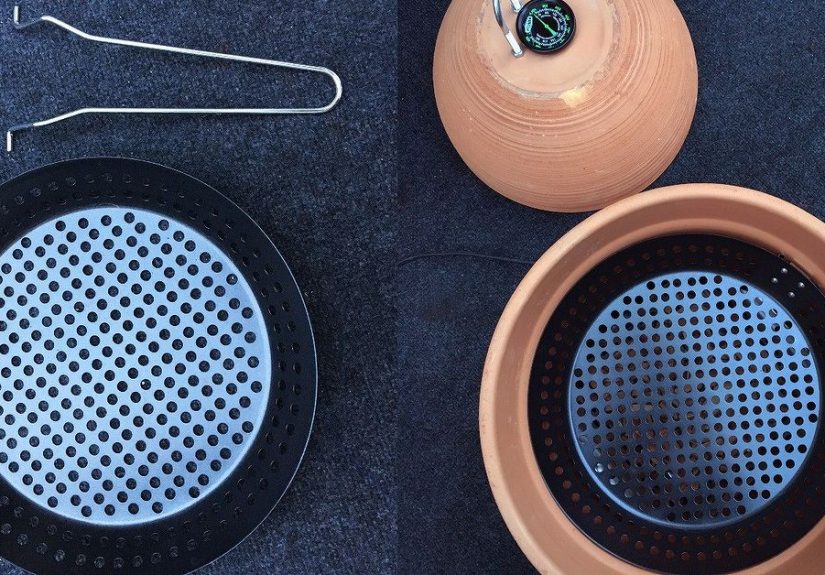
In practical terms, the setup usually includes:
- A stable heat source (often electric in DIY versions)
- A metal pan or tray to hold wood for smoke
- A grate or rack to hold food above the smoke source
- A lid and vent opening to control airflow
- A thermometer to monitor chamber temperature
Why Heat Retention Matters
One reason people like this setup is heat retention. Ceramic and clay hold heat better than many thin metal DIY containers. That means the smoker can recover slowly but steadily once it reaches its target range. The upside is stable cooking. The downside is that if you overshoot the temperature, it may take a while to bring it back down.
That slow recovery is one of the biggest beginner mistakes. People get curious, open the lid too often, and then wonder why the cook takes forever. A smoker is basically a patient person’s appliance. If you check it every five minutes, it becomes an expensive smoke machine for your backyard and not much else.
Before You Build or Use One
1) Treat It Like Cooking Equipment, Not Garden Decor
Terra cotta pots are sold for gardening, not all are intended for food-related heat use. If any part is glazed or decorative, readers should be cautious. Some ceramic glazes can contain lead or other contaminants, especially in pottery not manufactured for food use. For a smoker project, use plain, uncoated, undamaged materials from reliable manufacturers and avoid decorative pottery with unknown finishes.
2) Outdoor Use Only
This is non-negotiable. Charcoal and smoking setups produce carbon monoxide, and even outdoor smokers need open-air placement. Never use a smoker in a garage, shed, vehicle, tent, or enclosed patio. “But the door is cracked” is not a safety plan. It is a bad idea with a draft.
3) Keep Distance From Structures
Whether the smoker uses charcoal or an electric hot plate, it still generates heat, sparks, grease, and risk. Place it on a noncombustible surface and keep it well away from walls, siding, deck rails, overhangs, and anything else that likes to catch fire. A level outdoor surface is your friend. Dry leaves are not.
4) Use Real Temperature Monitoring
If there is one upgrade no one regrets, it is a good thermometer. In fact, smart setups use two: one for the smoker chamber and one for the meat. Guessing by color, smell, or “vibes” is a fun way to ruin dinner and potentially make people sick.
What an Adult-Safe Terra Cotta Smoker Setup Usually Includes
Again, not a step-by-step build tutorial here, but it helps to understand what a safe, functional setup generally includes so readers know what to look for in an adult-built version:
- Raised base support: Bricks or pavers lift the smoker off the ground and improve airflow.
- Internal heat source: Many DIY designs use an electric hot plate because it offers steady heat and simpler control than charcoal.
- Wood pan: A metal pan or tray holds chips or chunks that smolder for smoke flavor.
- Food grate: The grate must sit above the smoke source and remain stable under the food’s weight.
- Lid with venting: The smoker needs controlled airflow and a way for smoke to escape.
- Thermometer access: A chamber thermometer or probe route is essential for monitoring heat.
- Safety gear nearby: Heat-resistant gloves and a fire extinguisher are not “extra.” They are part of the setup.
Some builders also use an external temperature control approach for convenience, but the most important idea is consistency: stable airflow, stable heat, and stable food placement. If any part wobbles, slides, or overheats, the smoker is not ready for a full cook.
Smoking Meat Safely in a Small Ceramic Smoker
Know the Food Safety Zone
Low-and-slow cooking is great for flavor, but bacteria also love slow warming if you are careless. The key rule is to keep food out of the temperature danger zone for too long. That means proper thawing, refrigerator marinating, and prompt cooking are critical before the meat even goes near smoke.
For beginners, the safest approach is to smoke fully thawed cuts and keep prep simple. Do not thaw meat on the counter. Do not marinate at room temperature. And do not leave cooked meat hanging around while everyone takes photos like it’s a celebrity.
Use Safe Internal Temperatures
The smoker chamber temperature and the meat’s internal temperature are not the same thing. A smoker can look “hot enough” while the center of the meat is still unsafe. Always use a food thermometer and cook to safe internal temperatures.
Examples that matter for smoking:
- Poultry: 165°F
- Ground meats: 160°F
- Pork chops/roasts: 145°F with rest time
- Beef steaks/roasts: 145°F with rest time
- Fish: 145°F (or until it flakes and is opaque)
Small terra cotta smokers are often best for shorter cooks like fish, sausages, chicken parts, or smaller pork cuts. Large cuts with heavy fat rendering can be messy and harder to manage in a compact chamber. In other words, start with salmon or sausages before you try to become a brisket philosopher.
Manage Heat Without Over-Managing It
For smoking, a low, steady chamber temperature is the goal. On charcoal systems, many pitmasters target the classic “low and slow” zone around 225°F. In compact clay-pot setups, exact numbers vary, but the principle stays the same: steady heat beats spiky heat.
A few practical rules help:
- Preheat before adding food
- Avoid opening the lid unnecessarily
- Check chamber temperature regularly
- Use small adjustments, not dramatic ones
- Expect trial-and-error on the first few runs
Beginners often want to “help” the smoker by constantly poking at it. The smoker does not need help. It needs peace and a thermometer.
Common Mistakes Readers Should Avoid
Using the Wrong Pot or Damaged Pottery
Cracked or chipped terra cotta is a no-go for heat use. Damage can get worse during a cook, and unstable pottery is a risk. Decorative pieces with unknown coatings are also a bad choice. If the pot was meant to display petunias and sparkle in the sun, it is probably not your best smoker chamber.
Skipping a Dry Test Run
Every smoker setup should be tested empty before cooking food. A dry run helps confirm that the chamber can hold temperature, the smoke source works, and the support surfaces remain stable. This is also when adults can identify hot spots, wiring issues, or airflow problems without sacrificing dinner.
Choosing a Bad Location
Wind, uneven surfaces, foot traffic, and flammable surroundings can turn a fun project into a problem fast. A sheltered outdoor area with a noncombustible surface is ideal. Keep children, pets, and curious guests away from the smoker zone. Everyone loves smoked meat, but no one needs front-row seats to the hot hardware.
Trusting Time Instead of Temperature
Cooking time varies by cut, thickness, starting temperature, and weather. The phrase “smoke it for two hours” is a rough estimate, not a law of physics. Use a thermometer and cook to safe internal temperature, not to a clock.
Safer Alternatives for Readers Who Want the Flavor Without the DIY Build
If a reader likes the idea of smoked food but not the risk of building a DIY cooker, there are safer options:
- Use a charcoal kettle grill with indirect heat: A simple two-zone setup plus a water pan and wood chunks can produce excellent smoked flavor.
- Buy a small electric smoker: These are easier to control and made for the job.
- Use a pellet grill: More expensive, but beginner-friendly for temperature control.
- Smoke small items on an existing grill: Salmon, chicken wings, and sausages are great starting points.
For many households, the best “DIY smoker” is actually learning how to use the grill they already own. It is cheaper, safer, and less likely to end in a hardware-store run at dusk.
Experience Notes from Real-World Terra Cotta Smoker Users
One reason the terra cotta pot smoker idea keeps showing up in barbecue circles is that people are genuinely surprised when it works. The first reaction is usually skepticism: “There’s no way two flower pots and a heat source can make good smoked food.” Then someone tries it with salmon or sausage, and suddenly the backyard smells like a smokehouse and the doubters get very quiet.
A common experience is discovering how much the clay holds heat. Once the chamber warms up, it behaves less like a flimsy DIY contraption and more like a small ceramic cooker. That is the good news. The not-so-good news is that it also means temperature changes happen slowly. Users often report that the first cook teaches patience more than technique. If the smoker runs too hot, it won’t cool instantly. If it runs a little cool, it may take time to climb. The lesson is to make small adjustments and wait.
Another theme in user experiences is scale. People quickly learn that a terra cotta smoker is not a “cook for the whole neighborhood” machine. It shines on smaller items: salmon fillets, sausages, chicken pieces, and compact cuts of pork. Readers who try to cram in oversized cuts usually realize they are fighting limited space, uneven airflow, and drippings in a tight chamber. The setup can produce great food, but it rewards realistic expectations.
Many users also mention that the first successful cook depends less on the build and more on prep. Fully thawed meat, a refrigerator brine or marinade, a clean grate, and a thermometer make the difference between “wow” and “why is this chewy and weird?” In other words, the smoker is just the stage. The food safety habits and temperature control are the actual performance.
There is also a strong pattern in what people would do differently the second time. Most say they would test the setup longer before cooking, use better thermometers, and choose an easier first protein. That is smart. A short smoked salmon test teaches more than a five-hour mystery brisket adventure. Experienced users tend to start simple, take notes, and dial in their process over a few sessions.
Finally, the most valuable “experience” advice is boring but true: outdoor setup and safety matter as much as flavor. Stable base, clear space, no flammables nearby, gloves ready, and a fire extinguisher within reach. The best backyard cooks are the ones that end with good food and no emergency stories. Smoky bragging rights are fun. Calling the fire department is not.
Final Takeaway
A terra cotta pot meat smoker is one of the most creative DIY barbecue ideas around because it blends low-cost materials with real smoking principles. But it only works well when readers respect the fundamentals: safe materials, outdoor-only use, stable heat, proper airflow, and accurate temperature monitoring.
If you are publishing this topic for a broad audience, that is the angle worth emphasizing. The fun of the project is real. The flavor payoff is real. And the safety rules are very, very real. Teach readers those, and they will be far more likely to end up with tender smoked meat instead of a backyard science experiment gone wrong.