Table of Contents >> Show >> Hide
- Why a DIY Concrete Pumpkin Planter Is Worth Making
- What You Need for an Easy and Cheap Concrete Pumpkin Planter
- How to Choose the Right Mold
- Step-by-Step: How to Make a DIY Concrete Pumpkin Planter
- Best Plants for a Concrete Pumpkin Planter
- How to Keep the Project Cheap
- Common Mistakes to Avoid
- How to Style Your Finished Pumpkin Planter
- Experience and Lessons Learned From Making a DIY Concrete Pumpkin Planter
- Final Thoughts
Fall decorating has a funny way of turning reasonable adults into pumpkin collectors. One pumpkin for the porch becomes three. Three becomes seven. Before you know it, your front steps look like a squash convention. The good news is that at least one of those pumpkins can pull double duty as decor and a planter. Even better, you can make a DIY concrete pumpkin planter without fancy tools, a giant budget, or the kind of patience usually reserved for assembling flat-pack furniture.
If you love the look of rustic fall containers but do not love the price tags attached to boutique garden decor, this project hits the sweet spot. A concrete pumpkin planter feels substantial, looks custom, and lasts far longer than a carved pumpkin that starts looking suspiciously tired after a few warm afternoons. It also works with a wide range of styles, from farmhouse porches to modern minimal entryways to full-on “autumn exploded on my doorstep” decorating.
In this guide, you will learn how to make an easy and cheap DIY concrete pumpkin planter step by step, what materials work best, how to avoid the most common mistakes, and how to style the finished planter so it actually looks intentional instead of like a craft project that lost a fight with a bag of cement.
Why a DIY Concrete Pumpkin Planter Is Worth Making
A concrete pumpkin planter gives you the cozy charm of seasonal decor with a lot more staying power. Real pumpkins are adorable, but they are temporary. Faux pumpkins are reusable, but many lightweight versions look, well, suspiciously lightweight. Concrete adds texture, heft, and that expensive “picked this up at a specialty home store” vibe.
It is also one of those rare DIY projects that can be both cheap and impressive. You can use repurposed household containers as molds, mix only a small batch of concrete, and customize the size to fit your porch, patio table, mantel, or front steps. Small planters are especially budget-friendly because they do not need much material, and a single bag of mix can often handle multiple projects.
Another big win is flexibility. You can make your planter round and classic, squat and chunky, or tall and elegant. You can leave the finish raw and stone-like, sand it smooth, dry brush it for dimension, or seal it for a slightly richer tone. And once autumn passes, the container itself can still work as a neutral planter if you are not emotionally ready to say goodbye to pumpkin season. No judgment here.
What You Need for an Easy and Cheap Concrete Pumpkin Planter
Basic Materials
- Concrete mix or sand mix
- Two containers to use as molds, one larger and one smaller
- Cooking spray or another mold-release option
- Duct tape
- Water
- A mixing tub, bucket, or disposable container
- Rubber gloves, eye protection, and a dust mask
- Bricks, stones, or sand to weigh down the inner mold
- A drill with masonry bit if you want a drainage hole after curing
Optional Supplies for the Pumpkin Look
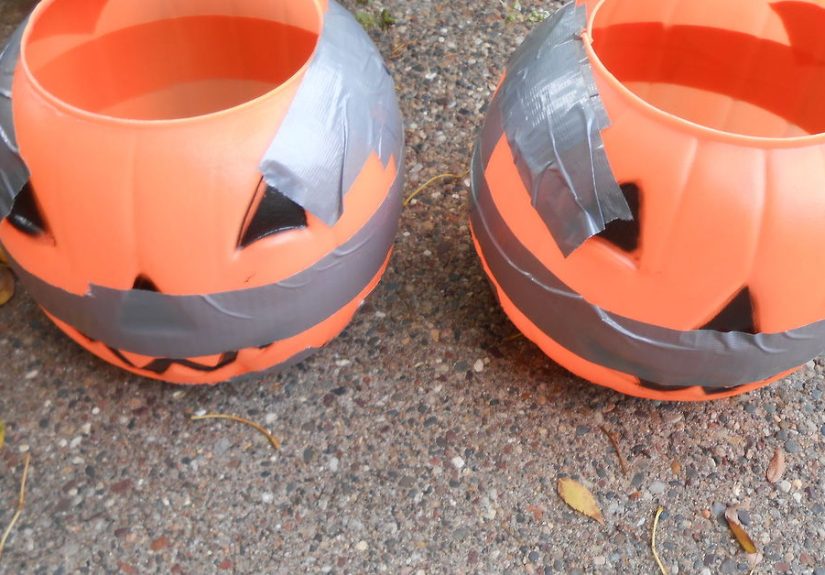
- Pumpkin-shaped plastic bowl, candy bucket, or seasonal mold
- Twine, thick rubber bands, or sculpting around the outside mold to suggest pumpkin ridges
- Fine-grit sandpaper
- Concrete sealer
- Outdoor paint, antiquing wax, or dry-brush paint for finishing
- Small cork, dowel, or tube to create a drainage opening during the pour
The best part of this cheap DIY planter project is that you do not need premium materials. In fact, this is a terrific use for dollar-store bowls, leftover buckets, old plastic tubs, or seasonal pumpkin containers. If it can hold shape long enough to become a mold, it is already auditioning for the job.
How to Choose the Right Mold
The mold makes the project. If you want the finished planter to read clearly as a pumpkin, look for a large plastic pumpkin bucket, a round bowl with shallow grooves, or a flexible seasonal container with a pumpkin silhouette. If you cannot find a perfect pumpkin shape, do not panic. You can fake the ridges by wrapping thick rubber bands or twine around the outside of the larger mold before you pour the mix. Once the concrete cures, those grooves create a subtle pumpkin effect that looks surprisingly convincing.
For the inner mold, choose a smaller container that leaves enough wall thickness for strength. Thin walls may look elegant for about five minutes, right up until they chip. Aim for a sturdy wall and a stable base so the finished planter can handle soil, moisture, and seasonal use without acting dramatic.
If your mold has holes or seams, seal them well. Concrete has a real talent for finding escape routes the moment you stop paying attention.
Step-by-Step: How to Make a DIY Concrete Pumpkin Planter
Step 1: Prep Your Workspace
Work outside or in a well-ventilated area. Concrete dust is not something you want floating around your kitchen like festive fall confetti. Put down a tarp or flattened cardboard, gather your supplies, and keep a rag and bucket of water nearby for cleanup. Wear gloves, eye protection, and a mask before you start mixing.
Step 2: Prepare the Molds
Coat the inside of the larger mold and the outside of the smaller mold with cooking spray. This helps the cured planter release more easily later. If you are adding pumpkin ridges with rubber bands or twine, secure those around the outside now. If you want a drainage hole formed during the pour, place a cork, dowel, or short piece of tubing in the center of the base area.
Step 3: Mix the Concrete
Add your concrete mix to a tub and slowly add water according to the package instructions. For a small decorative planter, you want a thick, workable consistency, not concrete soup. The mix should hold together when squeezed and stay shaped without crumbling. Too much water makes the mix easier to pour, but it can weaken the finished planter. In other words, resist the urge to “fix” the texture by turning it into gray pancake batter.
Step 4: Pour the Base
Add a layer of concrete to the bottom of the larger mold first. This becomes the planter’s base. Tap or bounce the mold gently on a firm surface to help release air bubbles. Tiny air pockets are normal and can even add rustic character, but large voids can weaken the planter and make it look less polished than you hoped.
Step 5: Insert the Inner Mold
Press the smaller container into the center of the wet concrete. Push it down carefully so it leaves enough thickness at the bottom. Then add more mix around the sides until you reach your desired height. Weight the inner mold with stones, sand, or bricks so it does not float upward. Use duct tape across the top if needed to hold it steady. If the inner mold drifts, your walls will be uneven, and your pumpkin planter will develop a lean that feels less charming and more “haunted gourd.”
Step 6: Smooth and Tap
Use a gloved hand, craft stick, or small trowel to smooth the top edge. Tap the sides of the mold again to release trapped air. At this point, the project may look messy, but concrete has a glow-up phase. Trust the process.
Step 7: Let It Cure
Set the mold aside and let the concrete harden fully. For many simple molded planters, waiting about 48 hours before removing the forms is a smart, safe approach. Larger or thicker pieces may need more time, especially in cool or humid weather. The secret here is patience. Do not demold early just because you are excited. Concrete does not respond well to impatience, and neither do corners, rims, or thin ridges.
Step 8: Remove the Molds
Once the concrete is firm, remove the inner container first, then the outer mold. Flexible plastic is easiest because you can cut or peel it away if necessary. If you used rubber bands or twine on the outside, remove them carefully and admire the pumpkin-like grooves that just appeared as if by seasonal magic.
Step 9: Add Drainage and Finish the Surface
If you did not create a drainage hole during the pour, drill one after the planter cures. Sand any rough edges lightly. You can leave the planter raw for a natural stone look, or finish it with a sealer, limewash effect, or light dry brushing to emphasize the pumpkin shape. A little aging effect can make the planter look more high-end and less freshly emerged from a utility bucket.
Best Plants for a Concrete Pumpkin Planter
The right planting choice depends on whether you want this piece indoors, outdoors, short-term, or season-spanning. For outdoor fall displays, ornamental kale, small mums, trailing ivy, pansies, heuchera, and grasses all work beautifully. For a low-maintenance option, succulents are especially popular in pumpkin-inspired arrangements because they fit the compact scale and photograph like tiny overachievers.
If your planter has no drainage hole, treat it as a decorative outer container instead of planting directly into it. Slip in a nursery pot, remove it when watering, and let it drain fully before returning it. That simple trick saves roots from sitting in soggy soil and saves you from wondering why a perfectly cute arrangement suddenly looks offended.
Use potting mix rather than garden soil. Potting mix is lighter and designed for containers, which helps moisture management and root health. In small decorative planters, soil choice matters more than people think. A heavy, dense soil can turn a cute arrangement into a waterlogged science experiment.
How to Keep the Project Cheap
The easiest way to lower the cost is to use what you already have. Old mixing tubs, leftover concrete, thrifted containers, seasonal candy buckets, and repurposed plastic bowls all reduce the project price fast. You do not need artisan molds or premium tools to get a great result.
Also, think small. A large statement planter is gorgeous, but a medium or tabletop version is cheaper, faster to mix, lighter to move, and easier to style. A trio of smaller concrete pumpkin planters often looks more intentional than one oversized piece anyway. It gives you dimension, layering, and the illusion that you definitely planned the whole display from the start.
If you have leftover mix, use it for mini companion pots, candle holders, or decorative pumpkin paperweights. Concrete is one of those materials that practically dares you to keep making things until every last bit is gone.
Common Mistakes to Avoid
Adding Too Much Water
A runny mix is easier to pour, but it can weaken the final planter. Stick to the recommended water range and aim for a thick, moldable consistency.
Using a Flimsy Mold
If the outer container buckles or the inner one shifts, your shape will suffer. Stable molds make the project much easier.
Skipping Release Spray
Concrete likes to cling. A simple coat of cooking spray saves a lot of prying, tugging, and regretting.
Forgetting Drainage
Planters need drainage unless they are being used as decorative sleeves for pots. Standing water is not a cute seasonal detail.
Demolding Too Early
Just because the top feels hard does not mean the entire planter is ready. Give it enough time to cure before handling or drilling.
How to Style Your Finished Pumpkin Planter
Once the planter is done, the fun part begins. A concrete pumpkin planter looks great on front steps paired with lanterns, stacked pumpkins, a plaid throw on a nearby bench, or a cluster of mums in complementary colors. On a dining table, it makes a beautiful fall centerpiece when planted with compact succulents, moss, or low ornamental foliage.
For a modern look, keep the planter gray and minimal, then fill it with deep burgundy foliage or chartreuse accents. For a farmhouse porch, pair it with natural wood, dried corn stalks, and warm orange or rust-colored flowers. For a softer, upscale look, make the planter in a pale gray or whitewashed finish and style it with dusty green eucalyptus, white pumpkins, and muted seasonal blooms.
You can also group planters in different heights. One low and round, one medium and ridged, one taller and smoother. That layered look creates a collected, designer feel without requiring a designer budget. Which is excellent news, because most of us are trying to create magazine-worthy porches while still pretending we only stopped at the garden center for one thing.
Experience and Lessons Learned From Making a DIY Concrete Pumpkin Planter
The first time I made a DIY concrete pumpkin planter, I learned two things very quickly. First, concrete has a personality. Second, that personality is “I will humble you if you rush me.” I started the project thinking it would be a breezy afternoon craft, the kind where you mix a few ingredients, pop on some music, and emerge two hours later with a flawless porch accessory. What I actually got was a valuable education in patience, mold prep, and the surprising importance of not eyeballing water like a cooking show contestant.
My first mold choice looked cute but was too flimsy. The outer pumpkin container bowed slightly once the mix went in, and the inner mold drifted off center because I underestimated how determined wet concrete is to move things around. The result was not terrible, but it definitely had character. One side was thicker than the other, and the top edge had a wobble that could only be described as “organic” if I was being generous. Still, once I planted it with a small mum and tucked it next to a lantern, it somehow looked charming. That was the moment I realized this project is forgiving. Even when it is not perfect, it can still be beautiful.
The second attempt went much better because I stopped trying to outsmart the process. I used sturdier plastic molds, sprayed them thoroughly, mixed the concrete more carefully, and took the time to tap out air bubbles. I also weighed down the inner mold properly instead of assuming it would stay put out of respect for my artistic vision. It did not, of course, but the rocks fixed that. When I finally demolded the second planter, the grooves were cleaner, the rim was smoother, and the whole thing looked far more intentional.
One of the best discoveries was how versatile the finished planter felt. I originally thought of it as a strictly fall project, but the neutral concrete finish made it useful far beyond Halloween. In early autumn, I filled it with ornamental kale and trailing ivy. Later, I swapped in mini pumpkins and moss for a Thanksgiving table display. After the season ended, I reused the planter with a small evergreen arrangement. Suddenly the “pumpkin planter” was not just seasonal decor. It had become a year-round container with excellent timing.
I also learned that small design tweaks make a big difference. Sanding the rim gave the piece a more refined look. Dry brushing a little lighter paint over the raised ridges made the pumpkin shape more visible without making it look fake. Adding feet underneath with small adhesive bumpers improved drainage and kept the base from sitting flat on a damp surface. None of those steps were complicated, but together they made the planter feel less like a first draft and more like something I would proudly leave on display.
Most of all, this project taught me that inexpensive DIY decor does not have to look cheap. A homemade concrete planter has weight, texture, and enough imperfection to feel handmade in the best way. It is practical, customizable, and honestly a lot more satisfying than buying yet another seasonal container that looks good for one month and then disappears into storage. If you are willing to embrace a little mess and give the material time to do its thing, a DIY concrete pumpkin planter can become one of those rare projects that is actually worth repeating. And yes, it may encourage you to make more than one. That is not a problem. That is called building a collection.
Final Thoughts
If you want fall decor that looks elevated without emptying your wallet, a DIY concrete pumpkin planter is a smart project to try. It is simple enough for beginners, customizable enough for seasoned DIY fans, and durable enough to outlast the average seasonal impulse purchase. With the right mold, a carefully mixed batch of concrete, and a little patience during curing, you can create a planter that feels custom, stylish, and genuinely useful.
The best version of this project is not necessarily the fanciest one. It is the one that works with your space, your budget, and your decorating style. Maybe yours ends up sleek and modern. Maybe it turns out rustic and charming. Maybe it is slightly lopsided but still gets compliments from everyone who comes to the door. That counts too. In the world of fall decorating, confidence is half the aesthetic.