Table of Contents >> Show >> Hide
- What Russian Traditional Headwear Inspires These Earrings?
- How the Headdress Becomes an Earring
- Why These Earrings Feel So Special
- How to Style Earrings Inspired by Russian Traditional Headwear
- What to Look for When Buying a Pair
- Cultural Appreciation Without Costume Confusion
- Why This Jewelry Trend Has Staying Power
- Experiences Related to Earrings Made in the Style of Russian Traditional Headwear
Some earrings whisper. These ones enter the room like they own the chandelier.
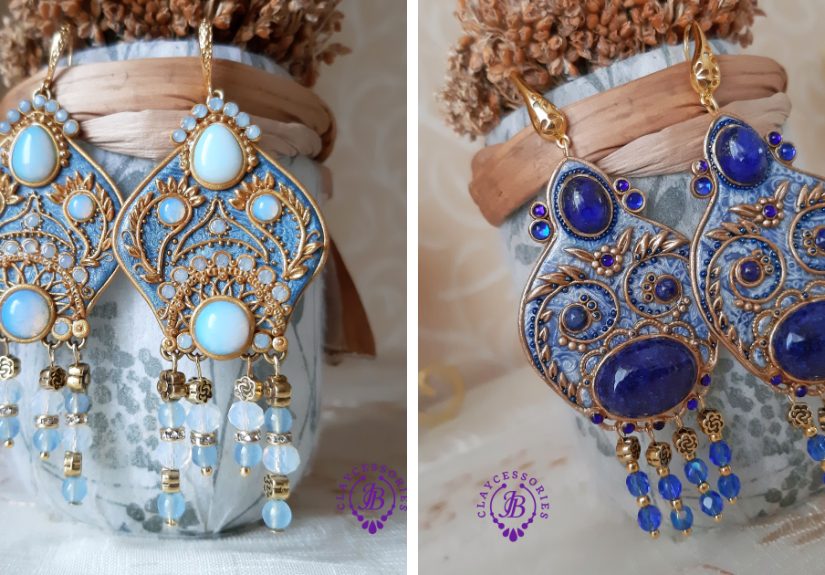
Earrings made in the style of Russian traditional headwear are dramatic, ornate, and weirdly elegant in the best possible way. They borrow their visual language from historic women’s headdresses such as the kokoshnik, bridal crowns, and beaded forehead bands that once framed the face with pearls, metallic embroidery, gemstones, and symbolic motifs. Translate those ideas into earrings, and you get jewelry that feels halfway between wearable art and a tiny architectural event dangling from each ear.
That is exactly why these earrings have such magnetism. They do not rely on plain sparkle alone. They bring shape, history, texture, and mood. A good pair can look regal without feeling stiff, romantic without turning sugary, and folkloric without becoming costume-shop chaos. In other words, they are the sort of earrings that make people ask, “Where did you get those?” instead of “Are those safe to stand near open flames?”
This style works because Russian traditional headwear was never shy. Historic festive pieces often featured arched silhouettes, heavy embellishment, pearls, beadwork, gold thread, velvet, and region-specific decoration. Modern earring designers borrow those elements and shrink them into face-framing forms: fan-shaped drops, halo chandeliers, crescent silhouettes, pearl fringe, embroidered-looking metalwork, and jewel colors that echo old ceremonial dress. The result is bold, feminine, and surprisingly versatile when styled with intention.
What Russian Traditional Headwear Inspires These Earrings?
The biggest influence is the kokoshnik, the famous Russian headdress with a high, often arched or crescent-like front that frames the head. Historically, kokoshniks could be made from luxurious fabrics like damask or velvet and embellished with gold embroidery, pearls, and stones. Some regions favored freshwater pearls; others leaned more heavily into wool embroidery or other local materials. In plain English: even before earrings entered the conversation, the original headwear already understood the assignment.
Another important influence is the venchik, a forehead band or crownlike element often worn with other headpieces. Some historic forms left part of the hair visible, while others fully covered it, reflecting marital customs and modesty rules. This matters for jewelry design because it explains why so many earrings inspired by Russian headwear focus on the face line, forehead arc, or temple-to-temple curve. Designers are not just borrowing decoration. They are borrowing geometry.
Bridal headdresses also play a role. Wedding pieces were especially lavish, often loaded with pearls, metallic thread, symbolic motifs, and layered ornament. If you have ever seen earrings with tiny pearl tassels, a crown-like upper curve, and a rich red-and-gold palette, chances are they are channeling that bridal energy. These designs are not random. They are miniature echoes of ceremonial dress traditions.
How the Headdress Becomes an Earring
1. The silhouette gets scaled down
The first thing designers borrow is shape. A kokoshnik-inspired earring usually has one of a few recognizable outlines: a fan, an arch, a halo, a pointed crescent, or a layered sunburst. Even when the earring is not literally shaped like a headdress, it often creates the same visual effect by rising slightly above the lobe, curving outward, or tapering downward in a graceful frame.
This is what makes the style feel different from an ordinary chandelier earring. Instead of just hanging, it composes the face. It acts almost like a decorative border. That face-framing quality is one of the reasons these earrings photograph so well and feel so polished with swept-back hair.
2. Ornament replaces minimalism
If minimalist jewelry is a black coffee, this style is a dessert cart with opinions. Earrings inspired by Russian traditional headwear tend to celebrate detail: faux embroidery rendered in filigree, tiny bead borders, raised floral motifs, granulation, enamel accents, crystal fringe, seed pearls, and gemstone clusters. Historically inspired color palettes often include gold, ivory, ruby red, royal blue, forest green, and black for contrast.
Pearls are especially important. In the visual tradition behind these designs, pearls were not just decorative extras. They were often central to the look, whether sewn into headdresses, used in ruffles, or arranged in patterns that caught candlelight and movement. Today, that influence shows up in pearl drops, pearl edging, and pearl clusters that soften the strong structure of the metalwork.
3. Textile ideas get translated into metal
One of the cleverest things about these earrings is that they often imitate textiles without actually being textiles. Gold-tone metal can stand in for gold thread. Openwork metal can mimic lace or net embroidery. Enamel can hint at richly dyed fabric. Tiny chains or bead fringe can recreate the movement of pearl ruffles and veils. So even when the earrings are made of brass, silver, gold plate, or contemporary alloys, they still feel rooted in a fabric-and-needlework tradition.
Why These Earrings Feel So Special
Part of the appeal is visual drama, obviously. But the deeper appeal is that these earrings tell a story. They suggest ceremony, craftsmanship, and memory. They feel handmade even when they are not. They feel heirloom-adjacent even when they were bought last Thursday.
They also occupy a sweet spot in fashion: ornamental, but not old-fashioned when styled well. A pair of kokoshnik-inspired drops can work with a modern black dress, a bridal look, a winter formal outfit, a sleek blouse and trousers, or even a crisp white shirt when the earrings are allowed to be the star of the show. This is statement jewelry, yes, but not the kind that requires the rest of your wardrobe to audition for a historical pageant.
And let’s be honest: a lot of modern jewelry has the personality of unsalted rice cakes. These earrings do not have that problem.
How to Style Earrings Inspired by Russian Traditional Headwear
Keep the outfit cleaner than the earrings
The easiest way to wear this style without looking overloaded is to let the earrings handle the storytelling. Pair them with simple necklines, clean fabrics, and minimal competing accessories. Satin, velvet, crepe, and fine knitwear work especially well because they support the richness of the earrings without fighting for attention.
Use hair strategically
These earrings are face architecture, so show them off. Sleek buns, low chignons, soft waves tucked behind the ear, and ponytails all work beautifully. If the earrings have pearl fringe or a high arched top, pulled-back hair lets the shape read clearly from the front and side.
Match mood, not just color
You do not need to match every red stone to your lipstick or every pearl to your blouse. It is smarter to match the mood of the earrings. Regal earrings like structured gowns, tailored separates, rich textures, and intentional beauty styling. They can also look amazing with contrast, such as a minimalist black turtleneck or a sharply cut ivory blazer. The tension between old-world ornament and modern restraint is where the magic happens.
Great for weddings and festive dressing
Because the source material includes bridal and ceremonial headwear, these earrings are naturally at home in special-occasion wardrobes. They work particularly well for winter weddings, holiday parties, gallery events, and any occasion where “a tasteful amount of drama” is part of the plan. Bridal stylists can use them as an alternative to tiaras for brides who want historical romance without placing a small palace on their head.
What to Look for When Buying a Pair
Not all earrings inspired by Russian traditional headwear are created equal. Some are glorious. Some look like they lost a fight with a craft bin. Here is what separates the keepers from the chaos:
Balanced proportions
The top of the earring should feel composed, not bulky. If the design references an arched headdress, the curve should be elegant and readable, not awkwardly wide or painfully pointy.
Thoughtful texture
Look for layered details that resemble embroidery, beadwork, or textile richness. Flat metal with random rhinestones may sparkle, but it will not carry the same visual depth.
Good movement
Pearl fringe, chain tassels, and articulated drops should move cleanly. Movement adds life and helps the earring echo the softness of fabric-based ceremonial dress.
Comfort matters
This style can get heavy fast. Check the size, backing, and weight. A gorgeous earring that turns your earlobes into exhausted little trapeze artists by lunchtime is not a triumph.
Cultural credit
The best contemporary designs acknowledge their inspiration rather than treating it as a vague “ethnic” mood board. If a designer references kokoshnik forms, pearl embroidery traditions, or Russian festive costume directly and respectfully, that is usually a good sign.
Cultural Appreciation Without Costume Confusion
There is a difference between drawing inspiration from traditional design and flattening it into stereotype. Earrings made in the style of Russian traditional headwear work best when they honor the craftsmanship, silhouette, and symbolism of the original pieces rather than turning culture into caricature. A respectful design borrows structure, materials, and ornament intelligently. A lazy design just slaps on a few beads and hopes nobody asks questions.
For shoppers, the smartest approach is curiosity. Learn what the kokoshnik is. Notice how pearl work, embroidery, and regional motifs shaped the look. Understand that traditional dress was tied to ritual, status, and identity. That knowledge makes the jewelry more beautiful, not less, because it adds depth to what might otherwise be dismissed as “fancy earrings with extra feelings.”
Why This Jewelry Trend Has Staying Power
Fashion keeps circling back to pieces that feel expressive, handcrafted, and rooted in history. Earrings inspired by Russian traditional headwear check every one of those boxes. They offer romance without mushiness, drama without gimmickry, and historical flavor without requiring a full costume commitment. They can read bridal, editorial, formal, artistic, or simply unforgettable depending on how they are worn.
Most importantly, they give jewelry back some imagination. Instead of asking only, “Does this match?” they invite better questions: “What does this reference?” “What mood does it create?” “What story does it tell?” That is the difference between an accessory and a statement piece. One finishes an outfit. The other gives it a point of view.
So yes, earrings made in the style of Russian traditional headwear are beautiful. But their real charm is that they are beauty with structure, history with sparkle, and tradition translated into something wearable now. Which, frankly, is a lot more exciting than another tiny gold hoop pretending to be revolutionary.
Experiences Related to Earrings Made in the Style of Russian Traditional Headwear
The experience of wearing these earrings is very different from wearing ordinary dress jewelry. First, you notice the framing effect. The moment you put them on, the face looks more deliberate, almost as if the jewelry has drawn a decorative border around your features. That is one reason people often save this style for moments when they want to feel composed and memorable. A mirror check becomes less about “Do these go with my outfit?” and more about “Okay, wow, now I need to stand up straighter.”
There is also the experience of movement. Earrings inspired by traditional Russian headwear often include fringe, pearl drops, layered metalwork, or articulated sections that respond to every turn of the head. In motion, they catch light in a softer and more interesting way than plain crystal drops. At a dinner, reception, or evening event, they can shift from regal to playful in seconds. You laugh, turn, and suddenly the earrings do their own tiny performance. Not enough to steal the show, but enough to make the lighting feel personally invested in your success.
Another common experience is that these earrings start conversations. People may not know the term kokoshnik, but they recognize that the design feels historical, ornate, and intentional. Someone asks if the earrings are vintage. Someone else guesses they are inspired by a tiara. Someone inevitably says, “Those look like they belong in a museum, in a good way.” That reaction makes sense, because the style carries visible traces of ceremonial dress and textile craftsmanship. Even when modernized, it does not look generic.
There is also a styling lesson that comes with wearing them: they teach restraint. The first instinct may be to add more sparkle, a heavier necklace, maybe a dramatic hair accessory, and before you know it the entire outfit is one bad decision away from community theater royalty. But once you live with these earrings, you realize they are best when given room. A sleek dress, a clean neckline, and simple makeup often make them look richer and smarter. In that way, they train the wearer to style with intention instead of panic-accessorizing.
Photographs are another part of the experience. These earrings tend to look especially strong in three-quarter profile because the arch, fringe, and face-framing structure become more visible from the side. In still photos, they can make an outfit look more expensive and complete. In candid photos, they add movement and focus. That is why they appeal to brides, performers, stylists, and anyone attending an event where looking polished from multiple angles actually matters.
Finally, there is the emotional side. Jewelry inspired by traditional headwear often feels ceremonial, even when worn with a modern outfit. It can make a person feel dressed for an occasion rather than merely dressed at an occasion. That difference is subtle, but powerful. The earrings do not just decorate; they create atmosphere. They bring a sense of heritage, artistry, and occasion that many modern accessories never quite achieve. And that may be the most memorable experience of all: wearing something that feels both ornamental and meaningful, bold and graceful, historic and completely alive in the present.