Table of Contents >> Show >> Hide
- Why Make Flowers Out of Baby Socks?
- Supplies You Will Need
- How to Make Flowers Out of Baby Socks: 14 Steps
- Step 1: Wash Your Hands and Clear a Flat Workspace
- Step 2: Separate the Socks and Decide Your Color Pattern
- Step 3: Flatten One Sock With the Toe Facing You
- Step 4: Fold the Toe Slightly at an Angle
- Step 5: Roll the Sock From Toe to Cuff
- Step 6: Shape the Center of the Rose
- Step 7: Fold the Cuff Around the Roll
- Step 8: Secure the Base Without Damaging the Sock
- Step 9: Add a Stem
- Step 10: Wrap the Stem With Floral Tape
- Step 11: Add Leaves or Filler
- Step 12: Repeat Until You Have Enough Flowers
- Step 13: Arrange the Baby Sock Bouquet
- Step 14: Wrap, Label, and Gift It
- Baby Sock Flower Design Ideas
- Safety Tips for Baby Sock Flowers
- Common Mistakes and How to Fix Them
- Real-Life Experience: What I Learned Making Baby Sock Flowers
- Conclusion
Baby sock flowers are the rare DIY gift that manages to be adorable, affordable, useful, and only mildly suspicious when someone says, “I made this bouquet out of socks.” Unlike real flowers, they do not wilt, shed petals, or dramatically collapse on the way to a baby shower. Better yet, the new parents can actually use the socks after the party, assuming you do not glue them into a permanent sculpture worthy of a museum wing.
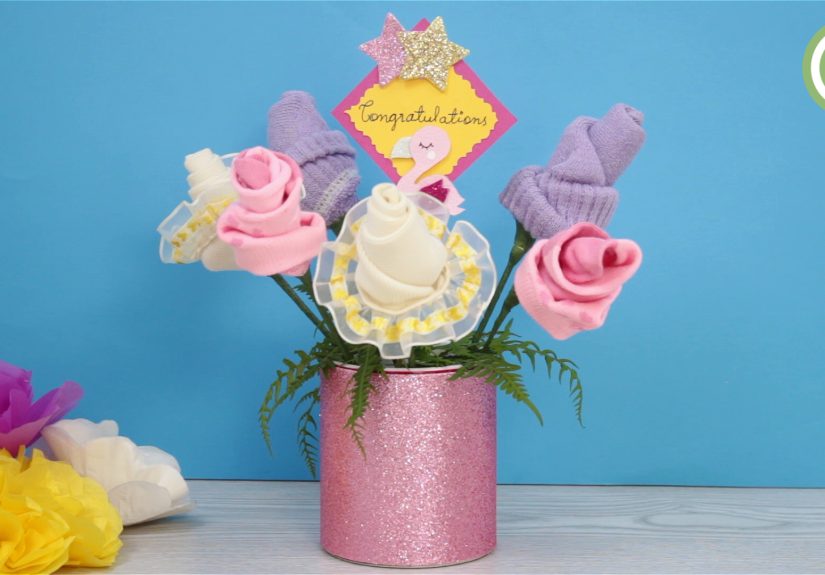
This guide shows you how to make flowers out of baby socks in 14 simple steps. You will learn how to roll tiny socks into rosebuds, secure them safely, add stems, arrange them into a baby sock bouquet, and finish the gift so it looks polished rather than like laundry had a meeting with a craft drawer. The project is beginner-friendly, no-sew optional, and easy to customize for a baby girl, baby boy, twins, gender-neutral shower, spring centerpiece, hospital welcome basket, or “I forgot the shower was today but I own ribbon” emergency.
Important note: This DIY baby shower gift is decorative. Before the socks are used on a baby, an adult should remove all floral wire, tape, pins, skewers, ribbons, faux leaves, charms, and any other craft materials. Keep small parts away from babies and toddlers.
Why Make Flowers Out of Baby Socks?
A DIY baby sock rose bouquet is a clever twist on the classic baby shower gift. Socks are always useful because babies have a magical talent for losing one sock while sitting perfectly still. Turning those socks into flowers makes the gift feel personal, thoughtful, and photo-ready.
Baby sock flowers also work beautifully as baby shower centerpieces, gift basket fillers, diaper cake decorations, corsages for the parent-to-be, or small favors for guests. You can make one sweet rosebud or a full bouquet that looks like it came from a boutiqueexcept this bouquet can eventually go on tiny feet.
Supplies You Will Need
- 6 to 12 pairs of baby socks, preferably thin and stretchy
- Floral wire, wooden skewers, paper straws, or baby spoons for stems
- Floral tape or soft green washi tape
- Double-sided tape, rubber bands, or a needle and thread
- Scissors or wire cutters
- Faux leaves, baby’s breath, tulle, tissue paper, or greenery
- A vase, mason jar, small basket, gift box, or pail
- Ribbon, gift tag, kraft paper, muslin cloth, or cellophane for wrapping
Choosing the Best Baby Socks
For the prettiest sock roses, choose socks that are soft, flexible, and not too bulky. Thin cotton baby socks roll more neatly than thick athletic socks. Solid colors create a classic rose look, while patterned socks add personality. White socks look like garden roses, pink socks create a sweet traditional bouquet, yellow socks look cheerful, and gray, cream, sage, or tan socks make an elegant gender-neutral gift.
Newborn or 0–6 month socks are easiest for small rosebuds. Larger baby socks can still work, but they create fuller blooms. If you are using grippy socks, roll carefully so the rubbery dots do not interrupt the petal effect.
How to Make Flowers Out of Baby Socks: 14 Steps
Step 1: Wash Your Hands and Clear a Flat Workspace
Start with a clean table and dry hands. Since the socks may later be worn by a baby, avoid working near food crumbs, glitter explosions, pet hair, or the mysterious sticky spot that appears on every craft table. Lay out your supplies so you can roll, tape, and arrange without hunting for scissors under a pile of ribbon.
Step 2: Separate the Socks and Decide Your Color Pattern
Lay the socks flat and sort them by color. Decide whether you want a single-color bouquet, alternating colors, or a mixed garden look. For example, use six white socks and six blush pink socks for a soft rose bouquet, or combine cream, sage, and yellow for a sunny neutral arrangement. If you are making a centerpiece, odd numbers of flowers often look naturaltry 7, 9, or 11 blooms.
Step 3: Flatten One Sock With the Toe Facing You
Place one baby sock on the table with the toe pointing toward you and the cuff pointing away. Smooth the sock with your fingers. If the cuff is folded over, unfold it so the sock lies as flat as possible. This gives you more fabric to wrap around the rosebud later.
Step 4: Fold the Toe Slightly at an Angle
Take the toe end and fold it over just a little, at a slight diagonal. This small angled fold helps the center of the flower look more like a rosebud instead of a rolled-up sock burrito. Do not overthink it. Roses in nature are not perfectly symmetrical, and neither is anything made by a human five minutes before a baby shower.
Step 5: Roll the Sock From Toe to Cuff
Begin rolling the sock from the toe toward the cuff. Keep the bottom edge fairly even while allowing the top edge to loosen slightly. A tight roll creates a small bud; a looser roll creates a fuller flower. The key is gentle tension. If you roll too tightly, the flower looks stiff. If you roll too loosely, it may open like it just heard gossip.
Step 6: Shape the Center of the Rose
Once the sock is rolled, hold the base between your fingers and look at the top. Gently tug the center upward if you want a taller rosebud. Lightly press the top outward if you prefer a flatter bloom. This is where baby sock flowers become charming: each one can look a little different, just like real flowers in a bouquet.
Step 7: Fold the Cuff Around the Roll
Take the cuff or open end of the sock and fold it back around the base of the roll. This creates the outer petal layer and helps hold the rose shape together. If the sock has a stretchy cuff, it may hug the rose naturally. If it resists, coax it gently. Baby socks are small, but they do have opinions.
Step 8: Secure the Base Without Damaging the Sock
Secure the base with a small piece of double-sided tape, a loose rubber band, a few hand stitches, or floral tape. If you want the socks to remain completely wearable, avoid hot glue. Tape or thread is easier for the parent to remove later. If using thread, make only a few small stitches through the base, not through the whole rose.
Step 9: Add a Stem
Choose your stem material. Floral wire is flexible and easy to arrange, wooden skewers are sturdy, paper straws are cute, and baby spoons are extra practical because they become part of the gift. Place the stem against the base of the sock flower. If using wire, do not push it through the sock aggressively; place it alongside or gently tuck it into the base so the fabric is not snagged.
Step 10: Wrap the Stem With Floral Tape
Hold the flower base and stem together. Start wrapping floral tape just below the bloom, pulling the tape slightly as you wrap so it sticks to itself. Continue down the stem in a spiral. Floral tape works best when stretched, so do not simply lay it on like a sleepy bandage. Wrap firmly enough to secure the flower, but not so tightly that the sock becomes hard to undo.
Step 11: Add Leaves or Filler
Tuck a faux leaf, small fern piece, or sprig of baby’s breath near the base of the flower and wrap it into place with floral tape. Leaves make the sock rose look more realistic and help hide the base. For a soft baby shower look, tulle or tissue paper can also work as filler. Keep decorations tasteful and easy to remove.
Step 12: Repeat Until You Have Enough Flowers
Repeat the process with the remaining socks. One pair makes two flowers if you roll each sock separately. You can also roll two matching socks together for a fuller bloom, but single socks are easier for beginners. As you finish each flower, place it in a jar so the blooms stay upright and do not wander off into the craft wilderness.
Step 13: Arrange the Baby Sock Bouquet
Place your stems in a vase, mason jar, small pail, gift basket, or wrapped bouquet. For a vase arrangement, create a simple tape grid across the opening to help hold the stems in place. Put the tallest stems in the center or back, then add medium and shorter stems around them. Add greenery or tissue paper to fill gaps. The bouquet should look full but not crowded, like a garden party rather than a sock traffic jam.
Step 14: Wrap, Label, and Gift It
Finish the bouquet with ribbon, tulle, kraft paper, muslin, or cellophane. Add a gift tag that says something sweet and practical, such as “Baby sock bouquetremove stems and tape before use.” This tiny note prevents confusion later and makes the gift more helpful for busy new parents. If you are bringing the bouquet to a shower, transport it upright in a box or cup holder so it does not roll around in the car like a floral tumbleweed.
Baby Sock Flower Design Ideas
Classic Rose Bouquet
Use white, blush, or pale yellow socks with faux green leaves and a satin ribbon. This style looks elegant and works well for traditional baby showers, christenings, and hospital visits.
Gender-Neutral Garden Bouquet
Combine cream, sage, mustard, tan, and soft gray socks. Wrap the bouquet in brown kraft paper and tie it with cotton twine for a modern, earthy look.
Twins Bouquet
Use two coordinated color palettes, such as blue and green, pink and cream, or yellow and gray. Make an even number of flowers and place two larger blooms in the center to represent the twins.
Baby Sock Corsage
Instead of a full bouquet, make three small sock roses and attach them to faux leaves with thread or floral tape. Add ribbon and pin the corsage to a sash, chair, or gift basket. Avoid pinning heavy corsages to delicate clothing; sock flowers can be surprisingly weighty for something that started life as miniature laundry.
Diaper Cake Decoration
Baby sock roses make charming toppers for diaper cakes. Use short stems and tuck them between diaper layers. Make sure no wire pokes the diapers, and include a note explaining how to remove the flowers before using the diapers or socks.
Safety Tips for Baby Sock Flowers
Because this project involves decorative materials, treat the finished bouquet as a gift presentation, not a baby toy. Floral wire, skewers, pins, faux leaves, ribbons, charms, small rubber bands, and tape should always be removed by an adult before the socks are used. Babies and toddlers explore the world with their mouths, so small or detachable parts should never be left within reach.
If you want the safest possible version, skip charms and pins, use paper straws instead of wire, and secure the flowers with soft ribbon or removable paper tape. Keep the bouquet on a gift table, mantel, or counter until the parent takes it apart. The goal is simple: cute for the party, useful afterward, and absolutely not something the baby can dismantle like a tiny detective.
Common Mistakes and How to Fix Them
The Flower Looks Too Tight
Unroll it and start again with less tension. A baby sock rose should have a soft, rounded shape. If it looks like a cinnamon roll under pressure, loosen your grip.
The Flower Keeps Falling Apart
Use a small rubber band at the base before wrapping with floral tape. You can also add one or two tiny stitches through the lower part of the sock. Avoid glue if the parent will use the socks later.
The Stem Wobbles
Wrap the base more firmly with floral tape, or use two thin stems together. If you are using baby spoons, tuck the spoon handle deeper into the base and secure it with tape below the bloom.
The Bouquet Looks Flat
Vary stem heights. Put the tallest flowers in the center or back, then stagger the rest. Add greenery, tissue paper, or tulle around the bottom to create volume and softness.
Real-Life Experience: What I Learned Making Baby Sock Flowers
The first time you make flowers out of baby socks, you may feel extremely confident for about seven seconds. Then the first sock rose will unroll in your hand, and you will question whether babies truly need socks at all. Do not panic. The secret is that the first flower is usually the “practice pancake” of the project. By the third rose, your fingers understand the motion, and by the sixth, you may begin considering whether every future gift should be sock-based.
One practical lesson is that sock thickness matters more than color. The prettiest pattern in the package may not make the prettiest flower if the fabric is too bulky. Thin, stretchy socks roll smoothly and create a cleaner rose shape. Thick socks make chunkier blooms, which can still look cute, but they work better as large focal flowers than delicate rosebuds. If your bouquet looks uneven, use the bigger blooms in the middle and smaller ones around the outside. Suddenly, it looks intentional. Crafting is often just mistake management with ribbon.
Another helpful experience is to make more flowers than you think you need. A vase that looks tiny on the table can swallow seven sock roses like a magician. If you only have a few socks, add filler: faux eucalyptus, tissue paper, tulle, baby washcloths rolled into flowers, or even small baby spoons used as stems. The filler helps the bouquet look generous without requiring you to buy every sock in the baby aisle.
Transport is also worth planning. A baby sock bouquet may look sturdy, but it can tilt, spin, or shed a leaf if tossed onto a car seat. Place it in a box with tissue around the base, or carry it in a cup holder if it is arranged in a mason jar. If you are bringing it to a shower, add the final bow after travel so it stays fluffy and photogenic.
Finally, include a small instruction tag. New parents receive many cute gifts, and some are so decorative that nobody knows whether they are supposed to use them, display them, or preserve them forever in a closet of sentimental confusion. A simple note“Remove tape, stems, and decorations before using socks”turns your bouquet from merely adorable into genuinely thoughtful. That is the sweet spot of this craft: it looks special at the party and becomes practical later. Real flowers are lovely, but baby sock flowers have the advantage of becoming laundry, and new parents always have room for more laundry.
Conclusion
Learning how to make flowers out of baby socks is a simple way to turn an everyday baby essential into a memorable handmade gift. With a few pairs of socks, floral tape, stems, greenery, and ribbon, you can create a baby sock bouquet that looks charming on the gift table and remains useful long after the shower decorations come down.
The best part is that this project is forgiving. If one rose is too loose, re-roll it. If the bouquet looks sparse, add tulle or leaves. If your first attempt looks like a sock pretending to be a cabbage, keep going. By the end, you will have a soft, sweet, practical gift that says, “I made something special,” without requiring a sewing machine, a craft degree, or a second mortgage at the florist.
Note: This article is written for web publishing and practical DIY use. The finished baby sock flowers are decorative gift pieces; all craft materials should be removed before the socks are given to or used on a baby.