Table of Contents >> Show >> Hide
- Why Instagram Is Still a Powerful Money-Making Platform
- 1. Make Money With Sponsored Instagram Posts
- 2. Earn Through Affiliate Marketing
- 3. Sell Your Own Products on Instagram
- 4. Sell Digital Products
- 5. Offer Services Through Instagram
- 6. Use Instagram Subscriptions and Fan Support
- 7. Earn From Badges, Gifts, and Bonuses
- 8. Create User-Generated Content for Brands
- 9. Drive Traffic to a Blog, YouTube Channel, Podcast, or Newsletter
- 10. Build Brand Collaborations and Long-Term Partnerships
- How to Prepare Your Instagram Account for Monetization
- Legal and Financial Basics You Should Not Ignore
- Common Mistakes That Stop Creators From Making Money
- Practical Experience: What Actually Works When Making Money on Instagram
- Conclusion
Instagram used to be the place where people posted sunsets, brunch plates, and blurry concert videos that looked like they were filmed during an earthquake. Today, it is also a serious income engine. Creators, small businesses, coaches, photographers, designers, fitness instructors, food bloggers, and even very opinionated houseplant people are using Instagram to build audiences and turn attention into revenue.
But here is the truth nobody should skip: making money on Instagram is not as simple as posting a selfie, waiting for the algorithm fairy, and waking up to brand deals in your inbox. Instagram income usually comes from a mix of smart content, audience trust, clear positioning, and multiple monetization streams. The creators who do best are not always the ones with the biggest follower counts. They are the ones who understand what their audience wants, what brands value, and how to convert engagement into real business results.
This guide explains how to make money on Instagram in practical, realistic ways. Whether you have 500 followers, 5,000 followers, or a community large enough to make your phone battery panic, the principles are the same: build trust, create useful content, choose the right income model, and treat your page like a tiny media company with better lighting.
Why Instagram Is Still a Powerful Money-Making Platform
Instagram remains one of the most valuable platforms for creators because it combines visual discovery, short-form video, shopping behavior, private messaging, and community interaction in one place. People do not just browse Instagram to be entertained; they look for outfit ideas, recipes, travel tips, workouts, product recommendations, business advice, home decor inspiration, and “why is my dog doing this?” explanations.
That behavior creates commercial intent. If someone follows a skincare creator for honest product reviews, a home cook for easy dinner ideas, or a finance educator for budgeting advice, they are already paying attention to recommendations. That attention can become income through affiliate links, sponsored posts, digital products, subscriptions, services, coaching, merchandise, and direct sales.
The key is not to monetize too early or too aggressively. Nobody likes following a creator who suddenly turns every post into a digital yard sale. The winning strategy is to make content that people would enjoy even if there were no product attached. Then, when you do recommend something, it feels helpful instead of pushy.
1. Make Money With Sponsored Instagram Posts
Sponsored content is one of the most popular ways to make money on Instagram. A brand pays you to create a post, Reel, Story, carousel, or collaboration that introduces its product or service to your audience. This can include product reviews, tutorials, unboxings, lifestyle photos, educational videos, or behind-the-scenes content.
How sponsored content works
A brand may contact you directly, or you may pitch brands yourself. In a typical deal, you agree on the deliverables, usage rights, posting date, talking points, fee, and disclosure requirements. For example, a fitness creator might create a Reel showing a 20-minute home workout using resistance bands from a brand. A food creator might make a recipe using a specific sauce. A travel creator might highlight a boutique hotel stay.
The strongest sponsored posts do not feel like commercials. They feel like useful content with a sponsor naturally included. Think: “Here is how I pack for a three-day trip using one carry-on,” not “Here is a suitcase. Please clap.”
How much can you charge?
Rates vary widely based on niche, audience size, engagement rate, content quality, usage rights, exclusivity, and whether the brand wants to run your content as an ad. A creator with 3,000 engaged followers in a profitable niche can sometimes earn more than a creator with 30,000 sleepy followers who only show up for giveaways.
A practical pricing method is to calculate your base content fee, then add charges for extras such as whitelisting, paid ad usage, multiple revisions, raw footage, exclusivity, or long-term licensing. Your time matters. Your creative skill matters. Your audience trust matters. Charge like you believe those things, because brands certainly do when your post starts driving sales.
2. Earn Through Affiliate Marketing
Affiliate marketing lets you earn a commission when someone buys through your unique link or discount code. It is one of the best ways to monetize Instagram because it does not always require a huge audience. It requires the right audience and the right recommendation.
For example, a tech creator can share a link to a microphone used for podcasting. A beauty creator can recommend a moisturizer. A parenting creator can share a stroller organizer that saved their sanity during a grocery store meltdown. When followers purchase through the link, the creator earns a percentage of the sale.
Where to place affiliate links
Instagram offers several natural places to promote affiliate products: Stories, link stickers, bio links, Reels captions, broadcast channels, pinned comments, and product-focused carousels. Creators can also use a link-in-bio landing page to organize recommendations by category, such as “camera gear,” “kitchen favorites,” “workout tools,” or “books I actually finished.”
The best affiliate content explains why a product is useful. Do not just say, “Buy this.” Say, “This tripod folds small enough to fit in my backpack, holds my phone steady for Reels, and stopped me from balancing my phone on a cereal box like a desperate filmmaker.” Specificity sells because it sounds real.
Affiliate marketing tip
Promote fewer products with more conviction. A page that recommends everything starts to feel like a shopping channel trapped in a smartphone. A page that recommends carefully chosen tools, products, or services builds trust. Trust is the currency. The commission is just the receipt.
3. Sell Your Own Products on Instagram
If you already have a product-based business, Instagram can become a powerful storefront. You can sell physical products such as clothing, candles, art prints, skincare, jewelry, fitness equipment, books, handmade goods, or home decor. You can also use Instagram to drive traffic to your ecommerce website.
Product sellers should think beyond pretty photos. A good Instagram sales strategy includes product demos, customer testimonials, comparison posts, behind-the-scenes clips, packaging videos, founder stories, frequently asked questions, and Reels that show the product solving a real problem.
Example: selling a physical product
Imagine you sell handmade ceramic mugs. A basic product post might show the mug on a table. Nice, but forgettable. A stronger post might show the mug being pulled from the kiln, glazed by hand, packed for shipping, then used during a cozy morning coffee routine. Now the mug has a story. And suddenly, your audience is not just buying ceramic. They are buying a tiny emotional upgrade to their morning.
That is how Instagram selling works best: show the product, show the process, show the outcome, and show the personality behind it.
4. Sell Digital Products
Digital products are one of the most scalable ways to make money on Instagram. Unlike physical products, they do not require inventory, shipping, or a tragic afternoon spent arguing with bubble wrap. Once created, digital products can be sold repeatedly.
Popular digital products include ebooks, templates, presets, meal plans, workout guides, Notion dashboards, budgeting spreadsheets, recipe collections, resume templates, social media calendars, stock photos, mini-courses, and printable planners.
Who should sell digital products?
Digital products work especially well for creators who teach, organize, simplify, or inspire. A photographer can sell Lightroom presets. A teacher can sell classroom printables. A personal finance creator can sell a budget spreadsheet. A fitness creator can sell a four-week workout plan. A social media manager can sell caption templates or content calendars.
The secret is to package a specific result. “My guide to productivity” sounds vague. “A 30-day content calendar for busy real estate agents” sounds useful. People buy clarity. They buy shortcuts. They buy something that helps them move from confusion to progress without needing seventeen browser tabs and a motivational speech.
5. Offer Services Through Instagram
You do not need to be a traditional influencer to make money on Instagram. Many people use Instagram as a portfolio and lead-generation tool for services. This is especially effective for freelancers, consultants, coaches, designers, photographers, copywriters, virtual assistants, social media managers, personal trainers, nutrition coaches, makeup artists, hairstylists, tutors, and local businesses.
Your Instagram profile should clearly answer three questions: what do you do, who do you help, and how can someone work with you? A vague bio like “Helping you live your best life” may sound nice, but it does not tell people what to buy. A stronger bio might say, “I help busy moms build simple strength routines at home. Book 1:1 coaching below.”
Service content that converts
To sell services, create content that proves your expertise. Share client results, before-and-after examples, mini tutorials, common mistakes, myth-busting posts, case studies, and behind-the-scenes looks at your process. You can also use Stories to answer questions and invite followers to message you.
A simple call to action can work wonders: “DM me the word PLAN if you want help building your first content strategy.” That is not spammy. That is a doorbell. People who are interested can ring it.
6. Use Instagram Subscriptions and Fan Support
Instagram Subscriptions allow eligible creators to offer exclusive content to paying subscribers. This might include subscriber-only Lives, Stories, posts, Reels, badges, or broadcast channel access. It is a strong option for creators with loyal communities who want deeper access, not just casual scrolling.
Subscription content should feel special. If your free content is the appetizer, your paid content should not be a smaller appetizer in a fancier hat. Give subscribers something extra: deeper tutorials, private Q&A sessions, behind-the-scenes strategy, templates, early access, accountability threads, or members-only discussions.
Best niches for subscriptions
Subscriptions often work well in education, fitness, beauty, business coaching, spirituality, art, parenting, entertainment, and niche communities. The common factor is not the niche itself; it is the strength of the relationship. People subscribe when they feel connected, helped, entertained, or personally invested.
7. Earn From Badges, Gifts, and Bonuses
Instagram has offered several native monetization tools over time, including Badges during Live videos, Gifts, and invitation-only bonus programs. Availability and eligibility can change, so creators should regularly check their professional dashboard for current options.
Badges and Gifts are forms of fan support. They work best when you already have an audience that enjoys your content and wants to support your work. Live creators, educators, entertainers, and community-focused accounts may benefit most from these tools.
Bonuses, when available, can reward creators for content performance. However, creators should avoid building an entire business around platform bonus programs because these programs can change, pause, or disappear. Treat them like dessert, not dinner. Nice to have, but you probably should not plan your mortgage around cake.
8. Create User-Generated Content for Brands
User-generated content, often called UGC, is content that looks natural and creator-made but is produced for a brand to use in its marketing. The interesting part is that you do not always need a large following to make money with UGC. Brands may pay you for the content itself, not for access to your audience.
For example, a skincare brand might hire you to create three short videos showing how you use its cleanser. A travel app might pay for a casual testimonial-style Reel. A kitchen brand might need a recipe demo featuring its blender. The brand can then use those videos in ads, on its website, or across social media.
How to get UGC work
Create a small portfolio showing product demos, testimonials, unboxings, voiceovers, and lifestyle clips. Then pitch brands with a simple message explaining what kind of content you can create and how it can help them sell. Focus on quality, authenticity, lighting, sound, and clear storytelling.
UGC is a great path for people who enjoy making content but do not want to become the main character of the internet every day. You can be creative, earn money, and still go to the grocery store without wondering whether your avocados match your brand aesthetic.
9. Drive Traffic to a Blog, YouTube Channel, Podcast, or Newsletter
Instagram does not have to be the place where the sale happens. It can be the top of your funnel. Many creators use Instagram to send followers to a blog, YouTube channel, podcast, email newsletter, online course, or membership community.
This strategy is powerful because it reduces your dependence on one platform. Instagram can change its algorithm. Your email list, website, and owned products give you more control. A smart creator uses Instagram to build attention, then moves the most interested followers into spaces where deeper relationships and stronger conversions happen.
Example funnel
A personal finance creator might post short Reels about saving money, then send followers to a free budgeting checklist. People who download the checklist join an email list. Later, the creator sells a paid budgeting course. Instagram creates awareness, the freebie builds trust, and the email sequence turns interest into income.
10. Build Brand Collaborations and Long-Term Partnerships
One-off sponsored posts can be useful, but long-term brand partnerships are usually better. They create consistency for the creator, stronger storytelling for the brand, and more trust for the audience. When followers see you use a product repeatedly over time, the recommendation feels more believable.
Instead of pitching “one sponsored Reel,” pitch a campaign. For example: one Reel, three Story frames, one carousel tutorial, one email newsletter mention, and usage rights for paid ads. This shows the brand that you understand marketing, not just posting.
Long-term partnerships also help you avoid turning your account into a rotating parade of random products. One week it is protein powder, the next week it is a mattress, then suddenly you are promoting a crypto toaster. Consistency protects your credibility.
How to Prepare Your Instagram Account for Monetization
Before you try to make money on Instagram, clean up your foundation. Brands and buyers make quick decisions. Your profile should clearly communicate your niche, your value, and your next step.
Optimize your bio
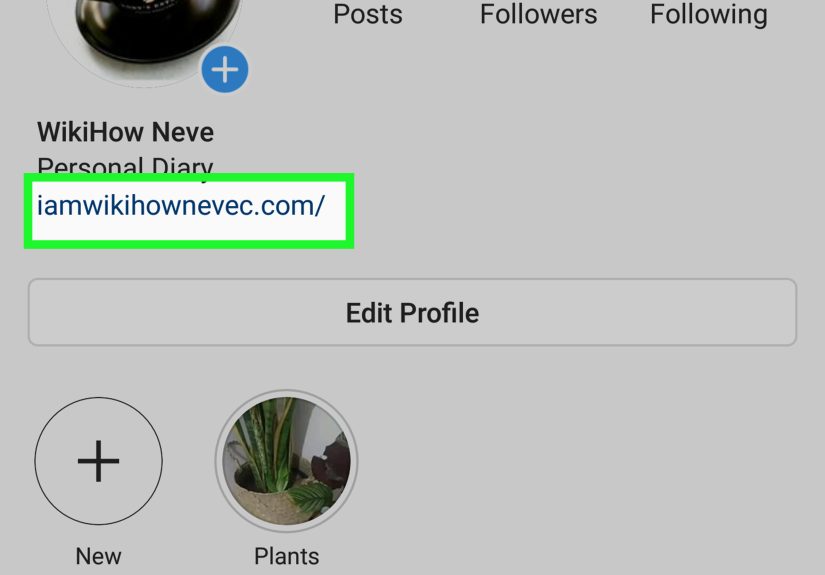
Your bio should say who you help and what you help them do. Include a clear call to action, such as “Download the free guide,” “Shop my templates,” “Book a consultation,” or “DM me for rates.” Make your profile photo recognizable, keep your username simple, and use Highlights to organize important information.
Create content pillars
Content pillars are the main themes you post about. A fitness creator might use workout tips, nutrition basics, client wins, personal stories, and product recommendations. A home decor creator might use room makeovers, budget finds, DIY tutorials, styling tips, and shopping guides.
Content pillars help your audience understand what to expect. They also help you avoid staring at your phone thinking, “What should I post?” while Instagram quietly judges you from the corner.
Track useful metrics
Follower count is not the only metric that matters. Brands often care about engagement rate, saves, shares, Story views, link clicks, audience demographics, watch time, and conversion results. A small creator who drives real action can be more valuable than a large creator whose audience scrolls by like sleepy ghosts.
Legal and Financial Basics You Should Not Ignore
If you make money on Instagram, treat it like business income. Keep records of payments, invoices, expenses, affiliate income, free products, subscriptions, and platform payouts. Depending on your situation, you may need to report income, pay self-employment taxes, and track deductible business expenses.
You should also disclose sponsored posts and affiliate relationships clearly. If you receive payment, free products, commissions, or another benefit connected to a recommendation, your audience should know. Clear disclosure builds trust and helps keep your business compliant. Use plain language such as “ad,” “sponsored,” or “I earn a commission if you buy through this link.” Do not bury disclosures under a mountain of hashtags where only archaeologists will find them.
Common Mistakes That Stop Creators From Making Money
Posting without a strategy
Random posting can work occasionally, just like throwing spaghetti at a wall can technically decorate a kitchen. But it is not a business plan. Successful creators know their niche, audience, content pillars, and monetization goals.
Accepting every brand deal
Not every paycheck is worth the damage to your trust. Promote products you would genuinely use, recommend, or at least responsibly test. Your audience remembers bad recommendations longer than you remember the payment.
Depending on one income stream
Instagram changes. Algorithms change. Bonus programs change. Brand budgets change. Strong creators diversify income through a mix of sponsored content, affiliates, products, services, subscriptions, and owned platforms.
Ignoring the audience
Your followers are not just numbers on a dashboard. They are people with problems, goals, preferences, and limited attention. Read comments, answer DMs, ask questions, and create content that solves real needs.
Practical Experience: What Actually Works When Making Money on Instagram
One of the most useful lessons about making money on Instagram is that monetization usually starts before the first dollar arrives. It begins when people start trusting your taste, your advice, your personality, or your results. That trust is built in small moments: replying to a question, explaining why you like a product, showing the messy part of a process, or admitting when something did not work.
For example, a beginner creator might think the goal is to go viral. Viral content can help, but it is not always profitable. A Reel with one million views from random viewers may produce fewer sales than a carousel seen by 2,000 loyal followers who deeply care about the topic. The better question is not “How do I get the most views?” It is “How do I attract the right people and give them a reason to come back?”
In real experience, the accounts that become profitable often share three habits. First, they repeat their message more than they think they should. Creators sometimes get bored of their own topics long before the audience understands them. You may feel like you have explained your offer fifty times, but a follower might be seeing it for the first time today while standing in line for coffee and pretending not to hear the person on speakerphone behind them.
Second, profitable creators make clear offers. They do not assume people will magically know how to work with them. They say, “Book a brand audit,” “Download the template,” “Shop the guide,” “Join the subscriber group,” or “Use my code for 10% off.” Clear calls to action are not annoying when the content has already delivered value. They are helpful signposts.
Third, they test instead of guessing forever. A creator might test two types of Reels: one educational and one personal story. They might compare a Story link sticker with a pinned comment. They might test a $9 template against a $29 bundle. Instagram monetization improves when you treat your content like experiments, not emotional verdicts on your worth as a human being.
Another real-world lesson is that smaller creators should not wait until they feel “big enough.” Micro-influencers can be valuable because they often have tight communities and strong engagement. A local food creator with 4,000 followers may be perfect for a neighborhood restaurant. A running coach with 2,500 followers may sell a training plan because the audience is specific and motivated. A home organization creator with 800 loyal followers may earn affiliate income from storage products because followers trust the recommendations.
The most sustainable approach is to build a simple monetization ladder. Start with low-friction income, such as affiliate links or a small digital product. Add services or consulting if you have expertise. Pitch sponsored content once your account shows consistent engagement and clear audience value. Later, add subscriptions, courses, memberships, or larger partnerships. Each step should make sense for your audience instead of feeling like you suddenly opened a mall in your bio.
Finally, protect your energy. Instagram rewards consistency, but consistency does not mean posting until your creativity files a noise complaint. Batch content when possible, reuse strong ideas in new formats, and create systems for captions, hooks, analytics, and outreach. Making money on Instagram is part creativity, part business, part patience, and part learning not to check analytics every twelve minutes like they are medical test results.
Conclusion
Making money on Instagram is absolutely possible, but it works best when you treat the platform as a business tool, not a magic ATM with filters. The most reliable income comes from matching your audience’s needs with the right offer: sponsored content, affiliate marketing, digital products, physical products, services, subscriptions, UGC, or long-term brand partnerships.
You do not need millions of followers to begin. You need a clear niche, useful content, audience trust, and a monetization strategy that fits your strengths. Start with one or two income streams, measure what works, improve your content, and build from there. Instagram can open the door, but your value, consistency, and credibility are what turn attention into income.
Note: This article is written in standard American English and synthesized from current, reputable information about Instagram monetization, creator marketing, affiliate income, brand partnerships, ecommerce selling, disclosure practices, and creator business strategy.