Table of Contents >> Show >> Hide
- What Is an Intravaginal Ultrasound?
- How to Prepare for an Intravaginal Ultrasound: 13 Steps
- Step 1: Confirm Exactly Which Ultrasound You’re Having
- Step 2: Follow Your Facility’s Bladder Instructions, Not Your Neighbor’s
- Step 3: Wear Clothes That Are Easy to Change Out Of
- Step 4: Remove Any Tampon Before the Exam
- Step 5: Arrive a Little Early So You’re Not Rushing
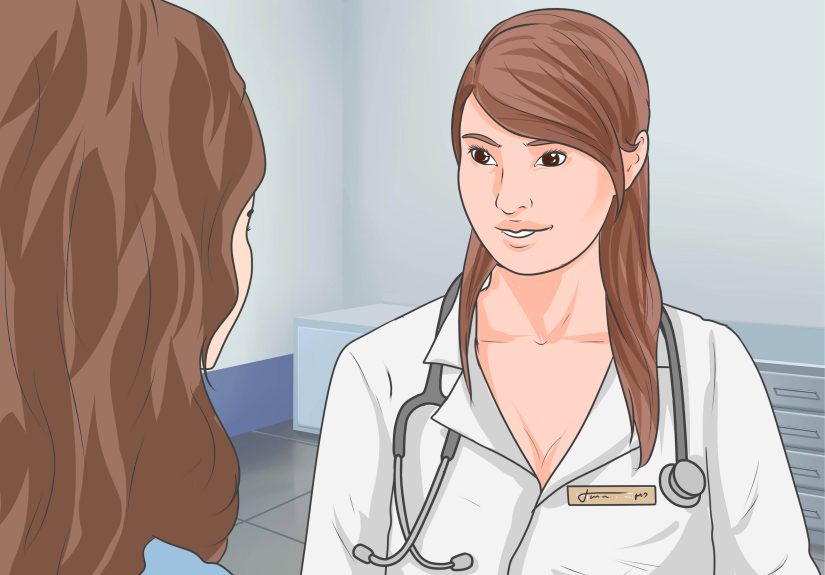
- Step 6: Tell the Staff If You Might Be Pregnant
- Step 7: Mention a Latex Allergy Before the Probe Is Covered
- Step 8: Share the Symptoms That Led to the Exam
- Step 9: Empty Your Bladder When the Team Tells You To
- Step 10: Know What the Positioning Will Be Like
- Step 11: Expect Pressure, Not Severe Pain
- Step 12: Plan for a Normal Day Afterward
- Step 13: Know When to Call Your Provider After the Scan
- What Happens During the Exam?
- Why This Test Is Often More Helpful Than an Abdominal Ultrasound
- Common Questions Patients Ask
- Experiences Patients Commonly Have Before, During, and After an Intravaginal Ultrasound
- Final Thoughts
If the phrase intravaginal ultrasound makes you want to dramatically clutch a pillow and whisper, “Absolutely not,” take a breath. This exam is common, quick, and usually much less intimidating than it sounds. In most medical offices, the more common name is transvaginal ultrasound, and it is used to get clear images of the uterus, ovaries, cervix, and nearby pelvic structures.
Doctors may order this test for pelvic pain, irregular bleeding, suspected cysts or fibroids, fertility concerns, or early pregnancy evaluation. The prep is often simple, but not always identical from one imaging center to another. Some people need no special preparation at all. Others may be told to arrive with a full bladder first if the appointment includes a pelvic or abdominal ultrasound before the intravaginal portion. That is why smart preparation is less about memorizing one rigid rule and more about knowing exactly what your facility expects.
This guide breaks the process down into 13 practical steps so you can walk in feeling informed, calm, and a lot less like you are about to take a surprise final exam in anatomy. Let’s get you ready.
What Is an Intravaginal Ultrasound?
An intravaginal ultrasound uses a slim ultrasound probe inserted gently into the vagina to create detailed images of the pelvic organs. Because the probe is closer to the uterus and ovaries than an abdominal ultrasound wand, the images are often sharper and more helpful for diagnosing certain problems, especially in early pregnancy or when your provider needs a closer look at the uterine lining.
The exam usually takes about 15 to 30 minutes. It does not use radiation. You may feel pressure or mild discomfort, but it should not feel like a punishment for skipping yoga.
How to Prepare for an Intravaginal Ultrasound: 13 Steps
Step 1: Confirm Exactly Which Ultrasound You’re Having
Start with the most important question: is your appointment for a transvaginal ultrasound only, or a combined pelvic ultrasound that includes an abdominal scan first? This matters because the bladder instructions can be different. A transvaginal ultrasound alone often requires little or no prep, but a combined exam may require you to drink water beforehand and hold your bladder until the abdominal part is finished.
If your appointment notice looks vague, call the office and ask. Five minutes of clarification can save you from showing up with a painfully overachieving bladder when nobody asked for one.
Step 2: Follow Your Facility’s Bladder Instructions, Not Your Neighbor’s
This is the biggest point of confusion. For many intravaginal ultrasounds, you do not need special prep and may even need an empty or only partly full bladder. But if the visit also includes a standard pelvic or obstetric ultrasound, your provider may tell you to drink water ahead of time and not urinate before the first scan.
In other words, both of these instructions can be true:
- Transvaginal ultrasound only: often little or no prep.
- Pelvic or combined ultrasound: you may need a full bladder first, then empty it before the vaginal portion.
Translation: the bladder is not being dramatic. It is following orders. Make sure you are too.
Step 3: Wear Clothes That Are Easy to Change Out Of
You will usually undress from the waist down and may be given a gown. Choose clothing that is quick to remove and easy to put back on, especially if you are heading to work afterward. A dress, skirt, joggers, or loose pants are often easier than a jumpsuit that turns a simple medical visit into an escape room challenge.
Comfortable underwear is also a good idea, since you may have a little leftover gel afterward.
Step 4: Remove Any Tampon Before the Exam
If you are on your period, the exam may still be possible depending on why it was ordered, but you should remove any tampon before the procedure. Do not assume you need to cancel automatically. Instead, call ahead if you are unsure. Many imaging centers will tell you whether to keep the appointment based on the reason for the scan.
This is one of those simple steps that is easy to forget when you are focused on bigger worries, so it helps to make a mental note the night before.
Step 5: Arrive a Little Early So You’re Not Rushing
Even a short exam feels more stressful when you are sprinting in, apologizing to strangers, and trying not to spill your giant prep water bottle. Give yourself time to check in, ask last-minute questions, and use the restroom if the staff tells you to empty your bladder before the vaginal portion.
A calm arrival makes a real difference. Anxiety tends to tighten muscles, and tense pelvic muscles can make the exam feel more uncomfortable than it needs to.
Step 6: Tell the Staff If You Might Be Pregnant
If there is any chance you could be pregnant, say so before the exam starts. Intravaginal ultrasounds are commonly used in early pregnancy and are considered safe, but the clinical reason for the scan and the images your provider wants can change based on pregnancy status. Mentioning this helps the team tailor the exam correctly from the start.
If the scan is for pregnancy, ask whether your appointment includes abdominal imaging too, since that may affect your prep instructions.
Step 7: Mention a Latex Allergy Before the Probe Is Covered
The ultrasound transducer is commonly covered with a protective sheath made of plastic or latex, depending on the facility. If you have a latex allergy, tell the staff before the exam begins. This is not a tiny, forgettable footnote. It is useful information that allows the team to choose safer materials and avoid an unnecessary reaction.
When in doubt, speak up early. Medical staff would much rather hear about allergies before the probe is ready to go than after your immune system files a complaint.
Step 8: Share the Symptoms That Led to the Exam
Do not assume your technologist or provider already knows every detail. Briefly mention why the scan was ordered, especially if you have pelvic pain, abnormal bleeding, missed periods, fertility questions, or an early pregnancy concern. Tell them where it hurts, when symptoms started, and whether the problem is constant or comes and goes.
Specific details can help the person performing the scan understand what the provider is looking for and may make the exam more focused and efficient.
Step 9: Empty Your Bladder When the Team Tells You To
If your appointment includes a full-bladder abdominal scan first, you may be asked to urinate right before the intravaginal ultrasound begins. That is normal. In fact, an empty bladder often makes the vaginal portion easier and more comfortable.
This switch can feel a little odd if you spent the last hour carefully protecting your bladder like it was a rare museum artifact. But once the abdominal images are done, emptying it is often exactly what improves the next set of pictures.
Step 10: Know What the Positioning Will Be Like
Most people feel less anxious when the mystery disappears. During the exam, you will usually lie on your back with your knees bent and your legs apart, much like a pelvic exam or Pap test. Some facilities use footrests or stirrups. The probe is narrow, lubricated, and inserted gently into the vagina. Only part of it goes inside.
The technologist or provider will move it slightly to get different angles. Mild pressure is common. Sharp pain is not something you should silently “tough out.” If you are hurting, say so right away.
Step 11: Expect Pressure, Not Severe Pain
Many patients are surprised by how manageable the exam actually is. The most common sensation is pressure, not pain. Some people describe it as similar to a pelvic exam, while others say it feels like inserting a larger tampon. A little discomfort can happen, especially if you already have pelvic pain, but the test should generally be brief and tolerable.
Try slow breathing, relax your hips and abdomen, and unclench the muscles you did not realize you were clenching. Yes, those muscles too.
Step 12: Plan for a Normal Day Afterward
Most people can drive themselves home and go right back to normal activities. You usually do not need recovery time, sedation, or a day on the couch watching comfort TV with a heating pad and a grudge. Some people notice a little gel discharge afterward. Mild cramping or very light spotting can happen, but it is typically temporary and uncommon.
Wearing a panty liner afterward can be useful if you prefer not to wonder whether the post-exam dampness is gel, stress, or cosmic betrayal.
Step 13: Know When to Call Your Provider After the Scan
Although complications are uncommon, call your provider if you have significant pain, heavy bleeding, fever, or symptoms that feel out of proportion to the exam. Mild pressure during the procedure and brief spotting afterward can be normal. Feeling genuinely unwell is different.
Also ask when and how you should expect results. Sometimes a provider reviews them the same day, but in many cases the final report takes a little longer.
What Happens During the Exam?
Once you are in position, the provider or technologist covers the probe with a protective sheath and lubricant, then gently inserts it into the vagina. The probe sends sound waves that create images on a screen. The test may focus on the uterus, ovaries, cervix, and sometimes structures nearby, depending on why it was ordered.
Common reasons for an intravaginal ultrasound include:
- Pelvic pain
- Abnormal vaginal bleeding or irregular periods
- Fibroids, cysts, or other pelvic masses
- Infertility evaluation
- Early pregnancy dating or viability assessment
- Checking for ectopic pregnancy or miscarriage concerns
- Evaluating the uterine lining or ovarian changes
If Doppler imaging is used to assess blood flow, you may hear a soft whooshing sound. No, the machine is not trying to start a tiny storm. It is just doing its job.
Why This Test Is Often More Helpful Than an Abdominal Ultrasound
When doctors need a close-up look at the pelvic organs, a transvaginal approach can provide better detail than a scan done over the abdomen alone. That is why it is frequently used for early pregnancy, abnormal bleeding, fertility work-ups, and suspected gynecologic conditions. Being closer to the pelvic organs usually means clearer images and fewer guessing games.
That does not mean one test is “better” in every situation. Sometimes the best imaging plan is both: abdominal first, intravaginal second. Think of it as the medical version of switching camera lenses to get the full picture.
Common Questions Patients Ask
Can I eat before an intravaginal ultrasound?
Usually yes, unless your appointment also includes another type of ultrasound that requires fasting. Always follow the specific instructions from your imaging center.
Can I have the test during my period?
Sometimes yes. The answer depends on why the scan was ordered. Remove any tampon before the exam and call ahead if you are unsure whether to keep the appointment.
Is an intravaginal ultrasound safe in pregnancy?
Yes. It is commonly used in early pregnancy and does not use radiation.
Will it hurt?
Most people describe pressure or mild discomfort rather than pain. If you feel more than that, tell the person doing the exam immediately.
How long does it take?
Often around 15 to 30 minutes, though timing can vary depending on what the provider needs to evaluate.
Experiences Patients Commonly Have Before, During, and After an Intravaginal Ultrasound
One of the most common experiences people report before an intravaginal ultrasound is not pain. It is anxiety fueled by imagination. Many patients expect the exam to be far more awkward, invasive, or uncomfortable than it turns out to be. The waiting is often the hardest part. People worry about the reason for the test, what the images might show, whether they will have to drink a heroic amount of water, and whether the whole thing will feel embarrassing. That emotional build-up is real, especially if it is your first pelvic imaging exam.
During the test, a lot of patients are surprised by how routine the process feels once it begins. The room is usually quiet, clinical, and matter-of-fact. The technologist explains what will happen, the probe is covered and lubricated, and the scan starts. Some people feel mild pressure when the probe changes angle, particularly if the provider is trying to get a better look at an ovary or the uterine lining. Others say the sensation feels similar to a pelvic exam, but shorter and less uncomfortable than they expected. Patients who already have pelvic pain, ovarian cysts, endometriosis, fibroids, or early pregnancy cramping may notice more sensitivity, which is why speaking up matters.
Another common experience is confusion about the full bladder part. If an appointment includes both abdominal and vaginal imaging, patients often spend the first part of the visit thinking only about one thing: not peeing. Then, right when they have reached peak bladder drama, they are told to go to the restroom before the transvaginal portion. It can feel comical, but it is standard. A full bladder may help one set of images, while an emptier bladder helps the next.
After the exam, many people feel immediate relief, not because the gel is glamorous, but because the mystery is over. Most go back to work, run errands, or continue their day normally. Some notice a little wetness from the gel. A few may have mild cramping or light spotting, especially if the pelvis was already irritated before the scan, but many feel completely fine. Emotionally, though, the post-exam experience can vary. Some patients feel reassured simply because the test is done. Others feel anxious while waiting for results, particularly if the scan was ordered for bleeding, fertility concerns, or an early pregnancy problem.
Perhaps the most helpful takeaway from real patient experiences is this: the scan itself is usually manageable, but clear communication makes it much easier. Patients tend to have the smoothest experience when they know the purpose of the test, understand the bladder instructions, wear comfortable clothing, mention allergies or symptoms early, and ask questions without apologizing for existing. That last one deserves emphasis. You are not being difficult by wanting to know what is happening. You are being prepared, and prepared patients usually walk into this exam with much less fear and much more confidence.
Final Thoughts
Preparing for an intravaginal ultrasound is usually straightforward: know what kind of scan you are having, follow the exact bladder instructions, dress for convenience, communicate clearly, and expect a short exam with detailed images that can help answer important medical questions. The process may feel awkward in theory, but in practice it is a standard diagnostic tool used every day.
The best preparation is not perfection. It is accurate information. Once you know what to expect, the test becomes a lot less mysterious and a lot more manageable.