Table of Contents >> Show >> Hide
- Before You Start: The Three Golden Rules (Safety, Patience, and a Plan)
- Step 1: Figure Out Who You’re Dealing With (Stray, Feral, or “Just Shy”)
- Step 2: Set Up a “Base Camp” (So the Cat Feels in Control)
- Step 3: Use Food Like a Peace Treaty (Not a Bribe You Throw and Run)
- Step 4: Speak Cat (Body Language Is 90% of the Conversation)
- Step 5: Start With “Distance Play” (Wand Toys Are Social Skills on a Stick)
- Step 6: Upgrade to “Close Range” (Let the Cat Choose the Distance)
- Step 7: Introduce Touch Safely (One-Second Pets, Not a Full Spa Package)
- Step 8: For Kittens: Socialize Like It’s Your Part-Time Job (Because… It Kind of Is)
- Step 9: Make the Long-Term Plan Official (Adopt, Foster, or TNRDon’t Drift)
- Common Mistakes That Make Cats Hit the Reset Button
- Quick FAQ
- Conclusion
- Real-World Experiences: What Caregivers Often Learn Along the Way (The Extra )
A “wild” cat in your yard is usually not a bobcat plotting your downfallit’s most often a domestic cat who’s either stray (used to people, lost or abandoned) or feral (not socialized to humans). The goal here isn’t to “conquer” the cat like you’re auditioning for a nature documentary. It’s to build trust safely and humanelyso the cat can get food, care, and (ideally) spay/neuter, and maybe even a couch to rule someday.
Quick reality check: if you’re looking at an actual wild animal (bobcat, lynx, etc.), stop here and contact a licensed wildlife rehabilitator. This guide is for community cats and kittensdomestic cats living outdoors.
Before You Start: The Three Golden Rules (Safety, Patience, and a Plan)
Befriending an outdoor cat is half compassion, half strategy. You’ll go farther with a calm routine than with Olympic-level enthusiasm. Keep these in mind:
- Safety first: Avoid bites and scratches. Outdoor cats can carry parasites and diseases, and bites can get infected fast.
- Consistency beats intensity: Ten quiet minutes every day is better than one dramatic two-hour “bonding session.”
- Have an end goal: Socialize for adoption? Foster until fixed? Support a TNR plan? “Vibes only” is how colonies grow.
Step 1: Figure Out Who You’re Dealing With (Stray, Feral, or “Just Shy”)
What to look for
A stray may meow, approach cautiously, or linger near doors. A feral cat usually avoids eye contact, keeps distance, and bolts if you move like a sudden plot twist.
Why it matters
Strays can often warm up quickly. Truly feral adults may never enjoy being handledand that’s not a failure; it’s a personality and life-history thing. Kittens, on the other hand, are much more likely to become friendly with steady work.
Step 2: Set Up a “Base Camp” (So the Cat Feels in Control)
Trust grows when the cat has predictable resources and safe options. Choose a quiet spot for a feeding stationaway from heavy foot traffic, barking dogs, and your neighbor’s leaf blower symphony.
Base camp checklist
- Food and fresh water at consistent times
- A sheltered area (a simple insulated tote shelter works well in cold/wet weather)
- A clear escape route (never make the cat feel cornered)
If you’ve brought kittens indoors for socialization, set up a small, kitten-proof room with bedding, litter, and hiding spots so they can observe you without feeling trapped.
Step 3: Use Food Like a Peace Treaty (Not a Bribe You Throw and Run)
Food is your best trust-builder because it’s honest. You show up, you provide, you don’t do anything scaryrepeat until the cat starts thinking, “Okay, you’re not a villain.”
How to do it
- Feed on a schedule (predictability is calming).
- Start at a distance the cat tolerates, then move the dish slightly closer over days.
- Use higher-value food (wet food often works better than dry kibble for shy cats).
For kittens, pairing meals with your presence is powerful: sit nearby and let them eat while you speak softly. The goal is “human nearby = good things,” not “human equals capture scene.”
Step 4: Speak Cat (Body Language Is 90% of the Conversation)
Cats are fluent in vibes. Unfortunately, humans are the toddlers of vibes.
Do this
- Approach sideways, not head-on.
- Keep your voice low and movements slow.
- Try a gentle slow blink and look awaycat for “I’m not a threat.”
Not this
- Direct staring (to cats, it’s basically a challenge).
- Reaching over the head immediately.
- Leaning into their space like you’re inspecting a suspicious sandwich.
Step 5: Start With “Distance Play” (Wand Toys Are Social Skills on a Stick)
Play builds confidence and creates positive associations. The trick is to play without invading the cat’s personal bubble.
Best tools
- Wand toys (keeps your hands far awayeveryone wins)
- Tossable toys for kittens (soft balls, crinkle toys)
- Food puzzles once they’re eating well indoors
Example: If a kitten hisses when you enter, sit down, drag a wand toy slowly in a half-circle, and ignore the hissing. Many kittens “forget to be tough” once prey-drive kicks in.
Step 6: Upgrade to “Close Range” (Let the Cat Choose the Distance)
Your job is to be the calm, boring mountain. The cat decides how close to get.
Mini milestones to watch for
- Stays eating when you’re nearby
- Looks at you, then relaxes instead of fleeing
- Approaches after you sit down (bonus points if they do it casually)
When the cat is comfortable, try placing a treat closer to you. If they retreat, you went too fastno drama, just reset.
Step 7: Introduce Touch Safely (One-Second Pets, Not a Full Spa Package)
Touch is earned, not taken. Start only when the cat is consistently relaxed at close range.
A safe progression
- Offer a treat from your fingertips (or a spoon if they’re extra spicy).
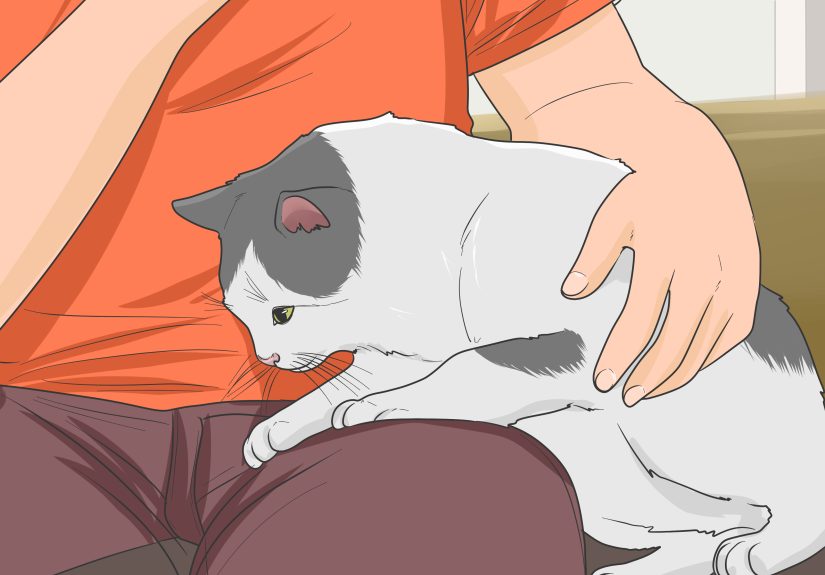
- Touch briefly on the shoulder or cheek area while they eat (1 second, then stop).
- Increase duration graduallyalways end before they panic.
If you see flattened ears, whipping tail, stiff posture, or sudden freezing, pause and back up a step. This isn’t defeat; it’s good communication.
Step 8: For Kittens: Socialize Like It’s Your Part-Time Job (Because… It Kind of Is)
Kittens have a limited window where friendliness comes easier, but older kittens can still make huge progress with a steady plan.
What helps most
- Multiple short sessions daily (play, treats, gentle handling)
- Individual time if there’s a litter (one bold sibling can “buffer” the others too much)
- Controlled space at firstdon’t let fearful kittens roam the whole house and practice hiding as a lifestyle
A practical routine: feed, sit quietly, play with a wand, then end with a treat. Same order, same calm energy. Your consistency is their security.
Step 9: Make the Long-Term Plan Official (Adopt, Foster, or TNRDon’t Drift)
Befriending is wonderful. Preventing future litters is even better. If the cat is friendly enough for indoor life, work with a rescue or vet to plan vaccines and spay/neuter. If the cat is truly feral, consider a humane trap-neuter-return (TNR) approach with local support.
Signs a cat may be adoptable
- Seeks attention or accepts petting without panic
- Recovers quickly from small surprises
- Uses a litter box reliably once indoors
Signs TNR may be the kinder path (especially for adult ferals)
- Extreme fear that doesn’t improve with time
- Panic in enclosed indoor settings
- Repeated attempts to escape or defensive aggression
Common Mistakes That Make Cats Hit the Reset Button
- Going too fast: Progress isn’t linear; it’s more like a catmysterious and occasionally petty.
- Free-feeding during socialization: Scheduled meals help your presence matter.
- Chasing or cornering: It teaches “human = danger” in one memorable lesson.
- Skipping the plan for spay/neuter: Friendship without prevention becomes an accidental kitten factory.
Quick FAQ
How long does it take to befriend a feral kitten?
It depends on age and temperament. Some kittens soften in days; others take weeks. The key is daily, calm repetition.
Can you befriend an adult feral cat?
Sometimesespecially if they’re “semi-feral” or have had positive human contact before. But many adult ferals will only ever tolerate people at a distance. Helping them through TNR and stable care is still a big win.
What if I get bitten or scratched?
Clean the wound immediately and seek medical advicecat bites can become infected quickly, and rabies exposure needs professional assessment. Don’t gamble with your health.
Conclusion
Befriending a wild (feral) cat or kitten is a slow-cooked recipe: the ingredients are routine, respect, and ridiculously small steps that add up. If you remember nothing else, remember this: let the cat choose the pace, keep your hands safe, and always connect kindness with a bigger planespecially spay/neuter. Your patience can turn a hiss into a head-butt, and that’s basically magic.
Real-World Experiences: What Caregivers Often Learn Along the Way (The Extra )
People who foster or care for community cats often describe the first week as “silent negotiation.” The cat doesn’t trust you, you don’t trust your ability to walk across the room without sounding like a drumline, and everyone is jumpy. One common pattern: the cat is braver when you’re sitting down. Standing humans are tall, loud, and confusing; seated humans are furniture that occasionally produces snacks. Caregivers often start by simply sitting in the same spot at the same time every dayscrolling a phone, reading, working on a laptopwhile the cat eats nearby. The breakthrough isn’t always dramatic; sometimes it’s just the cat choosing to stay in the open instead of vanishing.
Another frequent experience is the “two steps forward, one step under the couch” phase. A kitten might take treats on Monday, let you touch a shoulder on Tuesday, then hiss like you’ve committed a personal crime on Wednesday because you wore a new jacket. Caregivers learn to treat these moments as data, not doom. New smells, a louder-than-usual sound, an unexpected visitorany of these can spike fear. The practical response is boring but effective: go back to the last successful step for a day or two. People often say their best tool wasn’t a fancy productit was the ability to keep sessions short and end on a good note.
Kittens also tend to “convert” through play. Many foster volunteers report that a wand toy is the great equalizer: even the spiciest kitten sometimes can’t resist pouncing. And once the kitten is engaged, caregivers quietly attach positive things to their presencetreats after play, soft talk during meals, predictable routines. A common mistake people admit (usually while laughing at themselves later) is giving kittens too much freedom too early. When a fearful kitten can sprint into the deepest, dustiest corner of your home, they will. Caregivers often do better with a smaller room first, then gradually expanding the space as confidence grows.
For adult cats, a lot of “success stories” look different than Instagram expects. Some caregivers describe a cat who never becomes cuddly but learns to eat comfortably within a few feet, relax during quiet visits, and live a healthier life after TNR. That’s still meaningful progress. Others tell stories of a long timelinemonths of feeding and calm presenceuntil one day the cat surprises them by head-bumping a leg like it’s no big deal. The shared takeaway is simple: consistency is a love language cats actually respect. Not the dramatic kind. The dependable kind.
And finally, caregivers often mention the emotional whiplash: the joy of a first purr, the frustration of a setback, the pride when a kitten finally naps in the open instead of hiding. If you’re doing this work, you’re not “just making friends with a cat.” You’re building safety where there wasn’t anyand that’s why the smallest moments can feel huge.