Table of Contents >> Show >> Hide
- First, What Kind of Sore Are We Talking About?
- How to Remove a Mouth Ulcer: 10+ Ways to Get Rid of Sores
- 1. Give It a Little TimeBut Not a Free Lifetime Membership
- 2. Rinse With Warm Salt Water
- 3. Try a Baking Soda Rinse or Paste
- 4. Use an Over-the-Counter Numbing Gel or Mouth Rinse
- 5. Apply a Protective Paste or Oral Bandage
- 6. Avoid Spicy, Acidic, Salty, and Crunchy Foods
- 7. Eat and Drink Cool, Not Scalding Hot
- 8. Switch to a Soft Toothbrush and Gentle Toothpaste
- 9. Skip Alcohol-Based Mouthwash
- 10. Stay Hydrated and Don’t “Starve” the Sore
- 11. Fix Any Ongoing Mouth Trauma
- 12. Consider Prescription Treatments if the Sore Is Severe
- 13. Review Common Triggers
- 14. Don’t Put Random Harsh Things on It
- 15. Manage Stress if You’re a Repeat Offender
- What Actually Helps a Mouth Ulcer Heal Faster?
- When a Mouth Ulcer Is Not “Normal” Anymore
- How to Prevent Mouth Ulcers From Coming Back
- Common Experiences With Mouth Ulcers: What People Often Notice
- Final Thoughts
- SEO Tags
Mouth ulcers have a special talent for showing up at the exact wrong time. Big presentation tomorrow? Great. Pizza night tonight? Even better. One tiny sore inside your mouth can make talking, chewing, brushing, and even smiling feel like a full-contact sport. The good news is that most common mouth ulcersoften called canker soresare not dangerous, are not contagious, and usually go away on their own. The less-fun news is that while they are hanging around, they can be ridiculously annoying.
If you want to remove a mouth ulcer fast, the real goal is usually twofold: calm the pain and help the sore heal without extra irritation. That means using simple home care, avoiding the usual troublemakers, and knowing when a sore is no longer “just a sore.” In this guide, you’ll learn 10+ practical ways to get rid of sores, how to tell a mouth ulcer from a cold sore, and when it’s time to stop experimenting with salt water and call a dentist or doctor instead.
First, What Kind of Sore Are We Talking About?
This article focuses on the kind of mouth ulcer that typically appears inside the mouthon the inner lip, cheek, tongue, gumline, or soft palate. These sores are usually round or oval, with a white, yellow, or grayish center and a red border. They tend to sting, burn, or throb, especially when food, toothpaste, or your own bad decisions involving salsa hit them.
That is different from a cold sore, which is usually caused by herpes simplex virus and often appears on or around the lips. Cold sores can start as blisters and are contagious. A simple canker sore or common mouth ulcer inside the mouth is usually not.
Also important: not every ulcer in the mouth is a harmless canker sore. Trauma from braces, a sharp tooth, dentures, food burns, dry mouth, vitamin deficiencies, certain inflammatory conditions, infections, andin rare casesoral cancer can all lead to mouth sores. That is why the timeline matters. A sore that refuses to leave the party after two weeks deserves professional attention.
How to Remove a Mouth Ulcer: 10+ Ways to Get Rid of Sores
1. Give It a Little TimeBut Not a Free Lifetime Membership
Most minor mouth ulcers heal on their own within about 7 to 14 days. That means the first step is not panic. You do not need to scrape it off, “dry it out” with something harsh, or invent a science experiment in your bathroom. Gentle care works better than aggressive treatment. Think soothing, not scorching.
2. Rinse With Warm Salt Water
A warm salt-water rinse is the classic remedy because it is simple, cheap, and helpful for many people. Mix about 1 teaspoon of salt in 1/2 to 1 cup of warm water, swish gently for 15 to 30 seconds, then spit it out. This can help reduce irritation and keep the area cleaner. Do it a few times a day, especially after meals. It is not glamorous, but neither are mouth ulcers.
3. Try a Baking Soda Rinse or Paste
Baking soda may help neutralize acidity and reduce irritation. You can stir a small amount into warm water and use it as a rinse, or mix a few drops of water with baking soda to make a thin paste and dab it gently on the sore. The goal is a light coating, not frosting a cupcake. If it burns more than it helps, skip it.
4. Use an Over-the-Counter Numbing Gel or Mouth Rinse
If your mouth ulcer feels like it is personally offended by every bite of food, an over-the-counter numbing product can help. Gels, rinses, or lozenges with ingredients such as benzocaine or lidocaine may temporarily reduce pain. Use them exactly as directed on the label, and avoid eating immediately after numbing your mouth too muchyou still want to know if you are biting your cheek instead of your sandwich.
5. Apply a Protective Paste or Oral Bandage
Some mouth sore products do not numb the area as much as they shield it. Protective pastes and oral patches create a barrier between the ulcer and your food, saliva, teeth, and tongue. That barrier can be a big deal when your sore is in a high-friction spot, like the side of the tongue or inside the lip. Less rubbing usually means less pain and fewer complaints from your mouth.
6. Avoid Spicy, Acidic, Salty, and Crunchy Foods
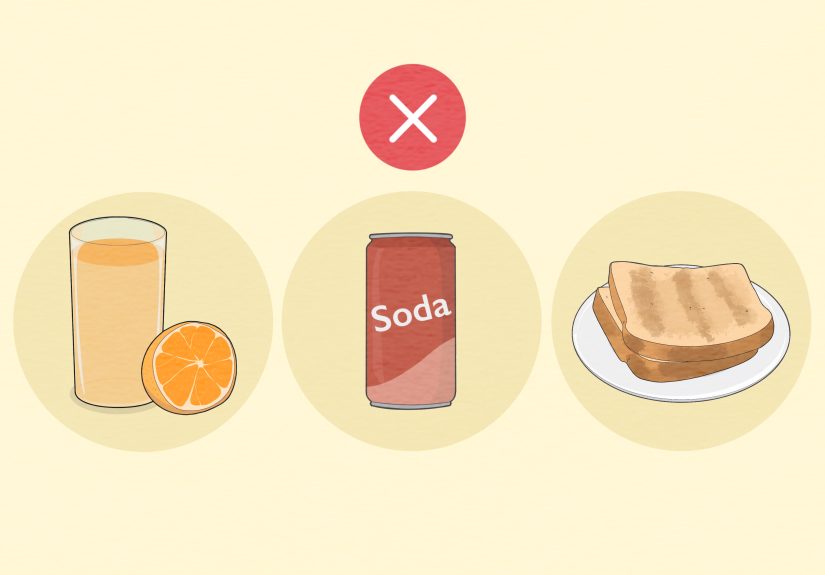
If you are serious about getting rid of a sore, do not keep picking a fight with it at mealtime. Spicy chips, citrus, vinegar-heavy foods, tomatoes, very salty snacks, and crunchy foods can all make an ulcer feel worse. Temporarily switch to bland, soft foods such as yogurt, oatmeal, mashed potatoes, scrambled eggs, smoothies, soups that are not too hot, and cooked vegetables. This is not forever. It is just a short truce.
7. Eat and Drink Cool, Not Scalding Hot
Heat can irritate tender tissue. Cool water, cold milk, smoothies, yogurt, or ice chips may feel much better than coffee hot enough to melt your optimism. Some people find that sucking on small ice chips briefly helps calm pain and swelling. Just do not chew aggressively if the sore is near a sensitive area.
8. Switch to a Soft Toothbrush and Gentle Toothpaste
Oral hygiene still matters when you have a mouth ulcer, but now is not the time to brush like you are sanding a deck. Use a soft-bristled toothbrush and brush carefully around the sore. Some people also feel better using toothpaste that does not contain sodium lauryl sulfate (SLS), which can be irritating for sensitive mouths. Clean is good. Scrubbing the sore like it owes you money is not.
9. Skip Alcohol-Based Mouthwash
A strong, alcohol-based mouthwash can make a mouth ulcer sting even more. If you want a rinse, choose something mild and alcohol-free, or stick with salt water. The goal is to soothe the area, not make it feel like it lost a bar fight.
10. Stay Hydrated and Don’t “Starve” the Sore
When eating hurts, some people start avoiding food and fluids, which can leave them run-down, thirsty, and slower to recover. Sip water often. Use a straw if that keeps liquid away from the sore. Eat small meals if large ones feel like too much work. Your mouth heals better when the rest of you is not dehydrated and grumpy.
11. Fix Any Ongoing Mouth Trauma
If a sharp tooth edge, braces, rough dental work, a retainer, or cheek-biting keeps irritating the same spot, the sore may hang around longer. Orthodontic wax can help cover a bracket or rough edge. If a broken tooth or ill-fitting dental appliance is the culprit, make a dental appointment. You can treat the ulcer all day long, but if the cause keeps poking it, healing gets delayed.
12. Consider Prescription Treatments if the Sore Is Severe
If you get large, frequent, or unusually painful mouth ulcers, a dentist or doctor may suggest stronger treatment. That can include prescription steroid pastes, steroid mouth rinses, prescription numbing rinses, or other medicines designed to reduce inflammation and discomfort. These are especially helpful when sores are recurring or interfering with eating, drinking, or sleep.
13. Review Common Triggers
Mouth ulcers can be linked to stress, minor injury, food sensitivities, hormonal shifts, and nutritional issues such as low iron, folate, vitamin B12, or zinc. If sores keep returning, it is worth looking at patterns. Did one appear after you bit your cheek? During a stressful week? After eating foods that seem to irritate your mouth? Recurring sores may be your body’s very annoying way of dropping hints.
14. Don’t Put Random Harsh Things on It
This deserves its own section because the internet occasionally acts like your mouth is a chemistry lab. Strong undiluted hydrogen peroxide, straight alcohol, aspirin directly on the sore, and other “burn it so it heals” ideas can backfire and irritate the tissue more. If a remedy feels extreme, it probably is. Gentle, evidence-based care is more likely to help than kitchen-counter chaos.
15. Manage Stress if You’re a Repeat Offender
Stress does not cause every mouth ulcer, but it does show up often enough that it should be on the suspect list. If your sores seem to appear during exam week, deadlines, family stress, travel, or poor sleep, your nervous system may be part of the story. Better sleep, hydration, regular meals, and stress management will not magically cure every ulcer, but they can reduce how often your mouth stages a rebellion.
What Actually Helps a Mouth Ulcer Heal Faster?
If you want the short answer, here it is: reduce irritation, control pain, and keep the area clean. Mouth ulcers heal faster when they are not constantly being scraped by chips, blasted by hot coffee, dried out by alcohol mouthwash, or re-injured by braces and sharp teeth. There is no instant erase button, but there is a big difference between a sore you protect and a sore you keep aggravating every four hours.
When a Mouth Ulcer Is Not “Normal” Anymore
Call a dentist or doctor if your mouth ulcer lasts more than two weeks, keeps coming back, is unusually large, spreads to the outer lips, comes with fever, rash, diarrhea, weight loss, swollen glands, or makes eating and drinking difficult. You should also seek care sooner if you are immunocompromised, have severe pain, or notice a sore that looks suspiciously different from the usual pattern.
Why so serious? Because while many sores are harmless aphthous ulcers, some persistent mouth lesions can be linked to other medical conditions, infections, inflammatory disease, medication effects, or oral cancer. A sore that lingers is not something to “wait out” forever just because search engines and wishful thinking told you to.
How to Prevent Mouth Ulcers From Coming Back
Prevention is not always possible, but it is often practical. Use a soft toothbrush. Be careful with sharp foods. Avoid foods that repeatedly trigger irritation. Stay hydrated. Manage dry mouth if you have it. Protect your mouth from braces or rough dental work. Keep up with routine dental care. And if you get frequent sores, ask a healthcare professional whether you should be checked for nutritional deficiencies or other underlying causes.
Common Experiences With Mouth Ulcers: What People Often Notice
One of the most common experiences starts with a tiny sting that seems too small to matter. A person notices a faint burning spot on the inside of the lip and thinks, “No big deal.” By the next morning, that same spot has transformed into a dramatic little crater with a red border and the emotional energy of a toddler who skipped a nap. Suddenly, orange juice is offensive, toast is dangerous, and even toothpaste feels suspicious.
Another very typical story involves accidental trauma. Someone bites the inside of their cheek during lunch, forgets about it, and then gets a sore exactly where the bite happened. Or a bracket from braces rubs against the same patch of skin all week. In these cases, the ulcer often feels less like a random health mystery and more like a consequence of a mouth that has been mechanically annoyed into filing a formal complaint.
People also commonly describe mouth ulcers as being “small but weirdly powerful.” That sounds dramatic until you have one on the side of your tongue. A tiny sore in the wrong location can affect speech, make every meal feel like a tactical challenge, and turn toothbrushing into a negotiation. Many people say the pain peaks during the first few days, then slowly backs off, even though the sore is still visible.
Stress-related flare-ups are another pattern people mention all the time. During busy weeks, after poor sleep, while studying for exams, or during emotionally intense periods, some people notice that sores seem to appear more often. They may also get them during travel, when routines change and hydration, sleep, nutrition, and oral care all become less consistent. In that sense, a mouth ulcer can sometimes feel like an uninvited status update from your body.
Food triggers are also a real-world theme. Some people swear that spicy chips, citrus, pineapple, sharp crusty bread, or acidic sauces make an active sore feel much worse. Others notice that certain foods seem to come before the sore even appears. The connection is not identical for everyone, but many people learn the hard way that “I can probably still eat this” is a sentence that ends with regret.
Then there is the frustration of repeat ulcers. People who get them often may become very skilled at recognizing the early warning signsthe tingle, the tender spot, the “here we go again” feeling. They may keep salt, baking soda, dental wax, or a favorite mouth sore gel on hand because experience has taught them that early gentle care makes the week much easier.
Finally, many people describe a sense of relief when they realize two things: first, most minor mouth ulcers are temporary; and second, there are practical ways to make them less miserable. Once they stop throwing spicy food, harsh mouthwash, and hot coffee into the situation, the sore often becomes much more manageable. In other words, the mouth ulcer may still be rude, but at least it no longer gets to run the entire day.
Final Thoughts
If you are wondering how to remove a mouth ulcer, the smartest strategy is not to attack itit is to calm it down. Salt-water rinses, baking soda, numbing gels, protective pastes, bland foods, cool drinks, gentle brushing, and avoiding obvious irritants can make a big difference while the tissue heals. For most people, the sore fades within a week or two and life becomes crunchy-and-spicy again.
But if a mouth ulcer keeps returning, gets unusually painful, or refuses to heal, do not just keep hoping it will disappear. That is when a dentist or doctor can help figure out whether the sore is a stubborn canker sore, a nutritional issue, a reaction to irritation, or something that needs proper treatment. Your mouth is usually pretty resilient. When it starts sending repeat warnings, it is worth listening.