Table of Contents >> Show >> Hide
- Why Braces Hurt in the First Place
- Easy Tips That Actually Help
- 1) Build a 48-Hour Comfort Plan Before Your Adjustment
- 2) Go Cold Early
- 3) Use Orthodontic Wax Like a Pro
- 4) Salt-Water Rinses for Sore Spots
- 5) Switch to a “No-Chew Drama” Menu for a Few Days
- 6) Upgrade Your Brushing Technique
- 7) Sleep Smarter on Sore Nights
- 8) Don’t “Test” Sore Teeth
- 9) Hydrate, Then Hydrate Again
- 10) Keep an Emergency Mini-Kit
- What Not to Do When Braces Hurt
- When Pain Is Not “Normal Braces Soreness”
- 7-Day Recovery Playbook After New Braces or Tightening
- Parents, Teens, and Adults: Different Situations, Same Core Strategy
- Experience Corner: Real-World Braces Pain Stories (500+ Words)
- Final Thoughts
Braces are great at moving teeth and terrible at asking permission first. If you just got braces (or had them tightened), that sore, “why does chewing feel like leg day for my jaw?” feeling is incredibly common. The good news: discomfort from orthodontic treatment is usually temporary, manageable, and very responsive to simple at-home strategies.
This guide gives you practical, real-world ways to feel better fastwithout guesswork, panic-Googling, or chewing only mashed potatoes forever. You’ll get a clear comfort plan for the first week, easy food ideas, smart oral-care habits, and a “call your orthodontist now” checklist.
If you’re a teen, parent, or adult in braces, this article is built for you: simple language, no fluff, and tips you can use today.
Why Braces Hurt in the First Place
Braces work by applying gentle, continuous pressure that nudges teeth into new positions. Your mouth is adapting to:
- Pressure soreness from tooth movement.
- Soft tissue irritation when cheeks/lips rub against brackets and wires.
- Post-adjustment tenderness after wire changes or tightening.
Most people describe this as dull aching, tenderness while biting, or “my teeth feel bruised” vibesnot constant severe pain. The discomfort usually improves as your mouth adapts.
Typical Soreness Timeline (What to Expect)
- First several hours: pressure starts to build.
- Day 1–2: soreness tends to peak.
- Day 3–7: symptoms usually calm down noticeably.
- After future tightenings: shorter soreness windows are common.
Knowing the timeline helps emotionally. When you can say, “Okay, this is normal and temporary,” everything feels less dramatic.
Easy Tips That Actually Help
1) Build a 48-Hour Comfort Plan Before Your Adjustment
Don’t wait until pain starts. Ask your orthodontic team which over-the-counter option is best for you and when to take it. Many patients do better when they have a plan before discomfort peaks.
- Follow label directions exactly.
- Use only medicines approved by your dentist/orthodontist or physician for your age and health profile.
- If you have asthma, kidney disease, stomach ulcers, bleeding disorders, or medication interactions, check first.
2) Go Cold Early
Cold is your friend when teeth feel tender.
- Apply a cold pack to the cheek for 10–15 minutes at a time.
- Take short breaks, then repeat as needed.
- Sip cold water slowly.
- Choose cool, soft foods (more on that below).
Cold can reduce local inflammation and numb soreness enough to make talking, studying, and sleeping easier.
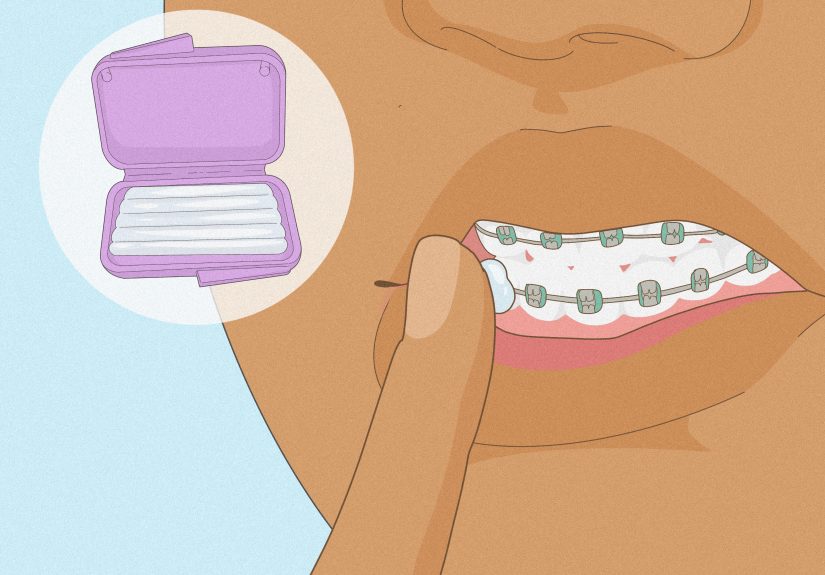
3) Use Orthodontic Wax Like a Pro
If one bracket or wire feels like sandpaper on your cheek, wax can be a game changer.
- Wash your hands.
- Dry the irritating bracket/wire area with clean gauze or tissue.
- Roll a pea-sized piece of wax into a ball.
- Press gently onto the trouble spot.
- Replace as needed, especially after meals/brushing.
Wax creates a barrier so soft tissue can recover instead of being re-irritated all day.
4) Salt-Water Rinses for Sore Spots
When braces rub and create tender patches, warm salt-water rinses can help calm tissues.
- Mix about 1 teaspoon salt in 1 cup warm water.
- Swish gently 30–60 seconds, then spit.
- Repeat a few times daily as needed.
Use warmnot hotwater, and avoid alcohol-based rinses if your mouth is already irritated.
5) Switch to a “No-Chew Drama” Menu for a Few Days
You don’t need to suffer through crunchy foods while your mouth is tender. Pick foods that require minimal biting force.
Braces-Friendly Soft Foods
- Yogurt, smoothies, pudding, applesauce
- Oatmeal, soft scrambled eggs, cottage cheese
- Soup, mashed potatoes, soft pasta, rice porridge
- Soft fish, tofu, ripe bananas, avocado
- Mac and cheese, soft cooked veggies
Skip These During Sore Days
- Hard/crunchy foods (nuts, hard chips, popcorn kernels)
- Sticky/chewy foods (taffy, caramel, gum)
- Biting into whole apples/corn on the cob (slice instead)
- Very spicy/acidic foods if you have mouth sores
Think “fork-friendly, soft, and low effort.” Your braces (and mood) will thank you.
6) Upgrade Your Brushing Technique
When your mouth hurts, it’s tempting to brush less. Unfortunately, plaque buildup makes irritation worse. Keep cleaning gently but consistently.
- Use a soft-bristled toothbrush.
- Brush at the gumline and around brackets.
- Floss daily (floss threader, orthodontic floss, or water flosser).
- Rinse after meals when brushing isn’t possible.
Cleaner teeth and gums usually mean less inflammation, less sensitivity, and fewer surprise setbacks.
7) Sleep Smarter on Sore Nights
- Keep your head slightly elevated.
- Do your pain-relief routine before bed (as advised).
- Avoid late-night crunchy snacks.
- Use wax before sleeping if a bracket rubs your cheek.
Night discomfort often feels stronger because everything is quieter. A bedtime routine helps prevent that “I can’t sleep because my teeth are yelling” moment.
8) Don’t “Test” Sore Teeth
Avoid repeatedly tapping teeth together, chewing hard foods “to see if it’s better,” or poking sore spots with your tongue. This can keep tissues irritated and make pain linger longer.
9) Hydrate, Then Hydrate Again
A dry mouth can make irritation feel worse. Water helps keep tissues comfortable and supports oral hygiene. Keep a bottle nearby during school, work, or workouts.
10) Keep an Emergency Mini-Kit
Carry a small braces comfort kit in your bag:
- Orthodontic wax
- Travel toothbrush + fluoride toothpaste
- Interdental brush or floss picks for braces
- Pain reliever (if approved for you)
- Small mirror and tissue
This kit turns “uh-oh” moments into “handled in two minutes.”
What Not to Do When Braces Hurt
- Don’t clip wires yourself with random tools.
- Don’t skip orthodontic appointments because you’re sore.
- Don’t ignore a wire that keeps cutting your cheek.
- Don’t overuse numbing gels or pain medicine beyond instructions.
- Don’t switch to sugary soft foods all day (sticky sugar + braces = cavity risk).
When Pain Is Not “Normal Braces Soreness”
Contact your orthodontist or dentist promptly if you notice:
- Severe pain that doesn’t improve with routine measures
- Pain lasting beyond the expected post-adjustment window
- Broken bracket, poking wire, or displaced appliance
- Bleeding, swelling, or signs of infection
- Sores that are worsening instead of healing
- Trouble chewing, swallowing, or opening your mouth normally
Quick fixes in clinic can prevent days of unnecessary discomfort.
7-Day Recovery Playbook After New Braces or Tightening
Day 0 (Appointment Day)
- Hydrate well.
- Eat a soft, cool meal.
- Start your approved pain plan.
- Apply wax to any rubbing points.
Day 1–2 (Peak Soreness Window)
- Stick to soft foods.
- Use cold compresses.
- Rinse with warm salt water.
- Brush gently but thoroughly.
Day 3–4
- Reintroduce firmer foods gradually.
- Continue wax only where needed.
- Keep hygiene consistent to prevent irritation.
Day 5–7
- Most soreness should be fading.
- Return to normal braces-safe diet.
- If pain is still strong or worsening, call your provider.
Parents, Teens, and Adults: Different Situations, Same Core Strategy
For Teens
School days are easier with a mini-kit, soft lunch options, and wax in your pocket. Also: yes, speaking can feel weird at first. It usually gets better quickly.
For Parents
Keep easy soft staples at home (yogurt, eggs, soup, oatmeal, smoothies). Help your child stick to gentle brushing and medication directions. Avoid “tough it out” messagingcomfort routines improve compliance.
For Adults
Meeting-heavy day after tightening? Plan your adjustment timing if possible, prep soft meals, and bring water + wax to work. Small logistics reduce big discomfort.
Experience Corner: Real-World Braces Pain Stories (500+ Words)
Experience #1: “I thought something was wrong because chewing hurt on day two.”
A high school student got braces on a Thursday and panicked by Saturday because even soft bread felt “too hard.” What helped wasn’t one miracle trickit was stacking easy habits. They switched from sandwiches to yogurt, scrambled eggs, and smoothies for three days. They used wax on two lower brackets that were rubbing. They rinsed with warm salt water morning and night. By Monday, soreness had dropped from “I regret everything” to “annoying but manageable.” The key lesson: pain often peaks early, then improves fast when you stop irritating sore tissues.
Experience #2: “Tightening day used to ruin my sleep.”
An adult patient noticed every adjustment disrupted sleep for one or two nights. Their orthodontist suggested building a bedtime comfort routine: approved pain medicine timing, a short cold-pack cycle before bed, wax on the usual friction points, and a soft dinner instead of crunchy foods. They also stopped checking soreness by clenching teeth together (a surprisingly common habit). After this routine, they still felt pressurebut night wake-ups dropped significantly. The takeaway: predictable discomfort responds well to predictable routines.
Experience #3: “I kept getting cheek sores from one wire.”
A middle-school patient developed recurring cheek irritation on the same side. The family assumed all soreness was “normal braces stuff.” At the next check, the orthodontic team adjusted a tiny wire end and showed exactly how to place wax so it stayed in place longer. The difference was immediate. This story matters because many people tolerate pain they don’t have to tolerate. If one spot keeps hurting, ask for a targeted fix. Orthodontic pain from pressure is expected; repeated cutting/rubbing from hardware can usually be corrected quickly in office.
Experience #4: “I tried eating normal too soon after adjustments.”
A college student insisted on burrito bowls with crunchy toppings the evening after each appointmentand then wondered why every adjustment felt brutal. Once they switched to a 48-hour soft-food strategy (soups, pasta, soft proteins, oatmeal, bananas), discomfort decreased and they needed fewer rescue measures. They still ate favorite foods, just timed smarter. The lesson: braces pain isn’t only about what your orthodontist does; it’s also about how much mechanical stress you add during the most sensitive window.
Experience #5: “I brushed less when sore, and that made everything worse.”
One teen brushed quickly and skipped flossing when teeth felt tender, thinking rest would help. Within a week, gums became puffy and extra sensitive, making pain feel worse than before. After a hygiene resetsoft brush, patient technique, daily flossing with a threader, and consistent rinsinggum tenderness improved and overall comfort returned. This is a common cycle: soreness leads to poor cleaning, poor cleaning leads to inflammation, inflammation increases soreness. Break the cycle early and treatment feels much easier.
Big-picture pattern from these experiences: braces discomfort is rarely solved by one dramatic hack. It gets better when you combine several low-effort tactics: soft foods, wax, gentle hygiene, smart medication use, cold therapy, and quick communication with your orthodontist for mechanical issues. That combination works because it addresses the two main pain drivers at once: pressure sensitivity and tissue friction.
Final Thoughts
New or tightened braces can absolutely be uncomfortablebut they don’t have to take over your week. The fastest route to relief is simple: protect sore tissues, reduce chewing stress, keep oral hygiene gentle and consistent, and use approved pain strategies early instead of late. Most importantly, keep your orthodontic team in the loop. Braces treatment is a long game, and comfort is part of winning it.
Translation: your smile is under construction, not under attack.