Table of Contents >> Show >> Hide
- Why Your Foot Arch Gets Tight in the First Place
- The 11-Step Routine to Stretch the Arch of Your Foot
- 1. Warm up before you stretch
- 2. Try a seated plantar fascia stretch
- 3. Add light arch massage while holding the stretch
- 4. Use a towel stretch for the foot and calf
- 5. Roll your arch over a ball or frozen water bottle
- 6. Stretch the calf with the knee straight
- 7. Stretch the calf again with the back knee bent
- 8. Try a stair drop for a deeper lower-leg stretch
- 9. Strengthen the arch with doming or arch lifts
- 10. Use towel scrunches or marble pickups
- 11. Finish with supportive habits that keep the stretch working
- How Often Should You Stretch the Arch of Your Foot?
- Common Mistakes to Avoid
- When to See a Professional
- What People Commonly Experience While Doing These Stretches
- Final Takeaway
If the arch of your foot feels tight, cranky, or like it woke up on the wrong side of the bed, you are not alone. Arch discomfort often shows up with plantar fascia irritation, stiff calves, long days on hard floors, sudden workout jumps, or shoes that offer all the support of a wet paper towel. The good news is that many people feel better with a simple routine that combines stretching, gentle massage, light strengthening, and smarter shoe habits.
This guide walks you through 11 practical steps to stretch the arch of your foot without turning your living room into a physical therapy obstacle course. The goal is not to force your foot into submission. The goal is to reduce tension, improve mobility, and help the tissues under your foot stop acting like offended guitar strings.
Important: This article is for general education, not a diagnosis. If your pain is severe, follows an injury, comes with swelling, redness, numbness, fever, or keeps getting worse, it is smart to get checked by a clinician or podiatrist.
Why Your Foot Arch Gets Tight in the First Place
The arch is supported by the plantar fascia, a thick band of tissue that runs from the heel toward the toes. It helps absorb shock and supports the shape of your foot. When that tissue gets overloaded, the arch and heel can feel stiff, sore, or sharp, especially with the first steps in the morning. Tight calves and Achilles tendons can make matters worse because they change how your foot moves and how much strain lands on the bottom of it.
That is why the most effective home routines usually do not stop at one cute little toe stretch. They also include calf work, ankle mobility, rolling massage, and strength drills for the small muscles in your foot. Think of it as helping the whole team, not just yelling at one exhausted player.
The 11-Step Routine to Stretch the Arch of Your Foot
1. Warm up before you stretch
Do not go straight from couch mode to deep stretching. Give your foot a minute or two of easy movement first. Walk around the room, march in place, or make gentle ankle circles while seated. Warm tissue tends to tolerate stretching better than cold, grumpy tissue. If your arch feels especially stiff in the morning, even thirty to sixty seconds of gentle walking before formal stretching can help. The point is simple: wake the foot up before asking it to lengthen.
2. Try a seated plantar fascia stretch
Sit in a chair and cross the sore foot over your other knee. Grab the base of your toes and gently pull them back toward your shin until you feel a stretch along the arch. You want a firm pull, not a dramatic scene. Hold for about 15 to 30 seconds, then relax. Repeat two to three times on each side. This is one of the most direct foot arch stretches because it targets the plantar fascia itself, not just the muscles around it.
3. Add light arch massage while holding the stretch
While you are in that seated position, use your free hand to rub along the arch from heel toward the ball of the foot. Small back-and-forth strokes work well. This combination of plantar fascia stretch plus light massage can help the tissue feel less guarded. Keep the pressure gentle. Your foot should feel relieved, not personally attacked. Thirty seconds of massage during each stretch is plenty to start.
4. Use a towel stretch for the foot and calf
Sit with your leg straight, loop a towel around the ball of your foot, and pull the towel toward you while keeping the knee mostly straight. You should feel the stretch in the calf and into the heel, with some tension easing through the arch as well. Hold 15 to 30 seconds and repeat two to four times. This step works because the arch and calf are connected in the way they influence foot mechanics. When the calf loosens up, the bottom of the foot often thanks you later.
5. Roll your arch over a ball or frozen water bottle
Place a tennis ball, golf ball, or frozen water bottle under your foot and roll from heel to forefoot for two to five minutes. Keep the pressure moderate. This is not a contest to see whether you can flatten a tennis ball with pure determination. The rolling motion acts like a gentle self-massage for the arch, and a frozen bottle can also calm soreness after a long day. This trick is especially handy for desk workers, runners, retail staff, and anyone whose feet feel overworked by noon.
6. Stretch the calf with the knee straight
Stand facing a wall. Put one foot behind you, keep that back knee straight, and press the heel into the floor while bending the front knee. Lean forward until you feel a stretch in the upper calf of the back leg. Hold 15 to 30 seconds and repeat two to four times per side. This classic move matters because tight calf muscles can increase tension through the heel and arch. It may not look flashy, but it is one of the quiet heroes of heel pain relief.
7. Stretch the calf again with the back knee bent
Now repeat the wall stretch, but bend the back knee slightly while keeping the heel down. That shifts the emphasis lower, toward the soleus and Achilles area. In real life, your foot does not care whether a stretch wins style points. It cares whether you are lengthening the tissues that feed extra strain into the arch. Hold for 15 to 30 seconds and repeat two to four times. Doing both calf versions gives you a more complete approach than just one wall stretch and a hopeful attitude.
8. Try a stair drop for a deeper lower-leg stretch
Stand on the bottom step with the balls of your feet on the edge and hold a railing or wall. Slowly let one heel lower below the step until you feel a gentle pull through the calf and Achilles tendon. Hold 15 to 30 seconds, then rise back up. Repeat two to four times. This move can feel great for some people, but skip it if it causes sharp pain. Stretching should feel productive, not like your foot just sent an angry email to management.
9. Strengthen the arch with doming or arch lifts
Stretching alone is helpful, but your arch also benefits from strength. Sit or stand with your foot flat on the floor. Without curling your toes, try to lift the arch slightly by drawing the ball of the foot toward the heel. Keep the heel and toes down. Hold for a few seconds and repeat 8 to 12 times. This exercise is often called arch doming or an arch lift. It works the small intrinsic muscles of the foot, which help support the arch and improve control.
10. Use towel scrunches or marble pickups
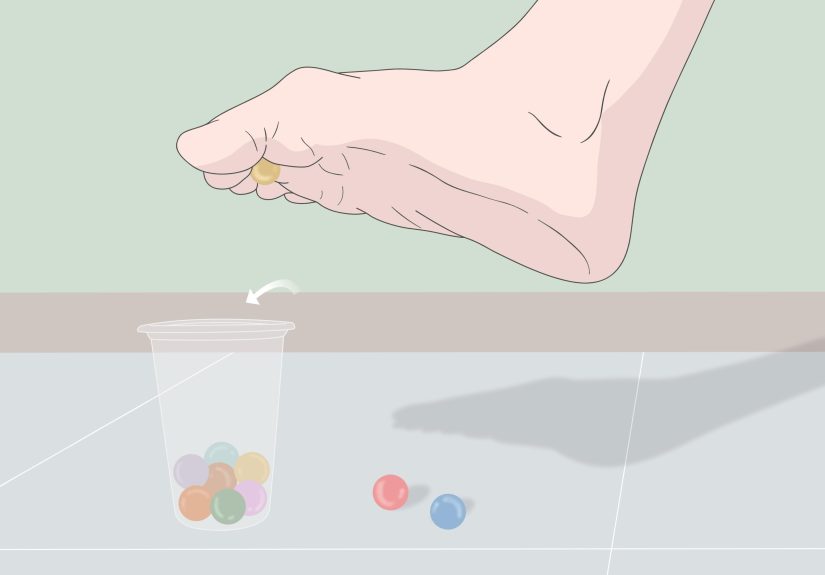
Place a towel on the floor and use your toes to scrunch it toward you, then push it back out. Or pick up marbles, dice, or other small objects with your toes and drop them into a cup. Aim for 8 to 12 reps. These exercises strengthen the foot without loading it heavily. They are simple, slightly silly-looking, and surprisingly effective. If anyone asks what you are doing, tell them you are hosting a tiny strength camp for underappreciated foot muscles.
11. Finish with supportive habits that keep the stretch working
The final step is not really a stretch, but it is what makes all the others matter. Wear shoes with decent arch support and cushioning, especially on hard floors. Avoid walking barefoot if your arch is already irritated. Ease up on high-impact activity when pain flares. Ice the area for about 15 minutes if it is sore after activity. Some people also do better with a night splint or over-the-counter arch support, especially when the first steps in the morning are the worst. In other words, do not stretch your arch beautifully and then spend eight hours stomping around in unsupportive flip-flops.
How Often Should You Stretch the Arch of Your Foot?
For most people, a short routine done once to three times a day works better than one heroic session every other Tuesday. The seated plantar fascia stretch, towel stretch, and calf stretches are all good daily choices. Rolling the arch can be done once or twice a day, especially after standing or exercise. Strength moves like arch lifts, towel scrunches, and marble pickups are usually best done daily or several times a week.
The real secret is consistency. Foot tissues often respond to steady, boring repetition much better than occasional bursts of enthusiasm. It is less “weekend warrior,” more “calm, organized adult who owns a towel.”
Common Mistakes to Avoid
- Stretching into sharp pain: A gentle pull is fine. Sharp, hot, or stabbing pain is your cue to back off.
- Ignoring the calf: If you only stretch the arch and skip the calf and Achilles, you may miss a big part of the problem.
- Doing too much too fast: More pressure does not equal more progress.
- Walking barefoot on hard floors: This can keep irritating the plantar fascia while you are trying to calm it down.
- Quitting the moment it feels better: A few extra weeks of maintenance often helps prevent the pain from boomeranging back.
When to See a Professional
Home care can help a lot, but some symptoms deserve expert eyes. See a clinician if you have severe pain, pain after a fall or twist, swelling that does not settle, numbness, tingling, signs of infection, or pain that keeps hanging around despite several weeks of stretching and supportive footwear. Persistent symptoms can point to plantar fasciitis, tendon problems, nerve irritation, stress injury, or other causes of arch pain that need a more tailored plan.
What People Commonly Experience While Doing These Stretches
One of the most reassuring things about stretching the arch of your foot is that progress often looks ordinary, not dramatic. Many people start because of that classic first-step discomfort in the morning. The foot hurts when it hits the floor, then settles down once they shuffle around a bit. At first, the stretches can feel almost too simple to matter. A toe pull here, a towel stretch there, a frozen water bottle rolling under the foot while answering email. Glamorous? Not exactly. Helpful? Very often, yes.
During the first few days, people usually notice that the foot is still stiff, but it warms up faster. The arch may feel tight after long periods of sitting, yet less angry after a short stretch session. A lot of people also realize that the calf is more involved than they expected. They come for the arch pain and leave with the surprising discovery that the lower leg was quietly stirring the pot the whole time.
By the second week, some common patterns show up. Morning pain may be shorter. Standing in the kitchen, classroom, clinic, warehouse, or store feels a little less annoying. Runners sometimes report that the first mile stops feeling like a negotiation with their heel. Office workers often love the rolling massage because it is discreet enough to do under a desk, and because it turns a frozen water bottle into a legitimate wellness tool instead of just lunchbox filler.
There are also the tiny wins nobody talks about enough. You remember to put on supportive shoes instead of wandering barefoot across tile. You stop assuming that “more stretch” means “better stretch.” You realize the arch likes regular attention more than random punishment. You discover that marble pickups are weirdly hard, which is humbling, but also proof that your foot muscles have probably been coasting for years.
Not every day feels linear, and that is normal. Some people feel better for three days and then overdo a workout, a long shift, or a weekend of errands in flimsy shoes. Suddenly the arch complains again. That does not always mean the routine failed. It often means the foot is improving, but still needs time, load management, and consistency. Recovery can be less like flipping a switch and more like slowly turning down the volume on an overactive alarm.
Another common experience is realizing that relief comes from the combination, not one magic move. The seated toe stretch helps. The calf stretch helps. The supportive shoes help. The frozen bottle helps after a long day. Put them together and the foot usually behaves better than when any one piece is used alone. That combination mindset matters because people often go searching for the single perfect plantar fasciitis exercise when what they really need is a smart, repeatable routine.
People with flat feet, high arches, or jobs that require hours of standing may notice they need longer-term maintenance. That is not failure. That is just biomechanics being biomechanics. For them, a few minutes of daily mobility and strength may become part of life, like brushing teeth or pretending they will definitely go to bed early tonight. The upside is that these habits are simple, cheap, and usually much easier than dealing with recurring heel pain.
The biggest emotional shift is often confidence. Once someone understands how to stretch the arch of the foot properly, the pain feels less mysterious. They are no longer just limping around hoping the foot will sort itself out. They have a plan. And honestly, few things are more satisfying than beating stubborn arch pain with a towel, a wall, a water bottle, and a tiny bit of consistency.
Final Takeaway
If you want to stretch the arch of your foot effectively, think bigger than the arch alone. Start with gentle plantar fascia stretches, add calf and Achilles work, use rolling massage for relief, and build strength with arch lifts and toe exercises. Do the routine consistently, wear supportive shoes, and respect pain signals instead of trying to bully your foot into cooperation. Most importantly, keep it simple enough that you will actually do it. A fancy plan you ignore is far less useful than a basic routine you repeat every day.