Table of Contents >> Show >> Hide
- Why White Clothes Turn Yellow, Gray, or Dingy
- How to Wash White Clothes Before You Store Them
- The Best Way to Store White Clothes
- How to Protect White Clothes From Everyday Damage
- Storage Mistakes That Ruin White Clothes
- How to Refresh White Clothes After Storage
- Best Practices for Different Types of White Clothes
- Experience-Based Lessons: What People Learn the Hard Way About White Clothes
- Conclusion
- SEO Tags
White clothes look crisp, polished, and expensive right up until they decide to behave like overripe bananas. One day your favorite white shirt is bright and fresh. The next, it is mysteriously cream, vaguely gray, or sporting that lovely “I forgot this in the closet for six months” yellow tint. The good news is that white clothing is not impossible to maintain. It is just a little dramatic.
If you want to keep white clothes looking clean, sharp, and actually white, you need more than a basic wash-and-hope routine. Proper storage matters. Fabric care matters. Humidity matters. Even the deodorant on your underarms can be part of the plot twist. In this guide, you will learn how to store white clothes, protect them from stains and yellowing, and make them last longer without turning your laundry room into a chemistry lab gone rogue.
Why White Clothes Turn Yellow, Gray, or Dingy
Before you can protect white clothes, it helps to know what you are fighting. White garments usually do not lose their brightness because life is unfair, although that can feel accurate. They fade because of buildup and bad storage habits.
Common reasons white clothes lose their brightness
- Body oils and sweat: Collars, cuffs, underarms, and necklines collect invisible grime long before you see a stain.
- Detergent residue: Too much detergent can stay in the fibers and attract more soil.
- Dye transfer: Washing whites with colored items is the laundry equivalent of trusting a toddler with permanent markers.
- Moisture in storage: Damp fabric plus poor airflow can lead to mildew, odor, and yellowing.
- Improper bleach use: Overusing chlorine bleach can weaken fibers and sometimes contribute to discoloration.
- Heat and sunlight in the wrong setting: Excessive heat during drying or storage can age fibers faster.
- Plastic storage traps: Non-breathable storage can hold in moisture and encourage yellowing over time.
In other words, white clothes are not fragile royalty, but they do expect decent treatment.
How to Wash White Clothes Before You Store Them
The number one rule of storing white clothes is painfully simple: never store them dirty. Even if a shirt looks clean, invisible residue from sweat, lotion, perfume, body oil, and daily wear can oxidize over time and turn into yellow patches while the garment sits in storage. That is how people pull out a “perfectly clean” white blouse months later and wonder why it now looks like antique parchment.
Step 1: Sort white clothes properly
Wash white clothing separately from darks and bright colors. Even pale colors can dull whites over time. If you are washing patterned white pieces, separate heavily dyed items from true whites.
Step 2: Read the care label
Some whites can handle warm or hot water. Others need cold water or a gentle cycle. Cotton tees, towels, and sheets usually tolerate warmer temperatures better than lace tops, rayon blouses, or white garments with stretch fibers. The care label is not decorative. It is the tiny fabric passport that prevents regret.
Step 3: Pretreat the problem areas
Before washing, inspect collars, underarms, cuffs, hemlines, and front panels. These are the places where sweat, deodorant, food splashes, and makeup love to settle down and sign a lease. Use a stain remover or a small amount of liquid detergent and gently work it into the fabric before washing.
Step 4: Use the right detergent and not too much
More detergent does not mean cleaner clothes. It often means more residue. Use the amount recommended for your load size and water type. If your water is hard, you may need a detergent designed to work better in mineral-heavy water.
Step 5: Choose a whitening booster carefully
For many washable whites, oxygen bleach is a gentler option than chlorine bleach. It can help brighten fabric and lift dinginess without being as harsh on fibers. Baking soda, borax, or bluing products may also be used in some laundry routines, depending on the garment and product directions. Do not freestyle your way into a chemical experiment. Always follow the label, and never mix bleach with ammonia or vinegar.
Step 6: Rinse well and dry completely
An extra rinse can help remove leftover detergent and bleaching agents. When the wash is done, do not leave white clothes sitting in the machine all day while you “come back to it later.” Later is how mildew gets invited. Dry the items promptly and make sure they are completely dry before folding or hanging.
The Best Way to Store White Clothes
Once white clothes are truly clean and dry, storage becomes the next big factor. The goal is simple: protect the fabric from moisture, dust, trapped fumes, insects, crushing, and long-term yellowing.
Choose a cool, dry, dark place
The ideal storage area is inside the main living space of your home, not in a swampy basement, blazing attic, or garage that experiences all four seasons in one afternoon. White garments do best in a stable environment with moderate temperature and low humidity.
Use breathable storage materials
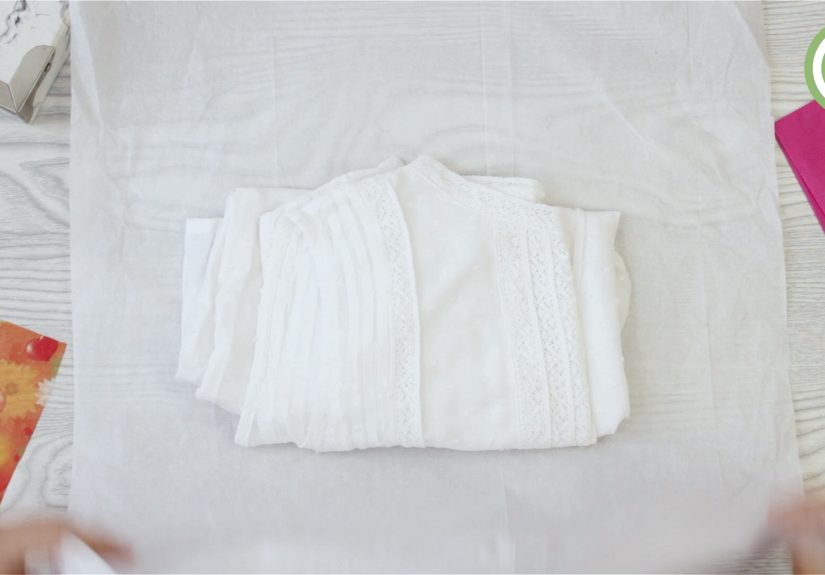
Cotton garment bags, muslin covers, and acid-free tissue paper are excellent choices for long-term clothing storage. They allow airflow while reducing dust buildup. This is especially helpful for white dresses, blouses, suits, uniforms, heirloom linens, and seasonal pieces you do not wear often.
Avoid storing white clothes in ordinary plastic bags from the dry cleaner for long periods. Those bags can trap moisture, restrict airflow, and contribute to yellowing. Plastic bins can work better than flimsy plastic bags for some situations, but garments still benefit from breathable wrapping inside, especially for long-term storage.
Do not overcrowd your closet
White clothes need breathing room. Overpacked closets create wrinkles, transfer dirt from neighboring items, and reduce airflow. If your closet is stuffed so tightly that your white button-down emerges looking emotionally exhausted, it is time to edit the space.
Use the right hangers
For structured pieces like white blazers, dresses, and shirts, use smooth, shaped hangers that support the garment. Thin wire hangers are terrible roommates. They can distort shoulders and leave awkward marks. For knits or sweaters, fold rather than hang to prevent stretching.
Wrap special items for long-term storage
White wedding garments, christening outfits, special occasion linens, and heirloom clothing deserve extra protection. Wrap them in acid-free tissue paper and place them in archival-quality boxes or breathable storage containers. This helps reduce creasing, dust exposure, and age-related yellowing.
How to Protect White Clothes From Everyday Damage
Keeping white clothes white is easier when you build a few prevention habits into daily life. This is the laundry equivalent of brushing your teeth instead of booking a root canal.
1. Wash whites more regularly
Do not let white clothing sit in the hamper forever. Because whites show buildup quickly, frequent washing can prevent dullness from setting in. A white T-shirt that gets worn repeatedly without proper cleaning is basically collecting evidence.
2. Be careful with deodorant, makeup, and sunscreen
Let personal care products dry before getting dressed. This one habit can reduce yellow underarm stains, foundation smudges around necklines, and mystery tan marks from sunscreen. White shirts and rushed mornings are not natural allies.
3. Spot clean fast
Food, coffee, wine, grass, and makeup stains are easier to remove when treated early. The longer they sit, the more likely they are to become permanent residents.
4. Keep your washer clean
A washing machine with residue, mold, or mildew can make “clean” laundry smell wrong and look worse. Clean the washer regularly, especially front-load machines with door seals that can hold moisture. Also leave the door or lid open after cycles when appropriate for your machine to help it dry out.
5. Avoid overdrying
High heat can stress fibers and set in stains you missed. For many white clothes, line drying or air drying partway can help preserve the fabric. Sunlight can brighten some sturdy washable whites, but delicate items should not be baked outdoors like casserole.
Storage Mistakes That Ruin White Clothes
Sometimes the problem is not your detergent. It is a quiet little storage habit causing slow-motion chaos.
- Putting clothes away slightly damp: Even a little moisture can cause odor and mildew.
- Using non-breathable plastic for months: This can trap humidity and encourage yellowing.
- Storing in hot attics or humid basements: Bad for color, bad for fibers, bad for your mood.
- Ignoring care labels: Not all white fabrics want the same treatment.
- Leaving stains untreated before storage: Tiny stains become dramatic biographies later.
- Overusing bleach: More is not more. Sometimes more is damage.
- Cramming closets full: Airflow matters more than people think.
How to Refresh White Clothes After Storage
If you pull out stored white clothes and they look a little dull, do not panic. Most pieces can recover nicely.
A simple refresh routine
- Shake out dust and inspect for yellow spots, mildew, or insect damage.
- Pretreat visible stains, especially collars, underarms, and fold lines.
- Wash according to the care label.
- Use an appropriate brightening booster if needed.
- Rinse thoroughly.
- Dry completely before rewearing or returning to storage.
If a garment is delicate, vintage, heavily embellished, or sentimental, professional cleaning may be the safer route. Some clothes deserve expert help and not a bold home experiment inspired by internet confidence.
Best Practices for Different Types of White Clothes
White shirts and blouses
Pretreat collars and underarms, use hangers that support shape, and leave space between garments in the closet. For long-term storage, breathable garment bags are ideal.
White T-shirts
Wash often, avoid heat buildup in the dryer, and fold neatly in a dry drawer or shelf. Do not store them in packed piles where they get crushed and stale.
White sweaters and knits
Fold instead of hanging. Use acid-free tissue if storing for a season. Add cedar or lavender nearby only if it does not directly stain or perfume the fabric.
White dresses and special occasion wear
Clean immediately after use, even if they look spotless. Body oils and invisible stains can oxidize in storage. Use padded hangers for short-term storage and archival wrapping for long-term storage.
White linens and bedding
Store in a well-ventilated closet, not in damp plastic bins. Fold loosely, rotate regularly, and avoid storing in spaces with poor airflow or high humidity.
Experience-Based Lessons: What People Learn the Hard Way About White Clothes
Anyone who has owned white clothes for more than five minutes has probably learned a few lessons the annoying way. One of the most common experiences is opening a closet at the start of a new season, reaching for a white shirt that looked perfectly fine when it was put away, and discovering yellow shadows around the collar and underarms. That happens because “looks clean” and “is clean enough for storage” are not the same thing. Invisible sweat, body oil, lotion, and deodorant residue keep reacting while the garment sits, almost like the fabric is quietly aging in dog years.
Another familiar experience is the tragic dry-cleaner bag mistake. A lot of people assume that if a white garment is sealed in plastic, it must be protected. Then months later, the piece comes out with a stale smell, weird discoloration, or fold lines that look permanent. Breathable storage really does make a difference. Clothes, especially white ones, need air circulation more than they need a plastic hostage situation.
Humidity is another sneaky villain. People often store white clothes in spare rooms, laundry areas, basements, or under-bed bins without thinking much about moisture. Then the fabric comes out smelling musty, or worse, with faint yellow or brown spots that were never there before. Many people only realize after the fact that damp air and trapped heat are rough on white clothing. A simple habit like letting garments dry fully, spacing them out, and using a closet with better airflow can save a lot of frustration later.
There is also the bleach misconception. Plenty of people grow up thinking that extra bleach equals extra whiteness, so they pour with confidence and optimism. Then the clothes get rougher, thinner, or oddly dull over time. The experience teaches a useful truth: fabric care is not about attacking a shirt until it surrenders. It is about cleaning it thoroughly, rinsing it properly, and storing it like you plan to wear it again.
And then there is the classic “I left it in the washer overnight” moment. Almost everyone does this once. They open the washer the next day, inhale that swampy sigh from the drum, and realize laundry has a very short memory for freshness. White clothes especially seem to absorb those mistakes with enthusiasm. After that, most people become much better at moving loads quickly and keeping the washer itself clean.
The biggest experience-based lesson is simple: white clothes reward consistency, not heroics. You do not need a hundred products or a secret laundress living in the walls. You need a repeatable routine. Wash whites separately. Treat stains early. Use the right amount of detergent. Dry completely. Store in a cool, dry, breathable environment. Give garments space. When people stick to those basics, white clothes stay brighter longer and require far less rescue work later.
In other words, the best way to protect white clothes is not glamorous. It is just smart. And thankfully, smart is much cheaper than replacing your favorite white shirt every six months.
Conclusion
Learning how to store and protect white clothes is really about controlling the small things before they become expensive problems. Clean garments before storage, dry them completely, choose breathable storage materials, avoid heat and humidity, and keep everyday stains from settling in. White clothes may be high-maintenance compared with darker pieces, but they are not impossible. Treat them well, and they will keep delivering that crisp, fresh look that makes every outfit feel more polished.
And when in doubt, remember this timeless truth: white clothing does not need luck. It needs airflow, prompt laundry habits, and fewer bad decisions involving damp closets and overconfident bleach pours.