Table of Contents >> Show >> Hide
- Common Signs of Poisoning in Cats
- How to Treat a Poisoned Cat: 13 Steps
- 1. Remove Your Cat From the Source of Poison
- 2. Check Your Cat’s Breathing and Alertness
- 3. Call a Veterinarian or Pet Poison Hotline Immediately
- 4. Do Not Induce Vomiting Unless a Vet Tells You To
- 5. Gather the Evidence
- 6. Prevent Your Cat From Grooming Contaminated Fur
- 7. Follow Safe Decontamination Advice
- 8. Keep Your Cat Calm and Warm
- 9. Do Not Feed Your Cat Unless Advised
- 10. Transport Your Cat Safely to the Vet
- 11. Understand What the Vet May Do
- 12. Monitor Your Cat After Returning Home
- 13. Poison-Proof Your Home for the Future
- Common Cat Poisons to Keep Away
- When Is Cat Poisoning an Emergency?
- What Not to Do for a Poisoned Cat
- Real-Life Experience: What Cat Owners Learn From Poison Scares
- Conclusion
Important note: Cat poisoning is always an emergency. This article is for educational purposes only and does not replace veterinary care. If you think your cat has eaten, licked, inhaled, or touched something toxic, call your veterinarian, an emergency animal hospital, the ASPCA Animal Poison Control Center at (888) 426-4435, or Pet Poison Helpline at (855) 764-7661 right away.
Cats are elegant, mysterious, and deeply committed to investigating the one thing in the room they absolutely should not touch. A lily on the counter? Fascinating. A dropped pill? Suspiciously snack-sized. A cleaning product under the sink? Apparently worth a sniff. Unfortunately, because cats are small, sensitive, and talented at hiding symptoms, poisoning can become serious quickly.
Knowing how to treat a poisoned cat does not mean becoming a kitchen-table veterinarian. It means staying calm, acting fast, avoiding dangerous home remedies, and getting professional help before symptoms spiral. The right first steps can make a real difference in your cat’s chance of recovery.
Common Signs of Poisoning in Cats
Cat poisoning symptoms vary depending on the toxin, amount, and timing of exposure. Some cats show signs within minutes, while others may seem normal for hours. That delay is exactly why waiting to “see what happens” is risky.
Watch for vomiting, drooling, diarrhea, weakness, wobbling, tremors, seizures, coughing, trouble breathing, loss of appetite, pale or unusual gum color, sudden sleepiness, agitation, excessive thirst, increased urination, bruising, bleeding, or collapse. A cat that suddenly acts “not like herself” after possible toxin exposure should be treated as an emergency.
How to Treat a Poisoned Cat: 13 Steps
1. Remove Your Cat From the Source of Poison
The first step is simple but urgent: separate your cat from the suspected toxin. Move your cat to a safe, quiet area with fresh air. If the poison is a spilled cleaner, pesticide, medication, plant, or food, block access immediately. If there are other pets in the home, keep them away too. One poisoned cat is an emergency; three curious pets reenacting the crime scene is a sequel nobody ordered.
Do not throw the suspected toxin away yet. You may need the package, label, plant sample, pill bottle, or product name for the veterinarian or poison control specialist.
2. Check Your Cat’s Breathing and Alertness
Look at your cat before you look at the mess. Is your cat breathing normally? Is she conscious? Can she stand? Is she having a seizure, gasping, bleeding, or collapsing? Severe symptoms mean you should go to an emergency veterinary hospital immediately while another person calls ahead if possible.
If your cat is stable but may have been exposed to a toxin, do not relax too soon. Some dangerous poisons, including certain plants, medications, and rodenticides, may cause delayed symptoms.
3. Call a Veterinarian or Pet Poison Hotline Immediately
Professional guidance is the most important treatment step. Call your regular veterinarian, the nearest emergency animal hospital, ASPCA Animal Poison Control, or Pet Poison Helpline. Be ready to explain what happened, when it happened, what your cat weighs, how much exposure may have occurred, and what symptoms you see.
Calling first matters because treatment depends on the toxin. The right response for one poison may be dangerous for another. For example, vomiting may sometimes be part of veterinary treatment, but it can be harmful with corrosive chemicals, petroleum products, or cats that are weak, unconscious, or having neurological signs.
4. Do Not Induce Vomiting Unless a Vet Tells You To
This is one of the biggest mistakes cat owners make. Do not try to make your cat vomit at home unless a veterinarian or poison control expert specifically instructs you to do so. Cats are not tiny dogs in opera gloves; they respond differently, and home vomiting methods can cause choking, aspiration, burns, or worse.
Also avoid giving salt, peroxide, oil, milk, charcoal, herbal mixtures, or “internet antidotes.” A poisoned cat needs accurate treatment, not a pantry experiment with dramatic lighting.
5. Gather the Evidence
Bring the suspected toxin with you or take clear photos of it. Useful evidence includes packaging, ingredient lists, medication strength, plant leaves or flowers, vomit, chewed wrappers, bait blocks, spilled powder, or cleaning product labels. If your cat may have eaten a human medication, note the drug name, dose, and how many tablets are missing.
For plants, a photo can help identify the species. This is especially important with lilies, because true lilies and daylilies are extremely dangerous to cats and can cause kidney failure even after small exposures.
6. Prevent Your Cat From Grooming Contaminated Fur
If the toxin is on your cat’s coat, paws, or skin, stop your cat from grooming. Use an Elizabethan collar if you have one, or gently wrap your cat in a towel while you call for advice. Cats clean themselves with dedication worthy of a tiny spa employee, but licking chemicals, pesticides, essential oils, or powders from the fur can turn a skin exposure into an internal poisoning.
Do not wash your cat until you receive professional guidance, especially if you do not know what the substance is. Some chemicals react badly with water.
7. Follow Safe Decontamination Advice
If a veterinarian or poison control specialist says bathing is appropriate, they may recommend lukewarm water and mild dish soap for certain oily or topical substances. Wear gloves to protect yourself, keep the water away from your cat’s face, and dry your cat thoroughly afterward to prevent chilling.
If the poison is a powder, you may be told to carefully brush or vacuum it away before washing. The key is to ask first. With poisoning, “do something fast” is less helpful than “do the correct thing fast.”
8. Keep Your Cat Calm and Warm
Stress can make a sick cat worse. Keep your cat in a quiet carrier or small room while arranging veterinary care. Avoid loud noise, rough handling, and repeated checking that turns into panic. Use a towel for comfort, but do not overheat your cat.
If your cat is trembling, weak, or disoriented, handle her gently. Cats in pain or distress may scratch or bite without meaning to. A carrier is safer than carrying a frightened cat loose in your arms.
9. Do Not Feed Your Cat Unless Advised
Do not offer food, treats, milk, broth, or supplements unless a professional tells you to. Food may interfere with treatment, worsen vomiting, or delay procedures. Milk is not a universal antidote; it is mostly a universal myth with whiskers.
Fresh water may be acceptable in some cases, but if your cat is vomiting, weak, having seizures, or unable to swallow normally, do not force water into her mouth. Forcing fluids can lead to choking or aspiration.
10. Transport Your Cat Safely to the Vet
If veterinary care is recommended, place your cat in a secure carrier with a towel. Bring the toxin information, any samples, and your notes. Call the clinic before you arrive so they can prepare. Emergency teams may ask you to come in immediately, especially if the exposure involves lilies, human medications, rodenticides, antifreeze, pesticides, cleaning chemicals, or neurological symptoms.
Drive safely. A calm, controlled trip is better than a frantic one. Your cat needs help, and she also needs you to arrive in one piece.
11. Understand What the Vet May Do
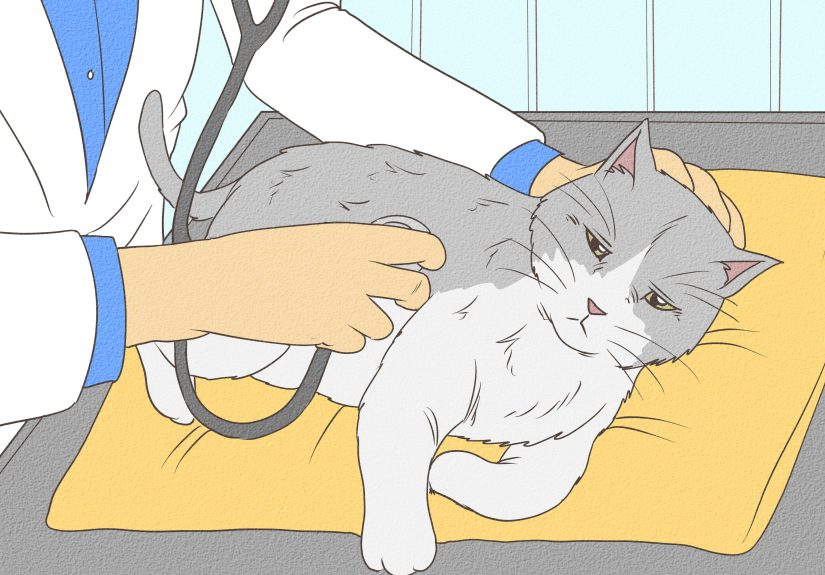
Veterinary treatment depends on the poison. The clinic may perform an exam, blood work, urine testing, blood pressure checks, X-rays, or toxin-specific testing. Treatments may include IV fluids, anti-nausea medication, seizure control, oxygen support, temperature regulation, wound or skin care, medications that bind some toxins, or antidotes when available.
Some cats need hospitalization for monitoring, especially when toxins can affect the kidneys, liver, nervous system, heart, or blood clotting. Early treatment usually gives the best chance of recovery.
12. Monitor Your Cat After Returning Home
Once your cat comes home, follow discharge instructions exactly. Give medications only as prescribed, keep follow-up appointments, and watch for returning symptoms. Call the vet if your cat stops eating, vomits repeatedly, hides more than usual, has trouble walking, urinates abnormally, seems painful, or acts unusually sleepy.
Do not restart normal routines too quickly. A recovering cat may need a quiet room, easy access to litter, fresh water, and gentle observation. This is not the moment for a new toy that chirps like a caffeinated robot.
13. Poison-Proof Your Home for the Future
After the emergency, prevent round two. Store medications in closed cabinets, keep cleaners locked away, avoid toxic plants, secure trash cans, hide cords and chemical products, and never use dog flea products on cats unless your veterinarian specifically approves them. Many dog parasite products contain ingredients that can be dangerous to cats.
Keep emergency numbers saved in your phone and posted near the fridge. If you live with family or roommates, make sure everyone knows which plants, foods, and medications are dangerous. Poison prevention is not about being paranoid; it is about admitting that cats have the survival instincts of ninjas and the curiosity of toddlers.
Common Cat Poisons to Keep Away
Human Medications
Pain relievers, cold medicines, antidepressants, ADHD medications, sleep aids, vitamins, and supplements can be dangerous to cats. Never give human medication to a cat unless a veterinarian prescribes it.
Toxic Plants
Lilies are among the most serious plant dangers for cats. Other risky plants may include sago palm, oleander, foxglove, azalea, dieffenbachia, pothos, and philodendron. Because plant names can be confusing, identify every plant before bringing it into a cat household.
Household Cleaners and Chemicals
Bleach, disinfectants, drain cleaners, laundry products, essential oils, paint products, solvents, and concentrated cleaners can harm cats through licking, inhaling, or skin contact. Always let cleaned surfaces dry before allowing pets back into the area.
Foods That Are Unsafe for Cats
Chocolate, alcohol, caffeine, onions, garlic, grapes, raisins, raw yeast dough, and foods containing xylitol should be kept away from cats. Cats may not beg like dogs, but they are excellent at silent countertop inspections.
Pest Control Products
Rodenticides, insecticides, slug bait, and flea or tick products can be highly dangerous. Use pet-safe pest control methods and store bait or chemicals where cats cannot reach them.
When Is Cat Poisoning an Emergency?
Any suspected poisoning deserves a call to a veterinarian or poison hotline. Go to an emergency clinic immediately if your cat has seizures, trouble breathing, collapse, severe vomiting, abnormal bleeding, extreme weakness, exposure to lilies, ingestion of human medication, exposure to rodent poison, or contact with a strong chemical.
Even if your cat looks normal, do not assume everything is fine. Cats are famous for hiding illness. In nature, that skill helps protect them. In your living room, it can make emergencies harder to spot.
What Not to Do for a Poisoned Cat
Do not wait overnight to see if symptoms develop. Do not search for a home antidote. Do not force food, milk, oil, or water. Do not use dog medications or dog flea products. Do not induce vomiting without professional instruction. Do not assume a small amount is safe. With cats, small amounts can matter.
The safest “home treatment” is rapid professional guidance, careful handling, and preventing further exposure.
Real-Life Experience: What Cat Owners Learn From Poison Scares
Many cat poisoning stories start the same way: “I only looked away for a minute.” That minute may be enough for a cat to chew a plant, step in cleaner, lick spilled medication residue, or investigate a dropped supplement. The first lesson is that prevention has to be boringly practical. Closed doors, locked cabinets, sealed trash, and plant checks are not glamorous, but they work.
One common experience involves lilies. A bouquet arrives, everyone admires it, and the cat strolls over like a tiny floral inspector. The owner may not know that pollen, leaves, petals, stems, and even vase water from certain lilies can be dangerous. By the time vomiting or appetite loss appears, the clock may already be ticking. People who have gone through this often say they wish they had known one simple rule earlier: if you have cats, skip lilies completely.
Another frequent scare involves medication. A pill drops on the floor, bounces under a table, and suddenly the household becomes a search-and-rescue team. Cat owners quickly learn to count pills, close bottles immediately, and never leave weekly pill organizers where paws can reach them. A cat does not need to understand what medicine is to decide it is worth batting across the floor.
Cleaning products create a different kind of problem. A freshly mopped floor, wet bathtub, or disinfected counter may seem harmless, but cats walk through surfaces and later groom their paws. Experienced cat owners often develop a routine: clean, rinse if needed, ventilate, dry completely, then allow the cat back in. It feels fussy until you realize the cat’s tongue is basically a self-cleaning mop with opinions.
Poison scares also teach the value of preparation. The owners who handle emergencies best usually have three things ready: a carrier, a saved emergency clinic number, and poison hotline contacts. They do not waste precious minutes searching “is this toxic to cats” while their cat is drooling or hiding. They call, describe the exposure, and follow instructions.
The emotional side is real too. Poisoning incidents are frightening, and guilt can hit hard. But guilt does not treat toxins; action does. The best response is to stay calm, gather information, and get help quickly. Afterward, turn the experience into a safer home. Remove risky plants. Move medications. Rethink cleaners. Check labels. Tell everyone in the house what changed and why.
Most importantly, cat owners learn that fast care is not overreacting. It is responsible. A cat who turns out to be fine after a poison call is not an embarrassment; that is the best possible ending. In pet emergencies, “better safe than sorry” is not a cliché. It is a strategy with whiskers.
Conclusion
Learning how to treat a poisoned cat is really about knowing what to do in the first critical minutes. Remove your cat from danger, call a veterinarian or poison hotline, avoid unsafe home remedies, gather evidence, and get emergency care when advised. The faster you act, the better your cat’s chances may be.
Cats are curious, clever, and occasionally terrible at reading warning labels. Your job is to make the home safer before trouble happens and respond quickly if it does. Keep toxic plants, medications, cleaners, foods, and pest products out of reach, and keep emergency numbers where you can find them fast.