Table of Contents >> Show >> Hide
- What Is Blood Osmolality?
- Why Doctors Order a Blood Osmolality Test
- How the Blood Osmolality Test Works
- Normal Blood Osmolality Range
- What High Blood Osmolality May Mean
- What Low Blood Osmolality May Mean
- The Role of ADH: Your Body’s Water-Saving Hormone
- Blood Osmolality and Urine Osmolality Together
- What Is the Osmolal Gap?
- Blood Osmolality Test Results: How to Read Them Wisely
- Risks and Side Effects of the Test
- When to Seek Urgent Medical Care
- Experience-Based Practical Guide: What It Feels Like and How to Prepare
- Conclusion
A blood osmolality test sounds like something a scientist might shout during a dramatic laboratory scene, but it is actually a practical blood test that helps doctors understand your body’s water and chemical balance. In plain English, it measures how concentrated your blood is. Think of your bloodstream like soup: if there is too much water, it becomes thin and diluted; if there is too little water or too many dissolved substances, it becomes concentrated. Your body prefers the recipe to be just right.
This test is also called a serum osmolality test or plasma osmolality test. It measures dissolved particles in the liquid part of your blood, including sodium, glucose, urea, and other electrolytes. Doctors may order it when they suspect dehydration, overhydration, abnormal sodium levels, certain poisonings, diabetes insipidus, kidney-related fluid balance problems, or unexplained changes in urination.
The good news? The test itself is simple. The interpretation, however, is where the medical detective work begins. A single osmolality result does not usually tell the whole story. It works best when combined with other tests, symptoms, medical history, and sometimes urine osmolality. In other words, blood osmolality is not the whole mystery novel; it is a very useful chapter.
What Is Blood Osmolality?
Blood osmolality refers to the concentration of dissolved particles in the blood. These particles are often called solutes. The main contributors are sodium, chloride, glucose, and urea, although other substances can matter in certain situations. Osmolality is reported in milliosmoles per kilogram, commonly written as mOsm/kg.
Sodium plays the starring role because it is the major electrolyte in the blood. Glucose and blood urea nitrogen, often shortened to BUN, also influence the result. When glucose is very high, as can happen in uncontrolled diabetes, serum osmolality may rise. When urea builds up because the kidneys are not clearing waste normally, osmolality may also increase.
Osmolality vs. Osmolarity: Are They the Same?
You may see both osmolality and osmolarity mentioned online. They are related, but not exactly identical. Osmolality measures particles per kilogram of fluid, while osmolarity measures particles per liter. In everyday clinical conversation, people may use the terms loosely, but laboratories usually report serum osmolality as mOsm/kg. For patients, the key idea is concentration: how much “stuff” is dissolved in the watery part of your blood.
Why Doctors Order a Blood Osmolality Test
A blood osmolality test helps evaluate your body’s water balance. Your body is constantly trying to keep water and electrolytes in a healthy range. Your kidneys, brain, hormones, and thirst mechanism all join the team. When something disrupts that balance, osmolality can shift.
Doctors may order this test when symptoms or other lab results suggest that your blood is too diluted or too concentrated. It may be used in emergency care, kidney evaluation, endocrine testing, toxicology workups, and hospital monitoring.
Common Reasons for Testing
- Low blood sodium: Also called hyponatremia, this can cause nausea, headache, confusion, weakness, seizures, or even coma in severe cases.
- High blood sodium: Also called hypernatremia, this may occur with dehydration, water loss, or problems regulating thirst and urine concentration.
- Dehydration: When the body loses more water than it takes in, blood can become more concentrated.
- Overhydration: Too much water in the blood can dilute sodium and lower osmolality.
- Diabetes insipidus: This condition affects how the body manages water, often causing intense thirst and large amounts of dilute urine.
- Suspected poisoning: Substances such as methanol, ethylene glycol, isopropyl alcohol, ethanol, or certain drugs may affect measured osmolality.
- Kidney function concerns: The kidneys help regulate water, sodium, and waste products, so osmolality can be part of a broader evaluation.
How the Blood Osmolality Test Works
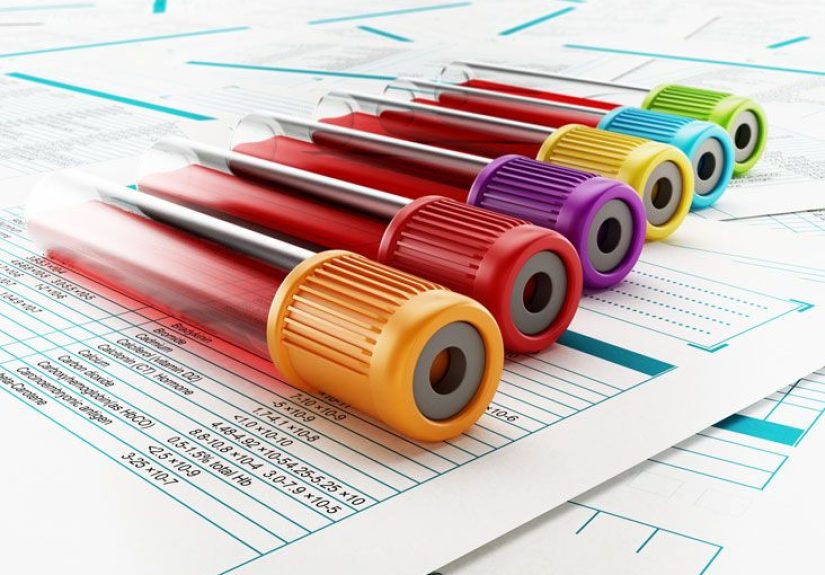
The test is performed using a blood sample, usually drawn from a vein in your arm. A healthcare professional cleans the skin, places a needle into the vein, collects blood into a tube, and sends the sample to a laboratory. The needle part is usually quick. It may feel like a pinch, sting, or tiny betrayal from modern medicine, but it is over fast.
In the lab, serum or plasma is analyzed to determine how concentrated it is. Many laboratories measure osmolality using a method called freezing point depression. The idea is that dissolved particles lower the freezing point of a liquid. By measuring that change, the lab can estimate the number of dissolved particles.
Do You Need to Fast?
Preparation depends on why the test is being ordered and what other tests are being done at the same time. Some people do not need to fast. Others may be told not to eat for a certain period, especially if glucose or metabolic tests are being checked together. Your clinician may also ask about medications, including diuretics, because some drugs can affect fluid balance and test results.
Do not stop prescribed medication unless your healthcare provider tells you to. This is not the moment to freestyle your medication schedule.
Normal Blood Osmolality Range
A common adult reference range for serum osmolality is about 275 to 295 mOsm/kg. Some laboratories use slightly different ranges, such as 280 to 300 mOsm/kg or age-adjusted values. This is why your own lab report’s reference range matters.
A result just outside the listed range does not automatically mean something dangerous is happening. Doctors interpret the number in context. They consider your sodium level, glucose level, kidney function, hydration status, medications, symptoms, and whether the test was measured directly or calculated.
What High Blood Osmolality May Mean
High blood osmolality means your blood is more concentrated than expected. This can happen when water is low, dissolved particles are high, or both. Dehydration is one common cause. If you have lost fluids through vomiting, diarrhea, heavy sweating, fever, burns, or poor fluid intake, osmolality may rise.
High osmolality can also occur when sodium is elevated. Because sodium is a major driver of serum osmolality, high sodium often pushes the number upward. High glucose can do the same, especially in severe hyperglycemia. In kidney disease, urea may build up and contribute to the result.
Possible Causes of High Osmolality
- Dehydration or water loss
- High blood sodium
- Severe high blood sugar
- Kidney failure or reduced kidney clearance
- Diabetes insipidus
- Alcohol or toxic alcohol ingestion
- Use of certain IV fluids or medications
Symptoms depend on the cause and severity. Some people feel extremely thirsty, weak, dizzy, confused, or unusually tired. Severe changes in sodium and osmolality can affect the brain and may become urgent.
What Low Blood Osmolality May Mean
Low blood osmolality means the blood is more diluted than expected. This often happens when there is too much water relative to sodium and other particles. One major situation is hyponatremia, or low blood sodium.
Low osmolality may be linked to excess water intake, certain medications, heart failure, kidney problems, liver disease, adrenal issues, or syndrome of inappropriate antidiuretic hormone secretion, often called SIADH. SIADH is a condition in which the body holds onto too much water because of excess antidiuretic hormone activity.
Possible Causes of Low Osmolality
- Low blood sodium
- Overhydration
- SIADH
- Heart, liver, kidney, or adrenal disorders
- Certain medications, including some diuretics and antidepressants
- Excessive water intake, especially in a short period
Symptoms can include headache, nausea, fatigue, confusion, muscle cramps, restlessness, and seizures in severe cases. Because low osmolality can reflect serious sodium imbalance, it should be interpreted by a medical professional rather than judged from an internet chart alone.
The Role of ADH: Your Body’s Water-Saving Hormone
Antidiuretic hormone, also called ADH or vasopressin, is one of the body’s main tools for controlling water balance. When blood osmolality rises, the brain signals for more ADH. ADH tells the kidneys to conserve water, making urine more concentrated. When blood osmolality falls, ADH usually decreases, and the kidneys release more water, making urine more diluted.
This system is impressively elegant when it works properly. It is like a thermostat, but for body water. When it malfunctions, people may develop abnormal thirst, unusual urination patterns, sodium disturbances, or dangerous dehydration.
Blood Osmolality and Urine Osmolality Together
A blood osmolality test is often paired with a urine osmolality test. Comparing the two helps doctors see whether the kidneys are responding appropriately. For example, if blood is concentrated, the kidneys should usually conserve water and produce concentrated urine. If urine remains very dilute despite high blood osmolality, that may point toward diabetes insipidus or another problem with water regulation.
On the other hand, if blood osmolality is low but urine remains concentrated, the body may be holding onto water when it should be releasing it. That pattern can appear in SIADH and other conditions. The exact interpretation depends on sodium, urine sodium, kidney function, medications, and clinical context.
What Is the Osmolal Gap?
The osmolal gap is the difference between measured serum osmolality and calculated serum osmolality. Calculated osmolality is usually estimated from sodium, glucose, and BUN, sometimes with ethanol included. When the measured number is much higher than the calculated number, it suggests that extra unmeasured substances may be present in the blood.
This can be important in suspected poisoning. Methanol, ethylene glycol, isopropyl alcohol, and other substances may increase the osmolal gap. However, a normal osmolal gap does not always rule out toxic ingestion, especially later after the substance has been metabolized. That is why clinicians also evaluate symptoms, acid-base status, anion gap, kidney function, and specific toxin levels when available.
Blood Osmolality Test Results: How to Read Them Wisely
The biggest mistake patients make is trying to interpret blood osmolality in isolation. A result of 298 mOsm/kg, for example, may mean something very different depending on whether the person is dehydrated after a stomach bug, has uncontrolled blood sugar, is taking a diuretic, or is being treated in an intensive care unit.
A good interpretation usually asks:
- Is sodium high, low, or normal?
- Is glucose elevated?
- Is BUN or creatinine abnormal?
- Is the person dehydrated or overhydrated?
- Is urine osmolality appropriate for the blood result?
- Could medication, alcohol, or toxin exposure be involved?
- Are there symptoms such as confusion, seizures, severe thirst, or reduced urination?
Your healthcare provider may repeat the test or order related tests before making a diagnosis. That is normal. Blood osmolality is a clue, not a crystal ball.
Risks and Side Effects of the Test
The blood draw itself is low risk for most people. Possible side effects include brief pain, bruising, bleeding, lightheadedness, or soreness at the needle site. Rarely, infection or more significant bleeding can occur. If you take blood thinners, have a bleeding disorder, or have fainted during blood draws before, let the healthcare professional know.
After the draw, applying pressure for a few minutes helps reduce bruising. Drinking water afterward may help if you feel lightheaded, unless your doctor has restricted fluids.
When to Seek Urgent Medical Care
Abnormal osmolality can sometimes reflect a serious condition. Seek urgent help if you or someone else has confusion, seizures, fainting, severe dehydration, extreme weakness, trouble breathing, suspected poisoning, severe vomiting, very low urine output, or a sudden major change in mental status.
If toxic alcohol ingestion is possible, do not wait for symptoms to “prove” it. Methanol and ethylene glycol can cause severe injury, and early treatment matters. Call emergency services or poison control immediately.
Experience-Based Practical Guide: What It Feels Like and How to Prepare
Many people first hear about a blood osmolality test after another lab result looks unusual. Maybe sodium is low, glucose is high, or a doctor is trying to figure out why someone is constantly thirsty and running to the bathroom like their bladder signed up for a marathon. The name can sound intimidating, but the actual patient experience is usually very ordinary: check in, sit down, sleeve up, small needle, done.
The most useful preparation is not complicated. Bring a current medication list, including prescriptions, over-the-counter medicines, supplements, and any diuretics or “water pills.” Mention recent vomiting, diarrhea, fever, heavy exercise, unusual sweating, major changes in fluid intake, alcohol use, or any possible exposure to chemicals. These details can help your clinician understand the number on the report.
If your provider asks you to fast, follow the instructions carefully. If no fasting instructions are given, do not assume you need to skip breakfast. For some people, especially those with diabetes, skipping meals without guidance can cause more problems than it solves. Ask the clinic or lab what they want you to do before the test.
During the blood draw, it helps to relax your arm and look away if needles make you nervous. Some people prefer to chat with the phlebotomist; others become deeply interested in the ceiling tiles. Both strategies are valid. If you have a history of fainting, say so before the needle comes out. The staff can have you lie down or take extra precautions.
After the test, the hardest part may be waiting for the result and resisting the urge to become a full-time internet detective. Online reference ranges can be useful, but they cannot replace clinical interpretation. A slightly high or low number may be explained by hydration, medication, glucose, kidney function, or lab variation. A very abnormal result, especially with symptoms, deserves prompt medical attention.
When results return, ask your provider three simple questions: “What does this result suggest in my case?” “Do we need to compare it with urine osmolality or sodium?” and “What should I do next?” These questions turn a confusing lab value into a practical plan. The goal is not just to label the number as high or low. The goal is to understand why your body’s fluid balance is off and what, if anything, should be done about it.
Conclusion
The blood osmolality test is a valuable tool for evaluating fluid balance, sodium problems, dehydration, overhydration, kidney-related concerns, diabetes insipidus, and possible poisoning. It measures how concentrated the liquid part of your blood is, giving doctors insight into how water, electrolytes, glucose, urea, and sometimes toxins are affecting your body.
While the blood draw is simple, interpretation can be complex. A serum osmolality result should be reviewed alongside symptoms, sodium, glucose, BUN, creatinine, urine osmolality, medications, and clinical history. Used properly, this test helps transform confusing symptoms into clearer medical direction. Your blood may not talk, but with osmolality testing, it definitely drops hints.