Table of Contents >> Show >> Hide
- What Is Mastitis in Dogs?
- Common Signs of Mastitis in Dogs
- How to Treat Mastitis in Dogs: 11 Steps
- Step 1: Call Your Veterinarian Immediately
- Step 2: Separate Mild Symptoms From Emergency Symptoms
- Step 3: Get a Proper Diagnosis
- Step 4: Use Veterinary-Prescribed Antibiotics Exactly as Directed
- Step 5: Give Pain Relief Only Approved by Your Vet
- Step 6: Apply Warm Compresses When Recommended
- Step 7: Hand-Milk the Affected Gland Only If Your Vet Says To
- Step 8: Manage the Puppies Safely
- Step 9: Keep the Whelping Area Clean and Dry
- Step 10: Monitor Recovery Every Day
- Step 11: Prevent Mastitis From Coming Back
- What Not to Do When Treating Mastitis in Dogs
- How Long Does Mastitis Take to Heal?
- Can Puppies Keep Nursing If the Mother Has Mastitis?
- When Mastitis Happens in a Dog That Is Not Nursing
- Real-World Experience: Practical Lessons From Caring for a Dog With Mastitis
- Conclusion
Mastitis in dogs is one of those problems that can look “not too bad” in the morning and become a full-blown veterinary emergency by dinner. It usually happens in nursing mother dogs when bacteria enter the mammary glands, causing inflammation, pain, swelling, and sometimes infected milk. In plain English: the milk bar is in trouble, the mother dog is uncomfortable, and the puppies may suddenly become fussy little alarm systems.
The good news is that many mild cases of canine mastitis can improve with prompt veterinary care, proper medication, careful nursing management, and smart home support. The bad news is that untreated mastitis can become serious, leading to fever, abscesses, gangrenous tissue, sepsis, and hungry puppies who need bottle-feeding fast. So this is not a “rub some coconut oil on it and hope for the best” situation.
This guide explains how to treat mastitis in dogs in 11 practical steps, from spotting early symptoms to supporting recovery and preventing a repeat performance. It is written for dog owners, breeders, foster caregivers, and anyone suddenly staring at a swollen mammary gland and wondering whether to panic. Do not panicbut do call your veterinarian.
What Is Mastitis in Dogs?
Mastitis is inflammation of one or more mammary glands. In dogs, it most often affects females who are nursing puppies, especially during the first few weeks after giving birth. The condition may be caused by bacteria, blocked milk flow, trauma from puppy nails or teeth, poor hygiene in the whelping area, sudden weaning, or milk buildup.
Mastitis may affect one gland or several. Some dogs remain bright and alert with only a warm, swollen gland. Others become very sick, stop eating, refuse to nurse, develop fever, or produce abnormal milk. Because puppies depend on their mother’s milk and warmth, mastitis is really two patients in one: the mother and the litter.
Common Signs of Mastitis in Dogs
Early signs can be subtle. A mother dog may lick one mammary gland more than usual, shift away when puppies nurse, or seem restless in the whelping box. As mastitis progresses, symptoms become easier to spot.
Signs in the mother dog
- Swollen, firm, hot, or painful mammary glands
- Red, purple, dark, or bruised-looking skin around the teat
- Milk that looks yellow, bloody, thick, chunky, or pus-like
- Fever, weakness, low energy, or loss of appetite
- Reluctance to let puppies nurse
- Whining, panting, trembling, or acting unusually uncomfortable
- Open sores, abscesses, or discharge from the gland
Signs in the puppies
- Crying more than usual
- Not gaining weight
- Diarrhea or weakness
- Refusing to nurse
- Acting cold, limp, or unusually quiet
Puppies are tiny, dramatic, and fragile. If the litter is crying constantly or losing weight, assume something is wrong until your veterinarian says otherwise.
How to Treat Mastitis in Dogs: 11 Steps
Step 1: Call Your Veterinarian Immediately
The first step in treating mastitis in dogs is not a home remedy. It is a veterinary call. Mastitis can be bacterial, non-bacterial, mild, severe, septic, or gangrenous. Those categories matter because treatment depends on severity.
Your veterinarian may ask about your dog’s temperature, appetite, behavior, milk appearance, puppy weight gain, and the look of the affected gland. If your dog has fever, severe pain, dark discoloration, pus, weakness, or puppies that are not thriving, she should be seen urgently.
Mild mastitis may be treated at home under veterinary supervision. Severe mastitis may require hospitalization, IV fluids, injectable antibiotics, pain control, wound care, drainage of abscesses, or surgery. Waiting too long can turn a treatable infection into a dangerous emergency.
Step 2: Separate Mild Symptoms From Emergency Symptoms
Not every case looks the same. A slightly warm gland in a dog who is eating, nursing, and acting normal is different from a mother dog with fever, purple skin, and puppies screaming like the milk truck missed the neighborhood.
Emergency signs include dark red, purple, gray, or black mammary tissue; foul-smelling discharge; pus; severe swelling; extreme pain; fever; vomiting; collapse; refusal to nurse; or a mother dog who seems depressed or confused. These signs may point to abscess formation, gangrenous mastitis, or systemic infection.
If the mammary tissue looks discolored or dead, do not massage aggressively. Do not squeeze hard. Do not wait until tomorrow. Seek emergency veterinary care.
Step 3: Get a Proper Diagnosis
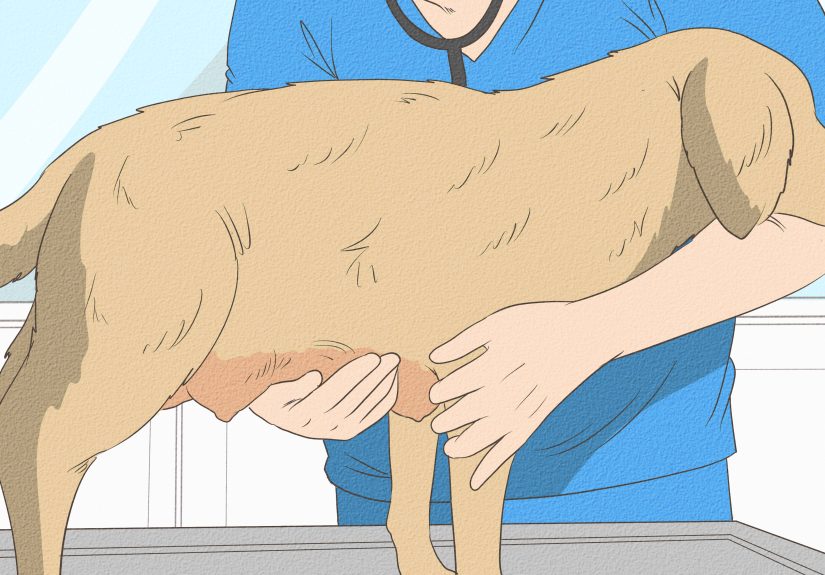
Your vet will examine the mammary glands and may check your dog’s temperature, hydration, heart rate, and overall condition. In many cases, the vet may collect a milk sample to examine under a microscope or send for culture and sensitivity testing. This helps identify the bacteria involved and which antibiotic is most likely to work.
Bloodwork may be recommended if your dog is sick, has fever, or may be septic. If there is a lump, abscess, or unusual mammary swelling in a dog that is not nursing, your vet may recommend imaging, sampling, or biopsy to rule out other problems such as mammary tumors.
The goal is simple: treat the correct problem with the correct plan. Guessing with infections is like playing darts in the darkoccasionally lucky, often messy.
Step 4: Use Veterinary-Prescribed Antibiotics Exactly as Directed
Bacterial mastitis often requires antibiotics. Your veterinarian will choose medication based on your dog’s condition, likely bacteria, whether puppies are nursing, and whether culture results are available. Never give leftover antibiotics, human antibiotics, or medication prescribed for another pet.
Some antibiotics can pass into milk, so puppy safety matters. Your vet may select a nursing-safe option or recommend temporary weaning from the affected gland. Always complete the full course, even if the gland looks better after a few days. Stopping early can allow the infection to return, and this sequel is usually worse than the original movie.
Step 5: Give Pain Relief Only Approved by Your Vet
Mastitis hurts. A painful mother dog may refuse to nurse, snap at puppies, stop eating, or become restless. Pain control is often part of treatment, but it must be chosen carefully because some medications can affect nursing puppies.
Do not give ibuprofen, acetaminophen, naproxen, aspirin, or any human pain reliever unless your veterinarian specifically instructs you. Many human medications can be dangerous or fatal to dogs. Your vet can prescribe appropriate anti-inflammatory or pain medication and explain whether nursing should continue during treatment.
Step 6: Apply Warm Compresses When Recommended
Warm compresses may help improve circulation, soften thick secretions, encourage drainage, and reduce discomfort in certain cases. Use a clean towel dampened with warmnot hotwater. Apply it gently to the affected gland for several minutes, as directed by your veterinarian.
Warmth can be useful before gentle hand-milking if your vet recommends expressing the gland. However, if the skin is severely discolored, open, fragile, or extremely painful, ask your vet before applying heat or pressure.
The compress should feel like a cozy bath towel, not a fresh pizza stone. If it would make you yelp, it is too hot for your dog.
Step 7: Hand-Milk the Affected Gland Only If Your Vet Says To
In some mild to moderate cases, veterinarians recommend gentle hand-milking of the affected gland to relieve pressure, remove abnormal milk, and promote healing. This must be done carefully and hygienically. Wash your hands, use clean materials, and avoid squeezing so hard that you damage the tissue.
Your vet may show you how often to express milk and what to watch for. Some guidance suggests expression every several hours in selected cases, but the schedule should come from your veterinarian. If the milk is bloody, pus-like, foul-smelling, or the dog reacts with severe pain, stop and call the clinic.
Do not let puppies nurse from a gland that your vet says is infected or unsafe. Puppies may be allowed to nurse from unaffected glands in some cases, but that decision depends on the mother’s treatment plan and the condition of the milk.
Step 8: Manage the Puppies Safely
Puppy management is a major part of treating mastitis in dogs. If the mother can safely nurse from unaffected glands, the puppies may continue nursing with monitoring. If she is too painful, taking medications that are unsafe for nursing, or producing infected milk, the puppies may need to be partially or fully hand-fed.
Use a veterinarian-recommended puppy milk replacer, not cow’s milk. Cow’s milk is not balanced for puppies and may cause digestive upset. Newborn puppies often need frequent feedings around the clock, and they must also be kept warm because they cannot regulate body temperature well.
Weigh each puppy daily using a kitchen scale. Write the numbers down. A puppy that is not gaining weight needs help quickly. Puppy weight charts are not glamorous, but they are one of the best early warning systems you have.
Step 9: Keep the Whelping Area Clean and Dry
Bacteria love dirty bedding, damp towels, milk residue, and warm environments. Unfortunately, a whelping box can become all of those things by lunchtime. Change bedding often, remove soiled pads, and keep the area dry without using harsh cleaners around the mother and puppies.
After birth, clean the mother gently with warm water and a washcloth if needed. Avoid strong soaps, disinfectants, essential oils, or scented sprays unless your veterinarian approves them. Puppies crawl, nurse, and lick everything. If the whelping box smells like a chemical factory, it is not a wellness spa.
Trim puppy nails carefully to reduce scratches on the mother’s mammary glands. Tiny puppy nails can act like little bacteria-delivery toothpicks. Keeping them short helps prevent skin trauma that may allow infection to enter.
Step 10: Monitor Recovery Every Day
Treatment does not end when the first antibiotic tablet goes down the hatch. Check the affected gland at least twice daily, or as your veterinarian recommends. Look for changes in swelling, heat, pain, color, milk appearance, discharge, and the mother’s attitude.
Also monitor appetite, water intake, temperature if instructed, and nursing behavior. A dog who seemed better but suddenly becomes weak, feverish, painful, or refuses food needs a recheck. Mastitis can improve steadily, but complications can appear if infection is not fully controlled.
Keep all follow-up appointments. Your vet may want to examine the gland, adjust medication, review culture results, or decide whether puppies can resume nursing from certain teats.
Step 11: Prevent Mastitis From Coming Back
Prevention focuses on hygiene, careful weaning, good nutrition, and reducing trauma to the mammary glands. Keep the whelping area clean. Trim puppy nails. Make sure all glands are being nursed evenly when possible. Watch for overfull glands, especially if the litter is small or puppies suddenly start weaning.
A nursing mother needs excellent nutrition and constant access to fresh water. Lactation is physically demanding, and poor nutrition can make recovery harder. Your veterinarian can recommend an appropriate diet for a nursing dog and advise you on weaning strategies that reduce milk production gradually.
If your dog has repeated mastitis, discuss long-term options with your veterinarian, including breeding plans and spaying once it is medically appropriate. Recurrent mastitis is not just inconvenient; it is painful, stressful, and risky for both mother and puppies.
What Not to Do When Treating Mastitis in Dogs
Knowing what not to do is just as important as knowing what helps. Do not treat mastitis with random internet remedies, essential oils, herbal mixtures, or human medications. Do not force puppies to nurse from a painful or infected gland. Do not delay veterinary care if the gland turns dark, leaks pus, or your dog becomes lethargic.
Do not squeeze aggressively. Mammary tissue is sensitive, inflamed tissue is even more sensitive, and rough handling can make swelling and pain worse. Do not assume all mastitis is mild because your dog is still standing. Dogs are experts at hiding pain, which is noble, annoying, and medically inconvenient.
How Long Does Mastitis Take to Heal?
Mild cases often improve within a few days of proper treatment, but a full course of antibiotics may last two to three weeks depending on the case. More severe infections, abscesses, or tissue damage can take longer and may require repeated veterinary visits or surgery.
Recovery depends on how early treatment begins, how severe the infection is, whether puppies are still nursing, and whether the bacteria respond to medication. The mother dog should gradually become more comfortable, eat better, nurse more willingly if allowed, and show reduced swelling and heat in the affected gland.
Can Puppies Keep Nursing If the Mother Has Mastitis?
Sometimes yes, sometimes no. Puppies may be allowed to nurse from unaffected glands if the mother is comfortable, the milk is normal, and the medications are safe for nursing. Puppies should not nurse from a gland with infected, bloody, pus-like, or abnormal milk unless your veterinarian specifically says it is safe.
If puppies cannot nurse safely, they may need puppy milk replacer, bottle-feeding, tube-feeding by trained caregivers, or fostering with another healthy nursing mother. This is one reason veterinary guidance matters: the best plan protects both the mother and the litter.
When Mastitis Happens in a Dog That Is Not Nursing
Mastitis is most common in nursing dogs, but mammary swelling, pain, heat, or discharge in a dog that is not pregnant or nursing should be checked quickly. Possible causes may include infection, false pregnancy, trauma, cysts, or mammary tumors. Male dogs can also develop mammary problems, though it is less common.
Any unexplained mammary lump, discharge, ulceration, or swelling deserves veterinary attention. Early diagnosis gives your dog the best chance of a simple solution.
Real-World Experience: Practical Lessons From Caring for a Dog With Mastitis
Anyone who has cared for a nursing mother dog knows the whelping box has its own weather system. One hour, everyone is sleeping peacefully. The next hour, puppies are squeaking, bedding is everywhere, and the mother is giving you a look that says, “Human, fix this.” Mastitis adds another layer of stress because it affects comfort, feeding, hygiene, and puppy growth all at once.
One practical lesson is that daily checks matter. Many owners notice mastitis because one mammary gland feels warmer or firmer than the others. That small difference can be the first clue. A quick check during bedding changeslooking at gland size, skin color, milk appearance, and the mother’s reactioncan help catch problems early. You do not need to poke and prod like a detective in a crime drama. Gentle observation is enough.
Another experience-based tip is to keep a simple notebook. Write down the mother’s appetite, medication times, compress times, and each puppy’s weight. When you are tired, every puppy looks “about the same size,” which is how tiny problems sneak past good intentions. A written record turns guessing into tracking. If one puppy is not gaining, you will see it before the situation becomes urgent.
Clean bedding is also more powerful than it sounds. During mastitis recovery, changing bedding often helps reduce bacterial load and keeps milk, discharge, urine, and feces away from irritated skin. Many caregivers use washable fleece pads, towels, or disposable pads, rotating them throughout the day. The goal is not to create a luxury hotel. The goal is dry, clean, low-stress comfort.
Medication routines can be tricky because nursing dogs may be tired, protective, or not excited about pills. Ask your veterinarian whether medication can be given with food. Some dogs take pills easily in a small bite of canned food; others become suspicious philosophers who inspect every crumb. Do not crush, split, or hide medication in large meals unless your vet says it is okay. If a dose is missed or vomited, call the clinic for advice.
Warm compresses are often easier with two people: one person calmly sits with the mother, and the other applies the compress. Speak softly, move slowly, and stop if she becomes very distressed. A painful mother dog may act out of character, not because she is “bad,” but because she hurts. Give her space, protect the puppies, and avoid forcing anything.
Finally, remember that successful mastitis care is a team effort. The veterinarian handles diagnosis and medical treatment. The caregiver manages hygiene, monitoring, puppy feeding, and follow-up. The mother dog does the heroic work of healing while caring for her litter. And the puppies, naturally, contribute by being adorable and completely unhelpful.
The biggest takeaway is this: early action saves trouble. If a mammary gland looks swollen, hot, painful, or abnormal, do not wait to see whether it magically improves. Call your veterinarian, follow the treatment plan, and monitor both mother and puppies closely. Mastitis is stressful, but with prompt care and organized support, many dogs recover well and return to the important business of feeding puppies and stealing everyone’s heart.
Conclusion
Treating mastitis in dogs requires quick recognition, veterinary care, safe medication, careful puppy management, and clean home support. Mild cases may be handled on an outpatient basis, but severe mastitis can become life-threatening. Watch for heat, swelling, pain, abnormal milk, fever, dark skin, or puppies that are not thriving. When in doubt, call your veterinarian sooner rather than later.
The best treatment plan protects the mother dog while making sure the puppies continue receiving safe nutrition. With the right care, most dogs can recover well, but mastitis is never something to ignore. Think of it as a flashing dashboard light: maybe the car still runs, but you should absolutely not keep driving cross-country.
Note: This article is for educational web content only and does not replace veterinary diagnosis or treatment. If a dog shows signs of mastitis, fever, severe pain, abnormal milk, dark mammary tissue, or sick puppies, contact a veterinarian or emergency veterinary clinic immediately.