Table of Contents >> Show >> Hide
- What Is a Dermaroller, Exactly?
- How Dermarollers Work
- What a Dermaroller Can Help With
- Who Should Not Use a Dermaroller at Home
- How to Use a Dermaroller Safely at Home
- What to Expect After Using a Dermaroller
- Common Mistakes to Avoid
- When to See a Dermatologist Instead
- Dermaroller vs. Professional Microneedling
- Experiences, Lessons, and Real-Life Expectations
- Conclusion
- SEO Tags
If skincare had a “sounds suspicious but somehow works” hall of fame, the dermaroller would be hanging right next to ice globes and snail mucin. At first glance, rolling tiny needles across your face seems like a prank invented by stressed-out beauty editors. But dermarolling, also called at-home microneedling, is based on a real idea: controlled micro-injuries can trigger the skin’s repair response and encourage fresh collagen and elastin production.
That said, this is one of those beauty tools that can be helpful when used carefully and wildly regrettable when used like a lawn aerator for your forehead. The safest and most effective microneedling is still done by a board-certified dermatologist or trained medical professional. At-home dermarollers are milder, more superficial, and best approached with realistic expectations. They may help improve product absorption and give skin a smoother look over time, but they are not a magic wand for deep scars, severe wrinkles, or stubborn hair loss.
In this guide, you’ll learn how dermarollers work, what they’re actually useful for, how to use one safely, and when to put the roller down and call a dermatologist instead.
What Is a Dermaroller, Exactly?
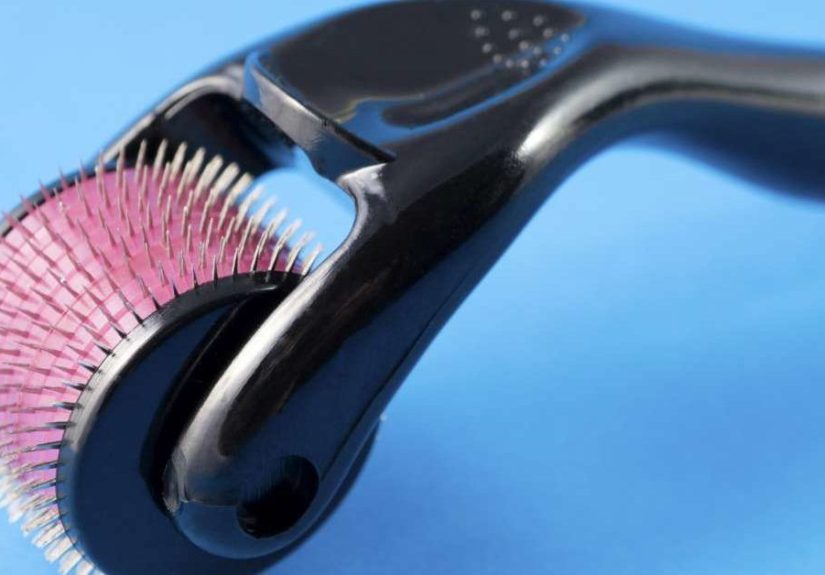
A dermaroller is a handheld device covered with many very fine needles arranged on a rolling barrel. When you move it across the skin, it creates tiny, controlled punctures in the outermost layers. Those micro-injuries signal your skin to start repair mode. In response, your body increases circulation to the area and ramps up the wound-healing process, which is linked to the production of collagen and elastin.
Collagen is the structural protein that helps skin stay firm, springy, and smooth. Elastin helps skin bounce back instead of looking tired and crinkly by lunchtime. As we age, collagen and elastin production naturally slow down. That is why microneedling became popular in dermatology and aesthetics: it offers a minimally invasive way to encourage skin renewal without the heat used in some laser procedures.
Professional microneedling devices can go deeper and are customized for different areas of the face and body. At-home dermarollers are much shallower and are designed to work more superficially. That is an important distinction. A home roller is not a substitute for an in-office treatment, and trying to turn it into one is how people end up with irritation, infection, or a very awkward explanation for their flaky red cheeks.
How Dermarollers Work
The science is fairly straightforward. Tiny punctures create a controlled injury. Controlled injury activates healing. Healing encourages new collagen and elastin. Over time, this can make the skin look smoother, more even, and a bit fresher.
Dermarolling may also create temporary channels that help some topical products penetrate more effectively. That is one reason people pair microneedling with bland hydrating serums or, under professional care, certain treatment products. But “helps products get in” does not mean “slather on every acid in your bathroom cabinet.” Freshly needled skin is not the time to experiment with strong exfoliants, harsh retinoids, or fragranced formulas that normally make your skin grumble.
In dermatology offices, microneedling is used for concerns such as acne scars, enlarged pores, fine lines, wrinkles, uneven texture, stretch marks, and certain cases of hair thinning. Evidence is strongest for things like acne scar improvement, and the research on hair loss looks promising but is still evolving, especially when microneedling is combined with treatments like minoxidil.
What a Dermaroller Can Help With
1. Mild Texture Issues
If your skin feels rough, dull, or a little uneven, superficial dermarolling may help improve the look and feel of the surface over time. Think of it as a gradual nudge rather than a dramatic overnight reveal.
2. Fine Lines and Early Signs of Aging
Because microneedling supports collagen production, it may soften the appearance of fine lines and crepey-looking skin. It is better for early texture changes than for deep-set folds or sagging skin.
3. Enlarged Pores
No, a dermaroller does not literally shrink pores into oblivion. But by improving surrounding skin texture and firmness, it may make pores look less obvious.
4. Post-Acne Marks and Mild Scarring
This is one of the best-known uses of microneedling. It can be helpful for certain acne scars, especially broader, shallow scars. Deep ice-pick scars usually need more targeted professional treatment.
5. Stretch Marks
Microneedling is often used in-office for stretch marks because it can stimulate collagen in affected skin. For darker skin tones, it is often considered appealing because it has less risk of pigment changes than some heat-based treatments.
6. Scalp Care for Hair Thinning
Some dermatologists use microneedling as part of a treatment plan for androgenetic alopecia, also called pattern hair loss. The idea is that the wound-healing response and improved delivery of topical treatments may help support hair growth. But scalp microneedling is not a one-size-fits-all solution, and hair loss always deserves a proper diagnosis before you start rolling anything across your head.
Who Should Not Use a Dermaroller at Home
This section matters more than the “glow” section.
Avoid at-home dermarolling if you have active acne breakouts, inflamed rosacea, eczema, psoriasis flares, open wounds, irritated skin, sunburn, a history of keloid scarring, frequent cold sores in the treatment area, suspicious moles, or any skin infection. You should also be cautious if you are using prescription acne medications, taking blood thinners, or currently undergoing chemotherapy or radiation.
If you have melasma, post-inflammatory hyperpigmentation, or deeper skin concerns, it is smarter to check with a dermatologist first. Microneedling can be a useful option for many skin tones, but technique matters. A bad DIY session is not character-building.
How to Use a Dermaroller Safely at Home
The golden rule is simple: at-home dermarolling should be gentle, superficial, and boring. Boring is good. Boring means you do not need to explain to anyone why your face looks like it lost a wrestling match.
Step 1: Start With Clean Hands and Clean Skin
Wash your hands thoroughly. Cleanse your face with a gentle, non-stripping cleanser and pat it dry. Skip makeup, sunscreen, and heavy skin care before you roll.
Step 2: Sanitize the Tool
Use only a dermaroller designed for at-home use, and sanitize it exactly as the manufacturer instructs before every session. Never share it with anyone else. Not your best friend, not your sister, not the roommate who “just wants to try it once.” Needles and sharing do not belong in the same sentence.
Step 3: Section the Skin
Work in small areas such as the forehead, one cheek, the other cheek, and the chin. Avoid the eyelids, lips, nostrils, and any area with active irritation, breakouts, or broken skin.
Step 4: Roll Gently
Use light pressure. Roll vertically, horizontally, and diagonally across each section in a controlled way. Lift the roller between passes instead of dragging it. The goal is not to “dig in” or force a result. More pressure does not equal more collagen. It usually equals more regret.
Step 5: Keep the Session Short
A brief session is enough. You do not need to keep rolling until your skin looks angry. Mild pinkness can happen, but significant bleeding, sharp pain, or lingering burning means you have gone too far.
Step 6: Apply a Simple, Gentle Product
Afterward, use a bland, fragrance-free hydrating serum or moisturizer. Think hyaluronic acid, glycerin, ceramides, or a simple barrier-supporting cream. Avoid strong acids, retinoids, scrubs, benzoyl peroxide, and heavily fragranced products right after treatment.
Step 7: Protect Your Skin
Your skin may be more sun-sensitive after dermarolling, so sunscreen is non-negotiable the next day. Use a broad-spectrum sunscreen and avoid excessive sun exposure while your skin settles down.
Step 8: Clean the Tool Again
After use, clean and store the dermaroller according to the product directions. Replace it as recommended by the manufacturer. A dull, worn, or questionable roller belongs in the trash, not back on your face.
What to Expect After Using a Dermaroller
Most people notice some temporary redness, tightness, or mild dryness afterward. Skin may feel a little warm, similar to a light sun-kissed flush. That can be normal. What is not normal is intense swelling, prolonged pain, pus, spreading rash, or signs of infection.
Visible improvement takes time. Dermarolling is not the skincare equivalent of turning your shirt inside out and hoping nobody notices. Collagen remodeling is gradual. You may start to notice smoother-looking skin after a series of sessions, but deeper concerns often need professional treatments and patience.
Common Mistakes to Avoid
- Using too much pressure: This is the biggest rookie mistake. Gentle wins.
- Rolling over active breakouts: You can worsen inflammation and potentially spread bacteria or viruses.
- Using harsh products right after: Freshly needled skin is not asking for glycolic acid drama.
- Overusing the roller: Skin needs healing time. More is not better.
- Using a dirty or shared device: That is an express lane to irritation and infection.
- Expecting professional results from a home tool: At-home rollers are limited by design.
When to See a Dermatologist Instead
See a professional if your goal is to treat acne scars, stretch marks, melasma, noticeable wrinkles, or hair thinning in a meaningful way. In-office microneedling can be tailored to your skin type, skin tone, treatment area, and concern. A dermatologist can also tell you whether microneedling is even the best option. Sometimes laser therapy, chemical peels, prescription skin care, radiofrequency microneedling, or another treatment makes more sense.
You should also see a dermatologist if you have recurring breakouts, frequent cold sores, unexplained discoloration, or any reaction after dermarolling that seems more dramatic than mild redness and dryness. Your skin is not a group project. Expert guidance is worth it.
Dermaroller vs. Professional Microneedling
Here is the plain-English comparison. A home dermaroller can be a modest skin-care tool. Professional microneedling is a medical treatment. Home tools work more superficially and may provide subtle smoothing and help with product penetration. Professional devices can go deeper, are more precise, and are far more likely to produce noticeable changes in scars, texture, and signs of aging.
That is why many dermatology organizations warn against treating at-home dermarolling like a budget substitute for office procedures. The “same thing, but cheaper” mindset falls apart quickly when needles are involved.
Experiences, Lessons, and Real-Life Expectations
One reason dermarollers remain popular is that they sit in a sweet spot between skin care and procedures. People love the idea of doing something active for their skin without booking a full cosmetic treatment. And honestly, that appeal makes sense. A dermaroller feels hands-on. It feels productive. It makes you believe you are not just waiting for your moisturizer to perform miracles while you age under fluorescent bathroom lighting.
In real life, experiences with dermarolling tend to fall into three groups. The first group uses it correctly and gets subtle but satisfying results. These are the people who keep expectations reasonable. They use a gentle home device, focus on mild texture issues, pair it with simple skin care, and give the process time. Their results are usually not dramatic enough to inspire a movie montage, but they often notice smoother texture, a little more glow, and better absorption from hydrating products.
The second group expects a home dermaroller to erase deep acne scars, tighten sagging skin, regrow a full hairline, and somehow also improve their taxes. These users are often disappointed. The problem is not always the tool itself. It is the expectation gap. At-home dermarollers are limited by design because that is what makes them safer. If your concern lives deeper in the skin, subtle surface-level rolling will not magically bulldoze through it.
The third group is the cautionary tale. This is where people roll too often, push too hard, use questionable products right afterward, or apply a “no pain, no gain” mindset to their face. Their experience usually involves redness, irritation, peeling, and a frantic late-night search for whether they have “ruined” their skin. Usually, skin recovers with rest and bland skin care, but sometimes the result is persistent irritation, discoloration, or infection. That is exactly why dermatologists keep repeating the same advice: home microneedling should stay mild, and medical-grade treatment belongs in medical hands.
There is also the emotional side of the experience, which people do not always talk about. Dermarolling can feel empowering when your skin concerns have been frustrating for years. For someone dealing with old acne marks or early texture changes, even small improvement can make them feel more confident. On the flip side, constantly chasing perfection with every trending tool can turn skin care into a full-time stress hobby. Healthy expectations matter. Your skin does not need to look airbrushed to be healthy, attractive, or worth taking care of.
The most useful mindset is to see dermarolling as one option in a bigger strategy. Good skin usually comes from consistency, not heroics: gentle cleansing, moisturizer, sunscreen, patience, and using actives wisely. A dermaroller can support that routine, but it should not replace the basics. Nor should it replace a diagnosis when the issue is something medical, like inflammatory acne, melasma, or true pattern hair loss.
So if you are curious about dermarolling, the best experience usually comes from being cautious, realistic, and a little humble. Start slow. Respect your skin barrier. Keep the routine simple. And remember: if your face starts sending strongly worded feedback, that is not a challenge. That is your cue to stop.
Conclusion
A dermaroller can be a useful tool when you understand what it can and cannot do. It works by creating tiny, controlled micro-injuries that trigger the skin’s repair response and support collagen production. Used properly, it may help with mild texture issues, early fine lines, enlarged pores, and product absorption. But it is not a safe shortcut to medical-grade microneedling results.
If you want the best odds of meaningful improvement for acne scars, stretch marks, or hair thinning, a board-certified dermatologist is your best bet. If you choose an at-home dermaroller, keep it gentle, keep it clean, and keep your expectations grounded in reality. In skincare, that combination is often more powerful than chasing every shiny trend on the internet.