Table of Contents >> Show >> Hide
- First, the non-negotiables (aka “how to avoid turning laundry into a science experiment”)
- Can every heated blanket be washed?
- How to wash a heated blanket in the washing machine (step-by-step)
- How to hand-wash a heated blanket (the “extra careful” method)
- Drying a heated blanket safely (where most people accidentally ruin it)
- Before you plug it back in: a quick post-wash safety check
- How often should you wash a heated blanket?
- How to keep it cleaner longer (so you wash it less often)
- Troubleshooting: what to do if something goes wrong after washing
- Quick safety sidebar (because warm shouldn’t mean risky)
- Real-world experiences and lessons (the 500-word “wish I knew that earlier” section)
- 1) The controller incident (aka “why is my blanket beeping like a submarine?”)
- 2) “But it’s machine washable!”and then the dryer cooks it
- 3) Top-loader chaos: the blanket becomes a washing-machine tornado
- 4) Detergent overload leads to “crunchy blanket syndrome”
- 5) The damp-plug temptation
- 6) The best “experience hack”: protect it so you wash it less
A heated blanket is basically a wearable mood: one minute you’re fine, the next you’re a cozy burrito who
“can’t possibly” get up because the blanket is finally the perfect temperature. Then reality hits:
it needs washing. And suddenly you’re staring at a cord like it’s a tiny, judgmental robot saying,
“Don’t mess this up.”
Good news: most modern heated blankets (and throws and mattress pads) are designed to be cleaned safely
as long as you follow the care label and treat the wiring like it’s fragilenot like a
bath towel you can wring into another dimension. This guide walks you through the safest way to wash a
heated blanket without damaging the electrical components, plus common mistakes, troubleshooting, and
real-world “learned it the hard way” experiences at the end.
First, the non-negotiables (aka “how to avoid turning laundry into a science experiment”)
- Read the care label every time. Heated blankets vary by brand, fabric, and wiring layout.
- Unplug it and let it cool completely. Washing something warm and powered is a hard no.
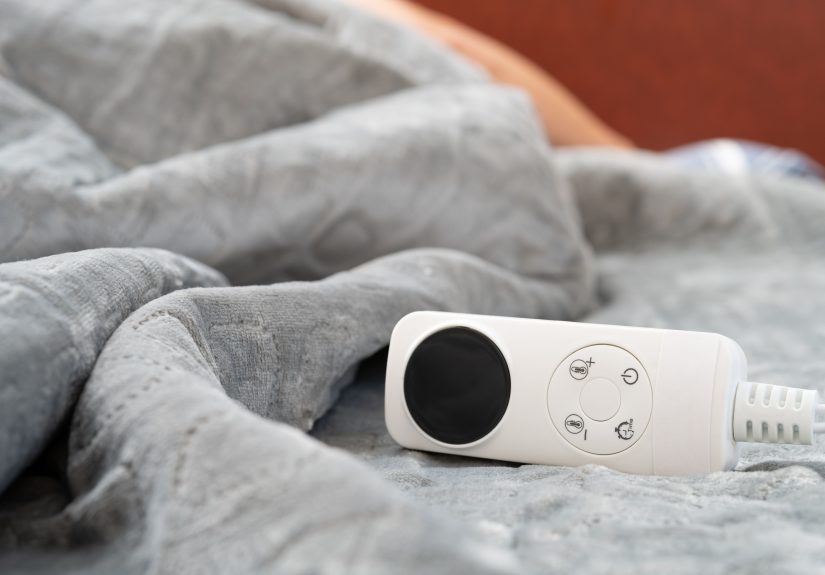
- Remove and detach all controllers/cords. The blanket may be washable; the controls are not.
- Inspect before washing. If you see fraying, scorching, exposed wires, or damaged connectors, don’t washreplace or contact the manufacturer.
- Avoid harsh chemicals and high heat. Bleach, strong solvents, and hot water can degrade fabric and insulation.
Can every heated blanket be washed?
Not all heated blankets are created equal. Some are fully machine washable once you detach the controller.
Others are “spot clean only.” Older models may require hand washing (or may not be washable at all). Your
care tag should clearly tell you which category you’re in:
1) Machine-washable heated blankets
These are the most common now. They usually have removable controllers and sealed wiring designed to
tolerate gentle laundering. Even then, “machine washable” doesn’t mean “treat it like gym socks.”
2) Hand-wash only
Hand washing is slower but can be kinder to internal wiringespecially if your blanket is older, extra
plush, or the care label specifically says “hand wash.”
3) Spot clean only
If the tag says spot clean, believe it. In this case, focus on targeted stain treatment, deodorizing
strategies, and using a washable cover to keep the blanket cleaner longer.
How to wash a heated blanket in the washing machine (step-by-step)
Step 1: Detach the electrical parts (yes, all of them)
Unplug the blanket from the wall. Then disconnect the controller and power cord from the blanket itself.
If you can’t remove the controller/cord, stop and check the care instructionsmany models are not meant
to be submerged with the electrical components attached.
Pro tip: tuck the controller and cord into a clean, dry bag or box while you wash. This prevents the
classic “where did I put that thing?” scavenger hunt.
Step 2: Shake, vacuum, and pre-treat like a responsible adult
Shake out crumbs, dust, and pet hair. If you’ve got a shedding situation, a vacuum with an upholstery
attachment or a lint roller helps a lot (and will save your washer filter from filing a complaint).
For stains (coffee, makeup, soupyou’re living your truth), spot treat using a small amount of mild
detergent diluted in cool water. Dab; don’t scrub aggressively. Avoid soaking the connector area for a
long time, and never spray cleaner directly into any ports or openings.
Step 3: Choose the right washer setup
- Use a large-capacity washer if possible so the blanket can move freely.
- If you have a top-loader with a center agitator, spread the blanket evenly around the drum instead of balling it up.
- If the load seems unbalanced, add one or two non-linting towels to stabilize the spin.
- Don’t overload. A too-tight wash increases strain on internal wiring and reduces rinsing.
Step 4: Pick gentle settings and the right detergent
- Cycle: Gentle or delicate
- Water temperature: Cold (or cool-warm only if the care label allows it)
- Spin: Low or medium (high spin can stress wiring)
- Detergent: Mild, bleach-free detergent; use less than you would for clothing
Avoid bleach and strong fabric softeners unless your care label explicitly allows them (many don’t). Too
much detergent can leave residue that makes the blanket feel stiff and can be harder to rinse out of
thick fabrics.
Step 5: Keep the wash time reasonable
Heated blankets don’t need a marathon cycle. A gentle cycle is usually enough. If your care instructions
suggest a short wash (some brands do), follow that.
Step 6: Rinse thoroughly
If your washer has an extra-rinse option, it can be worth usingespecially for thick blankets that trap
soap. Leftover detergent can make the fabric feel crunchy and may cause irritation for sensitive skin.
How to hand-wash a heated blanket (the “extra careful” method)
Hand washing is a great option if your blanket is older, delicate, or the care label says “hand wash.”
You’ll need a bathtub or a large basin.
- Detach the controller/cord and inspect the blanket for damage.
- Fill the tub with cool water and a small amount of mild detergent.
- Submerge and gently agitate the blanket by pressing it down and swishing it aroundno twisting, wringing, or rage scrubbing.
- Soak briefly if needed, then drain and refill with clean water to rinse.
- Press out water by gently squeezing sections of the blanket against the tub (again: no wringing).
After rinsing, support the blanket with both arms when lifting it. A soaking-wet blanket is heavy, and
letting it dangle can stress internal wiring.
Drying a heated blanket safely (where most people accidentally ruin it)
Washing is only half the mission. Drying is where heated blankets go to retire early if you use too much
heat or too much time.
Best option: air dry flat
Lay the blanket flat on a clean drying rack or on top of several towels. Flip it occasionally so both
sides dry evenly. Keep it away from direct high heat (like blasting it with a space heater at point
blank range).
If the care label allows machine drying: keep it low and short
Some brands allow tumble drying on a low setting for a short periodoften just to start the drying
processthen recommend finishing by air drying. If your care label says you can tumble dry, use:
- Heat: Low or air-fluff
- Time: Short (think minutes, not an entire movie)
- Goal: Partially dry, then remove while still slightly damp and lay flat to finish
Avoid high heat. Also avoid commercial dryers unless your manufacturer explicitly says they’re safesome
instructions warn that commercial dryers can run hotter than home units and may damage wiring.
Never do this
- Don’t dry clean unless the manufacturer specifically allows it.
- Don’t iron the blanket.
- Don’t wring it out like a towel.
- Don’t hang it with clothespins on the wired sections (it can create pressure points).
Before you plug it back in: a quick post-wash safety check
Your blanket must be completely dry before reconnecting cords and turning it on. “Mostly
dry” is not the vibe here.
- Look: Any scorch marks, exposed wiring, torn fabric near heating channels?
- Feel: Any crunchy areas, hard lumps, or oddly stiff sections that weren’t there before?
- Smell: Any burning smell when you test it? If yes, unplug immediately.
- Test: Plug in and run it on low for 10–15 minutes while you’re nearby. Make sure it heats evenly and the controller behaves normally.
If anything seems offuneven heating, hot spots, flickering controls, error codes, tripping breakersstop
using it and check the manufacturer’s troubleshooting guidance.
How often should you wash a heated blanket?
It depends on how you use it. If it’s directly against your body nightly, it picks up skin oils, sweat,
and pet hair quickly. If it’s layered under a top sheet or duvet cover, it stays cleaner longer. A good
rule of thumb:
- Heavy winter use: wash about once a month (or sooner if spills happen)
- Light/occasional use: wash a couple of times per season
- Allergies/pets: consider more frequent surface cleaning + using a washable cover
How to keep it cleaner longer (so you wash it less often)
- Use a duvet cover or a top sheet between you and the heated blanket.
- Don’t eat messy food under it (no judgmentjust reality).
- Air it out after use so moisture doesn’t linger.
- Spot clean fast when spills happen; old stains are clingy.
- Roll or fold loosely for storage to avoid stressing internal wires.
Troubleshooting: what to do if something goes wrong after washing
The blanket heats unevenly
First, stop using it and inspect the blanket. Uneven heating can signal damaged wiring. If the blanket is
older or has been repeatedly washed aggressively, internal connections may be compromised.
The controller flashes or shows an error
Make sure the connector is fully seated and aligned correctly. If the connector area is still damp,
unplug everything and allow more drying time. If errors persist, contact the manufacturer.
The blanket feels lumpy or bunched
This can happen when the blanket twists during washing. Gently reshape it while dampsmooth it out on a
flat surface and let it finish drying that way.
It smells musty
Musty odors usually mean it didn’t dry thoroughly. Re-air-dry completely (and don’t store it until the
smell is gone). Next time, use extra rinsing and more airflow during drying.
Quick safety sidebar (because warm shouldn’t mean risky)
Washing is about cleanliness, but general safety matters too. If your blanket is very old, has visible
wear, or you’re seeing scorch marks or frayed cords, replacement is safer than “one more season.”
Also, avoid plugging heated blankets into extension cords or power strips unless the manufacturer
explicitly allows it.
Real-world experiences and lessons (the 500-word “wish I knew that earlier” section)
Below are common experiences people run into when washing heated blanketscompiled from typical household
scenarios and patterns that show up again and again. Not “one weird trick,” just the stuff that happens
when cozy meets laundry.
1) The controller incident (aka “why is my blanket beeping like a submarine?”)
The most common mistake is forgetting to detach the controller. Sometimes the blanket survives; sometimes
it doesn’t; sometimes the controller becomes a very expensive paperweight. The fix is simple: unplug,
detach, and physically move the controller to another room before you start. If you can still see it, you
can still forget ithuman brains are bold like that.
2) “But it’s machine washable!”and then the dryer cooks it
Another frequent story: the wash goes fine on gentle/cold, and then the dryer is set to “normal” or
“high,” because that’s what people do with blankets. Heated blankets are not regular blankets. High heat
can damage insulation and wiring, and even if it still turns on, you may notice hot spots or weird
stiffness afterward. The safer approach most owners end up liking is “low heat for a short start, then
air dry flat,” or just air dry entirely. It takes longer, but so does buying a new blanket.
3) Top-loader chaos: the blanket becomes a washing-machine tornado
People with top-loading washers (especially with a center agitator) often report the blanket twisting or
bunching. That twisting can stress internal wiring and create lumpy sections. The trick that usually
helps: distribute the blanket evenly around the agitator, don’t ball it up, and consider adding a couple
of towels to help balance the load. If the washer bangs around like it’s trying to escape, pause the
cycle and rearrange the blanket. Your washer isn’t being dramatican unbalanced spin is genuinely rough
on big items.
4) Detergent overload leads to “crunchy blanket syndrome”
Heated blankets are thick and plush, so they trap soap. A surprisingly common experience is washing with
the same detergent amount you’d use for jeans, then ending up with a blanket that feels stiff or sticky.
People usually fix this by running an extra rinse (or a rinse-and-spin) and using less detergent next
time. Mild detergent plus thorough rinsing tends to keep the fabric softer without leaving residue that
clings inside the pile.
5) The damp-plug temptation
When it’s cold, the urge to plug it in “just to finish drying faster” is real. This is one of the
riskiest moves. If moisture is still inside the fabric layersespecially near the connectorreconnecting
power isn’t worth the gamble. The safer pattern people settle into is: air dry longer than you think you
need, then wait even longer. Test on low while you’re nearby, and only return to normal use after you’re
confident everything is completely dry.
6) The best “experience hack”: protect it so you wash it less
The most successful long-term strategy people report isn’t a fancy wash methodit’s prevention. A simple
top sheet, duvet cover, or washable throw cover between you and the heated blanket reduces oils, sweat,
and pet hair dramatically. That means fewer washes, less wear on the wiring, and a blanket that stays
fluffy and functional longer. It’s the boring solution that feels suspiciously effective, which is how
you know it works.