Table of Contents >> Show >> Hide
- Why Cats Make Such Mesmerizing Subjects
- The Golden Rule: Comfort First, Photos Second
- Gear That Helps (Without Turning Your Living Room Into a Studio)
- Lighting: Where Elegance Is Born
- Camera Settings That Actually Work for Cats
- Composition Tricks That Make Cats Look Like Art
- Reading Cat Body Language: The Shortcut to Better Photos
- How I Plan a Cat Photoshoot (Without Getting Fired by My Feline Boss)
- Editing: Keep the Cat Real, Just More Radiant
- Specific Scenarios and Example Settings
- Ethics: Photographing Cats with Respect
- My Experiences Photographing Cats: 10 Lessons I Learned the Hard Way
- Conclusion
- SEO Tags
Some people collect stamps. I collect momentsspecifically the kind that arrive on silent paws, pause in a sunbeam, and then disappear because a dust mote looked at them funny. Cat photography is a delightful contradiction: cats are elegance incarnate, yet they also fall off couches with the confidence of a trapeze artist who forgot to attach the trapeze.
If you’ve ever tried to photograph a cat, you already know the truth: you’re not “taking pictures.” You’re negotiating with a tiny, furry art director who refuses your shot list, demands creative control, and pays you in slow blinks. Still, when it clickswhen the eyes catch the light, the whiskers draw clean lines, and the pose looks like it belongs on a museum wallyou’ll understand why I keep coming back.
Why Cats Make Such Mesmerizing Subjects
Cats photograph like poetry reads: you don’t always know what it means, but you feel it. They’re built for visual storytellingarched spines, expressive ears, sculptural paws, and coats that range from ink-black velvet to marbled silver to “I spilled cappuccino on this tabby” perfection.
And then there’s their rhythm. Cats don’t perform on command; they reveal themselves. That means the best photos often come from patience: watching, anticipating, and being ready when your subject decides to gift you a regal sit, a dramatic stretch, or an unplanned yawn that looks like a tiny opera.
The Golden Rule: Comfort First, Photos Second
Before we talk camera settings, we talk cat settings: mood, body language, and stress signals. A cat that’s relaxed looks different from a cat that’s overwhelmedears can rotate sideways or back, tails can flick or lash, pupils can widen, posture can get tense. Those cues matter because comfort shows up in the face: softer eyes, less tension around the mouth, a posture that reads “I own this place.”
Practical takeaway: if your cat is showing “I’m done” signals, you stop. No shot is worth turning your subject into a whiskered ball of anxiety. The best feline portraits come from trust, not pressure.
Gear That Helps (Without Turning Your Living Room Into a Studio)
Camera or Phone? Yes.
You can create beautiful cat portraits with a phone, especially in good window light. A dedicated camera gives you more control over shutter speed, autofocus, and depth of fieldbut the “best” camera is the one you can grab before your cat changes poses for the 17th time in 12 seconds.
Lenses That Flatter Cats
- 50mm or 85mm prime for clean, classic portraits and creamy backgrounds.
- 35mm for environmental storytelling (cat on the bookshelf, cat in the kitchen, cat judging you from the staircase).
- Short telephoto zoom if you want flexibility without sprinting across the room.
One note from the “cats are chaotic” department: if you’re shooting close with a very wide aperture (like f/1.4), the nose can be sharp while the eyes go soft. Cats do not appreciate looking blurry in their own portraits. (They won’t say it, but they’ll know.)
Helpful Extras
- Treats or a toy to guide attention (check dietary restrictions if it’s not your cat).
- A soft blanket for texture and comfort.
- A window + sheer curtain for naturally diffused light.
- A small reflector (or a white poster board) to brighten shadows.
Lighting: Where Elegance Is Born
If cat photography had a secret sauce, it would be this: soft, directional light. Harsh overhead lighting makes fur look flat and eyes look sleepy. Soft side lightespecially from a windowadds shape to the face, detail to the fur, and sparkle to the eyes.
My Favorite Setup: Window Light Portraits
Place your cat near a window, with the light coming from the side (or slightly in front). If the light is intense, soften it with a sheer curtain. You’ll get gentle shadows that sculpt the cheekbones (yes, cats have cheekbones), and catchlights that make eyes feel alive.
What About Flash?
Some photographers use flash responsibly, but with catsespecially indoorsmany people prefer available light to avoid startling the subject. If you do use artificial light, think “soft and indirect,” not “interrogation lamp.”
Camera Settings That Actually Work for Cats
Cats are still… until they are suddenly not. The goal is to keep your images sharp without turning them into noisy, underexposed chaos.
1) Focus on the Eyes (Always)
In portraits, eyes are the anchor. Use eye-detection autofocus if your camera offers it; if not, use a single focus point and place it on the nearest eye. If your cat turns its head, refocus. Yes, it’s repetitive. No, your cat will not wait for you. That’s why burst mode exists.
2) Shutter Speed: Faster Than You Think
For a calm cat lounging: start around 1/250. For playful movement: try 1/500 to 1/1000. If your cat is in full zoomies mode, treat it like action photography and raise that shutter speed accordinglythen let ISO climb if needed.
3) Aperture: Balance Blur and Accuracy
Wide apertures give you gorgeous background blur, but cats have three-dimensional faces and they move. A sweet spot for many indoor portraits is around f/2.8 to f/5.6 depending on distance and how active your subject is. If you’re close and the cat is wiggly, stop down a bit so both eyes stay sharp.
4) ISO: Don’t Be Afraid of It
A slightly noisy sharp photo beats a silky smooth blurry photo every day of the week (and twice on Caturday). Modern camerasand even phoneshandle higher ISO much better than they used to.
Composition Tricks That Make Cats Look Like Art
Get on Their Level
Photographing from above can be cute, but it often flattens the scene. Get down to eye level and suddenly your cat looks like the protagonist, not a tiny roommate who owes you rent.
Use Negative Space
Cats have strong silhouettes. Give them room to “breathe” in the frameespecially when they’re sitting tall or stretching. A clean background turns elegance into drama.
Look for Lines: Whiskers, Tails, and Curves
Whiskers are nature’s leading lines. Tails are built-in composition tools. Curled paws and arched backs create shapes the eye loves to follow. Pay attention to these, and your photos start feeling intentional instead of accidental.
Reading Cat Body Language: The Shortcut to Better Photos
When you understand what a cat is communicating, you stop fighting the session and start flowing with it. Relaxed cats tend to move more slowly, settle into comfortable poses, and tolerate your presence longer. Stressed cats often show tensionears back, tail thrashing, pupils dilated, crouched posture, hiding, or sudden swats when you get too close.
Want a surprisingly effective “photographer trick”? Slow blinking. It’s one of the easiest ways to signal calm energy to a cat. You’re essentially saying, “I’m not a threat, I’m just here to admire your face like everyone else.”
How I Plan a Cat Photoshoot (Without Getting Fired by My Feline Boss)
Step 1: Choose a Scene That Fits the Cat
Some cats love windowsills; some prefer the couch; some insist on sitting inside a cardboard box like it’s a luxury penthouse. Greatphotograph that. The setting should feel natural to the cat, not like you rearranged the house to impress Instagram.
Step 2: Set Up First, Then Invite the Cat
Do your lighting and framing before the cat arrives. Otherwise you’ll spend the whole time adjusting gear while your subject walks away to eat a single kibble and then stare at a wall.
Step 3: Work in Short Bursts
Think in 2–5 minute sprints. Cats are more likely to cooperate when the session is quick, positive, and ends before they feel cornered.
Step 4: Reward Calm Behavior
A treat, a toy, or gentle praise can reinforce “good things happen during photos.” If it’s not your cat, ask the owner firstsome cats have dietary restrictions, and you don’t want to be remembered as “the photographer who caused tummy drama.”
Editing: Keep the Cat Real, Just More Radiant
Editing for cat photography is mostly about honoring texture: fur detail, whisker clarity, and natural-looking eyes. My usual flow:
- Exposure: lift shadows slightly without washing out fur.
- White balance: correct indoor yellow casts so whites look clean and blacks look rich.
- Eyes: subtle brightening and contrastjust enough to highlight catchlights.
- Distractions: remove the random sock in the background (unless it’s the cat’s emotional-support sock).
The goal is not to turn your cat into a plastic figurine. It’s to make the photo feel like the cat you loveonly with slightly better lighting than your kitchen ceiling can provide.
Specific Scenarios and Example Settings
1) The Window-Sill Philosopher
Goal: calm portrait with soft light and crisp eyes.
Try: Aperture Priority, f/2.8–f/4, 1/250 minimum, Auto ISO, eye-detect AF (or single point on the eye).
2) The Midnight Panther (Black Cat Indoors)
Goal: preserve detail in dark fur without blowing highlights.
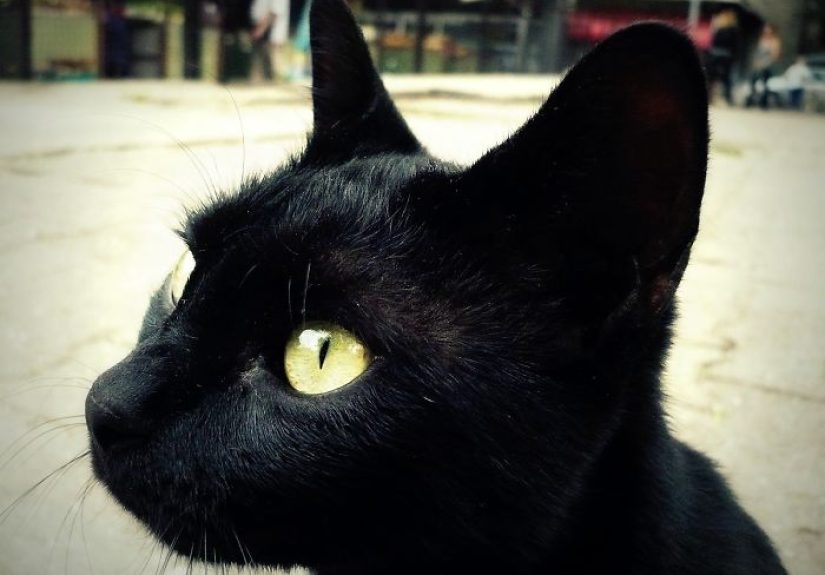
Try: slightly underexpose to protect highlights, then lift shadows in post; use side window light; add a reflector; shutter 1/250–1/500 depending on movement.
3) The Zoomies Champion
Goal: freeze motion and embrace action storytelling.
Try: Shutter Priority at 1/1000, Auto ISO, continuous AF, burst mode. Photograph during play with a toy to predict movement.
Ethics: Photographing Cats with Respect
Cat photography should never be about forcing a pose. Avoid chasing, restraining, or placing cats in unsafe situations “for the shot.” Offer an easy exit route. Keep the environment calm. If a cat hides, let it hide. Sometimes the best photo you take is the one where you put the camera down and let the cat relaxbecause that’s how you earn the next session.
My Experiences Photographing Cats: 10 Lessons I Learned the Hard Way
I used to think photographing cats was about technique. Then I met a cat who could hear my shutter button from three rooms away and vanish like a magician with a personal vendetta. Over time, my approach changed: less “direct,” more “invite.” Here are the lessons that turned my chaotic cat sessions into portraits that feel calm, elegant, andoccasionallyworthy of a frame.
1) Your schedule is adorable. Cats do not care. The best sessions happen when they’re naturally alert: after a nap, before dinner, or during their daily window-watching shift. I stopped trying to “make it work” at random times and started watching their rhythms.
2) Preparation beats persuasion. If I’m fiddling with settings while the cat offers one perfect pose, I lose. Now I pre-set exposure, test the light on a pillow (my most patient model), and keep my camera ready. When the cat arrives, I’m not scramblingI’m present.
3) The toy is a wand; use it like one. Wave a toy too aggressively and you get blur, chaos, and a cat who believes you’ve declared war. Small movements work better: a gentle wiggle, a pause, then a tiny sound. Cats love suspense. They’re basically tiny Hitchcock fans.
4) Eye contact is complicated. Staring can feel threatening to some cats. I learned to soften my face, angle my body slightly, and use slow blinks. The difference is visible: the eyes look less wide and vigilant, more relaxed and curious.
5) Ears are the mood subtitles. When ears go sideways or flatten back, I don’t push for “one more shot.” I back off, give space, and let the cat reset. The sessions that end on a good note become the sessions that can happen again.
6) A clean background is 50% of the magic. One day I moved a laundry basket out of frame and suddenly my “cute cat photo” became a “portrait.” Now I scan backgrounds the way cats scan countertops: thoroughly and with judgment.
7) Diffused light is your best friend. Direct sun can create harsh contrast and squinty eyes. The first time I used a sheer curtain to soften window light, the fur looked like velvet and the whiskers looked drawn with a fine pen. I was converted on the spot.
8) Stop chasing sharpness with impossible aperture. I love creamy blur, but f/1.4 indoors with a moving cat is a gamble. I started choosing apertures that keep both eyes sharp (often f/2.8–f/5.6), and my “keeper” rate shot up.
9) Short sessions win. I used to push for 20 minutes. Now I aim for a few minutes of focused shooting, then I stop. The cat stays happier, and I end up with better expressions instead of that “I will bite the camera” look.
10) The best photos feel like the cat. Not every cat is regal. Some are goblins. Some are shy. Some are comedians. My favorite images aren’t the most “perfect”they’re the ones that capture personality: a gentle paw curl, a dramatic stretch, a sleepy slow blink, the tiny head tilt that says, “Explain yourself.” Elegance isn’t always stiff and formal. Sometimes it’s a yawn in good light.
Conclusion
Photographing cats is part craft, part comedy, and part learning to appreciate a creature who is beautiful without trying. Use soft light, focus on the eyes, keep shutter speeds fast, and let comfort lead the session. When you do, your photos stop looking like snapshots and start looking like portraitslittle tributes to the grace, mystery, and occasional nonsense that makes cats irresistible.