Table of Contents >> Show >> Hide
- WaitWhat’s the Hack, Exactly?
- My Test Run: What I Actually Did
- Why the Oven Hack Works (and Why It’s Not Actually Cheating)
- What I’d Do Again (and What I’d Tweak)
- Easy Variations That Still Feel “Ina”
- Troubleshooting: If Your Risotto Has Feelings
- How I Served It (Low Drama, High Reward)
- Leftovers: The Next-Day Reality Check
- Final Verdict: Would I Do Ina’s Hack Again?
- Extra : My Risotto-Hack Diary (Because I “Researched”)
- SEO Tags
I used to think risotto was a personality test disguised as dinner. You know the one: you stand at the stove, whispering affirmations to a pot of rice while adding broth one ladle at a time like you’re feeding a tiny, demanding baby bird. For 30 minutes. With a wooden spoon. Until your arm files a formal complaint.
Then I ran into Ina Garten’s risotto “hack,” and it sounded too good to be true: put rice and stock in a Dutch oven, bake it, then stir in the good stuff at the end. No hovering. No ladle marathons. No “don’t talk to me, I’m in my risotto era” energy.
Naturally, I tried it. For science. For dinner. For the dream of a life where “risotto night” doesn’t require scheduling a chiropractor appointment.
WaitWhat’s the Hack, Exactly?
The classic method (aka spoon cardio)
Traditional risotto is built on a few big ideas: short-grain rice, a flavorful liquid, and enough stirring to coax starch out of the grains so the whole pot turns glossy and creamywithout actually adding cream. The usual approach keeps you at the stove, adding liquid in increments and stirring frequently so the rice cooks evenly and the texture stays silky instead of soupy or gluey.
Ina’s method (aka the oven does the babysitting)
Ina Garten’s “Easy Parmesan Risotto” flips the script. Instead of building the creamy texture gradually over the burner, you bake the rice with most of the stock in a covered Dutch oven until it’s al dente. Then you finish it on the stove with a final splash of stock, white wine, Parmesan, butter, and seasoningstirring vigorously for just a couple minutes to transform it into the thick, creamy risotto vibe we’re all here for.
In other words: the oven handles the long cooking portion, and you handle the dramatic finishing flourish. It’s like outsourcing the boring meeting and showing up only for the presentation.
My Test Run: What I Actually Did
Gear and ingredients
I went with a medium Dutch oven (heavy, oven-safe, and blessedly forgiving). The ingredient list is short and very “Ina”: Arborio rice, chicken stock, Parmesan, dry white wine, butter, salt, pepper, and frozen peas. If you’re going to simplify a recipe, this is the right kind of simplicityfewer steps, not fewer good things.
Step 1: Bake the rice and stock
I preheated the oven and put the rice in the Dutch oven with most of the stock, covered it, and let it bake until the liquid was mostly absorbed and the rice was tender but still had a little bite. The rice looked… calm. Not creamy yet. Just quietly confident, like it had plans.
Step 2: Finish with wine, cheese, butter (the holy trio)
This is where the “hack” proves it isn’t just lazyit’s smart. I pulled the pot from the oven, added the remaining stock, a pour of dry white wine, a generous amount of freshly grated Parmesan, and diced butter. Then I stirred vigorously for a couple minutes.
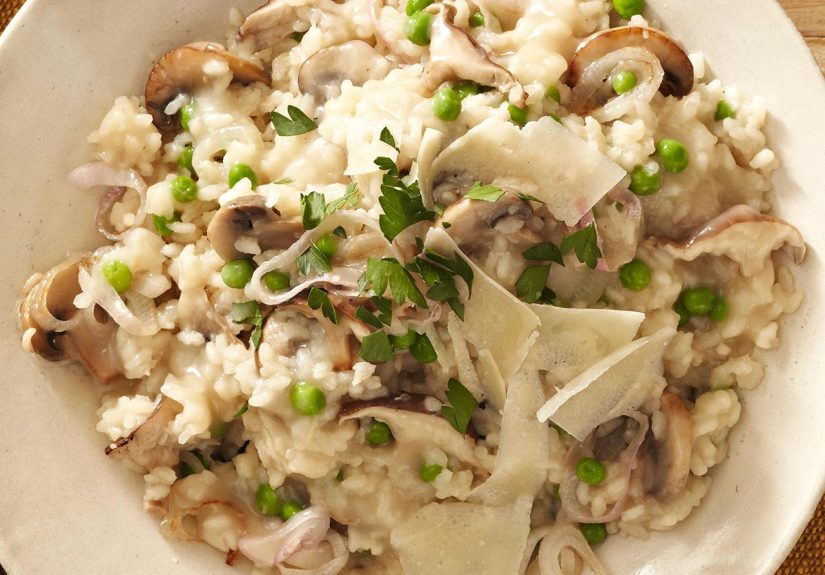
And that’s when the transformation happened. The grains loosened, the starches woke up, the pot went glossy, and the whole thing turned creamy in a very “how is this legal?” way. I stirred in peas at the end for color and a little sweet pop, then served immediately.
The taste test
It tasted like risotto. Not “close enough” risotto. Not “rice casserole pretending to be Italian” risotto. Real-deal, rich and savory, with that classic creamy consistency and distinct grains.
The Parmesan came through boldly, the wine brightened everything, and the butter made it feel like dinner was giving me a hug. If you’ve ever avoided risotto because you don’t want to babysit a pot, this method feels like finding out you can do laundry without a washboard.
Why the Oven Hack Works (and Why It’s Not Actually Cheating)
Risotto’s creaminess comes from starch. Short-grain rice (like Arborio or Carnaroli) is naturally starchy, and when it cooks, it releases that starch into the surrounding liquid. Stirring helps, yesbut it’s not the only way to get there.
A covered Dutch oven creates a steady, moist environment where the rice can cook evenly without scorching. You’re essentially braising rice. Then, when you finish with a short burst of vigorous stirring, you aggressively emulsify the starch with the butter and cheese. That final stir isn’t just busyworkit’s the moment the sauce becomes the sauce.
And Ina isn’t alone here. Plenty of reputable cooks and test kitchens have explored “less-stir” approachessome bake the risotto, others add most of the liquid at once, and some use a brief finishing stir to lock in the creamy texture. The common thread is the same: cook the rice gently, then create the creamy finish by managing starch and fat at the end.
What I’d Do Again (and What I’d Tweak)
1) Use a pot that holds heat
A heavy Dutch oven is ideal because it keeps the cooking steady. Thin pots can heat unevenly, which is how you end up with rice that’s undercooked in the middle and weirdly overcooked on the edges. If all you have is a lighter pot, keep an eye on liquid absorption and don’t be shy about adding a splash more stock at the end.
2) Taste your stock (or consider salted water)
Ina’s recipe leans on chicken stock for flavor, which is greatespecially if it’s homemade or a high-quality brand. But store-bought broth varies wildly in salt and intensity. If your stock is bland, your risotto will be bland. If it’s salty, your risotto can turn into a sodium slip ’n slide.
One smart workaround, suggested by other respected recipe developers, is using well-salted water instead of a mediocre broththen letting your aromatics, cheese, and finishing ingredients do the heavy lifting. If you love the cozy depth of stock, use it. If your broth tastes like warm disappointment, salted water can be the better baseline.
3) Grate the Parmesan fresh
This is not the moment for the green can. Freshly grated Parmesan melts smoothly, tastes sharper, and helps thicken the risotto without turning it gritty. If you want extra flavor without extra effort, save Parmesan rinds and simmer them briefly in your liquid (or toss them in while it cooks, then fish them out). It’s a tiny move with a big payoff.
4) Keep the wine dry and the pour reasonable
Dry white wine adds brightness and keeps the richness from feeling heavy. Think Pinot Grigio, Sauvignon Blanc, or an unoaked Chardonnay. You want “zippy and clean,” not “sweet and fruity.” And you don’t need a tonjust enough to lift the flavors and make the cheese taste more… expensive.
5) Don’t be gentle with the finishing stir
The hack lives and dies in the last two minutes. Stir like you mean it. You’re not whisking air; you’re persuading starch and fat to become best friends. If it still looks thin, keep stirring another minute. If it looks too thick, add a splash of hot stock (or hot water) to loosen it.
Easy Variations That Still Feel “Ina”
Make it a mushroom situation
Sauté sliced mushrooms in butter until browned, season, then stir them in at the end. A little thyme or parsley makes it feel restaurant-y without requiring restaurant effort. If you’re feeling bold, finish with a squeeze of lemon to brighten the earthy flavors.
Go lemon-herb for spring
Stir in lemon zest, a squeeze of juice, and chopped herbs (parsley, chives, basil). It turns the risotto into a lighter side dish that plays well with roast chicken, salmon, or a pile of asparagus.
Upgrade the peas
Frozen peas are charming and easy, but you can swap in roasted vegetables (butternut squash, cherry tomatoes), sautéed spinach, or even a spoonful of pesto for a quick flavor jump.
Troubleshooting: If Your Risotto Has Feelings
“It’s too thick.”
Totally normalrisotto tightens as it sits. Add a splash of hot stock or hot water and stir until it loosens into a creamy, spoonable texture. (Hot liquid works better than cold because it keeps the starches from seizing up.)
“It’s too loose / soupy.”
Stir vigorously for another minute or two. If it still won’t thicken, return the pot to low heat and stir until it reduces slightly. The finish is flexible: your spoon is the steering wheel.
“The rice is still crunchy.”
Add a bit more stock, cover, and bake a little longer. Ovens vary, pots vary, and rice brands vary. The goal is al dente before the final stirtender but not mush.
“It tastes flat.”
Add salt. Then black pepper. Then a touch more Parmesan. If it’s still dull, a splash of wine (or a tiny squeeze of lemon) can bring it back to life.
How I Served It (Low Drama, High Reward)
I served mine as a cozy main with a big green salad and something crunchy on the side (garlic bread, toasted breadcrumbs, you name it). It also works as a side dish under roasted chicken or next to salmon. The main benefit is timing: because the oven handles the bulk of the cooking, you can prep everything else without juggling pots like a dinner-service octopus.
Leftovers: The Next-Day Reality Check
Risotto is best right when it’s finishedcreamy, loose, and glossy. The next day, it thickens and turns more “rice pudding adjacent” (but savory). That said, leftovers are still useful.
Reheat gently with a splash of water or stock and stir until it loosens up. Or embrace the transformation: chill it, shape it, and turn it into crispy rice cakes or arancini-style bites. Risotto has a secret second career as snack food, and it’s very good at it.
Final Verdict: Would I Do Ina’s Hack Again?
Absolutely. This isn’t just easierit’s a genuinely smart workflow for home cooking. You get creamy risotto without sacrificing your entire evening to a pot. It’s elegant enough for guests, relaxed enough for a weeknight, and flexible enough to handle whatever you’ve got in the fridge.
If traditional risotto is a long, romantic novel, Ina’s oven risotto is the movie adaptation that still somehow wins awards. Shorter. Smoother. And you don’t have to hold the spoon the whole time.
Extra : My Risotto-Hack Diary (Because I “Researched”)
After the first run, I did what any reasonable adult would do: I became a little too confident. The next time I made it, I treated the recipe like a choose-your-own-adventure bookstill respecting Ina’s core idea (oven does the hard part, you do the finale), but experimenting with the details.
Round Two: The “tiny extra step, big payoff” version
I started by sautéing a small minced onion in a bit of butter and olive oil before adding the rice. This is closer to classic risotto logic: you build flavor first, then cook the rice. I toasted the rice briefly until it smelled nuttynothing aggressive, just enough to wake it upthen added the stock and moved the whole thing to the oven.
The difference wasn’t subtle. The finished risotto tasted deeper and more aromatic, even though I didn’t add any fancy extras. It also felt a touch more “restaurant” in the first bite, like the rice had a head start on flavor instead of waiting for the Parmesan and wine to do all the work at the end.
Round Three: Hosting mode (aka risotto as a social activity)
The real test came when I made it for peoplebecause nothing reveals the truth of a recipe like an audience that politely claims they’re “not that hungry” and then suddenly needs seconds.
Here’s what I learned: this method is tailor-made for entertaining. With stovetop risotto, you disappear into the kitchen for half an hour and return with a wild look in your eyes and a spoon permanently attached to your hand. With Ina’s hack, you can actually hang out while the oven does its thing. I set a timer, poured drinks, and did the kind of casual chatting that makes you seem like you have your life together.
When the timer went off, I finished the risotto in a few minutesstirring in the wine, butter, and cheese with a dramatic flourish, as if I’d been working tirelessly the whole time. (This is not lying. This is “curating the narrative.”)
My biggest lesson: texture is a moving target
Different pots and ovens change how quickly the liquid absorbs. One time it came out perfect at the exact bake time. Another time it needed a few extra minutes. The good news is this hack is forgiving: if it’s too thick, loosen with hot stock; if it’s loose, stir and heat briefly to tighten it. The finishing step gives you control, which is the reason the whole method works.
If you’re trying this for the first time, my advice is simple: trust the concept, then taste and adjust like a grown-up. Risotto rewards attention at the end more than it demands suffering at the beginning. And if your arm doesn’t hurt afterward, congratulationsyou’ve just unlocked the risotto lifestyle upgrade.