Table of Contents >> Show >> Hide
- Why Hyperrealistic Sculptures Are So Hard to Ignore
- So I Tried Sculpting for Real
- What Hyperrealistic Sculpture Actually Demands
- The Tools, Mistakes, and Mild Emotional Damage
- Here’s the Result
- What I Learned From My First Realistic Sculpture
- Why Hyperrealistic Sculptures Keep Winning Attention Online
- Would I Try Sculpting Again?
- Extended Personal Experience: From Online Awe to Hands-On Sculpting
- Conclusion
Some people scroll past hyperrealistic sculptures online and think, “Wow, that’s amazing.” I scrolled past them and thought, “Surely I, a person with questionable patience and one butter knife in the kitchen drawer, can also do this.” That was the exact moment my dignity packed a tiny suitcase and quietly left the room.
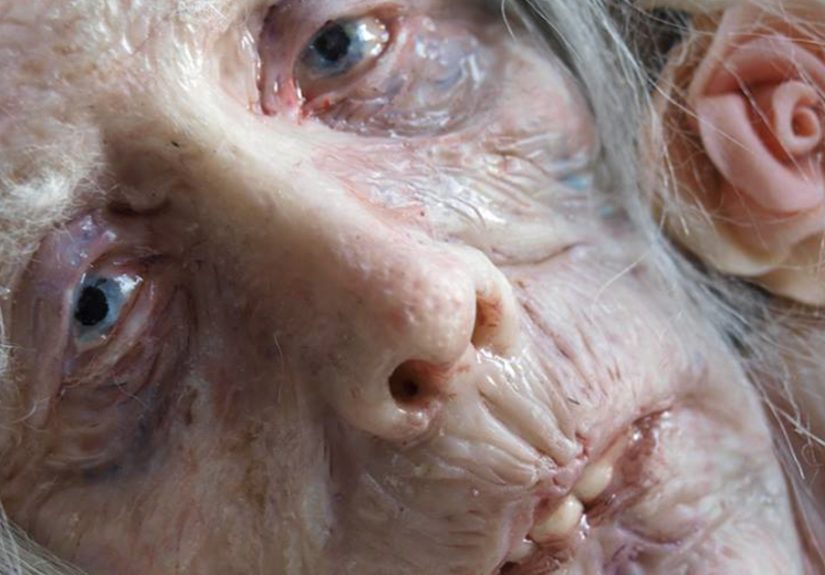
Still, I get the obsession. Hyperrealistic sculptures have that weird, magnetic power that makes your brain do a double take. Is that skin? Is that a person? Is that clay pretending to be a person better than I pretend to have my life together? The best works don’t just look realistic. They feel unnervingly present. You don’t just see them; you experience that split-second confusion where art briefly hijacks your survival instincts.
That’s what hooked me. After spending far too much time admiring lifelike faces, textured skin, subtle wrinkles, glassy eyes, and the kind of detail that makes pores look like they deserve their own IMDb page, I decided to stop being an online spectator and actually try sculpting. The result was not exactly museum-ready. But it was fascinating, humbling, funny, and honestly one of the most satisfying creative messes I’ve ever made.
Why Hyperrealistic Sculptures Are So Hard to Ignore
Hyperrealistic sculpture sits in a sweet spot between technical mastery and psychological chaos. It borrows the logic of realism, then pushes it so far that the work feels more vivid than everyday life. That’s why these sculptures travel so well online. On a small screen, the illusion can be almost too convincing. You lean in. You squint. You wonder whether the artist has secretly made a deal with physics.
Part of the appeal is craftsmanship. Great sculptors understand proportion, anatomy, gesture, structure, and material behavior on a near-obsessive level. They know that realism is not just about getting a nose to look like a nose. It’s about how the eyelids sit over the eyes, how skin stretches across the cheekbone, how a relaxed mouth differs from a tense one by a millimeter or two. In other words, realism is rude. It notices everything.
The other part is emotional. Hyperrealistic sculptures often feel intimate because they capture fragile human details we usually miss. The tilt of a shoulder. The awkward fold of a seated body. The fatigue in a face. The slight asymmetry that makes someone look alive instead of generic. At their best, these works are not just technical flexes. They are portraits of vulnerability wearing the disguise of precision.
Why the internet made me overconfident
Watching short clips of sculptors online is both inspiring and wildly misleading. A ten-second reel makes the process look smooth, elegant, and almost annoyingly effortless. Roll the clay. Refine the cheekbones. Add texture. Boom: a human face appears, as though summoned by confidence alone.
What those clips do not fully communicate is the amount of planning behind the magic. Realistic sculpture depends on structure before detail, measurement before expression, and patience before everything else. You are not just making a face. You are building a believable form from the inside out. It is less “creative whirlwind” and more “tiny construction project with emotional consequences.”
So I Tried Sculpting for Real
I did what most modern beginners do: I started with enthusiasm, a couple of tutorials, and a wildly inaccurate estimate of my own abilities. I chose clay because it felt accessible and forgiving. Clay lets you add, subtract, smooth, carve, and generally negotiate with your mistakes instead of marrying them forever. For a first attempt, that seemed ideal, because I planned to make a lot of mistakes. I am pleased to report that I was correct.
My goal was simple: create a small realistic head inspired by the kinds of hyperrealistic sculptures I had been admiring online. Not a full figure. Not a dramatic bronze monument. Just a face. A manageable, humble, innocent face. Reader, faces are not humble. Faces are complicated little architecture projects made of curves, planes, tension, rhythm, and treachery.
I quickly learned that sculpting is less about “making a thing look right” and more about understanding why it looks wrong. If the eyes are too high, the forehead shrinks. If the mouth is too deep, the whole expression changes. If the chin is too weak, suddenly your sculpture looks like it has never won an argument in its life. Every small choice creates a chain reaction.
What Hyperrealistic Sculpture Actually Demands
1. Structure comes before detail
This was my first major lesson. You cannot save bad proportions with excellent eyelashes. I tried. The clay did not respect my optimism.
Before realistic sculptors get to pores, wrinkles, or subtle surface texture, they establish the big forms: skull shape, placement of eyes, angle of jaw, width of mouth, height of cheekbones, and the directional flow of the head. If the major masses are off, the details only make the error more visible. It is like putting luxury curtains in a house with no walls.
Once I stopped fussing over tiny features and started focusing on overall volume, things improved fast. My sculpture did not become great, but it did at least stop looking haunted in a very specific and personal way.
2. Materials have opinions
I also learned that sculpting materials are not neutral. They each behave differently, and they all seem to have tiny personalities. Some clays stay soft longer. Some hold crisp detail better. Some are ideal for modeling and refining. Some are great for final texture. Some are basically saying, “I can help, but only if you stop poking me every eight seconds.”
For beginners, polymer clay can be especially appealing because it stays workable until cured, which means you are not racing the clock quite as aggressively as you would with some other materials. It also allows sanding, carving, and painting after curing, which is excellent news for anyone whose first draft looks like an emotional support potato.
That said, even the friendliest clay will not fix rushed observation. Good material helps. Good looking helps more.
3. Texture is the final boss
The biggest illusion in hyperrealistic sculpture is not anatomy. It is surface. Real skin is not smooth. Real hair is not one texture. Real faces are full of subtle variations in tension, softness, pores, edge transitions, and tiny irregularities. Hyperrealistic work succeeds because the artist understands when to sharpen an edge, when to blur it, when to polish, and when to leave evidence of life.
On my first attempt, I made the classic beginner move of smoothing everything too much. The face looked less human and more like a luxury candle with opinions. Once I started breaking the surface slightly and introducing variation around the eyes, lips, and nose, the sculpture gained more character. Not perfection. Character. Which, frankly, was progress.
The Tools, Mistakes, and Mild Emotional Damage
I went into this thinking I needed genius. It turns out I mostly needed basic tools, decent lighting, and the willingness to start over without acting like the clay had personally betrayed me.
Some tools were immediately useful: a wire armature for support, simple modeling tools for pushing and scraping clay, reference photos from multiple angles, and a quiet determination not to panic when one eye looked thoughtful and the other looked ready to file a complaint. An armature was especially helpful because realistic sculpture needs internal stability, even at a small scale. Structure matters more than beginner pride.
My biggest mistake was working too symmetrically too soon. I kept trying to make both sides of the face match before the head itself had a believable rhythm. Human faces are not mirror-perfect, and sculpting them as if they are can drain the life right out of the work. Once I let the face behave more like a face and less like a geometry assignment, it looked more natural.
My second mistake was overworking the clay. Every time I got nervous, I touched it more. This is not a professional technique. This is how one turns a cheekbone into mashed ambition. Eventually I learned to pause, step back, and look before changing anything. Sculpting rewards observation far more than frantic fiddling.
Here’s the Result
So, what did I end up with? Not a viral masterpiece. Not a hyperrealistic sculpture that would fool strangers into asking whether it needed a snack. But also not a disaster.
The final piece looked recognizably human, which felt like an excellent baseline victory. The proportions were decent. The expression had some life. The nose survived. The lips had shape. The eyes, while not quite soulful, at least appeared to belong to the same species. Most importantly, the sculpture taught me that realism is built in layers: form, proportion, refinement, texture, and restraint.
I had gone in expecting a glamorous reveal. Instead, I got a more valuable result: respect. Respect for artists who can make resin, clay, plaster, wax, silicone, or bronze feel startlingly alive. Respect for the discipline behind realistic sculpture. Respect for how much craft hides behind a piece that seems effortless when you first see it online.
What I Learned From My First Realistic Sculpture
Observation beats talent theater
People love the myth of natural talent because it is dramatic and convenient. But after trying sculpting myself, I am much more convinced by trained observation. The artists whose work stunned me online were not just “gifted.” They were paying close attention to form, reference, gesture, and material behavior over and over again until their hands could translate what their eyes understood.
Patience is a material
Clay might be the medium, but patience is absolutely part of the build. Rushing a sculpture is like trying to microwave a Thanksgiving turkey. You can technically do things quickly, but nobody involved will be happy with the outcome. Realistic work needs pauses, corrections, drying time, refining time, and the mental space to notice what the piece actually needs.
Imperfection is not failure
My first sculpture was full of flaws, but those flaws made the process real. They also made the next attempt feel possible. Once I stopped expecting perfection, I started noticing progress. That shift matters in any creative practice. Hyperrealistic sculpture may look superhuman when done well, but learning it is a very human process full of awkward stages, weird proportions, and occasional faces that resemble sleep paralysis demons for half an hour before improving.
Why Hyperrealistic Sculptures Keep Winning Attention Online
They win for the same reason movie makeup, special effects, and beautifully made props win: people are drawn to skilled illusion. But there is also something deeper happening. In a very filtered digital world, hyperrealistic sculpture gives us a form of reality that feels earned. Every pore, fold, crease, and gesture comes from direct labor. Nothing about it feels accidental. That kind of visible craft stands out.
It also reconnects viewers to the physical world. You can admire a digital image instantly, but a sculpture reminds you that matter has weight, texture, and presence. Even online, that physicality translates. You can sense the handwork. You can imagine the artist turning the piece, adjusting the profile, building the planes of a face, scraping away excess, adding tiny notes of texture. That trace of human effort is part of the thrill.
Would I Try Sculpting Again?
Absolutely. In fact, the imperfect first result made me want to keep going more than a polished result ever could. It revealed how much depth there is in sculpting, especially realistic sculpting. Every new attempt offers another chance to understand proportion, refine features, and translate observation into form with a little more confidence and a lot less accidental goblin energy.
If hyperrealistic sculptures have been blowing up your feed and making you wonder whether you should try sculpting too, my answer is yes. Not because you will instantly create a masterpiece. You probably will not. I definitely did not. But you will learn to see differently, and that alone is worth the clay under your fingernails.
Extended Personal Experience: From Online Awe to Hands-On Sculpting
The most surprising part of this whole experience was how much it changed the way I look at faces. Before I tried sculpting, I thought I was observing carefully. I was not. I was recognizing faces, not studying them. Those are wildly different skills. Once I started building one from clay, I noticed relationships everywhere: how the brow sits over the eye socket, how the nose connects to the upper lip, how the jawline changes depending on angle and expression. Suddenly, every face I saw in photos, movies, or real life looked less like a flat image and more like a structure full of shifting planes.
That shift made the online sculptures I loved seem even more impressive. What used to look like “incredible detail” now looked like “incredible discipline.” I understood why realistic sculptors spend so much time correcting, refining, and stepping back. A face can look completely fine from the front and deeply suspicious from the side. A mouth can appear calm until one corner rises half a millimeter and turns the whole expression smug. Clay is honest like that. It exposes every lazy shortcut immediately.
I also discovered that sculpting has a strangely calming rhythm once you stop fighting it. At first, I was tense and impatient. I wanted results. I wanted the dramatic before-and-after moment. But the longer I worked, the more the process became its own reward. Press, scrape, smooth, compare, adjust, repeat. It demanded focus in a way that made everything else go quiet for a while. No doomscrolling. No multitasking. No pretending to answer messages while mentally writing a grocery list. Just me, the clay, and the ongoing mystery of why ears are so weird.
And yes, there were moments of comedy. There was the phase where my sculpture looked like it had seen the future and hated it. There was the point where I thought I had nailed the mouth, only to realize I had accidentally given the face the expression of someone politely enduring a terrible dinner party. There was a deeply humbling hour in which I fixed one eye five times and somehow made both worse. But those moments were not discouraging. They were proof that I was actually learning.
By the end, I felt less intimidated by hyperrealistic sculpture and more connected to it. I still think the best artists in this space are operating on another level. But trying sculpting myself turned admiration into understanding. It showed me that realistic sculpture is not magic. It is observation, structure, patience, and thousands of choices made with care. My result was not flawless, but it was real, and that felt oddly wonderful. It was the first time an art form I had admired from a distance became something physical in my own hands. Messy? Yes. Imperfect? Absolutely. Worth it? Completely.
Conclusion
I started this experiment because hyperrealistic sculptures online looked too impressive to ignore. I finished it with a lopsided but lovable reminder that great art is often built one correction at a time. My first attempt did not fool anyone into thinking it was a living person, but it did something better: it taught me how much intelligence, patience, and visual sensitivity realistic sculpting requires.
That may be the real result. Not just a sculpture, but a new way of seeing. And maybe that is why hyperrealistic sculpture keeps fascinating people in the first place. It does not only imitate life. It makes us pay closer attention to it.