Table of Contents >> Show >> Hide
- Choose the Right Magnolia for Your Yard (Because “Magnolia” Isn’t Just One Tree)
- Before You Dig: Light, Soil, Drainage, and “Magnolia Logistics”
- When to Plant a Magnolia Tree
- How to Plant a Magnolia Tree (Step-by-Step, No Guessing)
- First-Year Magnolia Care: Water Like You Mean It
- Ongoing Magnolia Care (Years 2 and Beyond)
- Common Magnolia Problems (and What They Usually Mean)
- Growing Magnolias in Small Spaces (Yes, It’s Possible)
- Quick Planting-Day Checklist
- Real-World Magnolia Experiences (What Gardeners Learn the Fun Way)
- Conclusion
Magnolias are the kind of tree that makes neighbors “casually” slow down on walks to stare at your yard like it’s a botanical exhibit.
Big, dramatic blooms? Check. Glossy leaves (for some types)? Check. A reputation for being a little picky? Also checkbecause of course
the prettiest plants have a touch of diva energy.
The good news: magnolia tree care isn’t complicated once you set the tree up correctly from day one. Most problems people blame on
“magnolias being dramatic” actually come from one thing: planting mistakes (especially planting too deep) and inconsistent watering while
the tree establishes. Let’s get you the flowers without the fuss.
Choose the Right Magnolia for Your Yard (Because “Magnolia” Isn’t Just One Tree)
“Magnolia tree” is like saying “dog.” That could mean a Chihuahua or a Great Daneand your yard probably isn’t prepared for surprises.
Start by matching the species/cultivar to your climate, space, and how much leaf-and-petal cleanup you’re willing to tolerate.
Popular magnolias in the U.S. (and what they’re like to live with)
-
Southern magnolia (Magnolia grandiflora): Evergreen in warmer regions, famous for huge white summer flowers and glossy leaves.
Can grow very large, forms surface roots over time, and drops leaves/seed pods (translation: don’t plant it where “mess” ruins your day). -
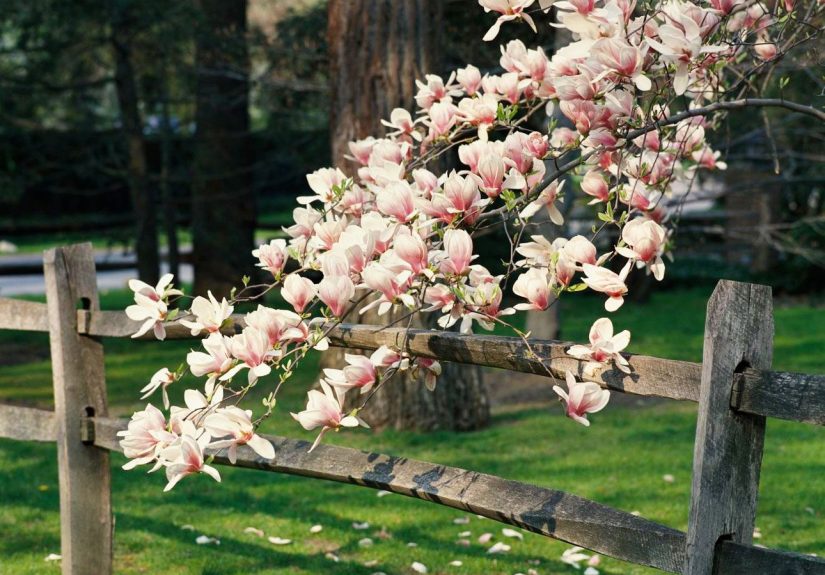
Saucer magnolia (Magnolia × soulangeana): Deciduous, spring blooms, often multi-stemmed like a big shrub-tree hybrid.
Gorgeous flowers can be hit by late frosts in some areas. - Star magnolia (Magnolia stellata): Deciduous, smaller, cold-hardy, early blooms. Great for tighter spaces.
-
Sweetbay magnolia (Magnolia virginiana): More tolerant of wetter soils than many magnolias, summer blooms, can be evergreen in warmer climates
and deciduous further north. -
Dwarf/compact cultivars (“Little Gem,” “Teddy Bear,” etc.): Better for smaller yards, patios, or screening without committing to a
full-sized forever-tree.
Reality check: Mature size matters. A “cute little magnolia” from the garden center can become a 30–60+ foot life choice,
depending on the type. Always look up the mature height and spread and plan the location like you mean it.
Before You Dig: Light, Soil, Drainage, and “Magnolia Logistics”
Light: full sun vs. part shade
Many magnolias grow well in full sun to partial shade. In hot regions, some benefit from a bit of afternoon shade, while in cooler
regions, more sun usually means better flowering. If you’re unsure, choose a spot with morning sun and light afternoon shadekind of the
“goldilocks” setting for a lot of flowering trees.
Soil: slightly acidic, rich, and well-drained (but not bone-dry)
Most magnolias prefer moist, well-drained soil with plenty of organic matter. Slightly acidic is often ideal, but many magnolias
are adaptable as long as drainage isn’t terrible. If your yard stays soggy after rain, fix drainage or choose a type known to tolerate wetter
conditions (sweetbay is often a better bet).
Space and placement: give it roomand pick a “mess-friendly” zone
Magnolias can drop petals, seed cones, and leaves. That’s not a flawit’s just biology (and a little bit of attitude).
Place the tree away from pools, tight patios, or driveways if you don’t want to power-wash “flower confetti” like it’s your weekend hobby.
When to Plant a Magnolia Tree
The best planting time depends on your climate and whether your magnolia is container-grown or balled-and-burlapped.
In many parts of the U.S., fall and early spring are ideal because temperatures are milder and roots can grow without
the stress of summer heat. Avoid planting during the hottest stretch of summer if you cannew trees struggle most when roots are still small
and the weather is trying to bake the soil like a casserole.
A simple seasonal rule
- Cooler climates: Early spring or early fall.
- Hotter climates: Fall is often best so roots establish through winter and spring before summer arrives.
How to Plant a Magnolia Tree (Step-by-Step, No Guessing)
Here’s the big secret: planting depth and root prep matter more than fancy fertilizer. If you do nothing else perfectly, do this part right.
Step 1: Call before you dig (seriously)
If you’re in the U.S., contact your local utility locating service (often 811) before digging. It’s not the fun part, but it’s
dramatically better than meeting a buried cable with a shovel.
Step 2: Find the root flare (the tree’s “collarbone”)
The root flare (root collar) is where the trunk widens and the first main roots begin. This should end up at or slightly above
the finished soil grade. Many nursery trees have soil piled too high on the trunkgently brush soil away until you find the flare.
Step 3: Dig a wide, shallow hole (wider wins)
Dig the hole 2–3 times wider than the root ball, but only as deep as needed so the root flare sits slightly above grade.
Wide holes encourage roots to spread outward, which helps magnolias establish faster and stand up to wind and drought later.
Step 4: Remove the container (and fix circling roots)
Slide the tree out of its pot. If roots are circling the outside like spaghetti hugging a bowl, loosen them gently and cut a few of the worst
circling roots. This reduces the risk of future girdling roots and helps roots grow into surrounding soil.
For balled-and-burlapped trees, remove as much wire/burlap as practical once the tree is positioned. At minimum, remove or fold back the top
portion so it doesn’t interfere with root growth near the surface.
Step 5: Set the tree and backfill with native soil
Place the tree in the hole, check it from a couple angles so it’s straight, then backfill using the soil you dug out. Over-amending the hole can
make roots “cling” to the comfy soil pocket instead of exploring the yard. If your soil is extremely poor, mix in modest organic matter broadly
across the planting areanot just in the holeso the tree doesn’t live in a soil bowl.
Step 6: Water in thoroughly, then mulch correctly
Water slowly and deeply right after planting to settle soil around roots and eliminate air pockets. Then apply 2–3 inches of mulch
(bark, leaf compost, pine needles), keeping mulch several inches away from the trunk. No mulch volcanoes. Your tree is not a latte.
First-Year Magnolia Care: Water Like You Mean It
The first year is when magnolias decide whether they’re going to thrive or simply “exist with resentment.”
Consistent moisture is the single most important factor in establishment.
Watering schedule (a practical approach)
- Weeks 1–4: Water deeply 2–3 times per week (more if it’s hot/dry or the tree is in sandy soil).
- Months 2–6: Water deeply 1–2 times per week, adjusting for rain and heat.
- After 6 months through year 1: Deep watering weekly during dry spells.
Aim for deep soaking, not daily sprinkles. If the top few inches are dry and the tree looks a bit droopy, it’s time. If soil is constantly soggy,
back offroots need oxygen, too.
Mulch and weeds
Keep a mulch ring at least 2–3 feet wide (wider is even better). This protects shallow roots, reduces competition from grass, and helps the soil
stay evenly moist. Many magnolias dislike root disturbance, so fewer weeds = fewer reasons to poke around with tools later.
Fertilizer: slow down, tiger
Newly planted trees often don’t need fertilizer right away. Over-fertilizing can push leafy growth before the roots are ready to support it.
If your tree is healthy and putting on steady growth, you can usually wait until the second year. If you suspect nutrient issues, start with a soil
test and choose a slow-release fertilizer only if it’s actually needed.
Ongoing Magnolia Care (Years 2 and Beyond)
Feeding (only if the tree asks for it)
A mature magnolia in decent soil may need little to no fertilizing. If growth is weak or leaves look pale, use a soil test to guide you.
When fertilizer is appropriate, apply it at the right time (often late winter/early spring) and avoid late-season applications that push tender growth
right before cold weather.
Pruning: timing depends on bloom habit
Magnolias usually don’t want heavy pruning. They heal slowly, and many bloom on older wood. A good rule is:
prune right after flowering for spring-flowering magnolias (like saucer and star), so you don’t remove next year’s buds.
For some summer-flowering types, timing can differso make your cuts with the calendar and your variety in mind.
- Do: remove dead, damaged, or crossing branches; lightly shape young trees; keep cuts clean.
- Don’t: “top” the tree; shear it into a lollipop; prune hard in fall and then wonder where the flowers went.
Winter protection (for young trees and cold snaps)
In colder zones or windy sites, young magnolias may benefit from extra mulch over the root zone and protection from harsh winter sun and wind.
The goal is to prevent stress, bark damage, and bud injurynot to wrap the tree like a burrito for six months.
Common Magnolia Problems (and What They Usually Mean)
“My magnolia is dropping leaves!”
Sometimes this is normal. Evergreen magnolias can drop older leaves seasonally (often noticeably before or around flowering). Deciduous types drop
leaves in fall. If leaf drop is sudden, paired with crispy edges, or the tree looks thin overall, check watering patterns, drainage, and root disturbance.
Frost-burned buds
Early-blooming magnolias can lose flowers to late freezes. The tree is usually fineit’s just a rough year for blossoms. Planting in a spot protected
from strong winds and avoiding warm southern exposures that trigger early bud break can help.
Scale insects (including magnolia scale)
If you see bumps on twigs/branches, sticky honeydew, or sooty mold, scale may be involved. Good tree vigor helps. For serious infestations,
consult local extension guidancetiming matters, and encouraging beneficial insects can play a role.
Leaf spots and minor diseases
Many magnolias are relatively pest-resistant. Leaf spots can happen, especially in humid weather, but are often cosmetic. Focus on airflow,
avoiding overhead watering late in the day, and general tree health.
Growing Magnolias in Small Spaces (Yes, It’s Possible)
If you don’t have room for a giant tree, look for compact cultivars and smaller species like star magnolia. Some magnolias can be grown in large
containers for a period of time, but remember: magnolias don’t love transplanting. If you go the container route, use a large pot with excellent
drainage, keep moisture consistent, and be realistic about eventual in-ground planting (or upgrading containers).
Quick Planting-Day Checklist
- Pick a site with appropriate sun and enough mature space.
- Confirm drainage (no “standing water for days” situations).
- Find the root flare and plan to keep it at/above grade.
- Dig wide, plant slightly high, backfill with native soil.
- Water deeply, mulch 2–3 inches, keep mulch off the trunk.
- Water consistently for the full establishment period (often 2–3 years for trees).
Real-World Magnolia Experiences (What Gardeners Learn the Fun Way)
Garden advice often sounds neat and orderlylike every yard is a perfectly edited magazine spread and every gardener wears spotless gloves.
In real life, magnolia growing comes with lessons that show up wearing muddy boots. Here are some common “magnolia moments” gardeners run into,
and what they tend to do next (usually after a dramatic sigh and a trip back to the hose).
1) The “I planted it where it looked pretty… in spring” mistake.
A magnolia in bloom is a heart-stealer, so it’s tempting to plant it right where you’ll see those flowers dailynear the front walk, patio,
or pool. Then summer arrives and the tree starts dropping petals like it’s hosting a wedding every weekend. If you chose a larger magnolia,
you may also meet the seed cones and leaf drop that come with the show. The lesson isn’t “don’t plant magnolias”it’s “give them a spot where
their natural mess won’t feel like a personal attack.” Many gardeners end up adding a wider mulch bed underneath and moving the “sit and relax”
furniture just far enough away to keep the peace.
2) The “Why is my tree sulking?” summer after planting.
Magnolias can look fine for weeks after planting and then suddenly appear moody in the first heat wave. Leaves may droop slightly, edges can crisp,
and growth seems slow. This is usually the tree putting energy into roots, not a sign that it hates you. Gardeners who win this phase do two things:
they water deeply on a schedule (not just when they remember) and they stop “helping” by digging around the root zone. Magnolias prefer calm,
undisturbed rootsthink spa day, not construction zone.
3) The “I planted too deep, but I didn’t know!” plot twist.
This one is incredibly common because many nursery trees arrive with soil piled up on the trunk, hiding the root flare. A magnolia planted too deep
may grow slowly, look stressed in summer, or struggle over time. Gardeners who learn about the root flare often have a lightbulb moment:
“Wait… my tree’s trunk goes straight into the ground like a fence post.” The fix can be as simple as carefully removing excess soil and mulch from
the base (and, in severe cases, having an arborist evaluate). This is why planting slightly high from the start is such a big deal.
4) The “late frost stole my flowers” heartbreak.
Early bloomers like star and saucer magnolias can be stunningand also occasionally betrayed by late freezes. Gardeners report the same emotional
timeline: excitement → buds swelling → one cold night → sadness. The tree is usually fine; it’s just a lost bloom season. Over time, gardeners
adapt by choosing planting spots protected from strong winds, avoiding warm exposures that trigger extra-early bud break, or selecting cultivars
known to bloom a little later. It’s not controlling the weather; it’s simply playing smarter defense.
5) The “I thought fertilizer would make it happier” experiment.
When a young magnolia looks slow, many people reach for fertilizer. Then the tree produces a lot of soft, leafy growthand still doesn’t seem
thrilled. Gardeners eventually discover that magnolias are more impressed by consistent watering and good mulch than a buffet of nutrients.
Once established, a soil test and a slow-release approach (only if needed) tends to work better than frequent feeding.
6) The “magnolia scale made my branches sticky” surprise.
A sticky coating on leaves or patio furniture can send gardeners into detective mode. When scale is the culprit, the most common real-world
improvement comes from a combination of steps: boosting overall tree health (water during drought, mulch properly), avoiding excess nitrogen,
and following local extension guidance for timing any controls so you’re not treating at the wrong life stage. Many gardeners also learn to
appreciate beneficial insects once they realize nature has its own tiny pest-control team.
In the end, magnolia success looks a lot like this: plant it correctly, water it steadily while it establishes, prune lightly at the right time,
and thenthis is the hardest partlet it be a tree. The reward is a spring (or summer) bloom show that makes your yard feel like it has its own
opening-night applause.
Conclusion
If you remember only three things, make them these: choose the right magnolia for your space, plant it at the correct depth with the root flare
visible, and water consistently through the establishment period. Do that, and your magnolia will spend more time flowering and less time
“communicating disappointment” through droopy leaves.