Table of Contents >> Show >> Hide
- What Is the Ironrite Health Chair?
- Why Herman Sperlich’s Design Still Matters
- Design Features of the Ironrite Health Herman Sperlich Chair
- Machine Age Beauty Without the Drama
- How the Chair Became a Collector’s Item
- How to Identify an Authentic Ironrite Health Chair
- Decorating With the Ironrite Health Chair Today
- Care and Restoration Tips
- Why the Ironrite Health Chair Feels Modern Again
- Collector Buying Guide
- Experiences Related to the Ironrite Health Herman Sperlich Chair
- Conclusion
The Ironrite Health Herman Sperlich Chair is the kind of object that makes design collectors lean forward, squint a little, and say, “Wait, that came from an ironing company?” Yes, it did. And that is exactly what makes it fascinating. Designed in the late 1930s for the Ironrite Ironer Company of Detroit, the chair was originally made to support people using automatic ironing machines. Today, it sits comfortably in the conversation around early ergonomic furniture, Machine Age design, American industrial innovation, and collectible vintage seating.
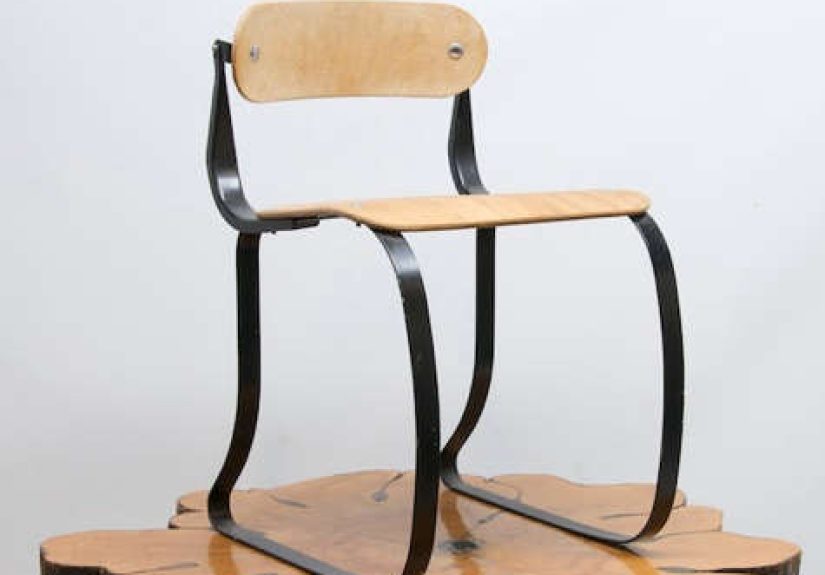
At first glance, the Ironrite Health Chair looks modest. It is not a plush lounge chair begging for a cigar and a jazz record. It is not a dramatic sculptural throne trying to win a staring contest with your living room. Instead, it is smart, practical, and surprisingly graceful: a compact chair with a steel frame, a formed seat, a pivoting backrest, and a personality that says, “I was built to work, but I clean up nicely.”
That mix of usefulness and charm explains why the Herman Sperlich chair still attracts designers, decorators, collectors, and vintage hunters. It is a reminder that great design does not always begin in a studio showroom. Sometimes it begins in a laundry room, beside a hot roller iron, while someone is trying to get through a mountain of shirts without turning into a human question mark.
What Is the Ironrite Health Chair?
The Ironrite Health Chair is a compact industrial work chair designed for use with Ironrite automatic ironing machines. It was created by Herman A. Sperlich, associated with the Ironrite company, and produced around 1938 through the early 1940s. The chair was promoted as a way to encourage a more comfortable, “scientifically correct” sitting posture while operating an Ironrite ironer.
In plain English, it was an ergonomic chair before ergonomic chairs became office buzzwords. Decades before adjustable lumbar supports invaded conference rooms and “sit properly” became a workplace wellness poster, Sperlich’s chair tackled a practical problem: ironing was physically demanding, repetitive, and usually done for long stretches. A better chair could reduce fatigue, support the back, and improve the user’s working position.
The chair’s early versions typically featured a steel frame with lacquered plywood or wood components. Later versions often used more stamped or enameled metal. Many surviving examples show a white, cream, or off-white finish, though age, use, repainting, and restoration mean collectors may encounter different colors and surface conditions.
Why Herman Sperlich’s Design Still Matters
The Ironrite Health Herman Sperlich Chair matters because it sits at the intersection of three important design stories: domestic labor, industrial manufacturing, and ergonomic thinking. It was not designed simply to look modern. It was designed to help someone perform a task more comfortably.
A Chair Built Around Work
The Ironrite ironer was a household appliance intended to make ironing faster and less exhausting than using a heavy hand iron. These machines pressed fabric using a roller and heated shoe, allowing users to feed clothing, sheets, and linens through the machine. The Health Chair complemented that process by giving the operator a stable, supportive seat at the right working height.
This context is important. The chair was not a decorative afterthought. It was part of a system. Machine, body, posture, and workflow all mattered. That system-based thinking feels remarkably modern, especially when compared with today’s design conversations about human-centered products.
An Early Ergonomic Mindset
Calling the Ironrite Health Chair “ergonomic” is not just marketing fluff. The chair’s form reflects an effort to support the body during repetitive labor. Its pivoting backrest, compact proportions, and resilient frame suggest a design meant to move with the user rather than force the user into a rigid position. That may sound obvious now, but in the 1930s, household labor was rarely treated with such design seriousness.
The name “Health Chair” may sound quaint today, like something sold by a cheerful radio announcer wearing a bow tie, but it points to a real concern: posture, fatigue, and comfort. The chair was meant to make domestic work less punishing. That alone gives it a meaningful place in American design history.
Design Features of the Ironrite Health Herman Sperlich Chair
The chair’s appeal comes from its clean engineering. Nothing looks accidental. Every curve, bolt, and bend seems to have a job.
Steel Frame
The frame is one of the chair’s most recognizable features. It often uses bent steel strips or formed metal elements that create a light but sturdy structure. This gives the chair a springy, slightly flexible quality while keeping the silhouette lean. It is industrial without being clunky, which is not always easy. Some industrial furniture looks like it was assembled during a lunch break by a very angry toolbox. The Ironrite chair, by contrast, has rhythm.
Formed Seat and Backrest
Early examples commonly used lacquered plywood or wood for the seat and back. These parts were shaped to support the body while keeping production efficient. Later versions may use metal components instead, giving the chair a more uniform, all-steel appearance. Collectors often pay close attention to these differences because they can help identify period, originality, and restoration history.
Pivoting Backrest
The pivoting backrest is one of the chair’s most celebrated details. It is simple, useful, and quietly clever. Instead of behaving like a flat plank nailed behind the sitter, the backrest responds to posture. For someone leaning forward and backward while feeding fabric through an ironer, that adjustability made sense.
Compact Proportions
The Ironrite Health Chair was not built to dominate a room. Its modest footprint makes it surprisingly adaptable today. It can work as a desk chair, entry chair, accent chair, studio seat, or conversation piece in an industrial-modern interior. It is small enough to be flexible but distinctive enough to avoid disappearing into the furniture background.
Machine Age Beauty Without the Drama
The chair belongs visually to the world of American Machine Age design. That means streamlined lines, practical materials, exposed structure, and a belief that modern manufacturing could improve daily life. It shares a design language with factories, appliances, steel office furniture, and early modern domestic equipment.
Yet the Ironrite Health Chair avoids feeling cold. Its curved back, rounded seat, and slightly springy stance give it friendliness. It looks engineered, but not hostile. It looks efficient, but not joyless. That balance is why decorators still use it in warm interiors, not just museum-like spaces where everyone whispers and nobody knows where to put their coffee.
How the Chair Became a Collector’s Item
Many industrial chairs become collectible because they are durable, visually distinctive, and tied to a specific manufacturing story. The Ironrite Health Chair checks all three boxes. It is also helped by its connection to major design collections and its reputation as an early ergonomic object.
Collectors look for original labels, patent decals, early wood-and-steel construction, intact pivoting mechanisms, good proportions, and honest wear. “Honest wear” is vintage-speak for scratches, patina, paint loss, and age that tell a story without suggesting the chair spent three decades underwater. A little wear can be beautiful. A structural wobble that makes guests question their life choices is less charming.
Prices vary widely depending on condition, originality, finish, rarity, and market demand. Some examples appear as affordable vintage finds, while better-preserved or professionally restored pieces may command higher prices through design dealers. All-metal versions, wood-and-steel versions, labeled examples, and unusual finishes can attract different buyers.
How to Identify an Authentic Ironrite Health Chair
Because the chair has become desirable, buyers should know what to look for before purchasing one. Authenticity is not always simple, especially when old chairs have been repainted, repaired, stripped, or mixed with replacement parts.
Look for the Overall Form
The classic profile includes a compact seat, a separate backrest, and a shaped metal support structure. The frame usually has a light, bent-metal look rather than heavy tubular construction. The chair should feel purposeful and balanced, not like a generic school chair wearing a vintage costume.
Check the Backrest
The pivoting or adjustable back is a key feature. On many examples, the backrest is attached in a way that allows movement or angle adjustment. If it is fixed rigidly, investigate whether it has been repaired or modified.
Inspect Materials
Early versions may combine steel with lacquered plywood or wood. Later examples may have stamped metal seats and backs. Both can be legitimate, but the distinction matters for dating and value.
Search for Labels or Patent Marks
Some examples retain manufacturer labels, decals, or patent information on the reverse of the backrest or underside. These details can strengthen attribution. However, absence of a label does not automatically mean a chair is fake. Labels fall off. Paint gets stripped. Life happens.
Review Condition Carefully
Surface wear is normal. Rust, missing hardware, cracked wood, loose joints, or bent frame elements deserve closer attention. A chair can be restored, but restoration quality matters. A careful restoration preserves character. A careless one can make a 1930s design icon look like it was dipped in refrigerator paint last Tuesday.
Decorating With the Ironrite Health Chair Today
The Ironrite Health Chair fits beautifully into modern interiors because it bridges vintage utility and sculptural simplicity. It does not need a fully industrial loft to make sense. In fact, it often looks best when paired with contrast.
Place it beside a simple wood desk, and it becomes a compact work chair with historical depth. Use it near a hallway console, and it becomes a conversation starter. Pair it with warm textiles, and the metal frame feels less severe. Set it in a studio or creative workspace, and it quietly says, “Yes, this person knows design history, but they also probably misplace pencils.”
Because of its size, it works especially well in apartments, reading corners, craft rooms, laundry rooms, and small offices. The chair’s visual lightness allows it to add character without overwhelming the room. Its industrial character also pairs nicely with mid-century modern furniture, Bauhaus-inspired pieces, modern farmhouse interiors, and eclectic vintage collections.
Care and Restoration Tips
Anyone who owns an Ironrite Health Herman Sperlich Chair should approach care with patience. This is not a disposable chair. It is a piece of industrial design history, and it deserves better than aggressive sanding, mystery chemicals, and “I saw a video once” confidence.
Clean Gently First
Start with mild cleaning. Dust, wipe with a soft cloth, and use gentle soap if needed. Avoid harsh abrasives unless you are working with a professional restorer or have experience with vintage metal and lacquered surfaces.
Respect Original Finish
Original paint, lacquer, decals, and patina can add value. Not every scratch needs to disappear. In the vintage world, over-restoration can be as damaging as neglect. A chair that looks naturally aged often has more charm than one polished into historical amnesia.
Stabilize Before Beautifying
If the chair wobbles, has loose hardware, or shows structural damage, address stability first. Beauty is wonderful, but nobody admires a chair while lying on the floor beside it.
Document What You Have
Take photos of labels, hardware, finishes, and construction details. Keep purchase records and restoration notes. Documentation helps future buyers, appraisers, and family members who might otherwise call it “that weird ironing chair in the corner.”
Why the Ironrite Health Chair Feels Modern Again
Modern design has returned to questions that Herman Sperlich’s chair was already asking: How does furniture support the body? How can manufacturing solve everyday problems? How do we design for work that is repetitive, physical, and often overlooked?
The Ironrite Health Chair was made for domestic labor, a type of work historically undervalued despite being essential. That makes the chair more than a nice vintage object. It is a small artifact of social history. It reminds us that design can make invisible work visible.
It also proves that practicality and beauty are not enemies. The chair is efficient, but it has style. It is modest, but it has presence. It was built for laundry work, but it now belongs in museums, collections, and carefully styled interiors. Not bad for a chair that started life next to an ironing machine.
Collector Buying Guide
If you are considering buying an Ironrite Health Chair, begin by deciding what matters most to you: originality, condition, price, or decorative impact. A museum-level collector may prioritize early construction, original finish, labels, and historical accuracy. A decorator may care more about silhouette, color, and whether the chair works in a room. Both approaches are valid.
Ask sellers for clear photos of the backrest, underside, frame connections, seat, labels, and any damage. Confirm dimensions, especially seat height, if you plan to use it at a desk. Request details about repainting or restoration. If a chair is described as “original,” make sure that means original parts and finish, not just “originally a chair.”
Shipping is another consideration. The chair is compact, but vintage metal and wood can be vulnerable in transit. Proper packing matters. A rare design object should not arrive wearing one layer of bubble wrap and a prayer.
Experiences Related to the Ironrite Health Herman Sperlich Chair
Spending time with an Ironrite Health Herman Sperlich Chair is different from simply looking at one online. In photos, it can appear almost too simple: a small work chair with metal legs and a plain back. In person, the experience is richer. The first thing many people notice is the scale. It is compact, almost humble, but not fragile. It has the confidence of an object that knows exactly why it exists.
Sitting in one can be surprising. You do not sink into it like a lounge chair, and you should not expect the padded softness of a modern office seat. Instead, the chair gives firm support. The backrest meets the body in a practical way, especially when you sit upright or lean slightly forward. That makes sense because the chair was designed around a working posture. It encourages alertness without feeling like punishment, which is a difficult balance. Many modern task chairs still struggle with that, even after adding mesh, levers, knobs, and enough adjustments to launch a small satellite.
One of the best experiences with the chair is using it in a creative workspace. At a writing desk, drawing table, sewing station, or small studio bench, it has a purposeful energy. It reminds you that furniture can support action. You do not sit in it to disappear for three hours. You sit in it to do something. That quality makes it especially appealing to people who like tools, old machines, design history, or furniture with a working past.
Another enjoyable experience is watching guests discover it. Someone will eventually ask, “What is that chair?” That opens the door to the story: Detroit manufacturing, Ironrite ironing machines, Herman Sperlich, early ergonomics, and the idea that a chair made for laundry work became a design collectible. It is a better conversation starter than most decorative accessories because it has substance. A vase can be beautiful, but a chair with a posture theory and an industrial backstory brings snacks to the conversation.
Living with the chair also teaches respect for patina. Small chips, yellowed enamel, worn edges, and old fasteners become part of the experience. They show that the chair was used, not preserved in a design laboratory. The wear gives it warmth. In a clean modern room, that age can prevent the space from feeling sterile. In a vintage interior, it fits naturally, like it has always been there.
For collectors, the best experience may be the hunt. Finding a good Ironrite Health Chair requires patience. Some examples are mislabeled, some are overpainted, and some appear in estate sales where nobody realizes the little industrial chair has a museum-worthy pedigree. The thrill comes from recognizing the form: the curved frame, the compact seat, the pivoting back, the quiet intelligence. It is the kind of object that rewards people who pay attention.
Ultimately, the Ironrite Health Chair offers an experience that is both practical and historical. It is comfortable enough for short work sessions, beautiful enough for display, and meaningful enough to justify collector interest. It is not merely old furniture. It is a compact lesson in how design can improve everyday labor, and it does so without shouting. That may be its greatest charm.
Conclusion
The Ironrite Health Herman Sperlich Chair is a small chair with a large design story. Created for the world of automatic ironing machines, it became an early example of ergonomic thinking, an American industrial design collectible, and a lasting symbol of practical modernism. Its steel frame, shaped seat, pivoting backrest, and compact proportions reveal a designer thinking carefully about the body at work.
For collectors, it offers history and authenticity. For decorators, it offers visual character. For design lovers, it offers a reminder that innovation often comes from everyday problems. The chair may have started in the laundry room, but it earned its place in the design conversation by doing what great furniture does best: making life a little more comfortable, a little more efficient, and a lot more interesting.