Table of Contents >> Show >> Hide
- What Is an Insulin Pump?
- How Insulin Pumps Work: Basal and Bolus Explained
- The Main Parts of an Insulin Pump System
- Types of Insulin Pumps
- Benefits of Insulin Pump Therapy
- Challenges and Risks to Understand
- Who May Benefit From an Insulin Pump?
- Starting an Insulin Pump: What the Process Usually Looks Like
- Safety Tips for Everyday Pump Use
- Insulin Pumps vs. Insulin Injections
- Common Myths About Insulin Pumps
- Real-Life Experiences With Insulin Pumps
- Conclusion
Note: This article is for educational purposes only and should not replace medical advice. Insulin pump settings, insulin doses, and diabetes treatment plans should always be reviewed with a qualified healthcare professional.
Insulin pumps may look like tiny gadgets, but for many people living with diabetes, they are closer to a pocket-sized pancreas assistant. They do not cure diabetes, they do not make pizza carbohydrate-free, and they definitely do not give anyone permission to ignore blood sugar. What they can do, however, is deliver insulin in a steady, programmable, flexible way that often feels less disruptive than multiple daily injections.
At their simplest, insulin pumps are wearable medical devices that deliver rapid-acting insulin under the skin throughout the day and night. Instead of taking a long-acting insulin shot for background coverage and separate rapid-acting shots for meals, a pump uses only rapid-acting insulin and delivers it in two main ways: basal insulin and bolus insulin. That small distinction is the secret sauce behind modern pump therapy.
For people with type 1 diabetes, insulin is not optional. The body cannot make enough of it, so insulin must be delivered by injection or pump every day. Some people with insulin-requiring type 2 diabetes may also use pumps, especially when they need more flexible insulin delivery or have trouble reaching glucose targets with injections. The right choice depends on health goals, comfort with technology, insurance coverage, training, and lifestyle.
What Is an Insulin Pump?
An insulin pump is a small computerized device designed to deliver insulin into the fatty tissue below the skin. Traditional pumps connect to the body through thin tubing and an infusion set. Patch pumps attach directly to the skin and deliver insulin without external tubing. Both styles use a reservoir or pod filled with insulin, a tiny cannula placed under the skin, and software that controls when and how much insulin is delivered.
Think of it as a very serious coffee machine, except instead of producing espresso, it releases carefully measured insulin. A healthcare team programs the pump based on the user’s insulin needs. The user then interacts with the device to enter carbohydrates, correct high glucose, adjust for activity, respond to alarms, and replace pump supplies on schedule.
How Insulin Pumps Work: Basal and Bolus Explained
Basal Insulin: The Background Drip
Basal insulin is the small, continuous amount of insulin delivered around the clock. Its job is to help keep blood glucose steady between meals and overnight. In a person without diabetes, the pancreas releases small amounts of insulin all day long. A pump tries to imitate that background pattern by delivering tiny doses every few minutes.
The beauty of pump basal delivery is flexibility. A user may need more insulin in the early morning, less insulin during exercise, or a different rate overnight. Pumps can be programmed with multiple basal rates for different times of day. Some systems can also automatically adjust basal insulin using continuous glucose monitor data.
Bolus Insulin: The Mealtime and Correction Dose
Bolus insulin is delivered as a larger dose when needed. The most common reason is food, especially meals containing carbohydrates. Before eating, the user enters the amount of carbohydrates into the pump. The pump uses settings such as the insulin-to-carbohydrate ratio, current glucose level, target range, and active insulin already in the body to suggest a dose.
Boluses can also be used to correct high blood sugar. For example, if someone’s glucose is above target before lunch, the pump may recommend extra insulin in addition to the meal bolus. Many pumps include bolus calculators, which can reduce mental math. This is good news because counting carbs while hungry is not exactly humanity’s finest intellectual moment.
The Main Parts of an Insulin Pump System
The Pump or Controller
The pump contains the motor, software, battery, settings, and screen or connection system. Some pumps are controlled directly from the device. Others use a separate controller or compatible smartphone app. The pump stores important settings such as basal rates, insulin-to-carb ratios, correction factors, glucose targets, and insulin action time.
The Reservoir or Pod
The reservoir holds insulin. In tubed pumps, the reservoir sits inside the pump and connects to tubing. In patch pumps, the insulin is stored in the pod that sticks to the skin. Users fill or replace this insulin supply according to the manufacturer’s instructions and their personal insulin needs.
The Infusion Set or Cannula
The infusion set is where insulin enters the body. A small cannula sits under the skin, usually on the abdomen, upper buttocks, arm, or thigh. Site rotation matters because using the same spot repeatedly can cause irritation, scar tissue, or unpredictable absorption. In everyday terms: your skin likes variety, too.
The CGM Connection
Many modern insulin pumps can connect with a continuous glucose monitor, or CGM. A CGM measures glucose levels in real time from interstitial fluid under the skin and sends readings to a receiver, phone, or pump. When a pump and CGM communicate, the system may help users see trends, receive alerts, and, in automated insulin delivery systems, adjust insulin delivery based on glucose data.
Types of Insulin Pumps
Tubed Insulin Pumps
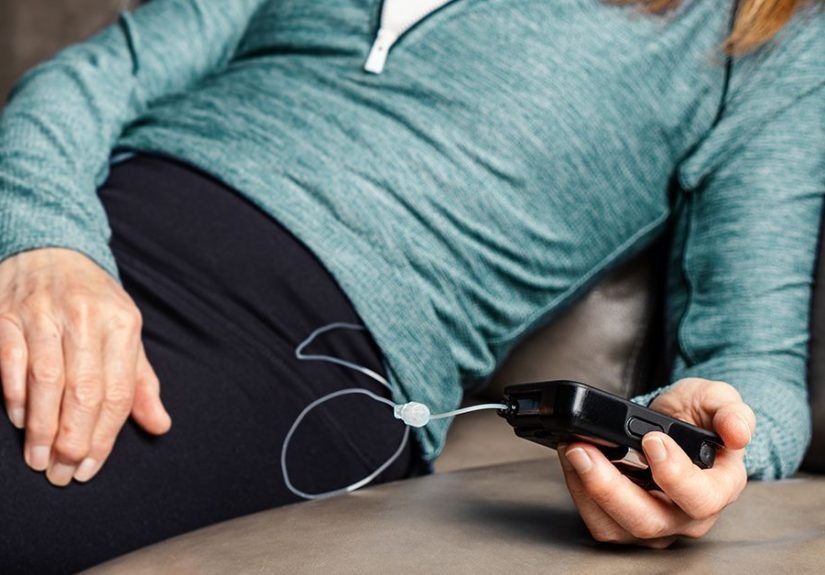
Tubed pumps are small devices worn on a belt, in a pocket, clipped to clothing, or tucked into a pouch. A thin tube carries insulin from the pump to the infusion site. These pumps often have robust programming options and can be disconnected temporarily for certain activities, depending on medical guidance and device instructions.
Patch Pumps
Patch pumps stick directly to the skin and do not use long external tubing. Many users like them because they feel discreet and simple to wear under clothing. The tradeoff is that the whole pod is replaced when insulin runs out or the wear period ends.
Sensor-Augmented Pumps
Sensor-augmented pumps work with CGMs and may provide alerts or insulin-suspension features when glucose is predicted to go low. These systems can reduce some of the guesswork around glucose trends, although users still need to understand the device, respond to alerts, and confirm readings when appropriate.
Automated Insulin Delivery Systems
Automated insulin delivery systems, sometimes called hybrid closed-loop systems, combine a pump, CGM, and algorithm. The algorithm uses CGM data to increase, decrease, or pause insulin delivery. Some systems can deliver automatic correction insulin when glucose is predicted to rise above target. They are called “hybrid” because users still need to announce meals, count carbohydrates, change supplies, troubleshoot problems, and stay engaged.
Benefits of Insulin Pump Therapy
One major benefit of pump therapy is precision. Pumps can deliver very small insulin doses, which can be helpful for children, insulin-sensitive adults, or anyone needing fine-tuned adjustments. Another benefit is flexibility. A person can use temporary basal settings for exercise, illness, travel, menstrual cycle changes, or unusual schedules.
Pumps may also reduce the number of injections. Instead of injecting several times per day, the user changes an infusion set or pod every few days according to device instructions. For many people, that feels like a major lifestyle upgrade. Fewer needle moments can make diabetes feel a little less loud.
When paired with CGM and used correctly, pumps may help improve time in range, reduce glucose swings, and support more personalized diabetes management. They can also store data, which helps healthcare teams review patterns and adjust settings. Data does not magically fix blood sugar, but it does turn “I think Tuesdays are weird” into something a clinician can actually analyze.
Challenges and Risks to Understand
Insulin pumps are powerful tools, but they are not automatic perfection machines. Because pumps use rapid-acting insulin, interruption in delivery can cause glucose to rise quickly. A kinked cannula, empty reservoir, dead battery, dislodged pod, blocked tubing, or software issue can lead to under-delivery of insulin. If not addressed, this can increase the risk of hyperglycemia and diabetic ketoacidosis.
Users must pay attention to alarms, battery level, insulin supply, infusion sites, glucose trends, and backup plans. Many experts recommend carrying backup insulin delivery supplies, such as insulin pens or syringes, along with glucose treatment, ketone testing supplies when advised, and spare pump materials.
Skin irritation is another common challenge. Adhesives can bother sensitive skin, especially during heat, sweat, sports, or long wear times. Some people need barrier wipes, different sites, adhesive patches, or help from a diabetes care team to find a comfortable routine.
Cost and insurance coverage can also be major factors. Pumps, CGMs, infusion sets, pods, reservoirs, and sensors can be expensive. Coverage varies by insurance plan, pump type, medical need, and documentation. Anyone considering a pump should ask about device cost, monthly supply costs, training fees, warranties, replacement rules, and pharmacy versus durable medical equipment benefits.
Who May Benefit From an Insulin Pump?
Insulin pumps are commonly used by people with type 1 diabetes, but they may also be considered for some people with type 2 diabetes who require insulin. A pump may be helpful for someone who has frequent glucose highs or lows, variable schedules, dawn phenomenon, insulin sensitivity, active lifestyles, pregnancy-related insulin needs, or a desire for fewer injections.
However, pump therapy requires commitment. Good candidates are usually willing to monitor glucose, learn device skills, count carbohydrates, respond to alerts, change sites, and stay in contact with their care team. The best pump is not necessarily the fanciest pump. It is the pump the person can use safely, consistently, and confidently.
Starting an Insulin Pump: What the Process Usually Looks Like
Starting pump therapy is usually a team effort. The healthcare provider reviews medical history, current insulin doses, glucose patterns, lifestyle, and goals. A diabetes care and education specialist may help compare pump options and teach core skills. Training often covers filling the reservoir or pod, inserting the infusion set, programming settings, giving boluses, using temporary basal rates, handling alarms, and creating a backup plan.
The first few weeks often involve adjustments. Basal rates may need fine-tuning. Meal ratios may be too strong at breakfast and too weak at dinner. Exercise settings may need experimenting. Overnight patterns may reveal surprises. This learning period is normal. Insulin pumps are personalized devices, not “plug it in and become a glucose wizard” machines.
Safety Tips for Everyday Pump Use
Successful pump use depends on habits. Check pump status regularly. Keep batteries charged or replaced. Respond to alarms quickly. Change infusion sites as directed. Watch for redness, swelling, pain, or unexplained high glucose that may suggest a site problem. Keep backup insulin available in case the pump fails.
It is also wise to know what to do during illness. Sickness can raise glucose and increase ketone risk, even when eating less. Pump users should have a sick-day plan from their healthcare team, including when to check ketones, when to use injection backup, when to change the infusion site, and when to seek urgent care.
For users with phone-connected systems, notification settings matter. Medical alerts are only useful if they can be heard, seen, or felt. Automatic phone updates, sleep modes, focus settings, Bluetooth issues, or dead batteries can interfere with alerts. Diabetes technology is impressive, but it still lives in the real world, where phones mysteriously decide to update at the worst possible moment.
Insulin Pumps vs. Insulin Injections
Multiple daily injections can work very well for many people. They may be simpler, less expensive, and less dependent on technology. Pumps, on the other hand, offer flexible basal patterns, easy bolus delivery, dose calculators, data tracking, and integration with CGMs. The best method depends on the individual.
Some people love pumps because they reduce diabetes workload. Others dislike wearing a device all the time. Some prefer injections because they feel more predictable. Others switch to pumps and never look back. There is no moral trophy for choosing one method over another. Diabetes management is not a personality test; it is a practical health plan.
Common Myths About Insulin Pumps
Myth 1: A Pump Does Everything Automatically
Even advanced systems require user input. Meals must usually be entered. Supplies must be changed. Highs and lows still need attention. A pump helps, but it does not retire the user from diabetes management.
Myth 2: Pumps Are Only for Children
Pumps can be used by children, teens, and adults. Age matters less than training, support, safety, and personal preference.
Myth 3: Pump Users Can Eat Anything Without Planning
Pump users still need to estimate carbohydrates, consider meal timing, and understand how different foods affect glucose. The pump can help deliver insulin, but it cannot negotiate with a giant milkshake.
Myth 4: Pumps Are Always Better Than Injections
Pumps can be extremely helpful, but they are not automatically better for everyone. Some people do better with injections, while others thrive with pump therapy. The right choice is the one that supports safer, more realistic diabetes care.
Real-Life Experiences With Insulin Pumps
Living with an insulin pump is part medical routine, part technology management, and part daily improvisation. Many new users describe the first week as a mix of excitement and “Why is this thing beeping at me?” That is normal. A pump introduces new freedom, but it also introduces new responsibilities. The first real experience is learning that diabetes devices are not just worn; they are managed.
One common experience is the joy of easier mealtime dosing. Instead of stepping away to inject insulin, a pump user can enter carbohydrates, review the suggested bolus, and deliver insulin discreetly. At a restaurant, this can feel surprisingly liberating. The user still has to estimate the carbohydrates in that suspiciously large pasta bowl, but the process often feels smoother and less disruptive.
Another experience is learning how different foods behave. A slice of toast, a bowl of oatmeal, and a cheesy pizza may all contain carbohydrates, but they do not act the same way in the body. Some pump users learn to use extended or split boluses for slower-digesting meals, if their pump offers that feature and their care team recommends it. This is where pump therapy becomes less like pressing buttons and more like understanding patterns.
Exercise brings its own lessons. A walk after dinner, a gym session, or a long bike ride can change insulin needs. Some people use temporary basal reductions or activity modes to lower the risk of hypoglycemia. Others need a snack, less meal insulin, or a plan for delayed lows. The pump gives options, but experience teaches when to use them.
Sleep is another honest chapter. Automated systems and CGM alerts can help overnight safety, but alarms can also interrupt rest. Many users learn to check battery level, insulin volume, sensor status, and infusion site comfort before bed. It becomes a bedtime ritual, like brushing teeth, except with more beeps and occasionally more tape.
Travel teaches preparation. Pump users often pack extra infusion sets, reservoirs, pods, batteries, chargers, insulin, glucose tablets, ketone supplies, and backup injection tools. The rule many experienced users follow is simple: bring more than you think you need. Diabetes supplies have a special talent for becoming urgent exactly when a pharmacy is closed.
Perhaps the biggest experience is emotional. Pumps can reduce burden, but they can also make diabetes more visible. Some users feel empowered by the data and control. Others need time to adjust to wearing a device. Both reactions are valid. A good pump routine should support the person, not make them feel like they are working for the pump.
Over time, many pump users become skilled pattern detectives. They notice that stress raises glucose, yard work lowers it, breakfast needs a different ratio, and site placement can affect absorption. These real-world observations are valuable. The pump provides tools, but lived experience turns those tools into a personalized system.
Conclusion
Insulin pumps are among the most important advances in modern diabetes care. They deliver rapid-acting insulin through programmable basal rates and user-directed boluses, helping many people manage glucose with greater flexibility. When paired with CGMs and automated insulin delivery algorithms, pumps can respond to glucose trends in ways that were once science fiction and are now clipped to waistbands, stuck to arms, and quietly working through lunch meetings.
Still, pump therapy is not effortless. It requires education, troubleshooting, backup supplies, site care, alert awareness, and regular follow-up with healthcare professionals. The real power of an insulin pump is not that it replaces diabetes management; it makes diabetes management more adjustable, more data-informed, and often more livable.