Table of Contents >> Show >> Hide
- Why the Dunkin Genetics Ad Became a Lightning Rod
- The American Eagle Backdrop: Great Jeans, Great Genes, Great Debate
- What Eugenics Has To Do With an Ad Controversy
- Why Brands Keep Walking Into Culture-War Advertising
- Was the Dunkin Ad Actually Offensive?
- What This Says About Beauty Standards in Advertising
- Lessons for Brands After the Genetics Ad Backlash
- The Real Winner: The Algorithm
- Experience Notes: Watching an Ad Become a Culture War in Real Time
- Conclusion
There are ads that make people hungry, ads that make people laugh, and ads that make the internet put on reading glasses, open a history textbook, and declare an emergency meeting. Dunkin’s Golden Hour Refresher campaign starring actor Gavin Casalegno landed firmly in that third category for many viewers. What looked like a sunny, poolside celebrity spot quickly became the latest flashpoint in a larger debate over beauty standards, genetics, race, and the culture-war machine that can turn even a lemonade-based drink into a national argument.
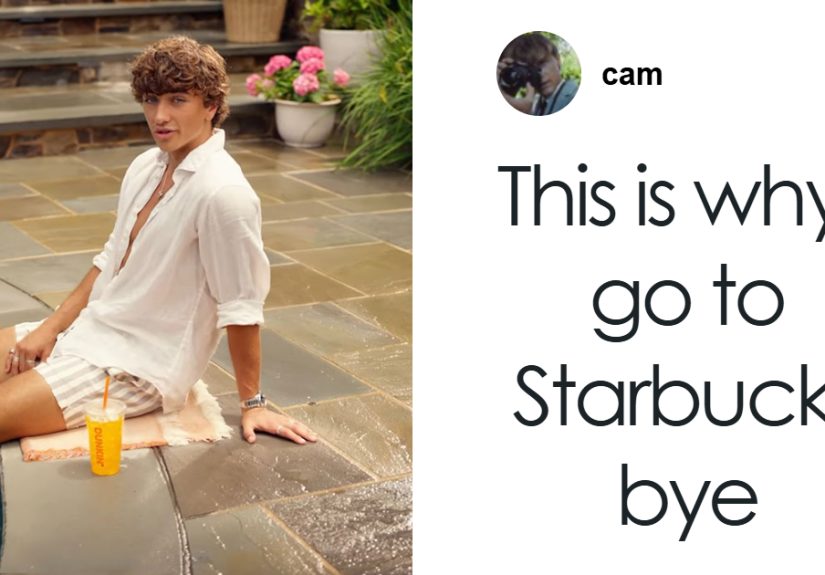
The ad featured Casalegno, known for The Summer I Turned Pretty, leaning into a “King of Summer” persona while promoting Dunkin’s Golden Hour Refresher. The line that lit the match was simple: “This tan? Genetics.” In another era, viewers might have shrugged and said, “Cool, pass the iced drink.” But the timing was combustible. The Dunkin ad appeared shortly after American Eagle’s Sydney Sweeney campaign, “Sydney Sweeney Has Great Jeans,” sparked accusations that its jeans/genes wordplay flirted with uncomfortable ideas about inherited beauty and eugenics.
Suddenly, “genetics” was not just a science word. It was a loaded word. And once social media decides a word has entered the group chat, there is no quiet exit.
Why the Dunkin Genetics Ad Became a Lightning Rod
At face value, the Dunkin ad was built around summer energy: sunlight, refreshers, a handsome TV actor, and the kind of breezy confidence that says, “Yes, I do look like I was photographed by the sun itself.” The Golden Hour Refresher was promoted as a tropical, fruit-forward drink combining mango pineapple and strawberry dragonfruit flavors with lemonade. The campaign’s purpose was clearly commercial: sell a seasonal beverage, build social buzz, and attach the drink to a recognizable young celebrity.
But advertising does not exist in a vacuum. It lands inside the culture of the moment. In July 2025, the culture was already debating whether brands were moving away from inclusive, socially conscious advertising and back toward a more old-school formula: attractive celebrity, flirtatious visuals, and attention-grabbing ambiguity. Dunkin’s “This tan? Genetics” line felt harmless to some and deeply strange to others, especially because it followed the American Eagle controversy so closely.
The Problem Was Not Just One Word
The backlash was not simply about the dictionary definition of genetics. In science, genetics refers to inherited traits and DNA. In marketing, however, the word can feel different when paired with a celebrity’s appearance, skin tone, eye color, hair color, or “naturally gifted” beauty. Critics argued that praising visible traits as genetic blessings can echo old, ugly ideas about superior bloodlines, even when the ad itself is trying to be playful.
That does not mean every viewer saw the ad as sinister. Many people thought the criticism was a stretch, a classic case of the internet finding a conspiracy where there was probably just a rushed script and a beverage deadline. Others argued that the ad’s wording was tone-deaf rather than malicious. In other words, the debate had three camps: “This is harmful,” “This is awkward timing,” and “Please let me drink my Refresher in peace.”
The American Eagle Backdrop: Great Jeans, Great Genes, Great Debate
The Dunkin controversy cannot be understood without the American Eagle campaign starring Sydney Sweeney. That ad leaned on the pun “great jeans,” while one video referenced genes being passed from parents to offspring and determining traits such as hair color and eye color. Because Sweeney is blonde, blue-eyed, and presented in a highly polished denim campaign, critics said the messaging felt uncomfortably close to celebrating “good genes.”
American Eagle later clarified that the campaign was always about jeans, confidence, and individual style. The brand’s message was essentially: the product is denim, not DNA. Still, once the debate moved online, the ad became more than a retail campaign. It became a Rorschach test for how Americans read pop culture in a polarized era.
Why Viewers Connected the Two Campaigns
The Dunkin and American Eagle ads were different in product, tone, and execution. One sold jeans; the other sold a fruit drink. One played directly with “genes/jeans”; the other tossed “genetics” into a sunny monologue about a tan. But both used hereditary language alongside attractive, conventionally desirable celebrities. That overlap was enough for critics to see a pattern and for defenders to accuse critics of overthinking.
The phrase “woke outrage” became part of the response because conservative commentators and anti-cancel-culture voices framed the criticism as another example of progressives ruining harmless advertising. Meanwhile, critics of the ads argued that calling every concern “woke” is a way to avoid discussing how race, beauty, and history shape public interpretation. Somewhere in the middle sat a large group of people wondering how a jeans pun and an iced drink became a graduate seminar.
What Eugenics Has To Do With an Ad Controversy
To understand why the word genetics triggered such a reaction, it helps to know why eugenics remains a sensitive subject. Eugenics was a pseudoscientific movement that claimed humans could be improved through selective breeding and the control of reproduction. In the United States and Europe, eugenic ideas were used to justify discrimination, forced sterilization, racial hierarchy, and other abuses. The movement treated complex human worth as if it could be sorted by heredity, which is both scientifically wrong and morally disastrous.
No serious analysis should claim that a Dunkin Refresher ad is the same thing as a eugenics program. That would be absurd, like comparing a spilled iced coffee to a flood because both involve liquid. But cultural memory matters. Words such as “bloodline,” “good genes,” and “genetic superiority” carry historical baggage. When brands use genetic language to flatter beauty, even jokingly, some viewers hear echoes that marketers may not have intended.
Intent Versus Impact
One of the biggest lessons from the genetics ad controversy is that intent and impact are not identical. A brand may intend a joke. A viewer may receive a signal. A critic may connect that signal to history. A defender may see the criticism as ridiculous. All of those things can happen at once.
In marketing, intention matters, but reception matters too. If a brand builds an ad around a word with heavy cultural associations, it should not be shocked when audiences bring those associations into the conversation. The internet is not a polite focus group. It is a stadium full of people holding microphones, popcorn, and grudges from six previous controversies.
Why Brands Keep Walking Into Culture-War Advertising
Modern brands want attention, but attention has become a dangerous currency. A campaign can go viral because people love it, hate it, parody it, defend it, or cannot believe someone approved it. From Bud Light to Jaguar to American Eagle, companies have learned that audiences do not only evaluate ads as ads. They evaluate them as political clues.
Dunkin’s campaign arrived in a media environment where every creative decision can be interpreted as a statement. A model’s look, a phrase in the script, a casting choice, a logo redesign, or a color palette can all become evidence in a larger argument about “wokeness,” backlash, tradition, beauty, diversity, or cultural decline. Sometimes the analysis is thoughtful. Sometimes it is theatrical. Often, it is both.
The Outrage Economy Rewards Speed
Social platforms reward quick reactions. The first person to say, “This is weird,” “This is offensive,” or “Everyone is overreacting” can shape the conversation. The Dunkin ad was short, but the debate around it became much larger because it plugged into an existing narrative: brands are using attractive celebrities and genetic language in ways that feel like a throwback to older beauty ideals.
For marketers, the risk is clear. A campaign designed to be playful may become famous for the wrong reason. But the reward can also be tempting. Controversy can drive views, searches, comments, shares, and brand awareness. The uncomfortable question is whether some companies now see backlash as a feature rather than a bug.
Was the Dunkin Ad Actually Offensive?
The fairest answer is: it depends on what you think advertising owes the public. If you believe ads should simply entertain and sell, the Dunkin campaign probably looks like a silly summer spot caught in bad timing. If you believe major brands should be careful with language tied to race, beauty, and history, the ad may feel careless. If you live online enough to witness every controversy in real time, it may feel like another episode of “Marketing Department Meets Historical Context,” now streaming everywhere.
Calling the ad intentionally pro-eugenics would require evidence that has not been shown. However, calling the wording awkward and poorly timed is reasonable. “This tan? Genetics” may have sounded breezy in a script meeting, but after the American Eagle debate, it was like walking into a quiet room and saying the exact phrase everyone had just finished arguing about.
Humor Can Reduce Tension, But It Cannot Erase Context
The ad clearly wanted to be funny. Casalegno’s “King of Summer” persona was exaggerated, and the golden-hour theme connected to the drink’s color and seasonal appeal. The problem is that humor works best when the audience shares the same frame of reference. Here, different audiences brought different frames. One saw a tan joke. Another saw beauty hierarchy. Another saw “woke outrage.” Another saw a brand accidentally tossing a beach ball into a thunderstorm.
What This Says About Beauty Standards in Advertising
Advertising has always sold aspiration. The perfect vacation, the perfect outfit, the perfect skin, the perfect bite of pizza that somehow does not burn the roof of your mouth. Celebrity campaigns intensify that aspiration because they attach products to people who seem effortlessly glamorous.
The genetics debate shows that audiences are more alert to how beauty is framed. Saying someone looks good is not automatically controversial. But implying that their beauty is valuable because it is inherited can feel exclusionary, especially when the person being celebrated fits a historically narrow beauty ideal. In 2026, many consumers expect brands to be more aware of those signals.
Representation Is Not a Trend That Can Be Switched Off
Some commentators have described these ads as a return to non-woke marketing. But the deeper issue is not whether ads should be “woke” or “anti-woke.” The issue is whether brands understand the diversity of their audience. Consumers are not all reading from the same cultural script. A phrase that sounds clever to one group may sound loaded to another.
Good advertising does not need to be bland, frightened, or approved by every corner of the internet. It can be sexy, funny, bold, and stylish. But it should also be smart. And smart marketing knows that words do not arrive empty-handed. They bring history with them.
Lessons for Brands After the Genetics Ad Backlash
The first lesson is simple: run the script through more than one kind of reader. A diverse review process can catch phrases that sound harmless in one room but strange in another. That does not mean every joke must be sanded down until it has the personality of a beige filing cabinet. It means brands should know what they are saying before millions of people explain it back to them.
The second lesson is that timing matters. If another brand is already facing criticism for genetic wordplay, maybe wait before launching a campaign that also celebrates genetics. The internet may forget many things, but it does not forget a convenient pattern.
The third lesson is that responses should be clear and human. American Eagle’s response tried to redirect attention back to jeans and confidence. Dunkin, by comparison, became part of the broader discussion largely through silence and reporting around the ad. When controversy hits, brands need to decide whether to explain, apologize, clarify, or let the storm pass. Each choice has consequences.
The Real Winner: The Algorithm
The genetics ad controversy may have embarrassed some marketers and irritated some viewers, but the algorithm had a wonderful week. Outrage, counter-outrage, parody, analysis, and reaction videos all feed the attention cycle. Every post saying “this is dangerous” was matched by another saying “this is ridiculous,” and both helped keep the campaigns visible.
That is the strange math of modern advertising. A campaign can be criticized and still succeed commercially. It can annoy people and still increase awareness. It can become a punchline and still sell products. The danger is that brands may learn the wrong lesson: not “be thoughtful,” but “be controversial enough to trend.”
Experience Notes: Watching an Ad Become a Culture War in Real Time
Anyone who has spent time online during a brand controversy knows the experience has a familiar rhythm. First, you see the ad with no context. Maybe it seems odd, maybe it seems funny, maybe it seems like every other glossy celebrity campaign. Then the first reaction appears: “Wait, did anyone else notice this?” Within hours, there are stitched videos, quote posts, explainers, defensive jokes, angry comments, and someone announcing that civilization has fallen because of denim, lemonade, or both.
The most uncomfortable part is not always the ad itself. It is watching how quickly people sort themselves into teams. One side says the ad is a dog whistle. The other says the outrage is fake. A third group says everyone needs hobbies. Then the debate becomes less about the original commercial and more about identity. Are you the kind of person who notices coded messaging? Are you the kind of person who mocks “woke” analysis? Are you the kind of person who just wanted to know whether the drink tastes good?
For many viewers, the phrase “I’ve never been more uncomfortable” captures that strange feeling of seeing a lighthearted commercial suddenly become heavy. It is uncomfortable to wonder whether a brand accidentally echoed harmful ideas. It is also uncomfortable to watch people weaponize every concern for political points. The result is a digital tug-of-war where nuance is the first casualty and sarcasm is the last survivor.
From a consumer perspective, the best approach is to slow down. Ask what the ad literally says. Ask what it implies. Ask what context surrounds it. Ask whether criticism is based on a real pattern or a single awkward phrase. Ask whether defenders are engaging with the concern or simply laughing at the people raising it. That pause matters because the internet is designed to make people react before they think.
From a brand perspective, the experience should be humbling. A thirty-five-second ad can become a weeklong debate because audiences are not passive anymore. They interpret, remix, investigate, and challenge. That can be annoying for companies, but it is also reality. If a campaign uses words tied to genetics, beauty, and inherited traits, audiences may connect those words to history. The brand does not get to decide that context is irrelevant just because the product is fun.
The Dunkin and American Eagle controversies also show that people are tired of being marketed to in ways that feel either overly moralized or carelessly provocative. Consumers do not necessarily want every ad to deliver a social lesson. They also do not want brands pretending language has no consequences. The sweet spot is harder: be creative, be funny, be bold, but do not be lazy. If the joke needs a crisis communications team, maybe workshop it one more time.
In the end, the genetics ad backlash is not only about one actor, one drink, or one denim campaign. It is about how Americans read symbols in a polarized media environment. A tan can become a theory. A pun can become a political statement. A Refresher can become a referendum. That may sound ridiculous, but it is also the world brands are advertising in now. Welcome to golden hour; please check your copy before posting.
Conclusion
The controversy around Dunkin’s Gavin Casalegno ad shows how quickly a playful campaign can become a cultural flashpoint when it uses loaded language at the wrong moment. The phrase “This tan? Genetics” might have been intended as a breezy joke, but after the Sydney Sweeney “great jeans” debate, it landed inside a larger conversation about beauty standards, race, eugenics, and the politics of modern advertising.
The smartest takeaway is not that brands should avoid humor or attractive celebrities. It is that cultural context matters. In a polarized marketplace, words like “genetics” are not neutral when attached to appearance, desirability, and inherited traits. A good campaign can still be fun, flirty, and memorable. It just needs enough awareness to avoid turning a summer drink into a history lesson with ice.