Table of Contents >> Show >> Hide
- What Is a Kitchen Utility Brush?
- Why a Kitchen Utility Brush Belongs by the Sink
- Best Uses for a Kitchen Utility Brush
- How to Choose the Right Kitchen Utility Brush
- How to Use a Kitchen Utility Brush the Smart Way
- How to Clean a Kitchen Utility Brush
- When to Replace a Kitchen Utility Brush
- Common Mistakes People Make
- Real-World Experiences With a Kitchen Utility Brush
- Final Thoughts
A kitchen utility brush is one of those gloriously unglamorous tools that rarely gets a standing ovation, yet quietly saves the day. It scrubs stuck-on oatmeal off bowls, reaches into water bottles like a tiny tunnel explorer, and rescues the sink from whatever mystery paste formed there overnight. In other words, it is the workhorse of the modern kitchen: part dish brush, part detail cleaner, part sanity preserver.
For a tool that looks so simple, the kitchen utility brush does a surprising amount of heavy lifting. It can be gentler than steel wool, more precise than a sponge, and often more hygienic than the sad, soggy rectangle lingering by the sink. Whether you wash dishes by hand every night or just need a better way to tackle pots, bottles, corners, and greasy buildup, the right brush can make kitchen cleanup faster, cleaner, and far less irritating.
This guide breaks down what a kitchen utility brush is, how to choose the best one, where it shines, how to clean it, and when to replace it before it turns into a tiny germ apartment complex. If a sponge is the chaotic roommate of kitchen tools, the utility brush is the organized one who actually refills the soap.
What Is a Kitchen Utility Brush?
A kitchen utility brush is a handheld cleaning brush designed for everyday kitchen jobs. Depending on the style, it may be used for dishes, pans, sinks, tile lines, reusable bottles, cutting boards, or awkward corners around the faucet and drain. Some are short and stout for scrubbing cookware, while others have long handles for better reach and less splash-back. Some even dispense soap, because apparently the future arrived and decided to help with lasagna pans.
What makes a utility brush different from a basic scrubber is versatility. It is not limited to one task. A good brush can move from plates to pot rims, from the sink basin to the backsplash, from coffee mugs to pitchers. That flexibility is the whole point. Instead of keeping a dozen specialty tools that somehow disappear when needed most, many households rely on one or two well-chosen brushes that can handle most daily cleaning jobs.
Why a Kitchen Utility Brush Belongs by the Sink
One major reason people switch from sponges to brushes is hygiene. Brushes generally dry faster, and quicker drying can help reduce the conditions that let odor and bacteria linger. That does not mean a brush is magically self-cleaning or immune to grossness. It still needs routine care. But compared with a damp sponge that seems permanently one bad decision away from smelling like regret, a brush often has the advantage.
Another benefit is control. Bristles reach grooves, seams, edges, corners, and textured surfaces more effectively than a flat sponge. That matters when you are cleaning the lip of a pan, the threads of a blender lid, the base of a faucet, or the inside of a travel mug. A brush also keeps your hand farther away from hot water, greasy residue, and mysterious leftovers that no one remembers creating.
Then there is the comfort factor. Many modern kitchen brushes are designed with ergonomic, non-slip handles, built-in scrapers, slim heads for narrow spaces, and bristles that are safe for everyday cookware. In plain English: less slipping, less wrestling, less muttering at dirty dishes.
Best Uses for a Kitchen Utility Brush
1. Everyday dishwashing
Plates, bowls, utensils, and serving tools are the obvious starting point. A medium-bristle brush works especially well for dried sauces, egg residue, cheese, and everyday grease. It can also clean curved surfaces more evenly than a sponge, which tends to flatten and miss edges unless you perform a small hand origami routine.
2. Pots and pans
A utility brush is excellent for cookware, especially when paired with warm water and dish soap. Many brushes include a built-in scraper that helps lift baked-on bits without using an aggressively abrasive tool. For nonstick cookware, stick with brushes labeled safe for those surfaces and avoid anything too stiff or scratchy.
3. Sinks and faucet areas
Your sink sees everything: food scraps, grease, coffee drips, and the occasional lemon half that gave its all. A separate kitchen utility brush can scrub the basin, corners, around the drain, and the hard-to-clean zone where the faucet meets the sink. Long-handled versions are especially useful here because they give you leverage without soaking your sleeves.
4. Bottles, pitchers, and narrow containers
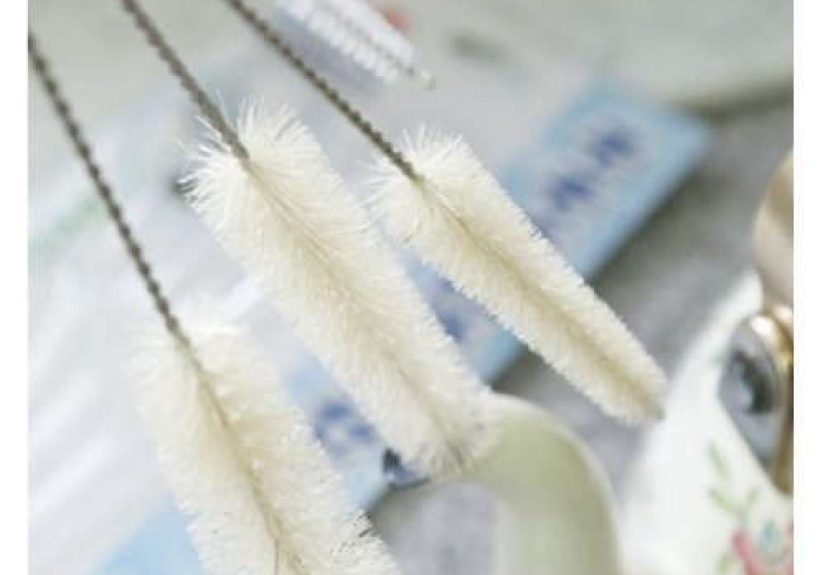
For tall bottles and narrow glassware, a bottle-style utility brush is the hero of the hour. These brushes are shaped to scrub the sides, bottoms, and corners of containers that standard dish tools cannot reach. If you regularly use reusable water bottles, insulated tumblers, carafes, or baby bottles, this type of brush is worth its weight in clean hydration.
5. Detail cleaning around the kitchen
A slim utility brush can help clean grout lines, appliance seams, sink hardware, drain stoppers, and textured surfaces around the stove. It is also handy for cleaning removable parts from blenders, food processors, coffee makers, and soap dispensers. The keyword here is “detail.” Think of it as a cleanup sidekick for the places where crumbs and grime like to hide and build tiny kingdoms.
How to Choose the Right Kitchen Utility Brush
Bristle type
The bristles matter more than many shoppers realize. Synthetic bristles, often nylon or polymer-based, are popular because they are durable, rinse well, and are commonly used on everyday dish brushes. They are practical, familiar, and widely available. Natural-fiber options appeal to shoppers looking for lower-plastic tools or a more traditional look, though performance varies depending on the fiber and how often the brush stays wet.
Bristle firmness
Soft-to-medium bristles are good for dishes, glassware, and coated pans. Stiffer bristles are better for sinks, stubborn residue, and rougher surfaces. If you want just one brush, aim for a medium-firm model that balances scrubbing power with surface safety.
Handle design
An ergonomic handle is not a luxury. It is the difference between a tool that feels useful and one that feels like you are arm-wrestling a wet carrot. Look for a secure grip, especially if you often clean greasy pans. Long handles help keep your hands out of dirty water, while shorter palm brushes can offer extra pressure for heavy scrubbing.
Built-in scraper
A scraper edge can be a game changer for dried oatmeal, baked cheese, pan drippings, and other kitchen crimes. It gives you extra leverage without requiring a separate tool, though it should still be used gently on delicate finishes.
Drying and storage features
Brushes that dry quickly tend to be easier to keep fresh. Helpful details include hanging holes, stand-up bases, replaceable heads, and designs that keep the bristles from sitting flat in puddles. If your brush spends its life marinating in a soggy tray, it will not age gracefully.
Replaceable or refillable parts
Some kitchen utility brushes now come with refill heads or soap-dispensing handles. These features can reduce waste, simplify cleaning, and make the tool more convenient for daily use. They are especially appealing for households that go through dish tools quickly or prefer products with a longer life cycle.
How to Use a Kitchen Utility Brush the Smart Way
Start simple: scrape off excess food before washing. Then use warm water, dish soap, and the brush to loosen residue. Let the bristles do the work rather than pressing like you are sanding a deck. For baked-on messes, soak first. A good soak plus a brush beats brute force and a bad mood nearly every time.
It also helps to assign roles. Use one brush for dishes and another for the sink, disposal guard, or grimier jobs. This small change can make your setup more sanitary and more efficient. Color-coding or choosing different brush shapes makes it easier to remember which tool handles what.
For food-contact surfaces, cleaning matters first. After handling raw meat, seafood, or eggs, wash dishes, utensils, and surfaces with hot, soapy water. If sanitizing is needed, clean first and then use an appropriate food-safe sanitizing method according to product directions or trusted food-safety guidance.
How to Clean a Kitchen Utility Brush
The brush that cleans everything also needs cleaning. Otherwise, congratulations: you have invented a grime distributor.
After each use, rinse the brush thoroughly under warm running water to remove food particles and soap residue. Shake off excess water and let it air-dry bristle-side down or in a position that allows drainage. Quick drying is part of what makes a brush useful, so do not sabotage the system by tossing it into a damp sink corner.
For deeper cleaning, wash the brush with hot, soapy water and pay attention to the handle, neck, and base where residue can collect. If the manufacturer says the brush head is dishwasher-safe, place it on the top rack for a more thorough wash. Some households do this regularly with brushes and holders as part of a weekly routine.
If you are cleaning food-contact surfaces and want to sanitize, remember the order: clean first, then sanitize. For kitchen surfaces, people often use plain, unscented bleach solutions mixed at safe, food-contact-surface ratios or commercial sanitizers used as directed. The brush itself should only be treated in ways the manufacturer allows, because not every brush material handles heat, chemicals, or prolonged soaking the same way.
When to Replace a Kitchen Utility Brush
A kitchen utility brush is durable, but not immortal. If the bristles are bent, frayed, flattened, loose, or permanently funky-smelling, the brush is telling you it would like to retire. Listen to it. This is not the time to test anyone’s loyalty.
In many homes, a dish brush lasts longer than a sponge, but it still needs periodic replacement. A practical rule is to replace it when performance drops or visible wear appears. In heavier-use kitchens, that may be every few months. If the brush was used on something especially unsanitary or it never seems to dry properly, replace it sooner.
Common Mistakes People Make
Using one brush for everything
One brush for plates, the sink drain, the floor-adjacent baseboards, and the dog bowl? Bold strategy. Keep separate tools for distinct jobs, especially if one of those jobs involves raw-food residue or non-food surfaces.
Letting the brush stay wet all day
Moisture is not your friend here. A brush should rinse clean and dry out between uses. Leaving it submerged in murky sink water is basically sending it to a swamp.
Choosing the wrong bristle strength
Too soft, and you will scrub forever. Too stiff, and delicate cookware may get damaged. Match the brush to the job instead of expecting one brush to behave like five different personalities.
Ignoring the holder or tray
You may clean the brush but forget the thing it sits in. Brush caddies, soap trays, and sink organizers can collect sludge quickly. Clean them regularly too.
Keeping it long past its prime
There is frugal, and then there is clinging to a brush that looks like it survived three kitchen wars. Once it stops cleaning well, it has already delivered all the value it can.
Real-World Experiences With a Kitchen Utility Brush
In real kitchens, the utility brush tends to become the tool people reach for without thinking. That is usually the sign of a genuinely useful product. It earns its place not because it is trendy or photogenic, but because it handles the small daily annoyances that add up fast. One evening it is cleaning marinara off a Dutch oven. The next morning it is scrubbing coffee stains from mugs before anyone is fully awake. Later that same day it is poking around the sink strainer like a determined little detective.
Many people first appreciate a kitchen utility brush after getting frustrated with sponges. A sponge can feel fine at first, but after a few days it may turn limp, damp, and suspicious. By contrast, a brush often feels cleaner in day-to-day use because it rinses faster and dries faster. That practical difference changes the mood of dishwashing more than you might expect. Instead of gripping a soggy block of mystery foam, you have a tool with structure, reach, and actual scrubbing power.
There is also the strange satisfaction of using the right brush for a very specific problem. A bottle brush slipping into a narrow carafe and pulling out what looked like an invisible ring of tea stains feels weirdly triumphant. A stiff utility brush lifting dried rice from the corner of a storage container feels like justice. A long-handled sink brush getting under the faucet base where sludge likes to gather feels like uncovering a tiny kitchen conspiracy.
People who cook often tend to notice the value even more. After making pancakes, pasta, stir-fry, roasted vegetables, or anything involving cheese, oil, or eggs, cleanup gets messy in a hurry. A utility brush helps break that mess into manageable steps. First scrape. Then soak. Then brush. Suddenly the pan that looked like a personal insult becomes just another thing to clean before dessert.
There is an emotional side to it too, which sounds dramatic until you have dealt with a sink full of dishes after a long day. Small tools that make chores easier can reduce friction in a home. A brush that works well saves time, saves effort, and saves you from using your fingernail to pry oatmeal off a bowl like a desperate raccoon. That matters.
Over time, most households develop their own little brush habits. Some keep one by the dish soap and another under the sink for deep cleaning. Some prefer a soap-dispensing version for speed. Others like a bamboo-handled model because it looks nicer sitting out on the counter. The best setup depends on how you cook, how often you hand-wash, and how much patience you have for stubborn grime before declaring the pan “decorative.”
In the end, the experience of using a kitchen utility brush is less about the object itself and more about what it quietly improves. The sink feels cleaner. The dishes get done faster. Bottles stop smelling odd. Pans are less annoying. The whole kitchen runs a little smoother. It is not glamorous, but it is effective, and in a room built around daily repetition, effective is beautiful.
Final Thoughts
The kitchen utility brush is not flashy, but it is one of the smartest tools you can keep near the sink. It tackles everyday dishwashing, reaches into awkward corners, helps scrub cookware without unnecessary drama, and often feels cleaner and more practical than a traditional sponge. The best brush is the one that fits your kitchen habits, dries well, feels comfortable in your hand, and actually makes cleanup easier.
Choose the right bristles, keep separate brushes for separate jobs, clean the tool regularly, and replace it when it starts looking tired. Do that, and this humble little scrubber will earn its keep every single day. Not bad for a brush whose main job is to bully dried soup off a bowl.