Table of Contents >> Show >> Hide
- What the Lacanche Cluny Classic 100 Induction Actually Is
- Why This Range Has Such a Strong Design Reputation
- How the Induction Top Changes the Experience
- What the Ovens Bring to the Table
- Pros of Choosing the Lacanche Cluny Classic 100 Induction
- Cons and Considerations Before You Buy
- Who Should Buy the Lacanche Cluny Classic 100 Induction?
- Experience: What Living With a Lacanche Cluny Classic 100 Induction Feels Like
- Final Verdict
Some ranges are appliances. The Lacanche Cluny Classic 100 Induction is more like a kitchen personality with very good manners and expensive shoes. It is the kind of range people choose when they want cooking performance, old-world charm, and a centerpiece that does not look like it escaped from a stainless-steel spaceship. In practical terms, this model is best understood as Lacanche’s Cluny 1000 in the Classic line, configured with an induction top. That means a roughly 39-inch French range with two ovens, a highly customizable finish, and the sort of presence that makes guests ask about your stove before they ask about dinner.
But let’s get past the swooning for a minute. A pretty range is nice. A pretty range that actually works for everyday cooking is better. The real question is whether the Lacanche Cluny Classic 100 Induction is simply a luxury showpiece or a serious tool for people who cook often, cook a lot, and do not want their kitchen to feel like everyone else’s. The answer is a little bit of both, and that is exactly why this model has such strong appeal.
What the Lacanche Cluny Classic 100 Induction Actually Is
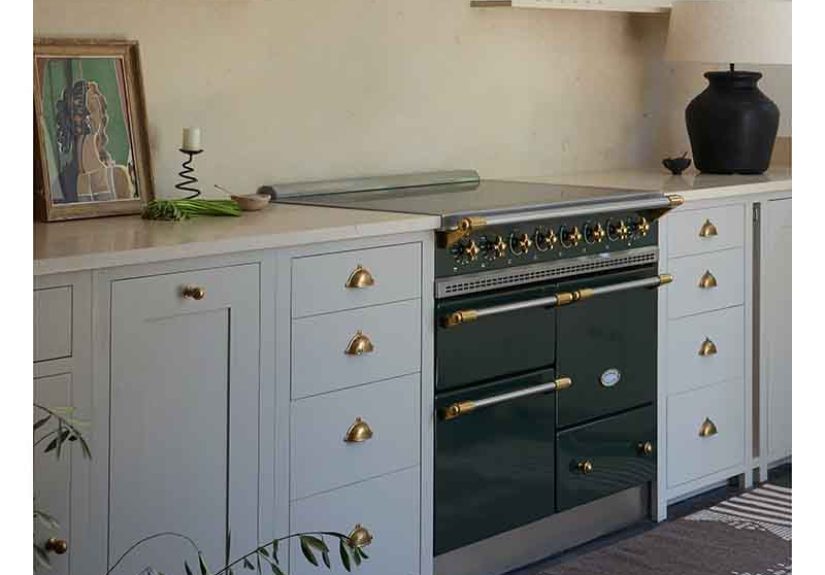
The Cluny sits in an appealing sweet spot. It is large enough to feel substantial and capable, but not so enormous that your kitchen needs to file paperwork before installation. The format is one of the Cluny’s biggest strengths: two ovens, a one-meter-wide body, and a top that can be configured to suit different cooking styles. In the induction version, you get the classic Lacanche silhouette with the cleaner, faster, more modern behavior of induction cooking.
That blend is a big reason the model stands out. Many luxury ranges lean hard in one direction. Some go full traditional and expect you to adore flame, cast iron, and ritual. Others chase pure modernism and end up looking as warm as a tax seminar. The Cluny Classic 100 Induction threads the needle. It keeps the handcrafted French aesthetic, the enamel finish, and the furniture-like presence, while offering an induction surface that suits contemporary kitchens and contemporary cooking habits.
It also helps that Lacanche is not trying to be everything to everyone. This is not a gadget-heavy, touchscreen-first, app-obsessed appliance. It is built around cooking, customization, and visual permanence. For many buyers, that restraint is part of the charm.
Why This Range Has Such a Strong Design Reputation
If you have spent any time looking at high-end kitchen inspiration, you have probably noticed a pattern: colorful European-style ranges keep showing up in dream kitchens, designer renovations, and celebrity homes. There is a reason. A Lacanche does not disappear into the room. It anchors it.
The Cluny Classic 100 Induction is especially effective in that role because its proportions are balanced. It feels serious without looking industrial, decorative without looking fussy, and luxurious without screaming for attention like a reality-TV contestant. In a white kitchen, it becomes the focal point. In a layered, traditional kitchen, it looks like it belongs there already. In a more eclectic space, it adds just enough heritage to keep modern finishes from feeling cold.
That design flexibility is where Lacanche earns its cult following. Buyers are not just choosing burner power or oven layout. They are choosing color, trim, and overall mood. This range can read classic farmhouse, tailored European, grandmillennial, transitional, or quietly bespoke. Few appliances can say that without blushing.
How the Induction Top Changes the Experience
The word induction is doing a lot of heavy lifting here, and in a good way. For people who love the look of a traditional French range but want faster response, easier cleanup, and a cooler cooking surface, the induction version makes a lot of sense. Induction heats cookware directly, rather than heating a burner and then asking the pan to please cooperate. The result is quicker boiling, more precise control, and less wasted heat drifting around the kitchen like a tiny grumpy ghost.
Induction Benefits in Real Life
In daily cooking, that means water comes to a boil fast. Sauces respond quickly when you lower the heat. Simmering feels more controlled. Cleanup is usually easier because the top is a smooth glass surface rather than a maze of grates and burner caps. If you make pasta, soups, caramel, rice, stews, or weeknight meals that require switching gears quickly, induction can feel wonderfully direct.
There is also a comfort factor. Induction surfaces generally stay cooler than traditional electric tops because the cookware is what heats up most dramatically. Your kitchen tends to feel less overheated, and spills are less likely to become permanent archaeological layers. That matters more than people think, especially if your kitchen is the social center of the house.
The Tradeoffs of Induction
Of course, induction is not magic. It requires compatible cookware, so if your favorite pan is nonmagnetic, it may not be invited to the party. There is also a learning curve. Induction is fast, and if you cook by instinct on gas, the first few weeks can be humbling. Your onions may brown faster than expected. Your stockpot may seem eager to prove a point. But most cooks adapt quickly, and many end up preferring the speed and responsiveness once they stop trying to treat induction like gas in fancy shoes.
What the Ovens Bring to the Table
The Cluny’s two-oven format is one of its biggest selling points. The whole idea is flexibility: roast in one oven, bake in the other, or run different dishes at different temperatures without turning your meal into a scheduling puzzle. That is particularly useful during holidays, dinner parties, and those random Tuesdays when life insists on chicken, potatoes, and cookies all at once.
One of the quirks that experienced Lacanche shoppers learn quickly is that these ovens are not always oversized by American standards. That is not necessarily a flaw. Smaller ovens can feel more efficient and more focused, especially for people who cook often but do not always need cavernous capacity. The Cluny’s oven layout tends to appeal to cooks who value control and separation more than brute interior volume.
For many households, that setup is smarter than a single giant oven. It supports real cooking patterns: one oven for savory, one for sweet; one for dinner, one for warming; one for the main event, one for backup. That is the kind of functional luxury that tends to age well.
Pros of Choosing the Lacanche Cluny Classic 100 Induction
First, it is visually exceptional. This range can absolutely transform a kitchen. That is not marketing fluff; it is one of the core reasons people buy it.
Second, it offers meaningful customization. The Cluny is not a one-finish, one-personality product. Buyers can shape it to suit the room and the way they cook.
Third, induction modernizes the experience. You get speed, precision, easier maintenance, and a cleaner-looking top without giving up the handcrafted French identity.
Fourth, the two-oven format is genuinely useful. This is not just a feature for brochure writers. It makes multitasking easier and gives the range more everyday practicality.
Fifth, it has emotional value. That may sound silly until you live with an appliance that actually makes you happy every time you walk into the room. The Cluny has that effect on a lot of people.
Cons and Considerations Before You Buy
This range is not for everyone, and pretending otherwise would be nonsense with brass trim.
It is expensive. You are paying for craftsmanship, customization, and design presence as much as raw function.
It may require planning. Custom orders, installation details, ventilation, and electrical needs all deserve attention before purchase, not after your contractor starts making interesting facial expressions.
It favors intentional cooks. If you want a mainstream range packed with convenience tech, preset-heavy automation, and big-box familiarity, the Cluny may feel too specialized.
Induction asks for adaptation. Not a huge one, but enough that buyers should expect a short adjustment period with cookware and heat control.
Service matters. Like many niche luxury appliances, this is best bought through a knowledgeable dealer or distributor who can support delivery, setup, and long-term maintenance.
Who Should Buy the Lacanche Cluny Classic 100 Induction?
This range makes the most sense for someone who cares about cooking and cares about design with equal seriousness. Not necessarily a professional chef. Not necessarily a full-time entertainer. But definitely someone who wants the kitchen to feel personal, elevated, and built around real use rather than generic resale logic.
If you love induction, want dual ovens, appreciate handcrafted European design, and are comfortable paying for a piece that lives somewhere between appliance and heirloom, the Cluny Classic 100 Induction is a compelling choice. If your top priority is maximum capacity, lowest cost, or every modern convenience feature under the sun, there are more practical options. They just won’t look like this.
Experience: What Living With a Lacanche Cluny Classic 100 Induction Feels Like
Living with the Lacanche Cluny Classic 100 Induction is less like owning a standard range and more like having a very elegant coworker in the kitchen who is excellent under pressure and always dressed better than everyone else. The first thing most people notice is the presence. Even before you cook a single meal, the range changes the room. It gives the kitchen a center of gravity. You walk in for coffee, glance at the enamel finish and trim, and suddenly even toast feels like it should be taken more seriously.
Then real life begins, and this is where the Cluny proves whether it deserves the romance. Morning cooking tends to feel fast and tidy. A pan heats quickly, oatmeal or eggs come together without much waiting around, and the glass induction surface wipes clean without the usual under-the-grate scavenger hunt. If you are used to gas, the speed can surprise you at first. The range does not really do lazy preheating on the cooktop. It gets down to business.
By week two, most of the learning curve becomes less dramatic. You start choosing cookware more deliberately. You learn that induction rewards attention but also gives it back. Lower the heat, and the pan responds quickly. Bring something to a simmer, and it can stay there with more discipline than many ordinary ranges. That control becomes especially satisfying when cooking foods that can go from “beautifully reduced” to “why does the kitchen smell like regret?” in about 45 seconds.
The dual-oven setup is where the Cluny starts feeling genuinely luxurious rather than merely beautiful. On a busy night, you can roast vegetables in one oven and bake salmon or chicken in the other. On a holiday, you can separate sweet from savory. During a dinner party, you can keep one dish moving while another finishes without having to negotiate temperature like a hostage crisis. It makes the range feel calm, even when the cook is not.
There is also a quieter pleasure to the experience: the range encourages you to use the kitchen more. It sounds dramatic, but beautiful, functional tools tend to do that. You may find yourself making slower meals on weekdays, trying recipes you had postponed, or simply enjoying cleanup a little more because the surface is not fighting back. And yes, guests will comment on it. Repeatedly. Some will ask what it is. Some will ask if it is French. Some will stare at it the way people stare at a well-restored vintage car.
That said, the Cluny does not erase reality. It still asks something of its owner. It expects decent planning, compatible cookware, and a willingness to learn how it likes to cook. It is not a set-it-and-forget-it personality. But for the right buyer, that is part of the appeal. The relationship feels active. You are not just pressing buttons on a generic box. You are cooking on a range with character, and over time that character becomes part of the rhythm of the home.
In the end, the experience of owning a Lacanche Cluny Classic 100 Induction is not just about faster boiling or prettier hardware. It is about how the range makes cooking feel: a little more intentional, a little more pleasurable, and a lot less forgettable.
Final Verdict
The Lacanche Cluny Classic 100 Induction is not the logical choice for every kitchen, and that is precisely the point. It is a premium French range for buyers who want beauty, individuality, and serious day-to-day cooking utility in the same package. Its induction surface brings speed, precision, and easier maintenance. Its dual-oven layout adds real flexibility. And its design presence is strong enough to shape an entire kitchen around it.
If you want a range that disappears into the background, keep shopping. If you want one that earns its place every day and makes your kitchen feel more considered, more personal, and frankly more fun, the Cluny Classic 100 Induction is easy to understand and very hard to forget.