Table of Contents >> Show >> Hide
- Quick Reality Check: What Cakes Ship Best?
- Tools & Materials You’ll Want (So You’re Not Panic-Taping at Midnight)
- 11 Steps to Ship a Cake Without Tears
- Step 1: Choose a cake style that wants to survive
- Step 2: Bake with shipping in mind (moisture and structure matter)
- Step 3: Cool completelyno “it’s probably fine” shortcuts
- Step 4: Freeze (or at least chill) the cake to make it firm
- Step 5: Wrap like you’re protecting a tiny edible museum exhibit
- Step 6: Anchor the cake to a board (movement is the enemy)
- Step 7: Box the cake snugly (first box = cake box)
- Step 8: Add insulation and cold packs for frosted or perishable cakes
- Step 9: Double-box it (second box = shipping box)
- Step 10: Label, seal, and include “open immediately” instructions
- Step 11: Ship smart (timing + service level + tracking)
- Shipping a Decorated Layer Cake: The “Extra Credit” Method
- Food Safety Notes (Because Delicious Shouldn’t Be Dangerous)
- A “No Regrets” Packing Checklist
- Common Mistakes (So You Don’t Learn the Hard Way)
- Real-World Experiences: What Actually Happens When You Mail Cake
- Conclusion
Shipping a cake sounds like a plot twist in a baking reality show: “Your challenge is… send this buttercream beauty across the country
without it arriving as modern art.” The good news? It’s absolutely doable. The better news? You don’t need wizardryjust smart cake
choices, cold temperatures, and packaging that could survive a minor apocalypse.
This guide walks you through how to ship a cake in a way that keeps it fresh, safe, and still recognizably cake.
We’ll cover the boring-but-important stuff (food safety, shipping speed, insulation) and the fun stuff (how to prevent your cake from
doing the cha-cha inside the box).
Quick Reality Check: What Cakes Ship Best?
If you can choose the cake, pick something that’s naturally sturdy and less temperature-sensitive. Think bundt cakes, pound cakes,
loaf cakes, fruitcake, dense chocolate cake, and cake jars. Delicate layer cakes with soft fillings can ship, toobut
they require extra structure, colder packing, and faster shipping.
- Best shippers: bundt/pound/loaf cakes, unfrosted layers, firm American buttercream, ganache-coated cakes, cake jars.
- High-risk shippers: whipped cream frosting, pastry cream, mousse, fresh fruit fillings, cream cheese frosting (unless kept cold).
- Warm-weather warning: if it’s hot anywhere on the route, plan for insulation + cold packs + faster service.
Tools & Materials You’ll Want (So You’re Not Panic-Taping at Midnight)
- Sturdy cake board (at least the diameter of your cake; thicker is better)
- Plastic wrap + aluminum foil (the dynamic duo)
- Non-slip shelf liner or a “grippy” pad
- Cake box (or bakery box) that fits the cake snugly
- Bubble wrap, packing paper, or air pillows (avoid scented garbage bagsyour cake will taste like “Eau de Trash Day”)
- Corrugated shipping box (new or like-new, not the one that previously carried bowling balls)
- Insulated foam cooler/liner (EPS foam or similar), optional but strongly recommended for frosted/perishable cakes
- Frozen gel packs (and/or dry ice if you truly need “keep frozen” conditions and can follow carrier rules)
- Strong packing tape + a permanent marker
11 Steps to Ship a Cake Without Tears
-
Step 1: Choose a cake style that wants to survive
Start with the right “candidate.” A dense cake holds up better than a fluffy sponge, and a simple finish holds up better than delicate piping.
If the cake must be layered, consider shipping it unfrosted (layers wrapped and frozen) and letting the recipient assemble
or frost it. If that’s not an option, keep decorations minimal and sturdy.Pro tip: If you want something that feels fancy but ships like a champ, a bundt cake with a thick glaze is basically the
armored vehicle of dessert. -
Step 2: Bake with shipping in mind (moisture and structure matter)
Cakes dry out during transit, so bake a recipe known for staying moist (oil-based cakes tend to keep better than very lean cakes).
Avoid ultra-soft fillings that can squish or leak. If you’re using a filling, choose something firm (thick ganache, jam set with pectin,
or a stable buttercream layer).Example: A chocolate cake with a thin layer of raspberry jam and a ganache coat ships more reliably than a vanilla sponge with fresh berries
and whipped cream. -
Step 3: Cool completelyno “it’s probably fine” shortcuts
Warm cake creates condensation. Condensation leads to soggy surfaces, smeared frosting, and sometimes food safety issues. Cool layers fully
to room temperature before wrapping. If you’re frosting, make sure the cake is cool enough that the frosting doesn’t soften and slide. -
Step 4: Freeze (or at least chill) the cake to make it firm
Freezing is the single biggest hack for cake shipping. A cold, firm cake is less likely to crumble, dent, or smear. For unfrosted layers:
wrap tightly in plastic wrap, then in foil, and freeze. For frosted cakes: chill until the exterior is firm, then freeze until solid.If you’re shipping a decorated cake, freezing turns it into a more stable “cake sculpture” long enough to survive packaging and the first
leg of the journey. -
Step 5: Wrap like you’re protecting a tiny edible museum exhibit
The goal is to keep air out (freshness) and keep moisture where it belongs (inside the cake). For unfrosted cakes: tight plastic wrap
+ a foil layer. For frosted cakes: freeze first so you can wrap without destroying the finish.If you’re nervous about touching frosting, add a “collar” using parchment or acetate around the sides before wrapping. The wrap should
press against the collar, not the frosting. -
Step 6: Anchor the cake to a board (movement is the enemy)
A cake that slides becomes a cake that arrives looking like it lost a fight with gravity. Place the cake on a sturdy board and use a small
amount of thick frosting, ganache, or even a dab of melted chocolate under it to “glue” it down.Then place a piece of non-slip liner under the board inside the cake box for extra grip. Think of it as a seatbelt for dessert.
-
Step 7: Box the cake snugly (first box = cake box)
Put the cake (on its board) into a cake box that fits closely. Too much extra space means shifting. If the cake box is a little roomy,
fill gaps with clean packing paper or bubble wrapbut don’t let anything press directly on the frosting.If the cake is tall, use a tall bakery box. If it’s a bundt or loaf, consider wrapping it well and placing it in a snug product box first.
-
Step 8: Add insulation and cold packs for frosted or perishable cakes
If the cake contains perishable ingredients or you’re shipping in warm weather, use an insulated foam container or liner. Add
frozen gel packs around (not directly on) the cake box, and keep everything tight so cold air stays put.Need “keep frozen” temps? Dry ice is an option, but it has strict packing and labeling requirements and must be placed in a way that
allows ventilationnever seal dry ice in an airtight container. If you aren’t comfortable with that, stick with gel packs and faster
shipping, or change the cake style to something shelf-stable. -
Step 9: Double-box it (second box = shipping box)
The cake box goes inside a sturdy corrugated shipping box. Center it and add cushioning on all sides, including the top.
Your mission: eliminate empty space so nothing can move. This is the difference between “delivered” and “defeated.”Do a gentle shake test. If you feel movement, add more dunnage. Repeat until it’s silent. You’re aiming for the vibe of a tightly packed
suitcase, not a tambourine. -
Step 10: Label, seal, and include “open immediately” instructions
Seal every seam with packing tape. Add labels like “Perishable” and “This Side Up” (helpful for the recipient, even if the universe
doesn’t always honor arrows). Put a duplicate address label inside the box just in case the outer label gets damaged.Include a short note for the recipient:
- When to open (immediately)
- How to store (refrigerate or keep at room temp depending on the cake)
- How to serve (thaw in fridge, then bring to room temp, etc.)
-
Step 11: Ship smart (timing + service level + tracking)
Choose the fastest practical shipping option for frosted/perishable cakes (often overnight). For sturdier, non-perishable cakes, 2-day
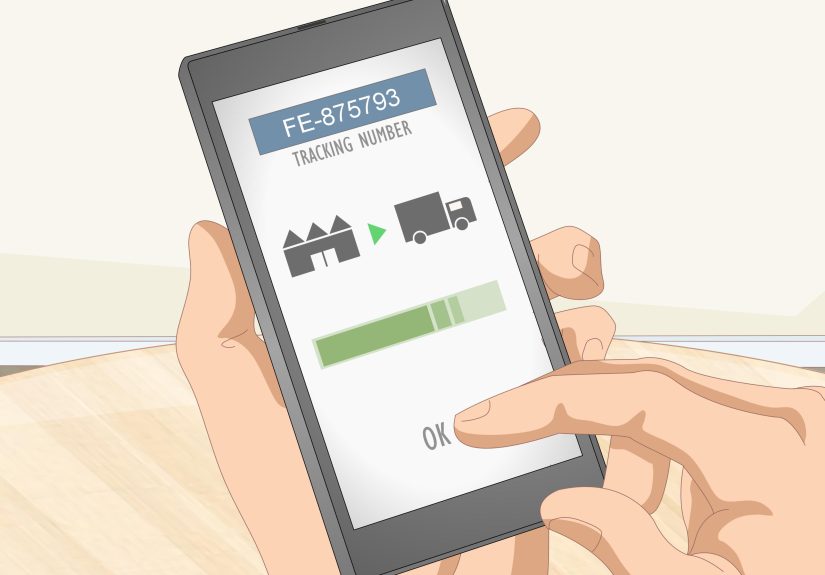
may be fine. Ship early in the week so your cake doesn’t spend a weekend in a warehouse contemplating its life choices.Always use tracking. Send the tracking number to the recipient and ask them to be available. The best packaging in the world can’t fix a
cake that sits outside for six hours in direct sun.
Shipping a Decorated Layer Cake: The “Extra Credit” Method
If you’re shipping a fully decorated layer cake (bold moverespect), think about three things: structure, temperature, and vibration.
Here’s how to reduce risk:
- Use dowels if the cake is tall or stacked. Dowels help prevent sliding and leaning in transit.
- Freeze thoroughly so the frosting is hard before wrapping and boxing.
- Protect the sides with an acetate/parchment collar so wrapping doesn’t imprint your buttercream.
- Choose sturdy decor (fondant elements, chocolate pieces) over fragile buttercream frills.
Food Safety Notes (Because Delicious Shouldn’t Be Dangerous)
Cakes without highly perishable fillings can often travel safely for a short window, but anything dairy-heavy or egg-based in a soft form
(whipped cream, pastry cream, cream cheese frosting) should be kept cold. As a general rule, don’t let perishable foods linger in the
temperature “danger zone” for extended periods.
Translation: if it needs the fridge, plan for cold packs + insulation + fast shipping, and make sure the recipient can
refrigerate it right away.
A “No Regrets” Packing Checklist
- Is the cake fully cooled and frozen/chilled?
- Is it wrapped airtight for freshness?
- Is it anchored to a sturdy board?
- Is the cake box snug with no room to slide?
- Is the cake box cushioned on all sides in a shipping box?
- Did you eliminate all void space (shake test = silent)?
- Did you add insulation and gel packs if needed?
- Did you ship early in the week with tracking?
Common Mistakes (So You Don’t Learn the Hard Way)
- Shipping warm cake: leads to condensation, mushy texture, and messy frosting.
- Too much empty space: shifting is the #1 reason cakes arrive damaged.
- Slow shipping for perishable cakes: time + heat is not your friend.
- Overly delicate decor: gravity and vibration don’t care about your piped rosettes.
- Shipping right before a weekend/holiday: increases the chance of delays.
Real-World Experiences: What Actually Happens When You Mail Cake
Let’s talk about the part nobody admits until after it happens: shipping a cake is less like “sending a package” and more like “planning a
small, delicious expedition.” I’ve watched experienced bakers do everything right and still get surprised by how much a box can be jostled.
The trick is to assume the package will be tipped, bumped, and briefly questioned by the laws of physicsthen package accordingly.
One memorable success story came from a friend who shipped a simple chocolate bundt cake with a thick glaze. She did two things that made it
practically bulletproof: she let the glaze fully set, then wrapped the cake tightly (plastic wrap + foil), and packed it in a snug box with
zero wiggle room. It arrived looking like it had traveled first class. The lesson: a cake that’s inherently sturdy + tight packing
can outperform fancy techniques.
Now for the cautionary tale: a beautiful two-layer vanilla cake with cream cheese frosting (a diva frosting, especially in warm conditions).
The baker insulated the box and used gel packs, but the biggest mistake was subtle: the cake box inside had just enough extra space for the
cake to drift. By the time it arrived, the cake hadn’t collapsedbut the sides had small smears where the collar rubbed, and the top border
looked like it had taken a tiny nap. It was still delicious, but it wasn’t the pristine “Instagram reveal” moment everyone imagined.
The lesson: movement is more destructive than you think. Cold helps, but cold plus shifting still equals damage.
Another “I can’t believe this worked” moment involved shipping unfrosted cake layers instead of a finished cake. The sender wrapped each
layer airtight, froze them solid, and included a small container of buttercream (kept cold with gel packs). The recipient assembled the cake
the next day. The result looked freshly made because, functionally, it was finished fresh. The lesson: if presentation matters more than
convenience, shipping components can be the smartest play.
I’ve also seen people underestimate how helpful a simple note can be. A cake that arrives cold and firm might look “too hard” if the
recipient doesn’t know to thaw it properly. The best shipments include instructions like: “Move to the fridge for 6–8 hours, then let sit at
room temp for 1–2 hours before serving.” That little roadmap prevents someone from slicing into a semi-frozen cake and declaring it “dry,”
when it’s actually just still waking up.
The biggest takeaway from all these experiences is surprisingly comforting: you don’t need perfect conditionsyou need a system.
A frozen cake, airtight wrap, an anchored board, a snug inner box, a padded outer box, and fast shipping solve most problems. And if you’re
ever torn between “one more gel pack” and “eh, it’s probably fine,” choose the gel pack. Cakes are forgiving, but heat and gravity are not.
Conclusion
Shipping a cake is a blend of baking skill and logisticslike being a pastry chef who moonlights as a packaging engineer. If you remember
three things, you’ll be in great shape: freeze it firm, pack it snug, and ship it fast. Choose a cake style that’s built for
travel, protect it from heat and movement, and make sure the recipient knows to open and store it right away. Do that, and your cake has a
real shot at arriving as cakenot “cake-inspired crumbs.”