Table of Contents >> Show >> Hide
- 1. “Laser Resurfacing” Is a Category, Not a Single Treatment
- 2. It Can Improve Texture, Tone, and Scars, but It Will Not Do Everything
- 3. Your Provider Matters More Than the Machine
- 4. Preparation Before Treatment Can Make or Break Your Outcome
- 5. Downtime Is Real, Even When Ads Try to Act Cool About It
- 6. Side Effects and Risks Are Usually Manageable, but They Are Not Imaginary
- 7. Skin Tone Should Shape the Plan, Not Be Ignored
- 8. Results Take Time, and Maintenance Is Often Part of the Story
- 9. Aftercare Is Not Optional; It Is Half the Treatment
- What the Experience Often Feels Like in Real Life
- Final Thoughts
If your skin could talk, it would probably ask for two things: less sun damage and fewer random experiments inspired by late-night social media scrolling. That is where laser resurfacing enters the chat. This popular skin rejuvenation treatment is often used to soften fine lines, improve uneven texture, fade acne scars, and brighten areas that look like they have been personally offended by years of UV exposure.
But laser resurfacing is not one magical button labeled “better skin, please.” It is a category of treatments with different devices, different recovery times, different risks, and very different expectations. Some lasers go harder and deliver more dramatic results. Others are gentler, require more sessions, and are often a better match for people who want less downtime or who have deeper skin tones.
If you are thinking about booking a session, do not walk in with only vibes and a credit card. You need a plan, a realistic timeline, and a solid understanding of what happens before, during, and after treatment. Below are the nine most important things to know before you commit to laser resurfacing for better skin.
1. “Laser Resurfacing” Is a Category, Not a Single Treatment
One of the biggest mistakes people make is talking about laser resurfacing like it is one universal procedure. In reality, it includes several treatment types, and the right choice depends on your skin goals, your skin tone, your tolerance for downtime, and how much change you want to see.
Ablative lasers
Ablative lasers, such as CO2 and erbium options, remove the outer layers of damaged skin and heat deeper layers to stimulate collagen production. These treatments usually create more noticeable improvement in wrinkles, acne scars, sun damage, and texture. They also come with more downtime, more redness, and more aftercare. In other words, ablative lasers are the overachievers of the laser family. They work hard, and they expect you to recover accordingly.
Nonablative and fractional lasers
Nonablative lasers do not remove the top layer of skin the same way ablative lasers do. Instead, they target deeper tissue to encourage collagen remodeling with a gentler recovery period. Fractional technology can be used in both ablative and nonablative treatments, creating tiny columns of treated skin while leaving surrounding skin intact. That means healing can be faster, but you may need more than one session to get the result you want.
The bottom line: your treatment plan should be customized, not copied from a stranger’s before-and-after photo online.
2. It Can Improve Texture, Tone, and Scars, but It Will Not Do Everything
Laser resurfacing can be excellent for reducing fine lines, softening acne scars, improving rough texture, fading sun spots, and making skin look smoother and fresher. It can also help certain surgical or traumatic scars look less noticeable. That is the good news.
The reality check is that laser resurfacing is not a cure-all. It does not replace a facelift, and it is not the best fix for sagging skin, deep folds caused by volume loss, or every kind of pigmentation problem under the sun. If your main complaint is loose skin around the jawline, laser treatment alone may leave you staring into the mirror thinking, “Well, that was nice, but where is the miracle?”
The best candidates are people who want real improvement in skin quality rather than total reinvention. Think smoother, brighter, more even, and more refined, not a completely different face. That is a healthy expectation and a much happier place to start.
3. Your Provider Matters More Than the Machine
Marketing can make every laser sound like a genius in a sleek metal box, but the device is only part of the story. The skill of the person choosing the settings, assessing your skin, and managing recovery matters just as much, and often more.
A strong consultation should cover your medical history, skin concerns, skin tone, scarring tendency, history of cold sores, current skincare routine, medications, and what level of downtime you can realistically handle. If someone is rushing through that process and speaking only in buzzwords like “glow,” “snatched,” and “lunchtime laser,” that is your cue to slow down.
You want a qualified, experienced clinician who understands laser physics, wound healing, pigmentation risk, and how to match treatment intensity to your skin safely. A board-certified dermatologist or similarly well-trained specialist is often the safest bet for both results and complication management. Fancy branding is nice. Expertise is nicer.
4. Preparation Before Treatment Can Make or Break Your Outcome
Laser resurfacing starts before the laser ever touches your face. Pre-treatment instructions are not polite suggestions. They are part of the treatment.
Your provider may ask you to pause certain products and medications before the procedure. Depending on the plan, that may include retinoids, glycolic acid, vitamin E, aspirin, or other products that can increase irritation or affect healing. If you smoke, you may be told to stop well in advance because smoking can interfere with recovery and wound healing. If you have a history of cold sores, your clinician may prescribe antiviral medication to lower the risk of a herpes flare after treatment.
Sun protection before treatment is also a big deal. Freshly tanned or sunburned skin is not ideal laser skin. When your skin is inflamed or carrying extra pigment from recent sun exposure, the chance of unwanted side effects can go up. So yes, your laser plan may begin with the least glamorous prescription of all: stay out of the sun and wear your sunscreen like it is your part-time job.
5. Downtime Is Real, Even When Ads Try to Act Cool About It
If anyone tells you laser resurfacing is always a zero-downtime beauty hack, raise one eyebrow and keep researching. Recovery varies widely depending on the type and depth of the treatment.
More aggressive ablative resurfacing can involve several days of oozing, crusting, redness, swelling, and tenderness before the skin re-epithelializes. Many people need about three to ten days of more intensive healing, and lingering pinkness can stick around much longer. Nonablative and lighter fractional treatments are easier to recover from, but you can still expect redness, swelling, dryness, and a sandpapery texture for several days.
This matters because your calendar needs to know the truth. Do not schedule a strong laser treatment right before a wedding, reunion, photo shoot, school event, or anything else where you prefer not to look like you tried to hug a toaster. Recovery is manageable, but it is still recovery.
6. Side Effects and Risks Are Usually Manageable, but They Are Not Imaginary
Laser resurfacing has a solid track record when done well, but it is still a procedure that deliberately injures the skin in a controlled way. That means side effects are part of the deal, and risks need to be taken seriously.
Common short-term effects include redness, swelling, stinging, dryness, peeling, and tenderness. Some people also develop milia, acne-like bumps, or temporary sensitivity as the skin heals. More significant risks can include infection, prolonged redness, burns, blistering, scarring, and changes in skin color. People with a history of herpes simplex can develop a flare-up if preventive medication is not used when appropriate.
The trick is not pretending these risks do not exist. The trick is reducing them through proper patient selection, realistic settings, careful aftercare, and a qualified provider who knows how to step in quickly if something goes off script.
7. Skin Tone Should Shape the Plan, Not Be Ignored
Skin tone matters in laser resurfacing, and this is one of the most important safety conversations to have before treatment. People with medium to deep skin tones can absolutely benefit from laser treatments, but the device choice, intensity, and timing must be handled thoughtfully.
Darker skin tones generally have a higher risk of post-inflammatory hyperpigmentation or unwanted lightening if the wrong treatment is used or if the skin becomes inflamed during healing. In many cases, gentler nonablative treatments may be a better option than aggressive ablative resurfacing. Some patients may also benefit from a prep regimen designed to calm inflammation and support pigment stability before the procedure.
This is why laser resurfacing should never be one-size-fits-all. Your provider should evaluate your Fitzpatrick skin type, past reactions to inflammation, and history of pigmentation changes before recommending a device. Safe laser work is personalized medicine wearing a cosmetic hat.
8. Results Take Time, and Maintenance Is Often Part of the Story
Laser resurfacing can produce impressive improvements, but your best result usually does not appear overnight. Even when the skin surface looks better within days or weeks, deeper remodeling continues over time as collagen production gradually increases.
Ablative treatments may deliver more dramatic changes in fewer sessions, while nonablative lasers often require a series to build results. The exact timeline depends on the technology used, the condition being treated, and how your skin heals. Acne scars, sun damage, and fine lines often improve in stages rather than all at once.
And here comes the most important truth bomb: your skin keeps aging. Laser resurfacing can improve what is there, but it does not freeze time, cancel sunlight, or stop you from making facial expressions. Maintenance treatments, good skincare, and daily sun protection are often what make results last longer. Think of laser resurfacing as a major upgrade, not a permanent exemption from biology.
9. Aftercare Is Not Optional; It Is Half the Treatment
Aftercare can be the difference between a smooth recovery and an avoidable mess. The skin is more vulnerable after laser treatment, so your post-procedure routine needs to be simple, gentle, and consistent.
Depending on the treatment, your provider may instruct you to cleanse the area carefully, apply ointment, keep the skin moisturized, avoid picking or rubbing, and protect it from the sun with religious devotion. Oil-free makeup may be recommended only after the skin has healed enough, and some products may need to stay off your face for a while. Sun avoidance and broad-spectrum sunscreen become especially important because newly treated skin can be more prone to pigment changes.
The temptation to “speed things up” with exfoliants, extra serums, or random internet hacks should be resisted. Your face is healing, not auditioning for a ten-step routine. Simple, boring, and consistent usually wins.
What the Experience Often Feels Like in Real Life
Reading about laser resurfacing is one thing. Living through it is another. In real life, the experience tends to be more practical, emotional, and oddly specific than people expect. Many patients start with a mix of hope and low-key panic. They want smoother skin, smaller-looking pores, fewer acne scars, and a more even tone, but they also worry about pain, downtime, and whether they are about to voluntarily become a tomato for a week.
The consultation is often the first moment things feel real. That is when patients learn that their treatment plan is based on more than just the word “laser.” The provider studies the skin closely, asks about pigment problems, cold sores, medications, and prior treatments, and explains whether the goal is texture correction, wrinkle reduction, scar improvement, or general skin rejuvenation. For many people, that visit is surprisingly reassuring because it replaces internet myths with an actual plan.
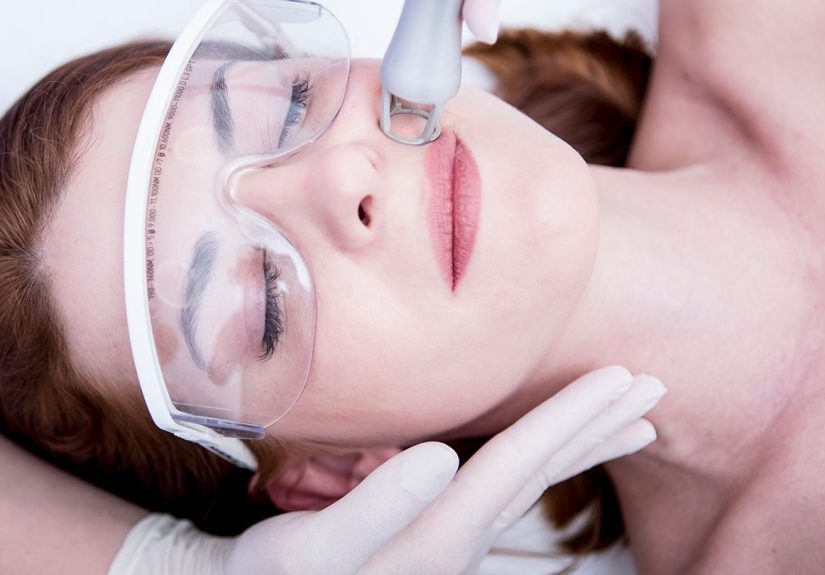
On treatment day, experiences vary. Some people say it feels hot and prickly, like repeated snaps from a tiny rubber band that went to medical school. Others describe a stinging or burning sensation, especially in sensitive areas around the mouth. Numbing cream, cooling methods, and post-treatment care usually make the process far more manageable than first-timers fear.
Then comes the recovery, which is where expectations matter. People are often prepared for redness, but not always for the social inconvenience of it. Skin can feel tight, warm, rough, flaky, and visibly irritated. Some patients love staying home and healing in peace. Others suddenly realize they scheduled resurfacing right before seeing relatives, coworkers, or anyone who enjoys asking, “What happened to your face?” It is a lesson in timing, humility, and the importance of owning a good hat.
By the first week or two, many people notice that the worst part is not always pain. It is patience. The skin may look better in one moment and weirder in the next. There can be dryness, pinkness, and that awkward in-between stage where you are definitely healing but not yet glowing. This is the part where careful aftercare, moisturizer, and sun protection earn their salary.
Longer term, the emotional payoff tends to come gradually. People often notice makeup sitting better, rough patches feeling smoother, acne scars looking softer, and their skin reflecting light in a healthier way. The change may not scream from across the room, but it often shows up in smaller daily moments: less reliance on heavy coverage, more confidence in bright lighting, and fewer arguments with the bathroom mirror. That is why so many people feel laser resurfacing is worth considering. The goal is not perfection. It is progress you can actually see.
Final Thoughts
Laser resurfacing can be a smart, effective option for people who want to improve skin texture, acne scars, fine lines, and uneven tone without pretending that a miracle is about to descend from the heavens. The best outcomes come from matching the right laser to the right person, preparing carefully, respecting recovery, and treating aftercare like part of the procedure rather than an afterthought.
If you are considering treatment, focus less on hype and more on fit. Ask what type of laser is being used, why it is appropriate for your skin, what recovery really looks like, how risks are reduced, and what results are realistic for your goals. Good skin decisions are rarely impulsive. They are informed, intentional, and usually wearing sunscreen.