Table of Contents >> Show >> Hide
- What “Mokka” Means Here (And Why It Matters)
- The Lily Series: A Modern Heir to a 1917 Classic
- Materials, Craft, and the “Wait… That’s Crystal?” Moment
- How It Changes the Espresso Experience
- Care, Cleaning, and “Luxury Without Drama” Tips
- Styling and Entertaining: Why It’s a Secret Weapon
- Buying in the U.S.: What to Expect
- Is It “Worth It?” A Practical Buyer’s Checklist
- FAQ
- Conclusion
- of Experience: What Living With the Lobmeyr Mokka Set Feels Like
Some people drink espresso. Other people practice espressomeasuring grams, timing shots, arguing about water like it’s a Supreme Court case. If you’re in group two (or you’re shopping for someone who is), the Lobmeyr Mokka Espresso Cup and Saucer has a way of turning a 30-second coffee into a tiny, golden ceremony.
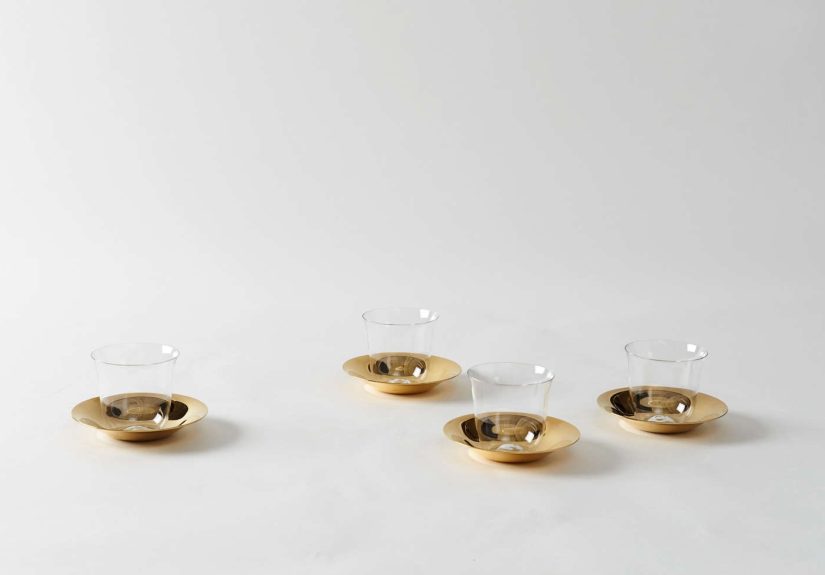
This isn’t a “cute little demitasse.” It’s a design object from a legendary Viennese glass house, built around a contradiction that somehow works: an ultra-thin, lead-free crystal cup paired with a weighty, gilt brass saucer that looks like it could moonlight as jewelry. The vibe is equal parts museum shop and weekday espressoand yes, it can make your kitchen feel like it has better posture.
What “Mokka” Means Here (And Why It Matters)
In much of Europe, “mokka” (or “mocha/mocca”) often signals a smaller coffee servingthink espresso-sized, elegant, and intentionally compact. Lobmeyr’s Mokka cup lands in that classic demitasse range, sized for short shots and concentrated drinks rather than a lingering latte. U.S. specialty retailers list it at about 1.7 fl ozperfect for a single espresso, a tight doppio, or an espresso “macchiato” that’s more whisper than foam.
The Lily Series: A Modern Heir to a 1917 Classic
The Mokka cup most shoppers mean when they say “Lobmeyr Mokka espresso cup and saucer” is the Lily design, created by Vienna-based design team KIM+HEEP and positioned as a contemporary successor to Lobmeyr’s historic forms. U.S. design press has described Lily as an elegant follow-up to Josef Hoffmann’s 1917 Patrician glasswarebasically, “same good manners, newer suit.”
The maker’s story behind Lily is surprisingly global (and refreshingly not just “inspired by coffee” in the vague way everything is “inspired by coffee”). The shape nods to Middle Eastern tea and coffee traditions where glass vessels are part of everyday hospitality, then ties back into the refined geometry of Lobmeyr’s early-20th-century modernism. In other words: it’s a cultural bridge you can put crema on.
Materials, Craft, and the “Wait… That’s Crystal?” Moment
1) The cup: ultra-thin, lead-free crystal
The Lily Mokka cup is made from lead-free crystal, mouth-blown into a delicate form that feels almost weightless in the hand. Maker listings identify it as a KIM+HEEP design from 2013, with proportions around ⌀ 6.5 cm × H 6.9 cm (roughly 2.6″ diameter × 2.7″ height).
Here’s the fun part: thin glass usually makes people nervous, but Lily was developed with durability in mind. The brand and partner retailers describe tests showing the thin crystal can handle changes in temperaturemeaning it’s not just a fragile display piece. Still: it’s luxury crystal, not a camp mug, so treat it accordingly.
2) The saucer: gilt brass with chandelier-workshop credentials
The saucer is where Lobmeyr flexes its other superpower: lighting. Multiple retailers note that the gilt brass saucer is made in Lobmeyr’s chandelier workshop, and that it was conceived as a deliberate “oriental coffee cup” referenceglass above, metal below, like a small stage for your shot.
Size-wise, it’s typically listed around ⌀ 10 cm × H 1.9 cm (about 3.9″ diameter × 0.7″ height).
How It Changes the Espresso Experience
Let’s be honest: a cup can’t fix a sour shot. But it can change how espresso feelstemperature, aroma, and even the way you slow down long enough to taste what you made.
Heat management: pre-warm like a pro
Because the crystal is thin, it won’t insulate like thick ceramic. If you pour a hot shot into a cold cup, physics will do what physics does. The best habit is simple: pre-warm the cup (hot water rinse, then dry) before pulling your shot. You’ll get a more stable sip and better aromatics without turning your espresso into a lukewarm regret.
Crema and aroma: the “bloom” effect
Lily’s form opens gently at the topoften described as blossom-likewhich encourages aroma to lift toward your nose without trapping it the way narrow demitasses can. That matters most with lighter roasts and modern espresso profiles where the fragrance is half the joy (the other half is pretending you’re not counting seconds).
The saucer as a reflector (yes, really)
Gold-toned metal reflects light and color. In practice, that means the saucer subtly amplifies the espresso’s warm tonesespecially pretty with tiger-striping crema. Is it essential? No. Is it satisfying? Absolutely. Think of it as mood lighting for your coffee, minus the app.
Care, Cleaning, and “Luxury Without Drama” Tips
- Hand wash only. Specialty retailers consistently recommend hand washing for the set.
- Avoid abrasive pads on the brass saucer; treat it like fine metalware, not a scorched skillet.
- Dry promptly to minimize spotting on crystal and water marks on metal.
- Store smart: keep cups separated to prevent clinks; consider soft liners if stacking is unavoidable.
If you’re the type who owns a dishwasher and wants to keep your sanity, this set may ask for a small lifestyle adjustment. The good news: it’s a tiny item. The bad news: you will find yourself saying “It’s fine, I’ll just hand wash it” in a suspiciously cheerful voice.
Styling and Entertaining: Why It’s a Secret Weapon
The Lobmeyr Mokka set does something rare: it reads as contemporary and old-world at the same time. Put it on a minimalist tray and it looks like modern sculpture. Pair it with vintage linens and suddenly you’re hosting like you own a townhouse you definitely do not own.
Easy pairing ideas
- Dark roast ristretto + a small square of chocolate = classic, confident, slightly dramatic.
- Light roast espresso + sparkling water = café ritual at home (and yes, it looks great on brass).
- Affogato “mini” (a small scoop, not a sundae) = dessert that feels designed, not accidental.
Buying in the U.S.: What to Expect
In the United States, the Lily Mokka cup and brass saucer are typically sold through high-end design retailers, often as special order with lead times in the “good things take a minute” range. Listings commonly show the set priced in the hundreds (with variations by retailer, availability, and configuration).
You may also run into older editorial product roundups that cite much lower figures at the time of publicationuseful as a historical snapshot, not a guarantee. For current shopping, treat pricing like espresso extraction: it changes based on the variables.
Is It “Worth It?” A Practical Buyer’s Checklist
Luxury tableware is never “worth it” in the same way a smoke detector is worth it. It’s worth it if it fits how you live. Here’s a reality-based way to decide:
It’s a great fit if you…
- drink espresso often enough that the ritual matters
- love design history (or just love objects that look like design history)
- don’t mind hand washing a small, special set
- want an heirloom-level gift that isn’t another watch
Maybe skip if you…
- want maximum heat retention with zero fuss (thick ceramic wins that round)
- need a “throw it in the dishwasher” lifestyle
- prefer oversized milk drinks over straight espresso
FAQ
Is the Lobmeyr Mokka cup glass or crystal?
Retailers and maker materials describe it as lead-free crystal (often referred to as muslin crystal for its thinness).
What’s the capacity?
U.S. listings commonly cite about 1.7 fl oz, which suits espresso-sized servings.
Who designed the Lily series?
The Lily Mokka cup is attributed to KIM+HEEP, with design dates listed around 2012/2013 depending on the piece.
Is the brass saucer purely decorative?
It functions as a saucer like any other, but it’s also designed as a visual and tactile counterweight to the thin crystal cupan intentional part of the set’s character.
How should I clean it?
Hand washing is the standard recommendation from U.S. specialty retailers.
Conclusion
The Lobmeyr Mokka Espresso Cup and Saucer isn’t trying to be everything. It’s trying to be one thing, brilliantly: a small, exquisitely made stage for espresso that merges Viennese heritage, modern design, and just enough gold to make a Tuesday feel upgraded.
If you love the idea that your coffee ritual deserves an object with real craft behind itmouth-blown crystal, a brass saucer born in a chandelier workshop, and a design lineage that nods to early modern classicsthis set delivers the kind of daily pleasure that doesn’t need a special occasion. (Though it will absolutely create special occasions, mostly by making guests say, “Wait… can I hold that?”)
of Experience: What Living With the Lobmeyr Mokka Set Feels Like
Owning a Lobmeyr Mokka cup and saucer is less like buying a cup and more like adopting a tiny, glamorous roommate who insists on being handled gently. The first “experience” usually happens before you even make coffee: the unboxing. The saucer arrives with that unmistakable weight-in-the-hand that says, “I am not a coaster, and I will not be treated like one.” The cup, by contrast, is so light the brain does a quick double-takelike you picked up a soap bubble and it politely agreed to become tableware.
Then comes the first shot. What surprises most people isn’t just how it looks (though yes, espresso on gold is basically a filter-free Instagram post), but how it changes your behavior. You automatically slow down. You stop clanking around the kitchen. You rinse the cup with hot water first because the thin crystal makes you feel like an adult who knows things. And when the crema settles, the saucer’s warm reflection turns the coffee darker and richer to the eye, which somehow makes the sip feel more “serious,” even if you’re still in sweatpants.
Over a few weeks, the set becomes a quiet habit-shaper. You start choosing coffees that reward attentionmaybe a sweeter espresso blend, maybe a lighter roast that smells like fruit and florals. You discover that the cup is ideal for a tight cappuccino “bonus sip” (that little extra you can’t fit in the main cup), and for serving a short espresso alongside dessert without the plate looking crowded. The saucer also becomes oddly useful: it holds a spoon neatly, catches drips, andwhen nobody’s watchingdoes a fantastic job as a tiny serving plate for two biscotti, a lemon peel twist, or a single perfect truffle.
Entertaining with it is its own mini-adventure. Guests ask questions. They take pictures. Someone inevitably says, “This is too pretty to use,” which is the universal compliment for functional design. And when you tell them the saucer is made in a chandelier workshop, the conversation instantly upgrades from “Nice cup” to “Tell me more about your life choices.” It’s a great icebreakerespecially at the end of a dinner party when energy dips and espresso is the polite way to reboot the room.
The downside experiences are real but manageable. Hand washing is non-negotiable if you want the set to stay beautiful, and the brass saucer deserves the same kind of care you’d give fine flatware. You’ll probably find yourself drying it right away so it stays spotless. But here’s the twist: the extra care doesn’t feel like a chore in the way cleaning a blender feels like a chore. It feels like maintaining something you actually enjoy seeing every day.
In the end, living with the Lobmeyr Mokka set is a small daily reminder that “ordinary” can be designed. It doesn’t make the espresso better on its ownbut it makes you pay attention long enough to make the espresso better yourself. And that’s the kind of upgrade that doesn’t need a firmware update.