Table of Contents >> Show >> Hide
- What Happened on the Dream Hiking Trip?
- Why This Story Hit So Hard
- Was Solo Hiking the Real Problem?
- The Backpack, the Dog, and the River
- Why Experienced Hikers Still Get Into Trouble
- What This Case Teaches About Remote Hiking
- How To Hike Alone More Safely Without Pretending Risk Disappears
- The Internet Says “Never Hike Alone.” Reality Says “Understand the Assignment.”
- Experiences That Echo This Story on Trails Everywhere
- Final Thoughts
Some headlines grab you by the collar. This is one of them. A 29-year-old adventurer sets out on the kind of trip that sounds like pure freedom: wild country, big distance, a beloved dog, and a dream that feels larger than everyday life. Then the dream cracks. He does not arrive. His belongings are found. One dog makes it through. And suddenly the internet is doing what the internet does best and worst at the same time: grieving, speculating, and shouting, “This is exactly why you do not hike alone.”
That reaction is understandable. It is also a little too simple.
The disappearance of Norwegian hiker Steffen Skjottelvik struck a nerve because it sits right at the intersection of adventure and vulnerability. He was not wandering into a city park with a granola bar and good vibes. He was on a remote wilderness trek, trying to move through terrain where rivers turn dangerous fast, weather can rewrite the rules by the hour, and help is not just “a phone call away.” In places like that, one small problem can become a very large one before anyone even realizes there is a problem.
What Happened on the Dream Hiking Trip?
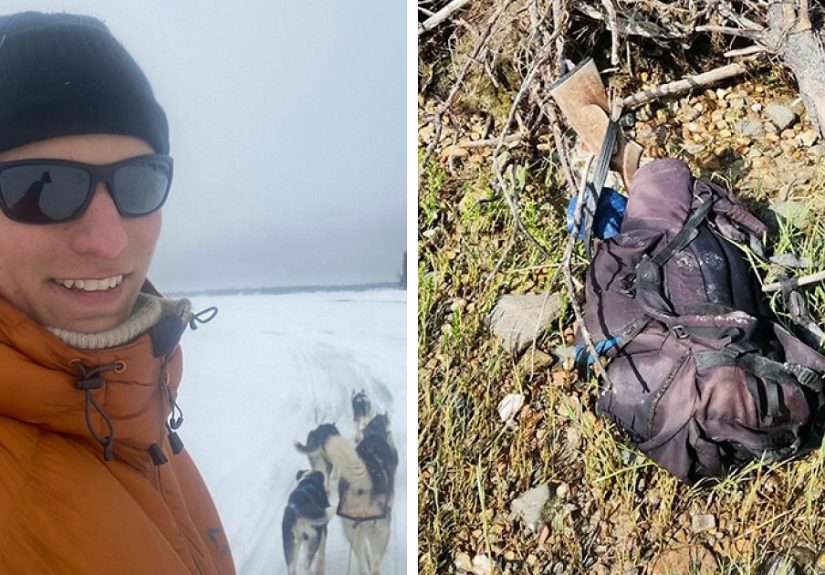
Reporting on the case described Skjottelvik as an experienced wilderness traveler who had long wanted to cross Canada on foot. He began the stretch from Fort Severn, Ontario, to York Factory, Manitoba, on July 25, traveling with his dogs and aiming to arrive by August 15. He was last heard from on August 14, when he said he was roughly 20 kilometers from his destination. When he failed to show up, search efforts followed. Authorities and volunteers later found his backpack near the Hayes River, while one of his dogs reached York Factory without him. Subsequent reporting said his body was later found in the area, bringing the story to a heartbreaking end.
Even stripped to the basics, the details are haunting. A nearly completed journey. A final message. Personal belongings recovered near fast-moving water. A dog arriving without its owner. You do not need a dramatic soundtrack to understand why this story spread so quickly.
Why This Story Hit So Hard
Most viral hiking stories fall into one of two categories. Either they reassure us that nature is beautiful and healing, or they remind us that nature does not negotiate. This one belongs firmly in the second category.
People saw themselves in the fantasy first. The open-air life. The “drop everything and go” energy. The idea that maybe the most honest version of adulthood is just putting on boots and walking toward a horizon. Then came the gut-punch: in very remote country, confidence and experience do not cancel out exposure, distance, weather, water, or isolation.
That is why the phrase “lone hiking is such a bad idea” caught on. It is blunt, emotional, and partly true. But the fuller truth is more useful: solo hiking is not automatically reckless, yet remote solo wilderness travel dramatically shrinks your margin for error. That distinction matters, because it moves the conversation from judgment to prevention.
Was Solo Hiking the Real Problem?
Not by itself. People hike alone every day and come home with sore calves, good photos, and an inflated opinion of their trail mix choices. Solo hiking on a popular, well-marked route is one thing. Solo travel across remote backcountry with water crossings, wildlife concerns, limited communication, and long stretches between help is something else entirely.
That is the part too many armchair experts miss. The danger here was not merely solitude. It was solitude plus remoteness, plus terrain, plus timing, plus the brutal math of wilderness risk. If you are alone and twist an ankle on a busy day trail, you may hobble back or get help from passing hikers. If you are alone in a remote area and a river has changed character after recent rain, you may be facing a problem that does not care how motivated or experienced you are.
National Park Service guidance consistently urges hikers to know their limits, check conditions, carry essential gear, and leave an itinerary with someone before heading out. Forest Service recommendations echo the same idea with the classic “Ten Essentials,” which include navigation, insulation, first aid, extra food and water, illumination, fire, repair supplies, and emergency shelter. None of that is bureaucratic overkill. It is what stands between “epic trip” and “search operation.”
The Backpack, the Dog, and the River
The most chilling details in this case are not flashy. They are ordinary. A backpack. A dog. A riverbank.
When a hiker’s gear is found without the hiker, it often signals that the environment interrupted the normal logic of the trip. Gear does not simply wander off and set up its own vacation itinerary. Something happened. In this case, reporting pointed to the Hayes River as a major concern, especially after rainfall. Fast-moving water is one of those hazards people underestimate because it looks familiar. A river is just water, until it is cold, wide, strong, and moving faster than your body can resist.
The dog detail lands even harder. One dog reached safety. That fact makes the story feel cinematic, but it also underlines how fractured survival can be outdoors. Nature is messy. Outcomes do not arrive in neat moral packages. A loyal animal can survive while a human does not. Gear can be recovered while answers remain incomplete. Searchers can work heroically and still face impossible conditions.
That is one reason these cases stay with people. They are not just sad; they are unfinished in the way wilderness tragedies often feel unfinished, even after official answers arrive.
Why Experienced Hikers Still Get Into Trouble
There is a stubborn myth that outdoor emergencies mostly happen to beginners. In reality, experience can help enormously, but it can also breed optimism. You have crossed rivers before. You have handled storms before. You have made good decisions before. That history can make the next risk feel manageable right up until it is not.
Experienced hikers are often better at enduring discomfort, which is a gift until it becomes a trap. The same person who can push through fatigue, cold, hunger, and lousy weather is also the person most likely to say, “I can still make it,” one decision too long.
That is why safety advice from outdoor organizations sounds almost boring in its consistency. Tell someone your route. Check the forecast. Carry emergency shelter even if you do not plan to sleep out. Pack extra food and water. Bring navigation tools and do not rely solely on one device. Avoid risky crossings. Turn back when conditions change. Boring, yes. Also lifesaving.
What This Case Teaches About Remote Hiking
1. Near the end is still not the end
Many accidents happen when people think the hardest part is behind them. Being “almost there” can make hikers more willing to rush, skip breaks, or force a crossing.
2. Water is one of the trail’s biggest liars
A river can look passable and still be far beyond safe. Rain upstream, changing current, hidden depth, cold shock, and unstable footing turn crossings into split-second emergencies.
3. Communication gaps become danger multipliers
In remote country, delayed check-ins are not just inconvenient. They can mean searchers start late, search wide, and work with incomplete information.
4. Dogs are companions, not rescue plans
Hiking with a dog can be wonderful, but a dog cannot replace route planning, emergency communication, or backup decision-making. Sometimes the dog survives. Sometimes the dog does not. Either way, the wilderness remains indifferent.
5. Solo travel raises the stakes of every mistake
Not because solo hikers are foolish, but because there is no second set of eyes, no second judgment, and no second body to get help.
How To Hike Alone More Safely Without Pretending Risk Disappears
If this story makes you want to swear off solo hiking forever, that is one response. Another is to hike smarter and choose your solitude carefully.
- Match the route to the reality. A solo day hike on a marked trail is not the same as a multi-day wilderness crossing.
- Leave a detailed trip plan. Not “going hiking somewhere,” but exact trail, direction, camp plan, turnaround time, and emergency contact steps.
- Carry the Ten Essentials. Yes, even on shorter outings. Especially on shorter outings, because complacency loves “easy” hikes.
- Watch weather like it owes you money. Storms, heat, lightning, and rising water do not care about your plans.
- Know when to bail. Turning around is not failure. It is advanced judgment with less ego.
- Use redundant navigation and communication. Map, compass, downloaded maps, and emergency communication where appropriate.
- Treat water crossings with deep suspicion. If conditions look wrong, they probably are wrong.
The Internet Says “Never Hike Alone.” Reality Says “Understand the Assignment.”
The online reaction to this case came from a real place: fear, sadness, and the awful feeling that one decision can erase a future. But the blanket lesson is not “no one should ever hike alone.” The better lesson is that remote hiking demands humility, planning, redundancy, and an honest relationship with uncertainty.
Adventure culture sometimes sells wilderness as a personal brand. Go farther. Carry less. Post better photos. Prove you are tougher than the terrain. Real backcountry travel is less glamorous. It is preparation, restraint, and constant recalculation. It is knowing that the wilderness is not impressed by courage when courage turns into stubbornness.
That is what makes this story so painful. By all accounts, Skjottelvik was not chasing clout. He was living a dream. And sometimes that is what hurts most: not that someone acted carelessly, but that a person can be thoughtful, skilled, motivated, and still end up in conditions that overwhelm the plan.
Experiences That Echo This Story on Trails Everywhere
If you talk to enough hikers, park staff, and rescue volunteers, you start hearing the same kinds of stories over and over. They are not always headline material. Most do not involve international attention, remote northern wilderness, or a dog arriving alone at the end of the route. But they do share a pattern with this case: the problem usually starts small, ordinary, and weirdly easy to dismiss.
One hiker misses a turn because the trail junction sign is weathered and half-hidden by brush. Another decides to keep going because the sky “does not look that bad yet.” Someone else reaches a creek that was ankle-deep on the way in and knee-high, fast, and angry on the way out. A day hiker pushes a little farther because the overlook is “just around the bend,” then realizes sunset is arriving faster than confidence. A solo backpacker rolls an ankle and discovers that what hurts most is not the swelling but the silence. No one is there to say, “Sit down, breathe, here is the next step.”
There are also the psychological experiences people rarely mention until after a rescue or a frightening near miss. The first is denial. Hikers are often optimistic by nature, which is usually a lovely trait and occasionally a dangerous one. The brain wants the trail to stay normal, so it bargains: maybe the weather will pass, maybe the map is wrong, maybe the water is not that deep, maybe the pain will ease up after a snack. Sometimes that optimism is harmless. Sometimes it burns time you do not have.
The second experience is embarrassment. This one causes all sorts of bad decisions. People do not want to turn around after making a plan, buying gear, driving hours, or telling friends about the trip. They do not want to feel foolish for overestimating themselves. So they continue. Pride is sneaky that way. It does not always show up as swagger. Sometimes it shows up as quiet reluctance to admit that conditions have changed.
The third is isolation drift. Even strong hikers can become mentally narrower when they are alone for long stretches under stress. Choices get smaller. Options feel fewer. The route ahead starts to look more appealing than the safer move backward, simply because forward preserves the story you were hoping to live. That is why experienced solo hikers build rules ahead of time: fixed turnaround hours, no risky water crossings, no summit attempts in unstable weather, no gambling with fading light. Good judgment is easier when it is pre-decided.
And then there is the part families know too well: the waiting. Missed check-ins. Unanswered messages. The frantic mental replay of the last conversation. That experience is part of the trail too, even though it happens far from the woods. When hikers leave a clear itinerary, carry proper emergency tools, and stick to conservative decisions, they are not just protecting themselves. They are protecting the people who will notice first when the silence lasts too long.
That is why stories like this stay with us. They are not just about one missing hiker. They remind us how fast adventure can become uncertainty, and how the smallest practical habits can create the biggest difference when the backcountry stops being generous.
Final Thoughts
The disappearance and death of Steffen Skjottelvik is tragic not because it proves dreams are foolish, but because it proves dreams in wild places require ruthless respect for reality. Solo hiking is not automatically a bad idea. Remote wilderness travel without enough margin, however, can become unforgiving in a hurry.
If there is a lasting takeaway from this story, it is not panic. It is humility. Go outside. Chase the views. Love the miles. Bring the dog if the trip truly suits the dog. But plan like conditions will change, because eventually they do. The trail is beautiful. It is also completely uninterested in whether you thought you were almost there.