Table of Contents >> Show >> Hide
Lyme disease has a way of turning a lovely afternoon outdoors into an uninvited medical mystery. One day you are hiking, gardening, chasing the dog around the yard, or pretending you totally meant to walk through knee-high grass. A few days or weeks later, you feel wiped out, achy, feverish, or you notice a strange expanding rash that definitely was not on your summer mood board.
That is part of what makes Lyme disease so tricky. It can start with symptoms that feel like a bad flu, a random bug bite, or one of those “maybe I just need a nap and three gallons of water” days. But Lyme disease is a real bacterial infection that deserves real medical attention. In the United States, it is one of the most common tick-borne illnesses, especially in the Northeast, mid-Atlantic, and upper Midwest.
The good news is that Lyme disease is usually very treatable, especially when it is recognized early. The less-fun news is that early symptoms can be easy to miss, and not everyone gets the classic bull’s-eye rash people love to mention on the internet. That is why understanding the signs, how transmission happens, and what treatment looks like matters so much.
This guide breaks down Lyme disease in plain English: what it is, how people get it, which symptoms deserve attention, how doctors diagnose it, and what treatment and recovery can look like in real life.
What is Lyme disease?
Lyme disease is a bacterial infection caused in the United States mainly by Borrelia burgdorferi, and much more rarely by Borrelia mayonii. It is spread to humans through the bite of an infected blacklegged tick. These ticks are tiny, which is a rude design choice by nature, because people often do not realize they have been bitten at all.
Lyme disease is not just a skin issue. It can affect several parts of the body. In early stages, it often causes an expanding rash, fever, fatigue, headache, and body aches. If it is not treated, the infection can move beyond the skin and begin affecting joints, the nervous system, and the heart. That is when the story can get more complicated.
The disease is especially common in wooded, brushy, and grassy areas where ticks live. Still, you do not need to be deep in the wilderness wearing survival gear and making dramatic campfire decisions. People can pick up ticks in backyards, parks, trail edges, and even while doing ordinary outdoor chores.
How Lyme disease is transmitted
The main way it spreads
Lyme disease spreads through the bite of an infected blacklegged tick. In most cases, the tick has to stay attached for a fairly long time before transmission becomes likely. That matters because quick tick removal can lower the risk. A tick that is crawling on your clothes is annoying; a tick that has attached and fed is the bigger concern.
In the U.S., risk is highest in parts of the Northeast, mid-Atlantic, and upper Midwest, though some cases also occur in other regions. Summer gets the most attention because people spend more time outside and immature ticks are active then, but exposure can happen in other seasons too when temperatures are mild.
What does not usually spread Lyme disease
Lyme disease is not considered a casual person-to-person infection. You do not catch it from hugging, sharing a drink, touching someone, or sitting too close to the person at brunch who spent last weekend camping. It is also not spread by mosquitoes, flies, fleas, or lice. Pets can get Lyme disease, but they do not pass it directly to people. What they can do is bring ticks into the house, which is not ideal for anyone involved.
Pregnancy and breastfeeding questions do come up. Lyme disease during pregnancy should be treated promptly, because appropriate treatment is important for both parent and baby. If someone is pregnant, breastfeeding, or concerned about a recent tick bite, it is smart to speak with a healthcare professional rather than crowdsource the answer from your cousin’s group chat.
Symptoms of Lyme disease
Early symptoms
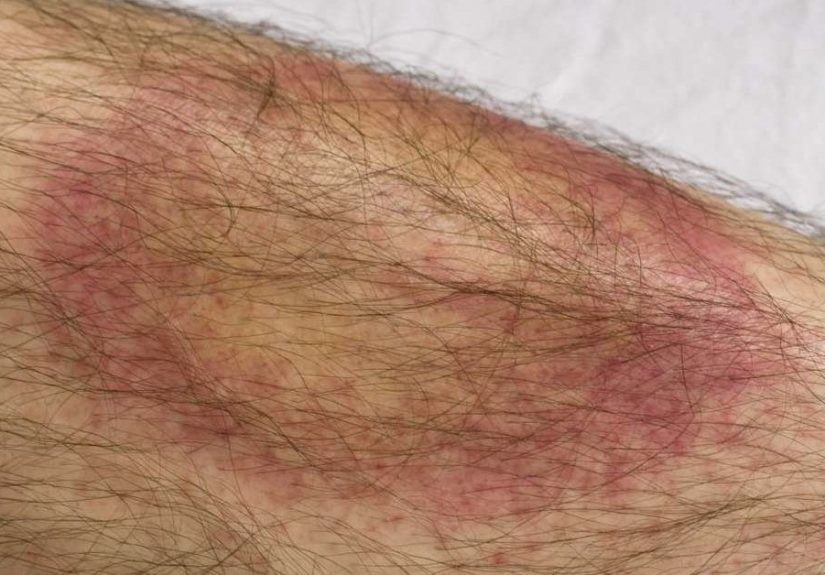
Early Lyme disease symptoms often appear within a few days to a month after a tick bite. The most talked-about sign is erythema migrans, the expanding rash associated with Lyme disease. It often starts at the bite site and slowly grows outward. Sometimes it develops a target-like or bull’s-eye appearance, but not always. In many people, it looks more like a plain expanding patch of red or discolored skin.
That detail matters because many people wait for the “perfect” bull’s-eye before taking symptoms seriously. Real life is messier. The rash can look different from person to person and can appear differently on light and dark skin tones. It also may be warm, but it is usually not terribly itchy or painful.
Other early symptoms can include:
Fever, chills, headache, fatigue, swollen lymph nodes, and muscle or joint aches. In other words, it can feel like a generic viral illness with terrible timing after a tick bite.
Later symptoms if the infection spreads
If Lyme disease is not treated, symptoms may progress days to months later. At that point, the infection may affect other body systems. Some people develop additional rashes in other places. Others may experience facial drooping, neck stiffness, severe headaches, nerve pain, dizziness, shortness of breath, palpitations, or episodes of faintness.
Joint symptoms are also common in later disease. Lyme arthritis often affects one or a few large joints, especially the knee. A swollen knee without a sports injury or obvious explanation should not be brushed off, especially after outdoor exposure in an area where Lyme disease is common.
When Lyme affects the heart, it can lead to rhythm problems sometimes referred to as Lyme carditis. When it affects the nervous system, it can lead to problems such as meningitis, radiculopathy, or facial palsy. Those are not “wait and see for two weeks” symptoms. They are “call a doctor now” symptoms.
How Lyme disease is diagnosed
Lyme disease is diagnosed using a mix of common sense and medical evidence. Doctors look at symptoms, exposure history, where the person has traveled or spent time outdoors, whether there was a known tick bite, and whether the pattern fits Lyme disease.
If someone has a classic expanding erythema migrans rash and relevant exposure, a clinician may diagnose and treat Lyme disease without waiting for lab confirmation. That is because blood testing can be less reliable in the earliest stage. Antibody tests look for the body’s immune response, and that response takes time to build. In the first few weeks, tests may come back falsely negative even when Lyme disease is present.
That timing issue is one reason early diagnosis can feel frustrating. A patient may think, “But I got tested and it was negative,” while the clinician is thinking, “Yes, but it may simply be too soon.” In later stages, antibody testing becomes more useful. The key point is that Lyme disease diagnosis is not just about one lab result. It is about the full picture.
Doctors may also consider other illnesses that can look similar, including viral infections, other tick-borne diseases, autoimmune conditions, or unrelated causes of fatigue and pain. That is not overcomplication. It is careful medicine.
Treatment for Lyme disease
Early treatment
For most cases of early Lyme disease, treatment is straightforward: antibiotics. Common options include doxycycline, amoxicillin, or cefuroxime axetil. Many early cases are treated with a course of about 10 to 14 days, though the exact choice and length depend on the person’s age, symptoms, medical history, and whether there are complications.
When treatment starts early, recovery is often rapid and complete. That is why it is so important not to ignore an expanding rash, new fever after a tick bite, or flu-like symptoms that show up after time outdoors in a high-risk region.
Treatment for more serious or later disease
If Lyme disease has spread to the nervous system, heart, or joints, treatment may need to be longer or more intensive. Some patients need 14 to 21 days of treatment, and certain neurologic or cardiac cases may require intravenous antibiotics instead of pills. Lyme arthritis is often treated with a longer oral course, and follow-up depends on how symptoms improve.
This is where online advice can become a circus. One corner of the internet says every ache is Lyme disease forever; another corner says it is no big deal. Neither extreme is helpful. The right treatment depends on the actual clinical presentation, and decisions should be made with a licensed healthcare professional.
What about a tick bite with no symptoms?
Most tick bites do not automatically call for preventive antibiotics. However, in some high-risk situations, a single dose of doxycycline may be used after a tick bite to reduce the chance of Lyme disease. This is usually considered only when several boxes are checked: the bite happened in an area where Lyme disease is common, the tick appears to be a blacklegged tick, the tick was attached long enough to raise concern, prophylaxis can begin within about 72 hours of removal, and doxycycline is safe for the patient.
That means the answer to “Should I take antibiotics just in case?” is not always yes. It is a “talk to a clinician with the details” situation.
Can symptoms linger after treatment?
Some people continue to have fatigue, body aches, or trouble concentrating even after recommended treatment is completed. This is often called post-treatment Lyme disease syndrome, or PTLDS. Researchers are still working to understand why it happens in some people and not others.
What is important to know is that lingering symptoms do not automatically mean the bacteria are still active and need endless antibiotics. Long-term antibiotic therapy has not been shown to help these persistent symptoms and can create serious risks of its own. People dealing with ongoing issues should follow up with a healthcare professional to rule out other causes and build a plan for symptom management, rehabilitation, sleep, pain control, or further evaluation when needed.
That may not be the satisfying movie ending where one pill fixes everything by Tuesday, but it is the more honest one.
When to see a doctor
You should contact a healthcare professional if you develop an expanding rash, fever, headache, swollen joints, facial drooping, unusual fatigue, or flu-like symptoms after a tick bite or after spending time in an area where ticks may carry Lyme disease. Do not wait for every symptom on a checklist to show up. Lyme disease does not award bonus points for patience.
Seek prompt medical care right away if you have chest pain, shortness of breath, fainting, severe headache, neck stiffness, confusion, or new neurologic symptoms. Those may suggest the infection has affected the heart or nervous system.
If you are pregnant, immunocompromised, caring for a child with symptoms, or simply unsure whether the rash is concerning, it is worth getting medical advice early. Lyme disease is one of those conditions where faster action is usually better than better hindsight.
How to reduce your risk
Prevention is not glamorous, but it works. Wear long sleeves and pants in brushy or grassy areas when possible. Use tick repellents as directed. Check your body after being outdoors, including the scalp, armpits, behind the knees, groin, and waistline. Check children and pets too. Ticks love hard-to-see places and apparently have no respect for family schedules.
If you find an attached tick, remove it with fine-tipped tweezers. Grasp it as close to the skin as possible and pull upward with steady, even pressure. Do not twist, burn, smother, paint, or otherwise perform a backyard exorcism on the tick. After removal, clean the area and your hands with soap and water or rubbing alcohol.
Then keep an eye out for symptoms over the following days and weeks. A bite that seems minor at first can still deserve follow-up if a rash, fever, joint pain, or other concerning symptoms appear.
What the experience of Lyme disease can feel like in real life
For many people, the experience of Lyme disease is not dramatic at first. It starts small. Maybe there is a weekend hike, a child who comes home from camp with a “weird bug bite,” a gardener who notices unusual fatigue after spending hours pulling weeds, or a dog owner who finds ticks on the pet and later realizes one probably latched onto them too. The first symptoms can be vague enough to second-guess: a mild fever, soreness, headache, or a feeling that your body is running on low battery for no clear reason.
That uncertainty is part of the experience. Many people do not remember a tick bite because ticks are tiny and their bites are usually painless. Some notice a rash, but it may not look like the textbook image they expected. Instead of a perfect target, it may just look like an expanding red patch, something easy to dismiss as irritation, a spider bite, or a random skin flare. This is why so many people describe Lyme disease as confusing in the beginning. It does not always arrive with a neon sign.
Once symptoms build, daily life can get surprisingly hard. Fatigue is not always ordinary tiredness. People often describe it as a heavy, foggy feeling that makes work, parenting, school, errands, and exercise feel more difficult than they should. Joint pain can move in and make simple tasks feel strange. A headache can linger. Some people feel frustrated because they look mostly fine on the outside while feeling decidedly not fine on the inside.
There is also the emotional side. A person may wonder whether they are overreacting, especially if symptoms seem random or come and go. Parents may worry because a child seems “off” but cannot explain exactly how. Someone who was active and healthy a week earlier may suddenly feel anxious about whether this is a passing illness or something more serious. That emotional uncertainty is very real, and it is one reason timely medical evaluation matters.
For those diagnosed early, treatment often brings relief, both physically and mentally. Starting antibiotics can feel like finally having an explanation instead of a mystery. Many people recover well and return to normal routines without major long-term issues. Others improve more slowly. They may need time for energy, concentration, or comfort to fully come back. Recovery is not always instant, and that can be discouraging, but slower improvement does not mean no improvement.
Perhaps the biggest lesson from real-world Lyme disease experience is that paying attention matters. Not panic. Not doom scrolling. Just attention. Knowing your recent outdoor exposure, noticing a new rash, taking unexplained symptoms seriously, and checking in with a healthcare professional early can make the entire course of the illness shorter, simpler, and far less stressful.
Conclusion
Lyme disease is common enough to deserve respect and treatable enough to deserve quick action. It is caused by bacteria spread through infected blacklegged tick bites, and its symptoms can range from a subtle expanding rash and fatigue to joint swelling, facial palsy, heart rhythm problems, and neurologic complications if the infection is not treated.
The smartest approach is not fear. It is awareness. Know how Lyme disease spreads, understand that the rash does not always look like a perfect bull’s-eye, remember that early tests can miss infection, and seek care when symptoms line up with recent tick exposure. Early antibiotics often work very well, and even when recovery takes time, the path tends to be much smoother when diagnosis is not delayed.
So yes, enjoy the outdoors. Just add a tick check to the routine. Nature is wonderful, but it occasionally tries to hand out microscopic souvenirs.