Table of Contents >> Show >> Hide
- Why French Stripes Feel So Sunny
- The Southern French Story Behind the Look
- What Makes These Fabrics So Appealing in Modern Interiors
- How to Use Sunny Striped Fabrics from France at Home
- What to Look for Before You Buy
- Why the Appeal Endures
- Extended Experience: Living with Sunny Striped Fabrics from France
- Conclusion
Some fabrics do more than cover a chair or soften a window. They set a mood. They flirt with the light. They make a breakfast nook feel like it belongs near an open shutter, a bowl of apricots, and a lazy July breeze. That is the magic of sunny striped fabrics from France. They are cheerful without being childish, classic without feeling stiff, and colorful without shouting like a tourist in a novelty beret.
When people picture French textiles, they often think first of florals, toile, or elegant damasks. Fair enough. France has earned those stereotypes honestly. But stripes deserve a seat at the table too, preferably next to a crusty baguette and a scandalously good butter dish. In the sunny south of France, stripes have long carried the spirit of everyday beauty: practical cloth made joyful through color, rhythm, and craftsmanship. Some traditions are closely linked to Provence, where printed cottons and indiennes shaped regional dress and interiors. Others come from neighboring southern regions such as the French Basque Country and French Catalonia, where bold woven stripes became household signatures. Put them together, and you get a design story that feels unmistakably French and gloriously sunlit.
This is what makes sunny striped fabrics from France so compelling today. They are not just pretty. They are rooted in real craft traditions, shaped by regional identity, and still remarkably useful in modern homes. If you want a fabric that can brighten a room, survive actual life, and look charming while doing it, stripes from France are very hard to beat.
Why French Stripes Feel So Sunny
“Sunny” is not just about color, though color certainly helps. French striped fabrics from the south often lean into warm golds, tomato reds, washed blues, grassy greens, creamy whites, and citrus tones that look like they were borrowed from markets, coastlines, shutters, spices, and late-afternoon light. These shades do something clever: they wake up a room without making it feel chaotic.
That is part of the secret. Stripes organize color. A floral can be romantic. A solid can be calm. But a stripe can be both lively and disciplined at the same time. It gives the eye a path to follow. It adds movement without mess. It also carries a little seaside swagger, which explains why striped fabrics feel so at home on deck chairs, tablecloths, cushions, curtains, and casual upholstery. Even when they are indoors, they suggest open air.
French stripes also tend to have a tactile honesty that makes them especially inviting. They are often made in cotton, linen, or cotton-linen blends, and they frequently appear in sturdy weaves suited to daily use. In other words, these are not princess-only fabrics. They are fabrics for rooms where people actually sit down, spill coffee, drag in a basket from the market, and live a full, slightly crumb-filled life.
The Southern French Story Behind the Look
To understand why sunny striped fabrics from France feel so rich in personality, it helps to look at the South. Provence is central to the story, but not in a simplistic way. Provence became famous for colorful cotton textiles, especially printed indiennes, which were inspired by Indian cottons arriving through Marseille. Those fabrics were prized for their vivid colors, washability, and lightness, and they became deeply associated with regional costume and decorative life. That Provençal love of bright, practical, light-loving fabric set the tone for the southern French textile imagination.
Then there are the neighboring striped traditions that many modern shoppers instantly associate with “sunny French fabric.” In French Catalonia, houses such as Les Toiles du Soleil built a reputation for brilliantly striped textiles that seem to bottle summer and sell it by the yard. In the French Basque Country, striped household linens became iconic, appearing on tablecloths, napkins, deck chairs, aprons, and home accessories. These stripes were not random decorations. They were markers of region, craft, and use. They belonged to real homes, real tables, and real routines.
That is why the look still feels authentic. It was not invented by a marketing team that sat in a conference room and whispered, “What if picnic blanket, but French?” It grew out of regional textile traditions that valued durable cloth, memorable color, and a strong visual identity.
Provence: More Than Prints, Less Than a Cliché
Provence is often reduced to lavender, olives, and an endless parade of beige stone farmhouses on social media. Real Provençal textile culture is much more interesting. Yes, printed cottons matter enormously. Yes, the region has a relaxed rustic elegance that still influences interiors. But Provence also contributes something less obvious and just as important to the stripe story: a philosophy of domestic brightness.
French country style, especially the Provençal version, balances rustic and refined elements. It welcomes natural materials, pattern play, and lived-in beauty. In that context, stripes make perfect sense. They bring order to a relaxed room. They sharpen soft, sun-faded colors. They pair beautifully with wood, stone, woven baskets, old iron, ceramics, and painted furniture. A striped twill curtain or a cheerful striped seat cushion in a Provençal home does not feel like an interruption. It feels like punctuation.
Basque and Catalan Stripes: The Bold Cousins
If Provence supplies the atmosphere, Basque and Catalan weaving often supply the stripe itself. These southern French traditions are beloved for bold bands of color, practical construction, and a look that works equally well in kitchens, terraces, and casual interiors. Many of these fabrics are still made in France and still carry the appeal of regional production, historic know-how, and material durability.
This is also where sunny striped fabrics from France become especially easy to use. Because they were historically tied to household life, they do not feel too precious. They can handle a table. They can become a cushion. They can cover a bench. They can even star in outdoor spaces without acting like divas. Frankly, some fabrics need a fainting couch. These do not.
What Makes These Fabrics So Appealing in Modern Interiors
Today’s interiors are rediscovering stripes in a big way, and French striped fabrics are perfectly positioned for the moment. Designers continue to treat stripes as timeless, and current interiors coverage shows the pattern is having another strong run in textiles, upholstery, and wall treatments. That trend does not feel forced, because stripes never really disappear. They simply change volume. One decade whispers them. Another hands them a microphone.
French stripes work in modern homes because they solve several design problems at once:
1. They add color without visual chaos
If you want a room to feel brighter but you are afraid of loud prints, stripes are a smart compromise. Their repetition makes them easier to live with than many complex patterns.
2. They make casual rooms look intentional
A striped tablecloth, café curtain, or bench cushion can make a kitchen or sunroom feel finished without becoming formal. The room still feels relaxed, just better dressed.
3. They play well with others
French stripes can mix with florals, checks, solids, and natural textures. In fact, they often work best when paired with something softer and less linear, such as a floral ceramic, a woven pendant, or a rumpled linen throw.
4. They bring a vacation mood without theme-park drama
There is a fine line between “South of France” and “gift shop near the marina.” French striped fabrics help you stay on the chic side of that line. The key is material quality, color restraint, and placement.
How to Use Sunny Striped Fabrics from France at Home
You do not need to reupholster your entire life to make these fabrics work. In fact, small doses are often the most convincing.
In the Kitchen
Start with café curtains, seat pads, or a table runner. Kitchens love stripes because stripes feel crisp, clean, and cheerful. A red-and-cream or blue-and-gold stripe can instantly warm the room without fighting with cabinetry or tile.
In the Dining Area
This may be the most natural home for sunny striped fabrics from France. Use them on tablecloths, napkins, placemats, or bench cushions. They look especially good with simple white dishes, rustic ceramics, glass pitchers, and slightly imperfect wood. The whole scene starts to suggest long lunches, even if you are only eating Tuesday pasta under fluorescent honesty.
In the Living Room
Try stripes on pillows, an ottoman, or one upholstered accent chair. Keep the rest of the palette grounded with linen, oak, sisal, or matte-painted surfaces. If the stripe is multicolored, pull one quiet tone from it and repeat that elsewhere in the room.
In Bedrooms
French stripes in a bedroom can look crisp and relaxed rather than beachy, especially in softer palettes such as wheat, faded blue, olive, terracotta, or cream. Think headboards, coverlets, or simple curtains. The look should say “sunrise in the countryside,” not “children’s cabana at summer camp.”
Outdoors and Transitional Spaces
This is where these fabrics really strut. Terraces, porches, mudrooms, breakfast rooms, and garden seating areas all benefit from a stripe that feels sun-friendly and unfussy. Southern French striped fabrics have a natural kinship with doors thrown open, potted herbs, and chairs that invite one more glass of rosé. Or iced tea. Or both, depending on the hour and your level of optimism.
What to Look for Before You Buy
Not every stripe deserves your admiration. Some are glorious. Some look like they were designed by a stressed-out barcode. So choose carefully.
Fiber
Cotton is breathable, friendly, and often beautifully saturated in color. Linen adds texture and a softer, more relaxed hand. Cotton-linen blends offer a nice middle ground. For outdoor use, performance versions may be better.
Weight and Width
Heavier fabrics are better for upholstery, seat covers, and sturdy table use. Lighter weights suit curtains, café panels, and decorative layering. Always check width before planning yardage. A fabric can be gorgeous and still ruin your budget math.
Color Balance
Look for combinations that feel warm and sunlit rather than harsh. French striped fabrics tend to shine when the palette has depth: cream instead of stark white, saffron instead of neon yellow, tomato instead of screaming red, ocean instead of electric blue.
Use Case
Be honest. Are you buying for a formal chair no one sits in, or for a hardworking bench where children, pets, and mystery crumbs gather daily? Buy accordingly. Romance is lovely. Abrasion resistance is also lovely.
Why the Appeal Endures
Sunny striped fabrics from France last because they combine two things people always want in their homes: pleasure and practicality. They are bright, but not silly. Traditional, but not dusty. Decorative, but still hardworking. They carry traces of regional identity, craftsmanship, and domestic life, yet they slip into contemporary interiors with surprising ease.
That balance is hard to fake. It is also why these textiles continue to inspire designers, editors, travelers, and homeowners. A good French stripe does not beg for attention. It earns it. It catches the light. It sharpens a room. It makes a plain wooden chair feel suddenly smarter. It can turn lunch into an occasion and a porch into a destination.
And perhaps that is the deepest charm of all. These fabrics are sunny not only because of their colors, but because of their attitude. They suggest a life lived near fresh air, honest materials, and tables worth lingering around. Which, frankly, is the kind of design fantasy most of us can get behind.
Extended Experience: Living with Sunny Striped Fabrics from France
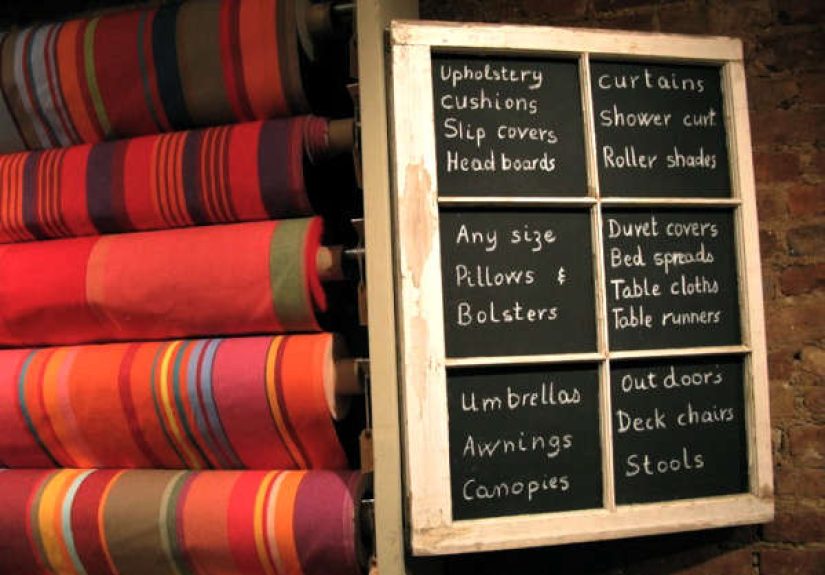
To really understand the pull of sunny striped fabrics from France, imagine encountering them not on a screen but in person. You step into a shop on a warm afternoon, and the bolts of fabric are stacked like vertical slices of summer. One stripe looks like ripe peaches and cream. Another feels like shutters opening over a blue harbor. Another has red, gold, and cream bands that somehow manage to look both old-world and fresh, as if a farmhouse table and a seaside café had a very stylish child.
You run your hand across the cloth and notice the difference immediately. It is not flimsy. It has body. The weave feels purposeful, as though it expects to be used rather than admired from a safe emotional distance. Suddenly, you are not just choosing fabric. You are picturing a whole way of living. Breakfast under a window with coffee and jam. A long lunch that accidentally becomes dinner. A porch cushion faded slightly by real sunlight, which only makes it look better. A striped tablecloth fluttering just enough to prove there is a breeze.
That is the experiential genius of these fabrics: they encourage scenes. They invite rituals. Even one small piece can change the emotional temperature of a room. A pillow on a neutral chair says the room is awake now. A striped runner on a plain table says dinner can be simple and still feel special. A café curtain says the kitchen has personality and maybe opinions.
There is also a kind of confidence in French stripes that people respond to. They do not apologize for color, but they do not overdo it either. They understand proportion. They know when to repeat, when to pause, and when to let a creamy background do part of the work. Living with them feels easy because they are structured. They bring energy without visual noise. That makes them especially satisfying in homes that want charm without clutter.
Over time, these fabrics become part of memory. You stop thinking of them as “the striped cushions” and start thinking of them as the backdrop to summer breakfasts, birthday lunches, spontaneous guests, and quiet evenings when the windows are open and the room catches the last gold light of the day. They age into the house rather than sitting on top of it.
That may be why people return to them again and again. Sunny striped fabrics from France are not only decorative choices. They are mood-setting tools. They help ordinary domestic life feel slightly more cinematic, but in a believable way. Not movie-set glamorous. Better. Lived-in glamorous. The kind where the bread is still warm, the chair is actually comfortable, and the room looks like it understands the value of a slow afternoon.
Conclusion
Sunny striped fabrics from France offer more than a pretty pattern. They bring together craft, color, practicality, and atmosphere in one beautifully useful package. From the printed heritage of Provence to the woven traditions of the Basque and Catalan south, these textiles carry a distinctly regional warmth that translates effortlessly into modern interiors. They can brighten a kitchen, sharpen a porch, soften a bedroom, or revive a tired dining nook without losing their sense of history.
If you are looking for a textile that feels fresh, timeless, and joyfully unfussy, French stripes are a smart place to start. They know how to catch the light, flatter a room, and make everyday life look just a little more delicious.