Table of Contents >> Show >> Hide
- What Is Lymph Massage, Exactly?
- Does Lymph Massage Cause Weight Loss?
- What Lymph Massage Can Actually Do
- What Science Says About Lymph Massage and Weight Loss
- Lymph Massage vs. Real Fat Loss
- Who Might Benefit Most?
- Who Should Be Careful or Skip It?
- Can Lymph Massage Be Part of a Weight-Loss Plan?
- How to Try Lymph Massage Safely
- Experiences Related to Lymph Massage for Weight Loss: What People Often Notice
- The Bottom Line
If you have spent more than six minutes on wellness TikTok, Instagram, or the modern internet’s favorite hobbypromising miracle fixes before breakfastyou have probably seen someone praise lymph massage for weight loss. The claims are usually shiny: less bloat, more definition, flatter stomach, “detox,” and maybe even a smaller number on the scale by dinner. It all sounds very appealing, especially if your jeans are feeling dramatic.
But does lymphatic drainage massage actually help you lose weight? The honest answer is: not in the way most people hope. Lymph massage can reduce swelling, move excess fluid, and temporarily make you look or feel less puffy. What it does not do is burn body fat or replace the boring-but-effective classics like a calorie deficit, regular movement, better sleep, and consistent eating habits.
That does not mean lymph massage is useless. Far from it. In the right context, it can be genuinely helpful. It has an established role in managing lymphedema, may support recovery in some medically appropriate situations, and can offer temporary relief from fluid retention or heaviness. The trick is knowing what it can do, what it cannot do, and when the marketing gets a little too enthusiastic.
What Is Lymph Massage, Exactly?
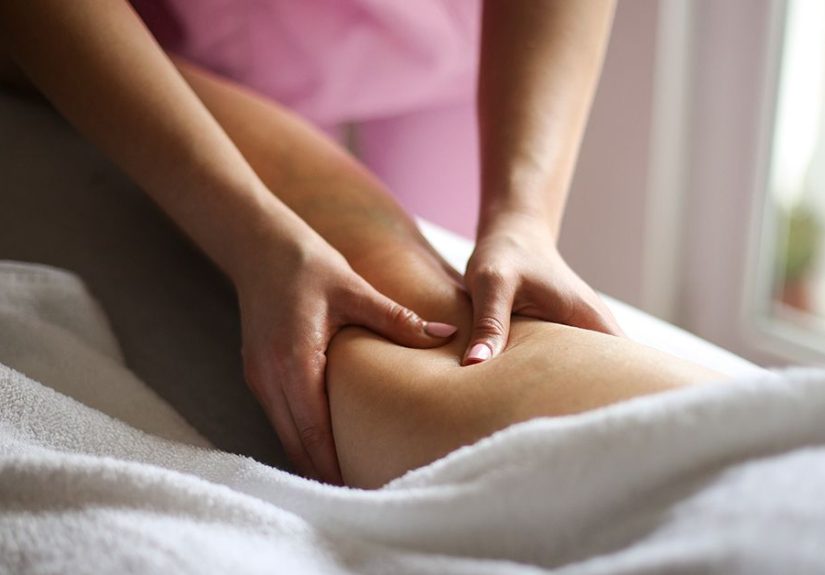
Lymph massage, often called manual lymphatic drainage (MLD), is a very gentle massage technique designed to encourage the movement of lymph fluid through the body. Lymph is a clear fluid that helps with immune function and fluid balance. Your lymphatic system includes lymph vessels, lymph nodes, and other tissues that help move excess fluid away from tissues and back into circulation.
Unlike deep tissue massage, lymph massage is not meant to dig into your muscles like it is searching for buried treasure. It uses light, rhythmic, skin-level pressure because the lymphatic vessels sit close to the surface of the skin. The goal is to direct fluid from congested areas toward regions where the lymphatic system is functioning better.
In medical settings, lymphatic drainage is most often used as part of a broader treatment plan for lymphedema, a condition in which lymph fluid builds up and causes swelling. It may also be used in certain recovery programs under professional guidance. That is very different from the way it is often marketed online as a one-session shortcut to a snatched waistline.
Does Lymph Massage Cause Weight Loss?
The short answer
No, lymph massage does not directly cause fat loss. It does not increase calorie burn enough to matter, it does not shrink fat cells, and it does not change the basic biology of body weight regulation. If your goal is to lose body fat, lymph massage is not the star player. At best, it is a supporting cast member wearing comfortable shoes.
Why people think it works
The confusion comes from the fact that lymph massage can change how your body looks and feels in the short term. If you are retaining fluid, feeling puffy, or dealing with mild swelling, moving that fluid can create a slimmer appearance. Your rings may fit better. Your face may look less puffy. Your waist may feel less bloated. You may even see a small drop on the scale if extra fluid shifts.
But that change is mostly about water and swelling, not fat loss. Think of it this way: if you squeeze water out of a sponge, the sponge gets smaller for a while. That does not mean the sponge went on a diet.
What the scale is really saying
When people say they “lost weight” after a lymphatic massage, they are often talking about one of two things: less retained fluid or less visible swelling. That can absolutely feel encouraging, and in some cases it is medically meaningful. But it is not the same as reducing body fat over time.
True fat loss usually happens when you consistently create an energy deficit through nutrition, activity, and sustainable lifestyle habits. Lymph massage does not replace that process. It may make you feel lighter; it does not turn your body into a calorie-burning bonfire.
What Lymph Massage Can Actually Do
Here is where manual lymphatic drainage deserves some credit. When used appropriately, it may help in several ways:
1. Reduce swelling
This is the best-supported benefit. Lymph massage is commonly used to help reduce swelling in people with lymphedema or in those whose lymphatic flow has been disrupted by surgery, cancer treatment, or other medical issues.
2. Improve comfort
People with fluid buildup often report less heaviness, tightness, or discomfort after treatment. If your body feels like it is wearing an invisible puffer jacket, this kind of relief can be a big deal.
3. Decrease temporary puffiness
Even in people without diagnosed lymphedema, a gentle lymphatic massage may temporarily reduce facial puffiness or that overall “I ate salty takeout and now I regret everything” feeling. This is one reason the technique has become popular in the beauty and wellness world.
4. Support relaxation
Because the touch is gentle and rhythmic, some people find lymph massage calming. And while relaxation is not the same thing as fat loss, lower stress can make healthy habits easier to maintain. Nobody makes their best dinner choices while rage-eating crackers over the sink.
What Science Says About Lymph Massage and Weight Loss
The evidence for lymphatic drainage massage benefits is strongest in medical care for swelling disorders, particularly lymphedema. Studies and clinical guidance support its role as part of comprehensive lymphedema management, often along with compression, exercise, and skin care.
What science does not support is the claim that lymph massage is an evidence-based tool for significant weight loss in otherwise healthy people. There is no solid body of research showing that manual lymphatic drainage meaningfully reduces body fat, changes metabolism, or leads to lasting weight reduction on its own.
That is why so many reputable medical organizations draw the same line: MLD is useful for swelling, not a magic fat-loss treatment. If there is visible slimming after a session, it is more likely due to fluid shifts than actual loss of body fat.
Lymph Massage vs. Real Fat Loss
To understand why this distinction matters, it helps to compare the two:
Fluid loss
Fluid changes can happen quickly. They may show up overnight after a salty meal, during hormonal shifts, after travel, or when the lymphatic system is not moving fluid efficiently. A massage may reduce some of that temporary retention, so you look less swollen and feel more comfortable.
Fat loss
Fat loss is slower and more boringwhich is rude, frankly, but true. It happens gradually through consistent habits that help your body use more energy than it takes in over time. This usually involves eating patterns you can stick with, regular movement, and realistic expectations.
If lymph massage helps you feel better in your body, that may indirectly support your goals. Maybe you feel less uncomfortable during workouts. Maybe reduced swelling makes walking easier. Maybe the self-care ritual helps you stay motivated. Those are real benefits. But they are indirect. The massage itself is not melting fat like candle wax.
Who Might Benefit Most?
Lymph massage may be most helpful for people who:
- Have lymphedema or are at risk for it after certain medical treatments
- Are dealing with medically evaluated swelling or fluid retention
- Feel heaviness, tightness, or puffiness related to lymphatic congestion
- Want temporary cosmetic relief from puffiness and understand the effect is short-term
- Are using it as one small part of a broader wellness or recovery plan
For these groups, the question is not really “Does lymph massage burn fat?” It is more like “Can this help me manage swelling, feel more comfortable, and move through my day more easily?” That is a much more realistic question, and often a more useful one.
Who Should Be Careful or Skip It?
Lymph massage is not for everyone. Because it moves fluid through the body, there are situations where it can be unsafe or inappropriate. You should talk with a healthcare professional before trying it if you have a history of blood clots, deep vein thrombosis, active infection, cellulitis, certain heart conditions, kidney problems, or cancer-related concerns.
If you have diagnosed lymphedema or suspect a lymphatic problem, do not rely on random internet tutorials and a very confident person holding a jade roller. A trained clinician or certified lymphedema therapist can help determine whether MLD is appropriate and how it should be performed.
Can Lymph Massage Be Part of a Weight-Loss Plan?
Yesbut with realistic expectations.
If you enjoy lymph massage, it can fit into a healthy routine the same way stretching, walking, meal prep, or better sleep can. It may help you feel less bloated, more comfortable, and more connected to your body. That matters. Sustainable weight management is not only about math; it is also about behavior, consistency, and whether your body feels manageable enough to keep going.
Still, it should be viewed as a supportive tool, not a primary strategy. A solid weight-loss plan still centers on:
- A realistic calorie deficit when appropriate
- High-quality nutrition with enough protein and fiber
- Regular physical activity
- Adequate sleep
- Stress management
- Medical support when needed
In that lineup, lymph massage is more like the helpful friend who brings snacks and emotional support. Nice to have. Not the one paying your rent.
How to Try Lymph Massage Safely
Choose the right provider
If you are seeking lymphatic drainage for swelling or a medical issue, look for a professional with appropriate training, especially a certified lymphedema therapist. Technique matters because MLD is specific, gentle, and not the same thing as standard spa massage.
Keep expectations grounded
Go in expecting temporary relief from puffiness or discomfort, not a dramatic body transformation. If your expectations are “I would like to feel less swollen,” you are in reasonable territory. If your expectations are “I would like my abdomen to file for bankruptcy by Friday,” you may be disappointed.
Pay attention to how you feel
After a session, some people notice less tightness, easier movement, or a lighter feeling. Others mainly notice relaxation. But if you feel unwell, dizzy, or develop worsening swelling or pain, it is time to stop and check in with a medical professional.
Experiences Related to Lymph Massage for Weight Loss: What People Often Notice
One reason this topic keeps trending is that the experience of lymph massage can be persuasive. Many people walk out of a session saying they feel lighter, less swollen, and more comfortable in their clothes. For someone who has been feeling puffy, that can feel dramatic. Your jawline seems sharper. Your stomach feels flatter. Your socks stop leaving angry little rings around your ankles. These changes are real experiences, and they can be meaningful. The problem is that people often label them as “weight loss” when they are more accurately changes in fluid balance and visible swelling.
Some people describe the session itself as surprisingly gentle. They expect a deep, intense massage and instead get soft, rhythmic strokes that barely seem forceful enough to fold a napkin. Then, later, they notice they feel less heavy or tight. Others say they feel sleepy, calm, or oddly refreshed, like their body got a software update without asking permission first.
People who are dealing with travel bloating, post-salt-meal puffiness, or mild water retention often report that they look a bit more defined for a short time after treatment. This can be especially noticeable in the face, legs, or midsection. That temporary cosmetic payoff is one reason the treatment gets linked to body-slimming language online. It is easy to see why someone would think, “Wow, I lost weight,” when what really happened is, “Wow, I am less puffy than I was three hours ago.”
There are also people who feel disappointed because they expected fat loss and got… less bloating. Which, to be fair, is not nothing. But it is not the same as a long-term change in body composition. If someone books repeated sessions expecting their body fat percentage to drop without changing anything else, they may end up frustrated, lighter in the wallet, and still very much in possession of their original fat cells.
For people with lymphedema or medically related swelling, the experience can be more substantial. Relief may mean improved comfort, easier movement, less heaviness, and better day-to-day function. In that context, lymph massage is not a trendy beauty treatment. It is part of legitimate symptom management. That distinction matters.
The most helpful way to interpret these experiences is to ask: What changed? Did body fat decrease, or did swelling and fluid retention improve? Did the massage itself create weight loss, or did it simply help the body feel less congested? Once you make that distinction, the whole topic becomes much less mysterious and much more useful.
The Bottom Line
Lymph massage for weight loss does not work as a true fat-loss method. It can reduce swelling, improve comfort, and temporarily make you look slimmer if water retention or puffiness is part of the picture. For some peopleespecially those with lymphedema or medically related swellingthat can be a meaningful benefit.
But if your goal is lasting weight loss, lymph massage is not the engine. It is, at most, a sidekick. Helpful? Sometimes. Relaxing? Often. A replacement for nutrition, movement, sleep, and consistency? Absolutely not.
So, yes, lymph massage may help you feel lighter. Just do not confuse “less puffy today” with “less body fat over time.” Your lymphatic system deserves respect. Your expectations do too.