Table of Contents >> Show >> Hide
- What Is Maple Syrup?
- Maple Syrup Nutrition Facts
- Is Maple Syrup Healthier Than Sugar?
- Potential Health Benefits of Maple Syrup
- The Downsides: Why Maple Syrup Still Needs Limits
- Maple Syrup Grades: Which One Is Healthiest?
- How Much Maple Syrup Is Reasonable?
- Smart Ways to Use Maple Syrup
- Who Should Be More Careful With Maple Syrup?
- Is Maple Syrup Good for Weight Management?
- Maple Syrup in Cooking: Better Than Just Pancakes
- Real-Life Experiences With Maple Syrup: What It Feels Like to Use It Wisely
- Final Verdict: How Healthy Is Maple Syrup?
Maple syrup has excellent public relations. It comes from trees, looks gorgeous in a glass bottle, smells like a cozy cabin, and makes pancakes feel like they put on a sweater. Compared with plain white sugar, it sounds almost noble. But here is the sticky truth: maple syrup can be a better choice than many refined sweeteners in some ways, yet it is still a concentrated source of sugar. In other words, it is not a villain, but it is definitely not a multivitamin wearing a flannel shirt.
So, how healthy is maple syrup? The most honest answer is: healthier than ordinary table sugar in small nutritional ways, but only when used in moderation. Pure maple syrup contains small amounts of minerals and plant compounds, including manganese, riboflavin, zinc, calcium, and antioxidants. It also has a distinct flavor, which may help people use less sweetener overall. However, most of its calories still come from sugar, and the body does not give it a golden trophy just because it came from a tree.
This guide breaks down maple syrup nutrition, benefits, drawbacks, serving sizes, and smart ways to enjoy it without turning breakfast into dessert with a fork.
What Is Maple Syrup?
Pure maple syrup is made from the sap of maple trees, most commonly sugar maple trees. During late winter and early spring, farmers collect sap and boil it down until much of the water evaporates, leaving behind a thick, amber syrup with concentrated sweetness and flavor. Nothing about that process requires artificial color, corn syrup, or pancake-mix mystery science. Pure maple syrup should contain one ingredient: maple syrup.
That matters because “maple-flavored syrup” is not the same thing. Many pancake syrups are made mostly from corn syrup or high-fructose corn syrup, with maple flavoring and coloring added. They may be cheaper and sweeter, but nutritionally they are usually closer to liquid candy than to a traditional maple product.
Pure Maple Syrup vs. Pancake Syrup
If the label says “100% pure maple syrup,” you are getting syrup made from maple sap. If it says “maple flavored,” “breakfast syrup,” or simply “pancake syrup,” check the ingredient list. You may find corn syrup, preservatives, caramel color, artificial flavors, or a tiny cameo appearance by actual maple. It is the syrup equivalent of a movie trailer where the best actor appears for three seconds.
From a health perspective, pure maple syrup has a slight edge because it contains naturally occurring minerals and plant compounds. But both pure maple syrup and pancake syrup contribute added sugars. The difference is quality, flavor, and minor nutrientsnot permission to pour freely.
Maple Syrup Nutrition Facts
A tablespoon of maple syrup contains roughly 50 to 55 calories and about 13 grams of sugar. A quarter cup, which is easy to reach when pancakes are involved and self-control has left the building, contains about 200 calories and more than 50 grams of sugar. That is already around the full Daily Value for added sugars on a 2,000-calorie diet.
Maple syrup has no fat, almost no protein, and no fiber. Its main nutritional contribution is carbohydrate in the form of sugar. However, unlike white sugar, it also provides trace minerals. Manganese is the standout mineral, and maple syrup also contains smaller amounts of riboflavin, zinc, calcium, magnesium, and potassium.
The Nutrients Maple Syrup Does Provide
Maple syrup’s mineral content is real, but context is everything. Yes, it contains manganese. Yes, it contains antioxidants. No, that does not mean a stack of waffles is now a wellness retreat. You can get minerals from vegetables, nuts, seeds, legumes, whole grains, and dairy foods without consuming spoonfuls of sugar at the same time.
The best way to think about maple syrup is as a flavorful sweetener with a few nutritional bonuses. It is not empty in the same way refined sugar is empty, but it is still mostly sugar. That is the key difference between “slightly better” and “healthy enough to chug.” Please do not chug maple syrup. Your pancakes would be worried.
Is Maple Syrup Healthier Than Sugar?
Compared with white table sugar, maple syrup has several advantages. It contains minerals, antioxidants, and a more complex flavor. It may also have a slightly lower glycemic index than table sugar, meaning it could raise blood sugar somewhat more slowly for some people. But that does not make it a low-sugar or blood-sugar-friendly food.
Table sugar is sucrose. Maple syrup is also mostly sucrose, with water and small amounts of other compounds. The body still breaks it down into simple sugars. If you eat a large amount, it can still affect blood glucose, calorie intake, dental health, and overall added sugar consumption.
So yes, maple syrup is generally a better sweetener than refined white sugar if you are choosing based on flavor and small amounts of nutrients. But the healthiest move is not simply replacing sugar with maple syrup spoon-for-spoon. The better strategy is using a smaller amount of a more flavorful sweetener.
Potential Health Benefits of Maple Syrup
1. It Contains Antioxidants
Pure maple syrup contains plant compounds, including phenolic compounds, that act as antioxidants. Antioxidants help protect cells from oxidative stress, which is involved in many chronic disease processes. That sounds impressive, and it is worth noting. But maple syrup is not the antioxidant champion of your kitchen. Berries, leafy greens, beans, herbs, spices, and colorful vegetables bring far more nutritional value with less sugar.
Think of maple syrup’s antioxidants as a nice little bonus, like finding an extra fry at the bottom of the bag. Pleasant? Absolutely. A complete meal? Not even close.
2. It Offers Minerals That Refined Sugar Lacks
White sugar provides calories and sweetness, but essentially no vitamins or minerals. Maple syrup provides small amounts of several minerals and can be especially high in manganese depending on serving size. Manganese supports normal metabolism and antioxidant enzyme function, while riboflavin helps the body use energy from food.
Still, the serving-size issue matters. To get meaningful amounts of some nutrients from maple syrup, you would also take in a meaningful amount of sugar. That is why maple syrup should not be treated as a mineral supplement. It is a sweetener with benefits, not a health food with a syrup problem.
3. Strong Flavor May Help You Use Less
Maple syrup has a bold, distinctive flavor. This is one of its biggest practical advantages. A teaspoon stirred into plain yogurt, oatmeal, roasted carrots, or a vinaigrette can taste more satisfying than a larger amount of plain sugar. When used thoughtfully, maple syrup can help people reduce total added sugar while still enjoying sweetness.
Darker maple syrups, such as Dark Robust or Very Dark Strong, have a more intense flavor. These grades can be especially useful in cooking because a little goes a long way. If your goal is to use less sugar without making food taste like cardboard’s sad cousin, stronger maple syrup can help.
The Downsides: Why Maple Syrup Still Needs Limits
1. It Counts as Added Sugar
Health authorities classify syrups, including maple syrup, as added sugars when they are used to sweeten foods. Added sugars are not automatically “bad,” but too much can crowd out nutrient-dense foods and make it harder to maintain a balanced diet.
The FDA uses 50 grams per day as the Daily Value for added sugars on a 2,000-calorie diet. The American Heart Association recommends even lower daily limits: about 25 grams for most women and 36 grams for most men. One generous pancake breakfast can get surprisingly close to those numbers before lunch has even had a chance to introduce itself.
2. It Can Raise Blood Sugar
Maple syrup is mostly sugar, so it can raise blood glucose. People with diabetes, insulin resistance, or blood sugar concerns should treat maple syrup like other caloric sweeteners and count it as part of total carbohydrate intake. It may be slightly different from white sugar, but it is not magically invisible to your metabolism.
Pairing maple syrup with protein, fiber, and healthy fats can help slow digestion. For example, a drizzle over plain Greek yogurt with walnuts and berries is usually a better choice than pouring it heavily over refined-flour pancakes with no protein in sight. Pancakes are delicious, but nutritionally they sometimes need adult supervision.
3. It Is Easy to Overpour
Maple syrup is liquid, and liquid sweeteners are famously sneaky. A tablespoon looks modest. A quarter cup looks like “just enough.” Suddenly, breakfast contains the sugar load of a small dessert. Measuring syrup at home for a few days can be eye-opening. Not forever, not obsessivelyjust long enough to learn what a tablespoon actually looks like.
A good trick is to pour syrup into a small dipping cup instead of directly onto food. Dip bites lightly, or drizzle with a spoon. You still get the flavor, but you avoid the pancake sponge effect, where syrup disappears into breakfast like it owes someone money.
Maple Syrup Grades: Which One Is Healthiest?
Maple syrup grades are mainly about color and flavor, not major nutrition differences. In the United States, Grade A maple syrup is typically grouped into Golden Delicate, Amber Rich, Dark Robust, and Very Dark Strong. Lighter syrups have a gentler taste, while darker syrups have a deeper, stronger maple flavor.
If you are choosing for health, the best grade is the one that helps you use the least while enjoying the most flavor. For many people, Dark Robust or Very Dark Strong works well in oatmeal, marinades, baked beans, glazes, and sauces because the flavor holds up. Golden or Amber syrup may be better when you want a delicate topping for pancakes, waffles, or yogurt.
How Much Maple Syrup Is Reasonable?
For most healthy adults, one to two teaspoons can be a smart serving when maple syrup is used as a daily sweetener in oatmeal, coffee, yogurt, or sauces. One tablespoon is reasonable for an occasional breakfast or recipe. Larger amounts are best treated as dessert territory.
Here is a simple way to think about it:
- 1 teaspoon: A light touch for yogurt, tea, or oatmeal.
- 1 tablespoon: A moderate serving for pancakes, waffles, or a recipe.
- 1/4 cup: A large serving that can contain around a day’s worth of added sugar.
Of course, nutrition is about patterns, not one dramatic Saturday morning breakfast. If most of your diet includes vegetables, fruits, whole grains, lean proteins, healthy fats, and minimally processed foods, a little maple syrup can fit comfortably. If maple syrup is joining sugary cereal, sweetened coffee, soda, candy, and dessert every day, it becomes part of a bigger added-sugar pileup.
Smart Ways to Use Maple Syrup
Use It Where Flavor Matters Most
Maple syrup shines in foods where its flavor is noticeable. Add a teaspoon to plain oatmeal with cinnamon. Whisk it into mustard and vinegar for a salad dressing. Use it in a glaze for salmon, tofu, carrots, Brussels sprouts, or sweet potatoes. Stir a little into unsweetened yogurt with berries. These uses give you maximum flavor impact without requiring a large amount.
Pair It With Fiber and Protein
Sweet foods are more satisfying when they are balanced. Instead of maple syrup on plain white toast, try it with whole-grain oats, chia seeds, nuts, or Greek yogurt. Instead of a syrup-heavy breakfast, add eggs, cottage cheese, nut butter, or tofu scramble on the side. The goal is not to ruin the fun. The goal is to keep breakfast from becoming a sugar rocket with a fork attached.
Choose Pure Maple Syrup
If you are going to use maple syrup, choose the real thing. Pure maple syrup has better flavor and a simpler ingredient list than most pancake syrups. Because the taste is stronger and more complex, you may feel satisfied with less. That is the sweetener version of buying one good sweater instead of five itchy ones you regret immediately.
Who Should Be More Careful With Maple Syrup?
People with diabetes, prediabetes, insulin resistance, high triglycerides, fatty liver disease, or dental health concerns may need to be more careful with maple syrup and other added sugars. Children also need smaller portions because their calorie needs are lower, and sweet habits can build quickly. Anyone following a medically prescribed diet should ask a registered dietitian or healthcare professional how maple syrup fits into their personal plan.
Maple syrup is also not recommended for infants under 12 months as a sweetener. While the botulism concern is most strongly associated with honey, babies do not need added sugars, syrups, or sweeteners in general. Their taste buds are perfectly happy discovering bananas, sweet potatoes, and the thrilling drama of mashed peas.
Is Maple Syrup Good for Weight Management?
Maple syrup can fit into a weight-conscious eating pattern, but it does not directly cause weight loss. It contains calories, and those calories can add up quickly. The best weight-management use of maple syrup is strategic: use a small amount to make nutrient-dense foods more enjoyable.
For example, if a teaspoon of maple syrup helps you enjoy plain oatmeal with nuts and fruit instead of eating a frosted pastry, that is a helpful trade. If maple syrup turns every breakfast into a syrup lake with pancake islands, it may work against your goals. No single food determines health, but repeated portions do.
Maple Syrup in Cooking: Better Than Just Pancakes
Maple syrup is more versatile than many people realize. Its caramel-like flavor works beautifully in savory dishes. A small amount can balance acidity in tomato sauce, round out spicy chili, or add depth to roasted vegetables. It pairs well with mustard, vinegar, soy sauce, cinnamon, ginger, garlic, and smoked paprika.
In baking, maple syrup can replace some granulated sugar, but it changes moisture and texture. Because it is liquid, recipes may need less other liquid. It also browns quickly, so baked goods may cook faster or darken more. For casual cooking, start small. For precise baking, follow a tested recipe unless you enjoy edible science experiments with unpredictable endings.
Real-Life Experiences With Maple Syrup: What It Feels Like to Use It Wisely
The easiest way to understand maple syrup is not through a nutrition label alone, but through how it behaves in real kitchens. Most people do not eat maple syrup by calculating manganese content at 7:30 in the morning. They eat it because oatmeal tastes lonely, pancakes look unfinished, or roasted carrots need a little sparkle. That is exactly why portion and purpose matter.
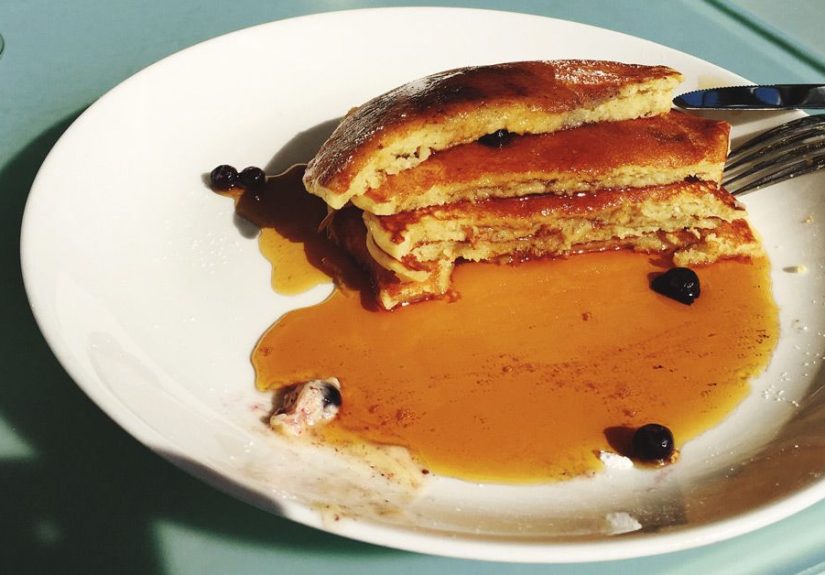
One practical experience many people have is the “pancake pour problem.” You start with a polite drizzle, then the syrup vanishes into the stack. So you pour again. Then one corner looks dry, which is obviously a breakfast emergency. Before long, the plate is glossy enough to reflect your life choices. A simple fix is to warm one tablespoon of maple syrup and drizzle it slowly. Warm syrup spreads better, smells stronger, and makes a smaller amount feel more generous.
Another useful experience comes from switching from flavored yogurt to plain yogurt with a small amount of maple syrup. Many flavored yogurts contain added sugars that are already mixed in, so you cannot control the amount. With plain yogurt, berries, and a teaspoon or two of maple syrup, you decide the sweetness level. The result tastes fresher, and the maple flavor feels intentional rather than hidden.
Maple syrup also helps in family cooking because it can make healthy foods more welcoming. A tiny drizzle on roasted Brussels sprouts, squash, carrots, or sweet potatoes can turn “Do I have to eat this?” into “Wait, is there more?” That does not mean vegetables need sugar to be good. It means a small flavor bridge can help people enjoy foods they might otherwise avoid.
For coffee and tea drinkers, maple syrup can be charming but dangerous. Because it dissolves easily, it is tempting to add more than planned. Start with half a teaspoon, stir, and taste before adding more. Maple has a stronger personality than plain sugar, so you may need less than expected. Your mug should taste gently sweet, not like a pancake is trying to become a beverage.
The best personal rule is to use maple syrup where it truly improves the food. If you cannot taste the maple, you may be wasting both sugar and money. Use it in foods where the flavor shines: oatmeal, yogurt, roasted vegetables, vinaigrettes, marinades, and occasional pancakes. Skip it where sweetness is already high. Maple syrup is at its healthiest when it is treated like a finishing touch, not a main ingredient.
Final Verdict: How Healthy Is Maple Syrup?
Maple syrup is one of the better sweeteners, but it is still a sweetener. It contains more minerals and antioxidants than white sugar, has a rich natural flavor, and can make healthy foods more enjoyable. Used in small amounts, it can absolutely fit into a balanced diet.
But maple syrup is not a health food in the same category as fruit, vegetables, beans, nuts, or whole grains. It is mostly sugar, and too much added sugarno matter how natural, organic, local, artisanal, or photogeniccan create health problems over time.
The healthiest way to enjoy maple syrup is simple: choose pure maple syrup, use a small amount, pair it with nutrient-rich foods, and let its big flavor do the heavy lifting. Your pancakes can still have joy. They just do not need to go swimming.
Note: This article is for general nutrition education only and should not replace personalized medical advice. People with diabetes, blood sugar concerns, or specific dietary needs should consult a qualified healthcare professional or registered dietitian.