Table of Contents >> Show >> Hide
Sadness has terrible timing. It shows up during staff meetings, on birthdays, in the cereal aisle, and sometimes right when you were finally starting to believe you had your life together. It does not send a calendar invite. It does not politely remove its shoes at the door. It barges in like a dramatic houseguest, eats all the emotional snacks, and then somehow becomes the only thing you can hear.
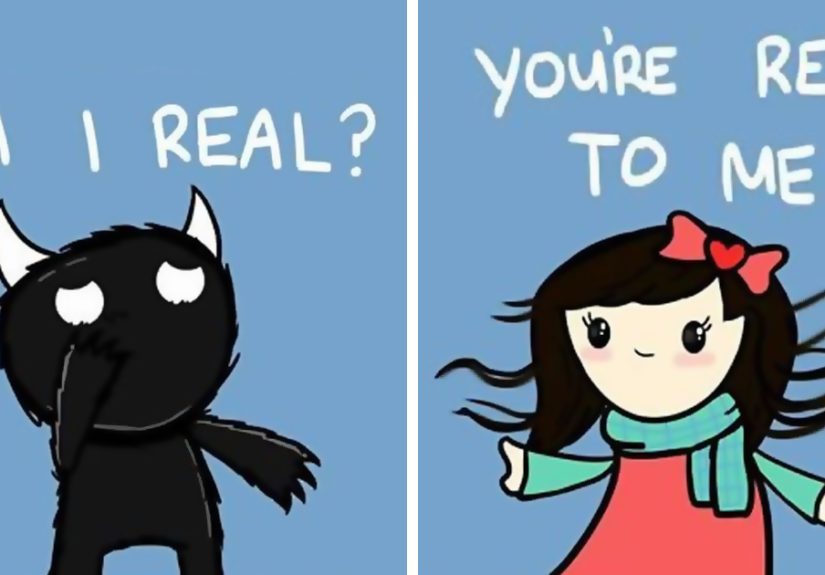
That is why so many of us treat sadness like a monster. We picture it as something ugly, heavy, and a little rude. It steals color from the day. It makes a five-minute task feel like climbing a mountain in wet socks. It whispers that you are behind, broken, weak, or weird. In that form, sadness feels like an enemy.
And yet, here is the twist no one loves at first: sadness can also be a savior. Not because it feels good. It does not. Not because pain is magical. It is not. But because sadness often tells the truth long before our busy minds are willing to hear it. It points to loss. It reveals disappointment. It exposes burnout. It uncovers loneliness. It drags hidden needs into the light and says, “Hey, this matters. Please stop pretending it does not.”
That is the strange genius of sadness. It can be both the shadow in the hallway and the flashlight. Both the villain in the story and the one rude friend who finally says what everyone else was too polite to mention. If you have ever felt like sadness was ruining your life while somehow also trying to save it, congratulations: you are a human being.
Why Sadness Feels Like a Monster
Sadness feels monstrous because it slows everything down in a culture that worships speed. We live in a world that loves productivity, glow-ups, five-step fixes, and inspirational advice served with a side of hustle. Sadness walks into that world and says, “Actually, we are going to sit here for a minute.” Naturally, nobody throws it a parade.
Part of the discomfort comes from how sadness changes our inner weather. Thoughts get foggy. Motivation drops. Little tasks suddenly feel enormous. The brain starts narrating everything like a low-budget documentary called Why Even Bother? You may sleep too much, sleep too little, talk less, withdraw more, or become oddly fascinated with staring at the ceiling. Sadness can make your body feel heavy and your mind feel loud at the exact same time, which is a deeply annoying combo.
It also frightens us because it threatens our identity. When you are used to being the funny one, the dependable one, the high achiever, or the person who always says, “I’m good,” sadness can feel like a hostile takeover. Suddenly you are not performing your normal self. You are grieving, doubting, slowing down, or needing help. The ego hates that. The nervous system does not love it either.
But sadness is not always proof that something is wrong with you. Often, it is proof that something meaningful happened to you. You lost something. You wanted something deeply. You hit a limit. You cared. A monster? Maybe. A messenger? Also yes.
Normal Sadness vs. Something More Serious
Here is where honesty matters. Sadness is a normal human emotion. Depression is a medical condition. Those two things can overlap in how they feel, but they are not the same.
When sadness is part of being alive
Normal sadness often rises in response to disappointment, conflict, change, grief, rejection, stress, or plain old exhaustion. It can be intense, but it tends to shift. It may come in waves. You might still laugh at a joke, enjoy a good meal, or feel a little lighter after sleep, exercise, fresh air, prayer, journaling, music, or a solid conversation with someone who actually listens instead of turning everything into a TED Talk.
When low mood may need professional support
If sadness becomes persistent, lasts most of the day for two weeks or more, or starts interfering with school, work, relationships, sleep, appetite, concentration, or your ability to function, it may be more than a passing emotional storm. If it comes with emptiness, hopelessness, loss of interest in things you usually enjoy, unusual irritability, or feeling stuck in a cycle you cannot shake, it is a good idea to talk with a licensed mental health professional or a healthcare provider.
If emotional pain ever turns into thoughts of harming yourself or feeling like you are not safe, seek immediate help right away. In the United States, you can call or text 988 for crisis support. Asking for help is not dramatic. It is brave and practical, like using an umbrella in a thunderstorm instead of insisting you are “just being resilient” while getting soaked.
What Sadness Is Usually Trying to Say
Sadness rarely arrives empty-handed. It almost always brings information. Sometimes that information is obvious: you miss someone, you lost something, your heart got bruised, your plans fell apart, or life has been punching like it trained for this. Other times the message is quieter.
You have been running too hard for too long
One common message inside sadness is simple exhaustion. When people are overworked, underslept, overstimulated, emotionally overextended, and spiritually underfed, sadness can show up like a strict manager conducting an unplanned performance review. It is not saying you failed. It is saying your system needs recovery.
You are disconnected
Sadness often grows in isolation. Not just physical isolation, but emotional isolation too. You can be surrounded by people and still feel unknown. You can be “connected” to everyone online and still feel like nobody sees the real you. Sadness may be pointing toward a need for closeness, honesty, and support.
You are betraying yourself somewhere
Another hard truth: sometimes sadness is what happens when your outer life and inner life stop matching. You keep saying yes when you mean no. You keep chasing goals you do not even like anymore. You laugh at things that hurt. You stay in places that shrink you. In moments like that, sadness is not weakness. It is protest.
You loved something, and it mattered
Grief is the most obvious example. The bigger the love, the bigger the ache. Sadness in grief does not mean you are doing life badly. It means attachment was real. That is painful, yes, but it is also evidence of a life that was not emotionally asleep.
How Sadness Can Become a Savior
This is the part people usually resist, mostly because nobody wants to thank the emotional creature currently sitting on their chest. But sadness can save you in several important ways.
It forces truth to the surface
Sadness is bad at pretending. It breaks through polished routines and fake smiles. It interrupts denial. It exposes the cracks in the system. If you have been lying to yourself about your stress, your loneliness, your grief, your job, your relationship, or your need for help, sadness tends to knock over the decorations and reveal the wiring underneath.
It slows you down before life does it for you
Many people keep pushing until their body, mind, or relationships revolt. Sadness can be an early warning sign. It asks you to pause, to rest, to reassess, to stop sprinting through pain with a motivational quote and a large iced coffee. In that sense, it can save you from deeper burnout.
It increases empathy
People who have made peace with sadness often become kinder. Not softer in a helpless way, but deeper. They listen differently. They judge less quickly. They recognize pain in others without trying to fix it in fifteen seconds. Sadness can carve out emotional space that pride never could.
It helps redefine what matters
After seasons of sadness, many people come back with sharper priorities. They care less about appearances and more about peace. Less about applause and more about honesty. Less about perfection and more about meaning. The monster ends up acting like a brutal editor, cutting out what is fake so something truer can remain.
How to Live With the Monster Without Letting It Run the House
There is a difference between listening to sadness and handing it the keys. Healthy coping is not about pretending everything is fine, and it is not about letting pain become your entire personality either. It is about making room for the feeling without building a throne for it.
Name it
Give the emotion a clear label. “I feel sad.” “I feel disappointed.” “I feel lonely.” “I feel ashamed.” Naming what is happening can reduce confusion and stop the spiral where every emotion turns into one giant blob called everything is terrible.
Move your body, even badly
You do not need a perfect fitness plan. A walk counts. Stretching counts. Dancing in the kitchen like a confused backup singer absolutely counts. Movement can help interrupt the frozen feeling sadness often creates.
Protect sleep and structure
Sadness loves chaos. Basic routines can be surprisingly powerful: getting out of bed, showering, eating regular meals, stepping outside, limiting late-night doomscrolling, and doing one small useful thing even when motivation is hiding under the couch.
Talk to someone trustworthy
You do not need a huge audience. One safe person can make a big difference. A friend, sibling, partner, faith leader, therapist, teacher, coach, or doctor can help you reality-check what you are carrying. Pain grows in secrecy. It becomes more workable when shared wisely.
Reduce emotional junk food
When people are sad, they often consume things that deepen the spiral: nonstop negative news, comparison-heavy social media, unhealthy coping habits, isolation, numbing behaviors, or the deeply cursed practice of rereading old messages for “clarity.” Sometimes the kindest move is reducing what keeps reopening the wound.
Get professional help when the sadness stops moving
There is no trophy for suffering alone. Therapy, counseling, support groups, and medical care exist because emotional pain is real and treatable. Getting help is not proof you are failing. It is proof you are participating in your own rescue.
When Sadness Wears a Costume
Not all sadness looks sad. Sometimes it wears anger. Sometimes it wears numbness. Sometimes it shows up as perfectionism, irritability, sarcasm, constant busyness, emotional eating, overworking, or a strange urge to reorganize your entire life at 1:13 a.m.
This matters because many people miss their sadness when it is disguised. They think they are just tired, just annoyed, just lazy, just dramatic, just “not themselves lately.” Meanwhile, sadness is standing in the corner wearing fake glasses and a trench coat like it is fooling anyone.
That is why self-awareness matters so much. Ask better questions. What happened before I started feeling this way? What am I avoiding? What am I grieving? What need has gone ignored? What keeps getting heavier? Questions like these do not magically erase pain, but they can turn a monster into something more understandable.
A 500-Word Reflection on Living With Sadness
I used to think sadness was the villain of my story. It always arrived when I had plans, confidence, momentum, or at least a decent hairstyle. It showed up on ordinary Tuesdays and turned them into emotional documentaries. It stole my appetite for noise. It made bright rooms feel dim and easy tasks feel strangely expensive. I hated it for that. I thought the goal was to outrun it, outwork it, or out-smile it.
So I did what a lot of people do. I stayed busy. I answered messages fast, volunteered too often, made jokes before anyone could ask how I was doing, and told myself that productivity was basically a personality. If I kept moving, I thought, sadness would get bored and leave. Instead, it got louder. It followed me into quiet moments. It waited for me in the car after long days. It sat beside me in the blue light of my phone screen at midnight and asked questions I did not want to answer.
At first, those questions felt cruel. Why are you so tired? Why are you pretending this does not hurt? Why do you keep calling survival “success”? Why are you surrounded by people and still lonely? I did not like the interrogation. But eventually I realized sadness was not trying to destroy me. It was trying to interrupt me. It was the only thing strong enough to stop the performance.
The turning point was not dramatic. There was no movie soundtrack. No wise stranger handed me a perfect sentence at a coffee shop. I just got honest. I admitted that I was grieving a version of life I thought I would have by now. I admitted that I was exhausted from being useful all the time. I admitted that some of my sadness came from loss, some from pressure, some from isolation, and some from ignoring my own limits like they were optional terms and conditions.
Once I admitted that, sadness changed shape. It was still uncomfortable, but it became less like a monster chasing me and more like a guide dragging me somewhere I needed to go. It led me toward rest. Toward better boundaries. Toward conversations that were awkward but necessary. Toward asking for help before I reached empty. Toward the humbling discovery that I did not need to be cheerful to be worthy of love.
I still do not enjoy sadness. Let us not get ridiculous. I do not light a candle and say, “Wonderful, the beast has returned.” But I respect it now. I know it can reveal what my happy, productive, high-functioning self tries to hide. It tells me where the ache is. It shows me what matters. It warns me when I am betraying myself for approval, comfort, speed, or image.
So yes, sadness has been my enemy. It has wrecked days, humbled plans, and made me sit with truths I would have preferred to postpone indefinitely. But it has also been a savior. It brought me back to myself. And sometimes the thing that ruins your illusion is the very thing that rescues your life.
Final Thoughts
Sadness is not a sign that you are doing life wrong. Sometimes it is the evidence that you are fully in it. It can feel like a monster because it disrupts, exposes, and aches. But it can also be a strange kind of mercy because it points toward what needs attention, comfort, change, healing, or help.
The goal is not to become a person who never feels sad. That person would probably also never love deeply, hope bravely, or care enough to be disappointed. The real goal is wiser: to recognize sadness, learn from it, care for yourself through it, and know when to ask for support.
When sadness knocks, you do not have to invite it to redecorate your whole life. But you also do not have to pretend nobody is at the door. Listen. Learn. Get help when needed. And remember that even your greatest enemy may be trying, awkwardly and inconveniently, to save you.