Table of Contents >> Show >> Hide
- Why a Contemporary House Needs a Little History
- The Secret Is Balance, Not Matching
- How to Mix Antiques Into a Modern House Without Making It Look Like a Museum
- The Best Antique Pieces for a Contemporary House
- Room-by-Room Ideas for Modern Love Style
- What Makes This Look Timeless Instead of Trendy
- of Experience: What It Feels Like to Live in a Contemporary House Updated with Antiques
- Conclusion
There is a special kind of magic that happens when a contemporary house loosens its collar and lets a few antiques move in. A clean-lined sofa suddenly looks smarter beside a weathered walnut chest. A sleek kitchen becomes more interesting when an old mirror, a stack of ironstone, or a time-softened runner wanders into the scene like it owns the place. And honestly, it kind of does. Antiques have that confidence. They have survived decades, trends, questionable wallpaper eras, and probably one relative who insisted on polishing everything within an inch of its life.
That is why the idea of a contemporary house updated with antiques feels so relevant right now. Homeowners are moving away from spaces that look overly staged and toward interiors that feel layered, personal, and lived in. The goal is no longer to make a room look as if it was installed in a single afternoon by a team carrying matching throw pillows. The goal is to create a home with soul. In design terms, that means mixing old and new with enough intention to feel curated, but enough ease to feel real.
This is the heart of modern love interior design: a contemporary house with antiques that feels warm, collected, and distinctly human. It is not about turning a new build into a fake historic mansion. It is not about stuffing every corner with carved mahogany and hoping for the best. It is about contrast, character, and the kind of beauty that only happens when polished modern architecture meets pieces with a past.
Why a Contemporary House Needs a Little History
Contemporary homes are often praised for their clarity. They offer open plans, strong light, honest materials, and fewer visual distractions. That is wonderful in theory. In practice, however, too much newness can make a house feel a bit like a luxury hotel lobby that forgot to ask anyone about their personality. Antiques fix that problem quickly.
An antique piece brings patina, craftsmanship, irregularity, and emotional depth. It interrupts perfection in the best possible way. A hand-carved console, a Regency mirror, a rustic farm table, or a pair of vintage brass lamps introduces texture that cannot be faked by mass-produced furniture pretending to be “distressed.” Real age has nuance. It has tiny dents, softened corners, deep grain, faded lacquer, and the visual richness that comes from actual use rather than a factory finishing trick.
Even better, antiques keep modern interiors from becoming too literal. If every item in a room is contemporary, the whole space can feel flat, as if it is committed to one sentence and refuses to elaborate. When old and new sit together, the room gains tension. That tension is what makes it memorable. A contemporary sofa beside an antique coffee table says the homeowner has opinions. A minimalist bedroom with an antique bench at the foot of the bed says the homeowner has taste. A powder room with a modern stone sink and a gilded mirror says, “Yes, I understand drama, but only in the decor.”
The Secret Is Balance, Not Matching
The most successful timeless interior design never looks perfectly matched. That is the whole point. A home that mixes antiques and modern decor should feel assembled over time, not purchased as a package deal with a free candle and a mildly aggressive sales pitch.
Balance starts with understanding visual weight. If your architecture is clean and crisp, a single ornate antique can become the room’s star. If the room already has heavy beams, dark floors, or textured walls, antique pieces should be chosen with more restraint so the space does not tip into costume territory. In other words, not every room needs to audition for a period drama.
Color is another balancing tool. Neutrals are often the perfect backdrop for antiques because they allow shape and patina to stand out. White walls, limestone floors, soft taupes, warm greiges, and muted plaster tones can make a carved chest or antique rug look even richer. But balance does not mean bland. A contemporary house updated with antiques can absolutely handle aubergine walls, moody olive paint, or deep blue lacquer if the overall composition still feels intentional.
How to Mix Antiques Into a Modern House Without Making It Look Like a Museum
1. Start with one anchor piece
If you are new to mixing antiques and modern decor, begin with one meaningful antique and let the room build around it. This could be a dining table, a tallboy chest, an armoire, an antique mirror, or a vintage rug. One strong piece gives the room history without overwhelming it. It also prevents the classic beginner mistake of panic-buying twelve “vintage-looking” objects and then wondering why the living room resembles an overexcited flea market.
2. Let modern pieces provide breathing room
Contemporary elements act like visual exhale. Clean-lined sofas, simple window treatments, minimal shelving, and modern lighting give antiques space to shine. This breathing room is essential. Antiques often have detail built into their silhouettes, finishes, or carving. If every surrounding piece is equally busy, the eye gets tired and the room loses clarity.
3. Mix eras, not just old and new
One of the smartest ways to make a home feel collected is to avoid staying loyal to a single period. A French mirror, an English chest, an Italian lamp, and a modern sectional can live happily together if they share something in common, such as proportion, tone, or mood. That layered mix feels more natural than a room filled only with one antique style, which can quickly veer into “gift shop attached to a historic property.”
4. Pay attention to scale
This step matters more than people think. Many antiques were made for smaller rooms and different ways of living. A delicate antique console may disappear in a large open-concept dining room unless it is paired with substantial art, larger lamps, or neighboring furniture that helps it read with enough presence. If a piece is beautiful but feels undersized, move it elsewhere. The answer is not always “buy bigger.” Sometimes the answer is simply “wrong room, darling.”
5. Refresh, do not erase
Antiques do not need to be frozen in time. Reupholstering an antique chair in a fresh linen, reframing older art, adding a modern lampshade to a vintage base, or placing a smaller antique rug over a large natural fiber rug can make old pieces feel current without stripping away their character. The best updates respect the silhouette and craftsmanship while giving the piece a second life.
6. Use antiques in flexible ways
A chest can become a bathroom vanity. A silver serving tray can organize perfumes or desk supplies. Vintage textiles can be turned into pillows, framed panels, or casual table accents. This kind of reinterpretation helps antiques feel useful in a contemporary house, which is important because beauty is great, but beauty that also stores extra towels is elite.
The Best Antique Pieces for a Contemporary House
Antique mirrors
These are almost impossible to get wrong. An antique mirror above a clean fireplace, in an entry hall, or over a modern vanity adds light, age, and glamour all at once. The contrast between reflective old glass and crisp contemporary surfaces is especially effective.
Brown wood furniture
Brown furniture has returned in a big way, and for good reason. Walnut, mahogany, cherry, burlwood, and oak all bring warmth that contemporary homes often need. A dark antique chest can ground a pale room. A well-made sideboard can soften a minimalist dining area. Layering wood tones instead of matching them exactly gives the house depth and authenticity.
Vintage and antique textiles
Textiles are the quickest path to warmth. Antique rugs, quilts, grain-sack pillows, embroidered linens, and time-softened throws make contemporary rooms feel less sterile. A modern bedroom becomes more inviting with a folded antique coverlet. A living room becomes more soulful with a faded rug that looks like it has already heard a few excellent stories.
Small art and decorative objects
Antique art, ceramics, books, and boxes are low-risk ways to begin. They add personality to mantels, shelves, and side tables without committing you to a major furniture purchase. The key is editing. A few wonderful objects with space around them will always look more elevated than fifty tiny trinkets crowded together in mutual confusion.
Room-by-Room Ideas for Modern Love Style
Living room
Start with a contemporary sofa in a quiet fabric, then add an antique coffee table, a pair of vintage side chairs, and layered lighting. A faded rug underfoot instantly softens the room. Finish with modern art and one antique mirror or cabinet. This combination keeps the space grounded, useful, and visually rich.
Kitchen
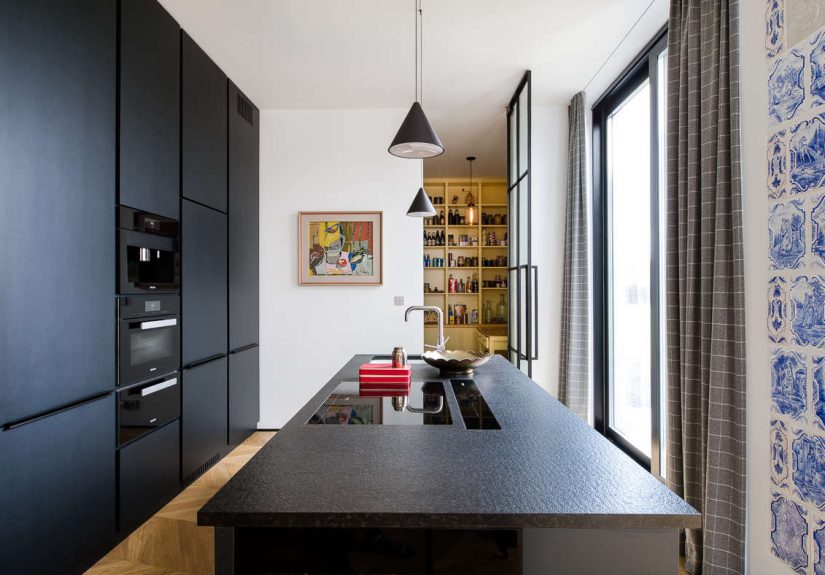
A contemporary kitchen can feel surprisingly warm with antique stools, a rustic farm table, old copper cookware, or a vintage hutch for display storage. If the cabinetry is streamlined, one antique wood piece can break up the uniformity and make the whole room feel less like a high-end appliance showroom.
Dining room
This is the easiest place to mix eras because dining spaces naturally benefit from contrast. A contemporary light fixture over an antique dining table is a classic pairing for a reason. Mix wood tones, use upholstered modern dining chairs if the table is visually heavy, and consider antique art or a vintage rug to add age under sleek architectural lines.
Bedroom
Bedrooms thrive on softness and sentiment. An antique chest, vintage bedside table, or upholstered bench can make a contemporary bedroom feel more intimate. Layer in antique textiles, framed vintage prints, or a decorative mirror to keep the mood relaxed rather than rigid.
Bathroom
Even a modern bathroom can benefit from old-world charm. An antique mirror above a floating vanity, a vintage stool beside a tub, or a repurposed cabinet for linens can make the room feel layered and luxurious. It is proof that even highly functional spaces deserve a little romance.
What Makes This Look Timeless Instead of Trendy
The reason this style endures is simple: it is rooted in contrast, craftsmanship, and individuality rather than trends alone. Contemporary design contributes calm, function, and clarity. Antiques contribute character, memory, and visual complexity. Together, they create rooms that look finished without looking overdone.
This approach is also practical. Investing in well-made older pieces can be more sustainable than endlessly replacing low-quality furniture. Antiques were built to last, and many have already proven that point for a century or more. A contemporary house updated with antiques is not just beautiful; it is often more thoughtful, more personal, and more resilient than a home built entirely around whatever is trending this season.
Most of all, this style feels human. It acknowledges that people are layered, homes are layered, and the most interesting interiors rarely come from a single period or a single shopping trip. They come from curiosity, restraint, memory, and a willingness to let a room develop over time.
of Experience: What It Feels Like to Live in a Contemporary House Updated with Antiques
Living in a contemporary house updated with antiques feels different from living in a home furnished entirely with new pieces. The difference is not just visual. It is emotional. A modern house on its own can feel efficient, beautiful, and crisp, but antiques introduce a kind of warmth that changes the daily experience of the space. The house begins to feel less like a product and more like a biography.
Morning is one of the best times to notice it. Early light hits an old mirror differently than it hits a brand-new one. It catches in the foxing, softens at the edges, and makes the room feel gently awake rather than sharply switched on. A worn oak table in the kitchen looks better with coffee cups on it than it ever would in a pristine showroom. A vintage runner in the hallway takes the traffic of daily life almost personally, as if it has been preparing for footsteps for decades.
There is also a subtle pleasure in using objects that have already lived other lives. Pulling open an antique drawer, sitting in a reupholstered chair, setting a book on a table with old nicks and polished cornersthese small moments give the house texture beyond style. They create a sense of continuity. Even if the architecture is new, the rooms feel connected to something older and steadier. That can be surprisingly comforting in a world that updates itself every five minutes and would absolutely redesign your living room by app notification if given the chance.
Guests respond to this kind of house differently too. In an all-new interior, people often admire the room. In a mixed-era interior, they start conversations. They ask where the mirror came from, whether the chest belonged to family, why the old rug looks so right with the modern sofa, or how a brass lamp can somehow make a minimal room feel richer. The house becomes less of a display and more of an experience. It invites curiosity.
Another lived-in benefit is flexibility. A contemporary house updated with antiques rarely feels finished in a rigid way, which means it can keep evolving. One antique cabinet can move from dining room to bedroom. A vintage textile can become a pillow, then a framed panel, then maybe the star of a guest room years later. The home grows more interesting as pieces shift and gather meaning. Nothing feels too precious to live with, but everything feels too meaningful to ignore.
Perhaps the biggest experience of all is that the house starts to reflect real life better. It feels polished, but not performative. Stylish, but not stiff. Personal, but not chaotic. The antiques add memory; the contemporary elements add ease. Together, they create a house that feels calm enough for ordinary routines and beautiful enough for special occasions. It is the kind of home where a weeknight dinner still feels elegant, where a quiet afternoon reads like a design magazine in motion, and where the rooms never seem to ask you to behave perfectly. They simply ask you to live well.
Conclusion
Modern love is not about choosing between old and new. It is about letting them improve each other. A contemporary house gains depth, warmth, and identity when antiques are introduced with care. The antiques look fresher against clean architecture. The modern pieces feel less cold beside history. And the homeowner gets the best reward of all: a home that feels stylish without trying too hard, layered without being cluttered, and timeless without being boring.
In the end, that is the true appeal of a contemporary house with antiques. It does not chase perfection. It creates presence. It proves that the most memorable rooms are often the ones where crisp modern lines and beautifully worn pieces decide to fall in love.