Table of Contents >> Show >> Hide
- What Are Crabs?
- How to Recognize Crabs: 12 Steps
- 1. Pay attention to intense itching in the pubic area
- 2. Check whether the itching is focused in coarse hair, not smooth skin
- 3. Use bright light and inspect the hair closely
- 4. Look for nits attached firmly to hair shafts
- 5. Watch for tiny moving insects
- 6. Notice dark specks on underwear or skin
- 7. Look for bite reactions, sores, or bluish spots
- 8. Check other coarse hair on the body
- 9. Compare the symptoms with common look-alikes
- 10. Think about recent close contact
- 11. Know when home inspection is not enough
- 12. If you find crabs, respond right away
- Common Mistakes People Make When Trying to Identify Crabs
- When to See a Doctor
- Conclusion
- Experiences Related to “How to Recognize Crabs: 12 Steps”
Note: In this article, “crabs” means pubic lice, not the kind that comes with drawn butter and a beach vacation. Unfortunately, these crabs are much less fun.
If you are dealing with unexplained itching, tiny specks in body hair, or the uneasy suspicion that something is crawling where absolutely nothing should be crawling, you are not alone. Pubic lice are common, treatable, and very good at ruining a perfectly normal day. The good news is that once you know what to look for, crabs are usually recognizable. The even better news is that they do not spread disease, though they can cause a lot of irritation, anxiety, and awkward mirror inspections.
This guide breaks down how to recognize crabs in 12 clear steps, including what pubic lice look like, where they hide, how they feel, what conditions they can mimic, and when it is time to see a doctor. If you are trying to tell the difference between pubic lice symptoms, razor burn, jock itch, or plain old skin irritation, this is the practical walkthrough you need.
What Are Crabs?
Crabs are tiny parasitic insects that live in coarse body hair, most commonly in the pubic area. They feed on human blood and usually spread through close physical contact, especially sexual contact. They can also show up in other coarse hair, including the armpits, chest, beard, mustache, eyebrows, and eyelashes.
They are not the same as head lice or body lice. They do not hop, they do not fly, and they do not come from pets. While they can occasionally spread through shared towels, sheets, or clothing, they are far more often passed through intimate skin-to-skin contact. That means recognizing them early matters, both for your comfort and for stopping the spread.
How to Recognize Crabs: 12 Steps
1. Pay attention to intense itching in the pubic area
The most common early clue is strong itching around the pubic hair. It may start suddenly, or it may appear days or even a couple of weeks after exposure. Some people describe it as a prickly, stubborn itch that does not fully go away after a shower. Others say it is the kind of itch that becomes impossible to ignore when they are sitting still, trying to sleep, or attempting to act normal in public.
Not every itch means pubic lice, of course. Sweat, shaving, friction, eczema, and fungal rashes can all irritate the groin. But if the itching is persistent and unexplained, crabs should be on the list of possible causes.
2. Check whether the itching is focused in coarse hair, not smooth skin
Crabs prefer coarse hair because that is where they cling, feed, and lay eggs. So the itching is usually centered in the pubic hair rather than evenly spread across smooth skin. In some cases, the irritation may also show up around the anus, in the underarms, on the chest, or in facial hair.
This detail matters because it helps separate pubic lice signs from other skin problems. A general rash that spreads widely over the groin folds may point more toward jock itch or irritation. Itching that seems tied to the hair-bearing areas is more suspicious for crabs.
3. Use bright light and inspect the hair closely
If you suspect pubic lice, do not rely on a quick glance. Use a bright bathroom light, a hand mirror, or even the flashlight on your phone. A magnifying mirror can help a lot. Crabs are small, and there may only be a few of them.
Look slowly at the base of the hair shafts. Pubic lice are broader and flatter than head lice, which is why they earned the nickname “crabs.” They are tiny, usually around the size of a pencil tip, so spotting them takes patience. This is not the moment for a two-second peek and a dramatic conclusion.
4. Look for nits attached firmly to hair shafts
One of the clearest clues is the presence of nits, or lice eggs. These are small oval specks that can look white, gray-white, yellowish, or pale in color. The important thing is that they stick tightly to the hair shaft.
That is what makes them different from lint, toilet paper bits, skin flakes, or dried soap residue. Debris brushes off. Nits do not. If a tiny oval speck seems glued to the hair and will not slide away easily, that is a strong sign you may be looking at pubic lice eggs.
5. Watch for tiny moving insects
Adult pubic lice may be visible if you look closely enough. They are tiny, crab-shaped, and often tan, grayish, or off-white. After feeding, they may appear darker. You may even notice slight movement along the hair.
This is one of the few times in life when seeing something move and immediately regretting your life choices is actually useful. A moving louse is a much stronger sign of active infestation than old nits alone.
6. Notice dark specks on underwear or skin
Crabs can leave behind small dark brown or black specks. These may show up on the skin, in underwear, or on bedding. They are essentially lice waste, which is unpleasant but medically useful when you are trying to identify the problem.
If you are seeing unexplained dark specks along with itching and attached nits, the pattern becomes more convincing. Pubic lice are small, but they are not exactly discreet roommates.
7. Look for bite reactions, sores, or bluish spots
Some people develop irritated skin from the bites themselves, and many develop scratch marks from the itching. You may see redness, raw spots, or small sores caused by repeated scratching. In some cases, there can also be faint bluish-gray spots on the thighs, buttocks, or lower abdomen. These are less common, but they can happen.
If scratching has broken the skin, there is also a risk of bacterial infection. That means the discomfort is no longer just annoying; it is becoming a reason to get medical care sooner rather than later.
8. Check other coarse hair on the body
Pubic lice do not always stay in one place. They can spread to the underarms, chest hair, beard, mustache, eyebrows, and eyelashes. If the itching is not limited to the pubic area, do a careful head-to-toe check of other coarse hair.
One important detail: lice found on the scalp are usually head lice, not pubic lice. So if the main problem is on the scalp, that points in a different direction. But if the issue is in the pubic region plus other coarse body hair, crabs become more likely.
9. Compare the symptoms with common look-alikes
A lot of conditions can mimic crabs at first. Razor burn can cause red bumps and itching, especially after shaving. Jock itch can create a fungal rash in the groin folds. Folliculitis can look like irritated pimples around hair follicles. Eczema and allergic reactions can also create itching and redness.
Scabies is another condition people confuse with lice. The difference is that scabies usually causes widespread itching and a rash or burrow-like skin changes, while pubic lice are tied more clearly to hair shafts and visible nits or lice. If you can actually see eggs stuck to hairs or a tiny louse moving, that is a major point in favor of crabs rather than a rash alone.
10. Think about recent close contact
Pubic lice most often spread through sexual contact, but close physical contact and shared towels, bedding, or clothing can also play a role. If you have had recent intimate contact with someone who has symptoms, unexplained itching, or known pubic lice, that raises the odds.
This step is not about blame. It is about pattern recognition. Crabs are parasites, not moral judgments. They do not care how nice your towels are or how charming your dating profile looks.
11. Know when home inspection is not enough
Sometimes the signs are obvious. Sometimes they are frustratingly subtle. If you are not sure whether you are seeing nits, lint, or irritated skin, it is smart to get checked by a healthcare professional. A clinician may use magnification and can help confirm whether you are dealing with pubic lice, another type of lice, scabies, or something else entirely.
You should also get medical advice if you are pregnant, if over-the-counter treatment does not work, if you have signs of infection, or if the lice may be in the eyebrows or eyelashes. Eye-area cases need special care, and standard lice medicines should not be used near the eyes.
12. If you find crabs, respond right away
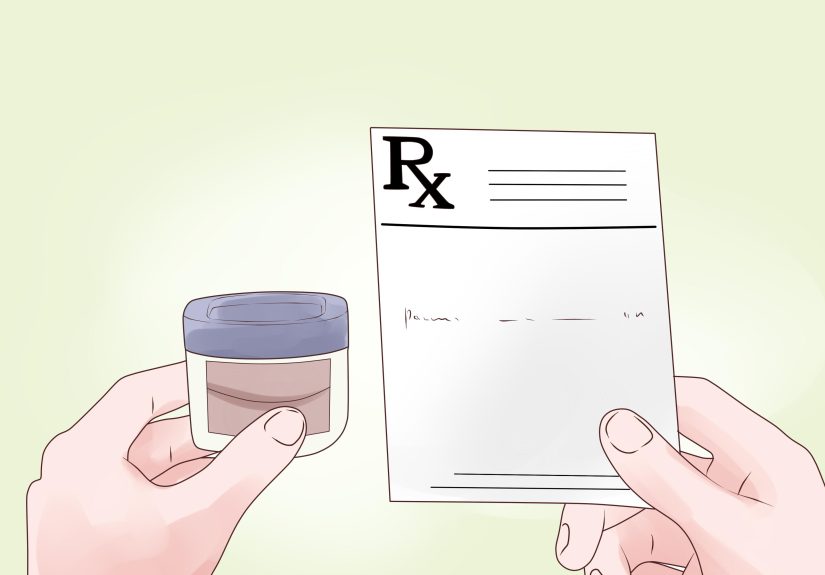
Recognition is only useful if you act on it. Standard treatment usually involves an over-the-counter lice-killing lotion or mousse made for pubic lice, often with permethrin or pyrethrins plus piperonyl butoxide. Follow the label directions exactly. Shaving alone does not solve the problem.
Wash clothing, towels, and bedding used in the previous few days in hot water and dry them on high heat. Items that cannot be washed can usually be sealed in a plastic bag for two weeks or dry-cleaned. Sexual partners from the past month should be informed and treated if necessary, and many healthcare professionals also recommend screening for other sexually transmitted infections, since pubic lice often show up alongside sexual health risks.
Common Mistakes People Make When Trying to Identify Crabs
- Mistaking lint for nits: Loose debris slides off hair. Nits stay attached.
- Assuming shaving fixes everything: Hair removal does not reliably eliminate lice or eggs.
- Ignoring other body hair: Crabs can spread beyond the pubic area.
- Using the wrong treatment near the eyes: Eye-area involvement needs professional guidance.
- Treating yourself but not partners or laundry: That is how the problem comes back for an unwelcome sequel.
When to See a Doctor
Seek medical care if you are unsure what you are seeing, if symptoms persist after treatment, if the skin looks infected, if you are pregnant, or if lice may be on the eyelashes or eyebrows. Children with possible pubic lice should always be evaluated by a medical professional.
Conclusion
Learning how to recognize crabs comes down to spotting the pattern: intense itching in coarse hair, nits stuck to hair shafts, tiny moving lice, dark specks, and irritation from bites or scratching. The biggest clue is not one symptom by itself, but the combination of symptoms plus what you can actually see on the hair.
Crabs can be alarming, but they are treatable. The sooner you identify them, the sooner you can stop the itching, clean the environment, protect partners, and move on with your life. Ideally with less scratching and a lot more peace of mind.
Experiences Related to “How to Recognize Crabs: 12 Steps”
In real life, people often do not recognize crabs right away. The first experience is usually confusion, not certainty. Someone may notice itching for a few days and assume it is just dry skin, razor irritation, sweat, or a reaction to soap. Because the symptoms can begin subtly, many people delay checking closely. By the time they do, they are often annoyed, sleep-deprived, and halfway convinced the problem is somehow both serious and embarrassing. That emotional mix is extremely common.
Another shared experience is misidentifying what they see. A person might notice tiny white specks and assume they are lint, toilet paper fibers, or residue from body wash. Others see redness and immediately blame shaving. Some think a fungal rash is the only explanation because the itching feels intense. What usually changes the situation is a closer inspection with better lighting. That is when people often realize the specks are attached to hair and do not brush away easily. That moment tends to be the turning point, because it shifts the problem from vague irritation to something specific and treatable.
Many people also describe the psychological side of the experience. Once crabs cross someone’s mind, there is often a spiral of questions: “Where did this come from?” “How long have I had it?” “Do I need to tell someone?” “Is this definitely pubic lice or am I panicking?” That uncertainty can be just as stressful as the itching. It is one reason step-by-step recognition matters so much. Having a clear checklist makes the situation feel more manageable and less mysterious.
There is also the practical experience of trying to inspect an area that is not exactly easy to examine. Mirrors are awkward. Lighting is terrible when you need it most. Looking for tiny insects in body hair is not anybody’s ideal evening activity. People often report that they only confirmed the problem after using a magnifying mirror, a flashlight, or help from a clinician. In other words, if you did not spot anything on the first try, that does not mean nothing is there. It may simply mean the inspection needs better conditions.
Another common experience is relief mixed with disgust once the answer becomes clear. Relief comes from finally knowing what is causing the itching. Disgust comes from realizing that the answer is, in fact, bugs. But that relief matters, because it leads to action. People can start treatment, wash clothing and bedding, notify partners, and stop guessing. The situation usually becomes far less overwhelming once there is a plan.
Finally, many people say the biggest lesson is that crabs are easier to handle than they first imagined. Yes, they are inconvenient. Yes, they are itchy. Yes, they create one of the least glamorous shopping trips of all time. But they are also treatable, and identifying them early makes the whole experience shorter and simpler. That is why recognizing the signs matters so much. The faster you spot the pattern, the faster you can deal with it and get back to thinking about literally anything else.