Table of Contents >> Show >> Hide
- Why This Moroccan Chicken Tagine Works
- Ingredients
- How to Make Moroccan Chicken Tagine With Potatoes and Olives
- Recipe Timing
- Best Potatoes for Chicken Tagine
- Do You Need a Real Tagine Pot?
- What Makes Preserved Lemon So Important?
- Flavor Tips for a Better Tagine
- Serving Ideas
- Storage and Reheating
- Common Mistakes to Avoid
- Variations
- Frequently Asked Questions
- Personal Cooking Experiences With Moroccan Chicken Tagine With Potatoes and Olives
- Conclusion
- SEO Tags
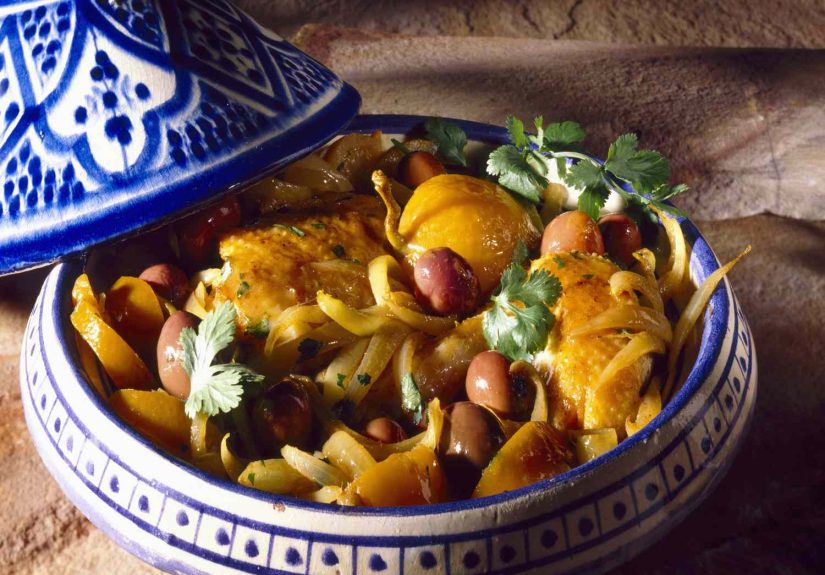
Some dinners politely enter the kitchen. A Moroccan chicken tagine makes an entrance. It brings golden spices, tender chicken, soft potatoes, briny olives, and the bright, salty magic of preserved lemon. In other words, it is not here to whisper. It is here to fill the house with an aroma that makes everyone casually wander into the kitchen asking, “So… when do we eat?”
This Moroccan Chicken Tagine With Potatoes and Olives Recipe is a cozy, one-pot meal inspired by classic North African cooking. It is deeply seasoned but not complicated, comforting but not heavy, and impressive enough for guests without requiring you to own a restaurant-grade spice cabinet or a clay tagine that has its own passport.
Traditionally, a tagine refers both to the slow-cooked Moroccan dish and the cone-shaped cooking vessel used to prepare it. The good news is that you can make a beautiful version in a Dutch oven, deep skillet, or heavy-bottomed pot. The goal is simple: gently braise chicken with onions, garlic, warm spices, potatoes, olives, herbs, and lemon until everything becomes tender, fragrant, and slightly saucy.
Why This Moroccan Chicken Tagine Works
The beauty of chicken tagine with potatoes and olives is balance. The chicken becomes savory and rich, the potatoes soak up the spiced sauce, the olives add a salty punch, and preserved lemon brings a tangy brightness that keeps the whole dish lively. Without that lemony lift, the stew would still be good. With it, the dish suddenly puts on earrings and becomes unforgettable.
This recipe uses accessible ingredients while keeping the spirit of Moroccan cooking intact. Ginger, turmeric, paprika, cumin, saffron or cinnamon, garlic, parsley, and cilantro build a warm foundation. Green olives and preserved lemon finish the dish with bold, briny flavor. Potatoes make it hearty enough to serve as a full meal, especially with crusty bread, couscous, or rice.
Ingredients
For the Chicken Tagine
- 2 1/2 to 3 pounds bone-in chicken thighs, drumsticks, or mixed chicken pieces
- 1 1/2 pounds Yukon Gold or waxy potatoes, peeled if desired and cut into wedges
- 1 large yellow onion, finely chopped
- 3 garlic cloves, minced
- 3 tablespoons olive oil
- 1 teaspoon ground ginger
- 1 teaspoon ground turmeric
- 1 teaspoon sweet paprika
- 1/2 teaspoon ground cumin
- 1/4 teaspoon ground cinnamon or a small pinch of saffron threads
- 1 teaspoon kosher salt, plus more to taste
- 1/2 teaspoon black pepper
- 1/2 cup chopped fresh parsley
- 1/2 cup chopped fresh cilantro
- 1 cup green olives, pitted or cracked
- 1 preserved lemon, rinsed, seeds removed, rind sliced thinly
- 1 to 1 1/2 cups low-sodium chicken broth or water
- 1 tablespoon fresh lemon juice, optional, for finishing
Optional Add-Ins
- A pinch of cayenne or harissa for heat
- 1 teaspoon ras el hanout for a more complex spice profile
- A handful of peas or carrots for extra vegetables
- Toasted almonds for garnish
How to Make Moroccan Chicken Tagine With Potatoes and Olives
Step 1: Season the Chicken
Pat the chicken dry with paper towels. In a large bowl, combine ginger, turmeric, paprika, cumin, cinnamon or saffron, salt, pepper, garlic, half the parsley, half the cilantro, and 2 tablespoons olive oil. Add the chicken and rub the spice mixture all over the pieces.
For the best flavor, let the chicken rest for at least 30 minutes. If you have time, marinate it for 2 hours or overnight in the refrigerator. If you do not have time, do not panic. The spice police are not coming. You can still make a delicious dinner.
Step 2: Build the Onion Base
Heat the remaining tablespoon of olive oil in a Dutch oven, tagine, or heavy pot over medium heat. Add the chopped onion and cook for 6 to 8 minutes, stirring often, until softened and lightly golden. This onion base is important because it melts into the sauce and gives the tagine body without needing cream, flour, or any culinary gymnastics.
Step 3: Brown the Chicken Lightly
Add the seasoned chicken to the pot. Brown it lightly on both sides for about 3 to 4 minutes per side. You are not trying to create a hard sear; you simply want the spices to bloom in the oil and the chicken to begin releasing flavor into the pot.
Step 4: Add Liquid and Simmer
Pour in 1 cup of chicken broth or water. Scrape the bottom of the pot gently to loosen any flavorful bits. Cover and reduce the heat to low. Simmer for about 25 minutes, turning the chicken once halfway through.
The liquid should gently bubble, not boil like it is auditioning for a disaster movie. Tagine cooking is about patience. Low, steady heat helps the chicken become tender while allowing the spices, onions, and herbs to form a fragrant sauce.
Step 5: Add the Potatoes
Arrange the potato wedges around and over the chicken. Spoon some sauce over the potatoes, then cover again and cook for another 25 to 30 minutes, or until the potatoes are fork-tender and the chicken is cooked through.
If the pot looks dry, add another 1/4 to 1/2 cup of broth or water. If it looks too watery near the end, remove the lid and simmer for 5 to 10 minutes to reduce the sauce. The finished tagine should be saucy, not soupy.
Step 6: Add Olives and Preserved Lemon
Stir in the olives and sliced preserved lemon during the final 10 minutes of cooking. This keeps their flavors bright and prevents the olives from becoming too soft. Taste the sauce before adding more salt because olives and preserved lemons already bring plenty of salty personality.
Step 7: Finish and Serve
Sprinkle with the remaining parsley and cilantro. Add a small squeeze of fresh lemon juice if the dish needs extra brightness. Serve hot with Moroccan bread, couscous, rice, or a simple salad.
Recipe Timing
- Prep time: 20 minutes
- Marinating time: 30 minutes to overnight, optional
- Cook time: 55 to 65 minutes
- Total time: About 1 hour 30 minutes, depending on marinating
- Servings: 4 to 6
Best Potatoes for Chicken Tagine
Yukon Gold potatoes are a great choice because they hold their shape while becoming creamy inside. Red potatoes also work well. Russet potatoes can be used, but they are more likely to break down and thicken the sauce. That is not necessarily a tragedy, but if you want neat potato wedges, choose a waxy or all-purpose potato.
Cut the potatoes into medium wedges, not tiny cubes. Small pieces may overcook before the chicken is tender. Larger wedges absorb flavor slowly and give the dish that rustic, family-style look that makes tagine so inviting.
Do You Need a Real Tagine Pot?
No. A traditional clay or ceramic tagine is wonderful, but it is not required. A Dutch oven, braiser, or deep skillet with a tight-fitting lid will do the job beautifully. The most important factors are gentle heat, enough moisture, and a lid that traps steam.
If you use an actual clay tagine, check whether it is stovetop-safe and whether it needs a heat diffuser. Many clay tagines require gradual heating to prevent cracking. If you use a Dutch oven, you can cook with a little more flexibility and still get tender, aromatic results.
What Makes Preserved Lemon So Important?
Preserved lemon is one of the signature flavors in many Moroccan chicken dishes. It is made by curing lemons with salt until the rind becomes soft, fragrant, and intensely savory. In this recipe, the rind is the star. It adds a deep citrus flavor that fresh lemon alone cannot fully copy.
If you cannot find preserved lemon, use thin strips of fresh lemon zest plus a splash of lemon juice and a small pinch of extra salt. The flavor will be brighter and less complex, but still delicious. For the best result, look for preserved lemons in international markets, specialty grocery stores, or the condiment aisle of well-stocked supermarkets.
Flavor Tips for a Better Tagine
Use Bone-In Chicken
Bone-in chicken thighs and drumsticks bring more flavor to the sauce than boneless cuts. They also stay juicy during the long simmer. Boneless chicken can work, but reduce the cooking time so it does not become dry.
Do Not Rush the Onion
The onion is not just background music. It is the base of the sauce. Let it soften fully before adding the chicken so it can melt into the braise and create a naturally rich texture.
Add Olives Near the End
Olives are bold. If they cook too long, they can dominate the sauce. Adding them near the end keeps their briny flavor clear without letting them take over the entire dish like an overconfident dinner guest.
Balance Salt Carefully
Because preserved lemons and olives are salty, start with moderate salt and adjust at the end. A tagine should taste lively and seasoned, not like it fell into the ocean.
Serving Ideas
Moroccan chicken tagine with potatoes and olives is satisfying on its own, but the sauce deserves a good partner. Warm bread is ideal because it can scoop up every bit of the golden onion sauce. Couscous is another classic option, especially if you want something light and fluffy. Rice works well for a simple weeknight dinner, while a crisp cucumber and tomato salad adds freshness.
For a fuller spread, serve the tagine with roasted carrots, a citrus salad, plain yogurt, or a small bowl of harissa on the side. The dish already has big flavor, so keep the sides simple and refreshing.
Storage and Reheating
Leftover chicken tagine keeps well in an airtight container in the refrigerator for up to 4 days. The flavor often improves overnight as the spices continue to mingle. Reheat gently on the stovetop over low heat with a splash of water or broth to loosen the sauce.
You can also freeze the chicken and sauce for up to 2 months, but potatoes may become softer after thawing. If you plan to freeze the dish, consider freezing the chicken and sauce separately and adding freshly cooked potatoes when serving.
Common Mistakes to Avoid
Using Too Much Liquid
A tagine should braise, not swim. Start with 1 cup of broth or water and add more only if needed. The onions, chicken, and covered cooking environment will create additional moisture.
Cooking Over High Heat
High heat can toughen the chicken and make the sauce reduce too quickly. Keep the simmer gentle. The dish should cook slowly enough that the chicken becomes tender and the potatoes absorb flavor.
Skipping the Herbs
Fresh parsley and cilantro are more than garnish. They add freshness and help balance the warm spices. If you dislike cilantro, use extra parsley instead.
Variations
Spicy Moroccan Chicken Tagine
Add harissa, cayenne, or crushed red pepper flakes to the spice mixture. Start small. You can always add heat, but removing it requires wizardry and possibly a second dinner.
Chicken Tagine With Carrots
Add thick carrot sticks with the potatoes. They become sweet and tender while adding color to the pot.
Chicken Tagine With Chickpeas
Add one drained can of chickpeas during the last 15 minutes of cooking. This makes the dish even heartier and stretches it for extra servings.
Boneless Chicken Tagine
Use boneless chicken thighs and reduce the simmering time. Add potatoes earlier so they have enough time to cook through. Avoid boneless chicken breast unless you are careful with timing, because it can dry out quickly.
Frequently Asked Questions
Can I make this Moroccan chicken tagine ahead of time?
Yes. In fact, it may taste even better the next day. Make it fully, cool it, refrigerate it, and reheat gently before serving. Add a splash of broth if the sauce thickens too much.
Can I use black olives instead of green olives?
Green olives are more traditional for this style of chicken tagine, but black olives can work. Choose firm, flavorful olives rather than canned bland ones. The olives should add character, not simply sit there looking decorative.
Is Moroccan chicken tagine spicy?
Usually, this dish is warmly spiced rather than hot. Ginger, turmeric, cumin, paprika, cinnamon, and saffron create aroma and depth. If you want heat, add harissa or cayenne.
What can I use instead of preserved lemon?
Use fresh lemon zest, lemon juice, and a small pinch of salt. It will not taste exactly the same, but it will still bring brightness to the dish.
Can I cook this in a slow cooker?
Yes. Brown the onions and chicken first for better flavor, then transfer everything except the olives and preserved lemon to the slow cooker. Cook on low for 5 to 6 hours or until the chicken is tender. Add olives and preserved lemon during the final 30 minutes.
Personal Cooking Experiences With Moroccan Chicken Tagine With Potatoes and Olives
The first time you make Moroccan chicken tagine with potatoes and olives, you may wonder whether the ingredient list is trying to be dramatic. Ginger, turmeric, paprika, cumin, cinnamon, herbs, olives, preserved lemon, potatoes, chickenit sounds like everyone in the pantry received an invitation. But once the pot starts simmering, the logic becomes clear. The spices do not compete. They gather together like a very well-organized committee and agree to make dinner wonderful.
One of the best experiences with this recipe is the way the kitchen changes as it cooks. At first, you smell onion and garlic. Then the spices warm in the oil and the aroma becomes deeper, almost golden. After the chicken begins to braise, the sauce turns savory and rich. When the preserved lemon and olives go in near the end, the entire dish wakes up. It is like adding a splash of sunlight to a cozy stew.
This is also a recipe that teaches patience in a friendly way. You cannot bully a tagine into greatness with high heat. The chicken needs time to relax, the potatoes need time to absorb the sauce, and the onions need time to become silky. If you rush it, you may still get dinner, but you will miss the soft, layered flavor that makes this dish special. Low heat is not laziness here. It is strategy.
Another memorable part of making chicken tagine is serving it. This is not a fussy plated dish with tweezers and tiny dots of sauce. It belongs in the center of the table, preferably with bread nearby and people leaning in. The potatoes are usually the first thing to disappear because they soak up so much flavor. Someone will claim they only want “one more little piece,” then return with the spoon like a treasure hunter.
The leftovers are excellent, too. The next day, the sauce becomes even more flavorful, and the chicken is easy to shred into the potatoes. You can serve it over rice, tuck it into flatbread, or warm it with extra broth for a stew-like lunch. It is one of those dishes that makes future-you feel very grateful to past-you. Past-you chopped onions. Future-you gets a spectacular lunch. That is teamwork.
If you are new to preserved lemons, this recipe is a perfect introduction. The flavor may surprise you at first because it is not simply sour. It is salty, floral, citrusy, and slightly funky in the best possible way. Use the rind thinly sliced, and do not overdo it the first time. Once you understand how it behaves in the sauce, you may find yourself adding preserved lemon to roasted vegetables, salad dressings, grain bowls, and possibly your personality.
The most useful lesson from cooking this dish is that comfort food does not have to be bland. Moroccan chicken tagine with potatoes and olives is soothing, but it is also vivid. It has warmth from the spices, richness from the chicken, creaminess from the potatoes, freshness from herbs, saltiness from olives, and brightness from lemon. Every bite has something going on, yet the dish still feels like home cooking. That is the magic: bold flavor without unnecessary complication.
Conclusion
Moroccan Chicken Tagine With Potatoes and Olives is the kind of recipe that turns simple ingredients into a deeply flavorful meal. With tender chicken, creamy potatoes, briny olives, preserved lemon, fresh herbs, and warm spices, it delivers comfort and excitement in the same pot. You do not need a traditional tagine to make it, although using one can be fun. A Dutch oven or heavy pot works beautifully as long as you cook gently and let the flavors build.
This recipe is ideal for family dinners, weekend cooking, meal prep, or any night when plain chicken feels a little too plain. Serve it with bread, couscous, rice, or salad, and do not forget to spoon plenty of sauce over everything. That sauce worked hard. It deserves attention.