Table of Contents >> Show >> Hide
- Why electrical fires are so easy to miss
- Most overlooked electrical fire hazards (and how to fix them)
- 1) Power strips doing the job of a real outlet circuit
- 2) Daisy-chaining power strips (a.k.a. “outlet multiplication”)
- 3) Extension cords used as permanent wiring
- 4) Heat-producing appliances plugged into cords or strips
- 5) “Warm outlet? Probably nothing.” (It’s something.)
- 6) Loose plugs and worn receptacles
- 7) Light bulbs that are “just a little too powerful” for the fixture
- 8) Laundry area hazards: dryer cords, outlets, and lint (the sneaky fuel)
- 9) DIY electrical “solutions” hidden behind walls
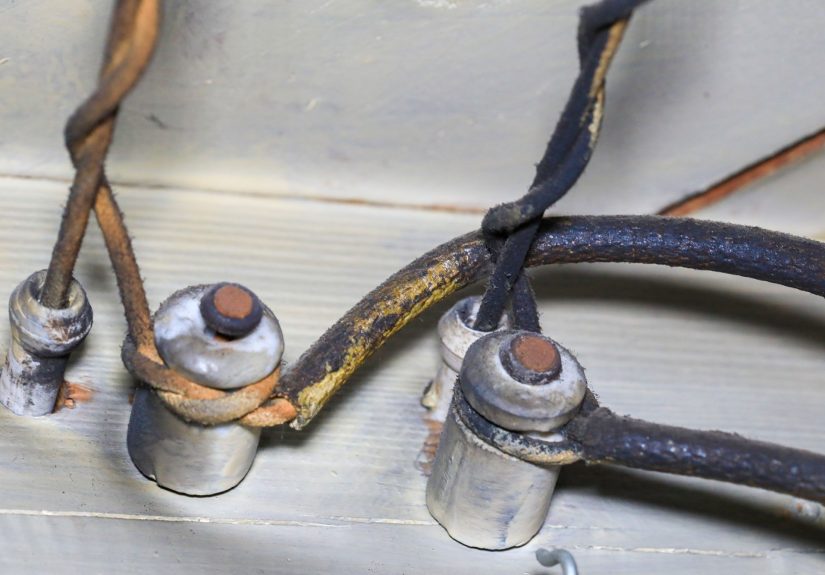
- 10) Older wiring risks: aluminum branch wiring and outdated systems
- 11) Missing (or outdated) protection against arc faults
- 12) Moisture-prone areas without the right protection
- A 15-minute home “heat check” (simple, effective, slightly nosy)
- When to call an electrician (now, not “someday”)
- Conclusion
Electrical fires are the ultimate sneak attack: they don’t announce themselves with a dramatic villain monologue.
They start quietlybehind drywall, under rugs, inside a power strip you bought in 2016 and now trust like a family heirloom.
The good news: many of the biggest electrical fire hazards in a home are preventable once you know what to look for.
This guide focuses on the most overlooked risksthings homeowners miss because they look normal, feel convenient,
or have been “working fine for years.” (So has that banana bread recipe until it suddenly becomes banana smoke.)
You’ll get clear examples, why each hazard matters, what warning signs to watch for, and what to do about it.
Why electrical fires are so easy to miss
Many electrical fires begin as heat in places you don’t regularly inspect: inside a wall, at a loose outlet connection,
in attic wiring, or in a cord that’s slowly being crushed by furniture. And because the problem can build over time,
it’s common for a system to “seem fine” right up until it isn’t.
What makes these hazards “overlooked” isn’t that they’re rareit’s that they’re often hidden behind everyday habits:
adding “just one more” plug, using an extension cord as permanent wiring, or ignoring an outlet that feels warm
because, hey, it still charges your phone.
Quick reality check: heat + electricity + nearby stuff that burns
Electricity is great at doing two things: powering your life and making heat. Fires happen when heat shows up
where it shouldn’tespecially near insulation, dust, wood framing, curtains, bedding, or that pile of “I’ll deal with it later” papers.
Most overlooked electrical fire hazards (and how to fix them)
1) Power strips doing the job of a real outlet circuit
A power strip is not a home upgrade. It’s a temporary convenience that people accidentally promote to “permanent infrastructure.”
The classic setup: TV + soundbar + console + router + lamp + phone charger + holiday lights (because why not?) all living on one strip.
When that strip is overloaded, poorly made, damaged, or buried where heat can’t escape, risk climbs fast.
- Overlooked because: it’s tidy and “has been fine.”
- Red flags: strip feels warm, buzzing, crackling, flickering devices, discoloration, “hot plastic” smell.
- Do this instead: move high-wattage items to wall outlets, use only quality, tested strips with overload protection, and don’t hide them under rugs, cushions, or furniture.
2) Daisy-chaining power strips (a.k.a. “outlet multiplication”)
Plugging one power strip into another looks like a clever hack until you realize you’ve built a tiny, wobbly electrical ecosystem
where heat and current are doing parkour. This practice can overload wiring, defeat protections, and create a failure point at the plugs.
- Overlooked because: it “works” and adds outlets instantly.
- Do this instead: install additional outlets where you actually need power. If you routinely need more plugs, that’s your home asking for an upgrade.
3) Extension cords used as permanent wiring
Extension cords are designed for temporary use. When they’re left in place for months (or years), they get bent, pinched,
stepped on, rolled over by chair legs, and slowly damaged. Heat can build upespecially if the cord is under a rug or coiled.
- Overlooked because: it’s easier than calling an electrician.
- Red flags: cord feels hot, insulation is cracked, plug is loose, cord is flattened, or it’s run through doors/walls.
- Do this instead: replace damaged cords immediately, keep cords visible and uncoiled, and treat heavy reliance on extension cords as a sign you need more outlets.
4) Heat-producing appliances plugged into cords or strips
Space heaters, microwaves, coffee makers, air fryers, hair toolsanything that makes heat usually draws a lot of power.
These devices should typically be plugged directly into a wall outlet, not a power strip or extension cord, because the wiring and connections can overheat.
If your heater is plugged into an extension cord, you’re basically asking a thin cord to do a thick cord’s job.
- Overlooked because: it’s a quick fix when outlets are inconvenient.
- Do this instead: plug heat-producing appliances directly into the wallone per outlet when possibleand keep cords away from combustibles.
5) “Warm outlet? Probably nothing.” (It’s something.)
Outlets shouldn’t be hot. A warm faceplate can signal loose connections, worn contacts, arcing, or an overloaded circuit.
Heat at a connection point can smolder inside the box long before you see smoke.
- Overlooked because: the outlet still works.
- Red flags: warm outlet, scorch marks, frequent tripping, flickering when you jiggle a plug, buzzing sounds.
- Do this instead: stop using that outlet and have it evaluated. Replacing an outlet is inexpensive compared to replacing a room.
6) Loose plugs and worn receptacles
If a plug doesn’t fit snugly, the connection can arc. Arcing creates heat. Heat near wood framing and insulation is a terrible combo.
Worn outlets are common in older homes and high-use areas (kitchens, bedrooms, living rooms, home offices).
- Overlooked because: loose plugs feel like a minor annoyance.
- Do this instead: replace worn receptaclesespecially if plugs sag, fall out, or spark when inserted.
7) Light bulbs that are “just a little too powerful” for the fixture
Fixtures have wattage limits for a reason: too much heat can damage sockets, wiring insulation, and nearby materials.
This shows up a lot in enclosed fixtures, old lamps, and recessed lighting where heat has fewer escape routes.
- Overlooked because: brighter feels better.
- Do this instead: match the bulb to the fixture’s rating and use LED bulbs for brightness with less heat.
8) Laundry area hazards: dryer cords, outlets, and lint (the sneaky fuel)
Laundry rooms mix three fire ingredients: heat (dryer), friction (moving parts), and fuel (lint).
Many dryer fires involve poor maintenanceespecially lint buildup. Add a damaged cord or a loose outlet connection,
and you’ve got a problem that can spread quickly.
- Overlooked because: laundry is boring and nobody wants a hobby called “lint management.”
- Do this instead: clean the lint trap every load, clean vents regularly, and inspect the cord and outlet for wear, looseness, or heat.
9) DIY electrical “solutions” hidden behind walls
A surprisingly common overlooked hazard is a DIY splice tucked into a wall cavity, an overfilled junction box, or a
connection made without proper connectors. These can loosen, arc, and overheat over timeespecially with vibration or thermal cycling.
The scary part: you won’t see it until smoke finds the nearest exit.
- Overlooked because: it’s invisible and “worked during the remodel.”
- Do this instead: if your home has had DIY renovations, consider an inspectionespecially if breakers trip, lights flicker, or outlets feel warm.
10) Older wiring risks: aluminum branch wiring and outdated systems
Not every older home is unsafe, but some older wiring types and connection methods need special attention.
For example, certain aluminum branch-circuit wiring (common in some eras) can be prone to overheating at connections if not properly remediated.
The issue often isn’t the wire itselfit’s the connection points that loosen or oxidize over time.
- Overlooked because: everything still turns on.
- Do this instead: have a qualified electrician evaluate the system and recommend code-compliant remediation if needed.
11) Missing (or outdated) protection against arc faults
Arc faults can occur when wiring insulation is damaged, a cord is worn, or connections loosencreating intermittent sparking (arcing)
that can ignite nearby materials. Modern safety devices like arc-fault circuit interrupters (AFCIs) are designed to detect certain abnormal arcing
and cut power before the arc turns into ignition.
- Overlooked because: the panel looks “fine” and standard breakers don’t always react to arcing the way people expect.
- Do this instead: ask an electrician whether AFCI protection is appropriate for your homeespecially in bedrooms and living areas.
12) Moisture-prone areas without the right protection
Bathrooms, kitchens, basements, garages, and outdoor areas introduce moisture and corrosion, which can damage connections and increase fault risk.
Using indoor extension cords outdoors or in damp areas adds another layer of hazard.
- Overlooked because: it’s “just for a little while.”
- Do this instead: use outdoor-rated cords outdoors, keep connections dry, and ensure proper ground-fault protection where required.
A 15-minute home “heat check” (simple, effective, slightly nosy)
You don’t need a lab coat to spot many electrical fire risks. You just need a few minutes, decent lighting,
and the willingness to move the couch like you’re searching for a lost remote.
Walk-through checklist
- Power strips: Are any warm? Are any buried under rugs/furniture? Are any daisy-chained?
- Extension cords: Are they being used long-term? Run under rugs or through doorways? Coiled while in use?
- Outlets: Any loose plugs, scorch marks, cracked plates, buzzing, or frequent breaker trips?
- Kitchen counters: Are multiple heat appliances sharing one outlet? (Coffee maker + toaster oven is a common duo with bad judgment.)
- Lamps/fixtures: Are bulbs higher wattage than the fixture rating? Any shades or fabric touching hot bulbs?
- Laundry: Is lint buildup visible behind the dryer? Does the plug/outlet feel warm after use?
- Heaters: Is any space heater plugged into a strip/cord? Is it too close to curtains or bedding?
If you find one risky setup, don’t panicjust fix that one today. Electrical safety is a game of steady improvements, not perfection overnight.
When to call an electrician (now, not “someday”)
Some issues are DIY-friendly (like reorganizing plugs or replacing a damaged extension cord). Others deserve a professional
because the hazard is in the wiring system itself.
Call a pro promptly if you notice:
- Outlets or switches that are hot, sparking, buzzing, or discolored
- Frequent breaker trips or lights that flicker when appliances run
- A persistent burning smell near outlets, switches, cords, or the electrical panel
- Extension cords used as “permanent wiring” because outlets are insufficient
- Older wiring concerns (including suspected aluminum branch wiring) or a panel that shows corrosion or heat damage
If there’s visible smoke, melting plastic, or active sparking: stop using the circuit and follow local emergency guidance.
Conclusion
The most overlooked electrical fire hazards aren’t the dramatic ones. They’re the everyday setups we normalize:
a power strip that’s “temporarily” been under the couch for three years, an outlet that’s “always been a little loose,”
a space heater on an extension cord because the wall outlet is inconvenient.
The fix is refreshingly unglamorous: reduce overloads, stop hiding cords where heat can’t escape, replace damaged components,
and upgrade protection where appropriate. Small changesdone consistentlycan meaningfully reduce your home’s electrical fire risk.
Bonus: Real-Home Experiences (what these hazards look like in the wild)
Here are a few “this happens all the time” scenarios that illustrate how overlooked electrical fire hazards build up in real homes.
These are composite examples based on common patterns electricians and fire-safety educators warn aboutbecause the details change,
but the storyline is usually the same: convenience quietly wins… until it doesn’t.
The Home Office Hydra. A homeowner adds a second monitor, then a laptop dock, then a printer, then a ring light
(because every Zoom call deserves studio vibes). The desk has one wall outlet, so a power strip joins the party. Then another strip.
Then a space heater gets plugged in “just for mornings.” Nothing explodesso the setup feels safe. But heat-producing devices and
high draw electronics can push a strip beyond its comfort zone, especially if the strip is cheap, aging, or tucked behind a desk
where airflow is terrible. The warning sign is usually subtle: the strip feels warm, plugs fit loosely, or the lights flicker when the heater turns on.
The Living Room Couch Cave. Someone hides a surge protector behind the couch to keep cords out of sight.
It looks clean. It also means the strip can’t “breathe,” and the plug connections can get bent and stressed when the couch shifts.
Add dust, pet hair, and a little occasional vacuum bumping the cord, and you’ve got wear-and-tear happening in a place nobody checks.
The first clue is often discoloration on the strip or an outlet that feels warmer than it should after movie night.
The Laundry Room Blind Spot. Laundry is routine, so hazards blend into the background.
Lint builds up slowly behind the dryer, the vent run gets a little restricted, the dryer works harder, and everything runs hotter.
Meanwhile, the dryer cord gets nudged and bent whenever someone scoots the appliance to retrieve a missing sock.
Eventually, you’ve got extra heat plus a fuel source plus a stressed electrical connection. People are often surprised that “just lint”
can be a major factoruntil they pull the dryer out and discover a fuzzy ecosystem back there.
The Holiday Lighting “Temporary Forever.” Seasonal lights go up, then the extension cord stays.
It runs under a rug for “just a few weeks” and ends up living there until spring… or the next holiday season.
Foot traffic and furniture slowly damage the insulation. The cord warms during long on-times, especially if it’s coiled or covered.
Because nothing looks obviously wrong, it’s easy to ignore until the cord starts to feel hot or the lights flicker and fade like they’re auditioning for a horror movie.
The Loose Outlet That Everyone Ignores. A plug falls out easily, so the family uses a different outlet… sometimes.
But then the phone charger goes back into the loose one because it’s convenient. Loose receptacles can allow arcing at the contact points,
which generates heat. This is one of those “small fix, big payoff” issues: replacing a worn outlet is usually simple for a qualified person,
and it removes a surprisingly common ignition pathway.
The moral of the story isn’t “panic.” It’s “pay attention to patterns.” If you keep adding cords and strips, your home is telling you
the outlet layout or circuit capacity doesn’t match how you live today. If outlets feel warm, plugs fit loosely, or breakers trip often,
those are not personality quirksthey’re safety signals. Addressing them is one of the most practical, high-impact ways to protect your home.