Table of Contents >> Show >> Hide
- A Pregnant Stray Cat Walks Into An Office
- The Meeting Room Became A Kitten Nursery
- Why This Story Hit The Internet Right In The Feelings
- What To Do If You Find A Pregnant Stray Cat
- Why Boba Needed More Than Good Vibes
- The Hidden Work Behind A Cute Office Cat Rescue
- Office Morale, But Make It Meow
- The Adoption Plan: The Real Finish Line
- Why A Meeting Room Was The Perfect Symbol
- Lessons From Boba And Her Eight Tiny Coworkers
- Experiences Related To This Office Cat Rescue Story
- Conclusion
Every office has a story. Some workplaces remember the day the copier jammed so badly it sounded like a haunted accordion. Others remember the legendary potluck where someone brought “experimental” pasta salad and accidentally created a team-building survival exercise. But at one design office, the unforgettable workplace moment arrived on four paws, heavily pregnant, and completely uninterested in corporate hierarchy.
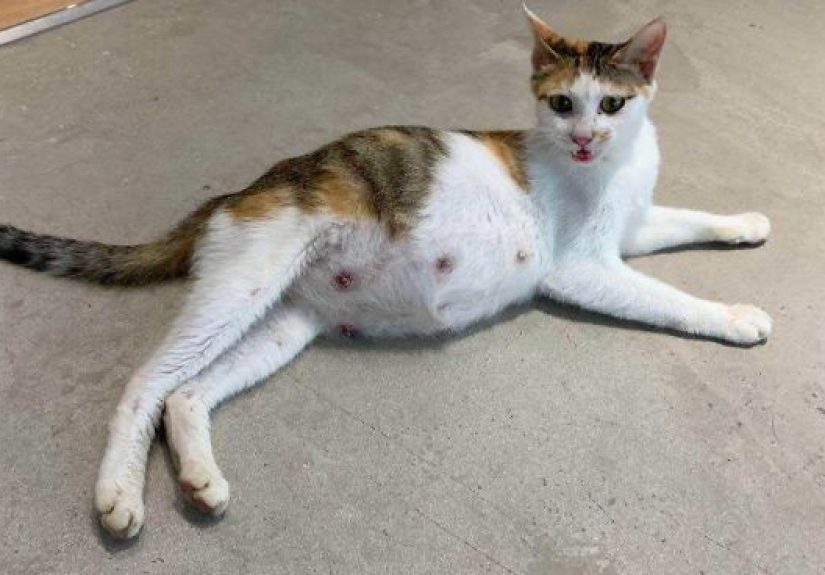
Her name was Boba, a stray cat who had been hanging around outside the building. She was friendly enough to catch people’s attention, round enough to make everyone whisper, “Is she…?” and charming enough to bypass the usual office visitor policy. One colleague brought her inside, not realizing that the office was about to gain not just one cat, but a full feline department. A few days later, after a stormy night, the staff came in and discovered that Boba had given birth to eight kittens. Suddenly, the meeting room had become a nursery, the office had become a rescue headquarters, and productivity had to compete with tiny paws.
Thus began the story of an office cat rescue that turned a normal workday into a tiny miracle with whiskers. Boba and her eight babiesfour boys and four girlsbecame a family of nine with their own meeting room. And honestly, if any team deserves a dedicated conference space, it is a nursing mother cat managing eight newborns without one spreadsheet, coffee break, or passive-aggressive calendar invite.
A Pregnant Stray Cat Walks Into An Office
The phrase “a pregnant stray cat walked into our office” sounds like the opening line of a joke, but for many animal lovers, it is also the beginning of a real rescue decision. Stray and community cats often live close to human spaces: parking lots, apartment courtyards, office buildings, warehouses, restaurants, campuses, and quiet corners where people leave food. Some are feral and avoid human contact. Others are abandoned pets, lost cats, or friendly strays who have learned that humans sometimes come with snacks and soft voices.
Boba seemed to understand that humans could help. She stayed near the office, accepted attention, and eventually came inside. That single choice changed the outcome for her kittens. Instead of giving birth outdoors during a storm, she delivered her babies in a protected indoor space, surrounded by people who were willing to help. In cat-rescue terms, that is like winning the maternity ward lottery.
Of course, not every found cat should be scooped up instantly. Animal-welfare groups often recommend observing first, especially if kittens are already present. A mother cat may be nearby searching for food, and kittens are usually safest with their mom when she is healthy and caring for them. But in Boba’s case, she was pregnant, vulnerable, and close to delivery. Bringing her into a calm, clean, secure space gave her privacy and safety at exactly the right moment.
The Meeting Room Became A Kitten Nursery
Most offices reserve meeting rooms for quarterly planning, client calls, budget discussions, and the kind of brainstorming session where someone writes “synergy” on a whiteboard and everyone silently ages three years. Boba’s meeting room had a better agenda: feed kittens, clean kittens, sleep, repeat.
Newborn kittens are fragile. They cannot regulate body temperature well, they depend on their mother for milk, and they need a warm, quiet environment. A meeting room can actually work surprisingly well as a temporary foster space if the team sets boundaries. It has a door, limited foot traffic, controlled lighting, and enough room for bedding, food, water, and a litter area. In other words, it can become a tiny maternity suiteminus the insurance paperwork.
Boba did what good mother cats do. She fed her kittens, cleaned them, kept them close, and gave the office an unexpected masterclass in calm competence. The kittens were tiny enough that the staff could barely tell them apart at first. As they grew, their personalities and markings began to show: two gingers, one calico, and five tabbies. Anyone who has ever tried to tell newborn kittens apart knows this is less “identification” and more “fuzzy detective work.”
Why This Story Hit The Internet Right In The Feelings
The internet is many things: chaotic, loud, occasionally useful, and always one comment section away from becoming a raccoon fight. But cat rescue stories still have a unique power to bring people together. Boba’s story became popular because it had all the ingredients of a perfect heartwarming animal rescue: a vulnerable stray, a kind coworker, a surprise litter, an office full of soft-hearted humans, and a meeting room that suddenly had more emotional value than any boardroom on Earth.
But the real appeal is not just cuteness. It is the reminder that compassion does not always arrive as a grand gesture. Sometimes it looks like opening a door. Sometimes it looks like giving up a conference room. Sometimes it looks like buying kitten food, calling a vet, checking local rescue options, and admitting that yes, the 2 p.m. strategy meeting has been canceled because Milk Topping is asleep on the agenda.
What To Do If You Find A Pregnant Stray Cat
Boba’s happy ending is sweet, but it also raises an important question: what should someone do when they find a pregnant stray cat? The right answer depends on the cat’s behavior, health, location, and available help.
Start With Safety
If the cat is friendly and can be handled safely, place her in a secure carrier and contact a veterinarian, local shelter, rescue group, or animal control agency for guidance. If she is fearful or unsocialized, do not chase her or grab her with bare hands. A humane trap and help from an experienced rescue group may be safer for everyone involved.
Check For Ownership
A “stray” cat may actually be lost. A vet or shelter can scan for a microchip. Posting found-cat notices in the area, checking neighborhood groups, and following local found-animal rules can help reunite a cat with her family if she has one. It is not glamorous, but it matters. Rescue work involves both heart and paperwork, which is why cats wisely choose not to manage the forms themselves.
Create A Quiet Space
A pregnant cat close to delivery needs calm more than chaos. Choose a low-traffic room with soft bedding, fresh water, appropriate food, a litter box, and hiding options. Keep noise low. Limit visitors. Do not let the whole office parade in like it is opening night of “Kittens: The Musical.” A mother cat’s stress can affect her ability to nurse and care for her babies.
Call A Veterinarian Or Rescue
Even if the cat seems healthy, professional advice is important. A veterinarian can help assess her condition, discuss nutrition, check for parasites, advise on emergency signs during labor, and plan future spay care. A rescue organization can help with supplies, fostering, adoption screening, and spay/neuter planning for the whole family.
Why Boba Needed More Than Good Vibes
It is tempting to think love fixes everything. Love helps, yes. But mother cats and kittens need practical care: food, warmth, sanitation, veterinary support, and a plan. Boba was nursing eight kittens, which is a lot of tiny mouths. Nursing cats need more calories and balanced nutrition because producing milk is hard work. Imagine feeding eight babies while also staying camera-ready for coworkers. That is not a maternity leave; that is a full-time executive role.
Kitten development also changes quickly. In the first weeks, kittens mostly nurse and sleep. Their eyes begin to open around the second week. They start wobbling, exploring, and interacting more. Around four to five weeks, many kittens begin eating wet food and learning litter box habits. By eight weeks, many are more independent, though they still benefit from socialization, veterinary checks, and careful adoption placement.
The office team did something smart by giving the family space as they grew. When the kittens reached about one month old, they moved to a bigger meeting room so everyone could move around freely. That is a very reasonable upgrade. Eight kittens do not stay “tiny potato” size for long. One day they are sleeping in a pile; the next day they are climbing everything like unpaid interns with parkour training.
The Hidden Work Behind A Cute Office Cat Rescue
Behind every adorable rescue story is a lot of unglamorous labor. Someone cleans the litter box. Someone washes bedding. Someone monitors appetite. Someone checks that all kittens are nursing. Someone buys supplies. Someone says, “Please stop putting your paw in the water bowl,” six times before lunch.
In an office setting, this work must be organized. A rescue situation should not become a mystery chore where the same exhausted person handles everything while everyone else says, “Aww!” and returns to email. A simple care schedule can help: who feeds Boba, who refreshes water, who handles litter, who contacts the vet, who photographs kittens for adoption profiles, and who keeps curious visitors from overwhelming the family.
Health and hygiene also matter. Cat litter should be kept away from food preparation areas, and people should wash their hands after cleaning or handling supplies. Pregnant people and anyone with a weakened immune system should avoid cleaning litter boxes when possible. This does not mean cats are dangerous; it means responsible care includes basic hygiene, especially in a shared workplace.
Office Morale, But Make It Meow
There is a reason people love office pet stories. Animals can soften a workplace. They create small moments of connection among coworkers who might otherwise only discuss deadlines, invoices, and whether the Wi-Fi is personally attacking them. A rescue cat family in the meeting room gives people a reason to pause, smile, and remember that life is bigger than inbox zero.
Still, an office rescue needs boundaries. Not every coworker may be comfortable around cats. Some may have allergies. Some may worry about hygiene, noise, or distraction. A compassionate workplace should care about people and animals at the same time. That means keeping the cat family in a separate room, setting visitor rules, making sure the environment stays clean, and communicating clearly with staff.
Boba’s office handled the situation with warmth and structure. The meeting room became a safe zone, not a free-for-all. Coworkers could visit, admire, and occasionally fail to get work done because eight kittens are powerful productivity opponents. But the family still had a protected place to rest and grow.
The Adoption Plan: The Real Finish Line
A rescue story is not complete when the kittens are cute. That is only the fluffy middle chapter. The real finish line is responsible adoption and spay/neuter planning. Boba’s rescuers planned to have her spayed and find good adopters for the kittens. They also hoped someone might adopt Boba with one of her babies, which is the kind of ending that makes even the office printer stop jamming out of respect.
Adoption should be thoughtful. Kittens need homes that understand their energy, medical needs, and long-term commitment. Cats can live many years, and kittens are not decorative throw pillows with whiskers. They need food, litter, enrichment, veterinary care, patience, and safe indoor living arrangements. Pair adoptions can be especially helpful for kittens because siblings can play, learn, and keep each other company.
Spaying and neutering are also essential. Without a plan, one rescued litter can become many more cats in need. Veterinary groups widely support timely spay/neuter for cats to help prevent unplanned litters and reduce shelter pressure. For community cats, trap-neuter-return programs can prevent future kittens while allowing outdoor cats to return to managed environments when adoption is not realistic.
Why A Meeting Room Was The Perfect Symbol
The meeting room in Boba’s story is more than a room. It is a symbol of what happens when people rearrange normal life to make room for compassion. A conference room is built for decisions, and this office made a good one. They decided that a stray cat mattered. They decided her kittens deserved safety. They decided that the inconvenience was worth it.
That does not mean every workplace can or should become a rescue center. But every workplace can have a heart. Maybe that means contacting a rescue group when a stray appears. Maybe it means sponsoring a local shelter. Maybe it means letting employees volunteer. Maybe it means creating a small emergency fund for community animal care. Compassion does not have to be chaotic. With planning, it can be practical.
Lessons From Boba And Her Eight Tiny Coworkers
Boba’s story gives us more than cute photos and a strong desire to rename all meeting rooms after snacks. It offers a simple blueprint for helping animals responsibly.
First, Notice
Someone noticed Boba. That was the beginning. Many stray animals survive in plain sight because people become used to seeing them. Noticing does not mean panicking or grabbing; it means paying attention and asking what kind of help is appropriate.
Second, Stabilize
Food, water, shelter, warmth, and quiet can make a huge difference. For a pregnant cat, a calm space may be the difference between a dangerous birth outdoors and a protected delivery indoors.
Third, Get Help
Rescue is easier when shared. Veterinarians, shelters, foster networks, and experienced cat rescuers can guide decisions. The internet may offer emotional support, but a vet can offer actual medical advice, which is slightly more useful than a comment thread full of people arguing about cat names.
Fourth, Plan Beyond The Cute Phase
Kittens grow. They need vaccines, deworming, socialization, food, litter training, adoption screening, and spay/neuter plans. The cute phase is wonderful, but responsibility is what turns a rescue into a happy ending.
Experiences Related To This Office Cat Rescue Story
Stories like Boba’s feel magical because they combine ordinary life with sudden responsibility. One minute, people are replying to emails and wondering if the office coffee is legally considered coffee. The next minute, they are creating a nursing station for a mother cat and discussing kitten names with more passion than the annual budget. That emotional shift is powerful. It reminds people that kindness often shows up unplanned.
In real-life rescue situations, the first experience many people notice is uncertainty. Should the cat come inside? Is she friendly? Is she owned? Is she close to labor? Can anyone afford the vet? These questions are normal. The best response is to slow down, gather information, and contact people who know what they are doing. A well-meaning rescue can become stressful if nobody has a plan, so the first lesson is simple: compassion needs coordination.
The second experience is teamwork. An office can be surprisingly good at this because workplaces already have systems. Someone is good at organizing schedules. Someone is great at calling local organizations. Someone else has a talent for taking photos that make every kitten look like a tiny celebrity. Another person may quietly become the sanitation hero, which is not glamorous but absolutely essential. When everyone contributes, the burden does not fall on one person.
The third experience is learning respect for the mother cat. People naturally want to touch newborn kittens, but a nursing mom needs calm and control. Visitors should be limited. Hands should be washed. The room should stay quiet. Boba’s strength was part of what made the story special. She was not just a cute stray; she was a mother doing serious work. The humans were helpers, not the main characters, even if they did provide the real estate.
The fourth experience is watching kittens grow in real time. Newborns become wobbly explorers. Wobbly explorers become tiny chaos machines. They learn to eat, use the litter box, pounce on invisible enemies, and fall asleep in positions that make no architectural sense. For office workers, those small milestones can become shared joy. A difficult week feels lighter when a kitten named after a dessert has opened her eyes or discovered her own tail.
The final experience is the bittersweet goodbye. Rescue is not about collecting animals; it is about moving them toward safe, permanent homes. The best rescuers understand that letting go is part of the gift. When Boba and her kittens are adopted responsibly, the meeting room can go back to meetingsbut it will never be just a meeting room again. It will be the place where nine lives got a better beginning, and where a group of coworkers proved that sometimes the most important work happens far from the spreadsheet.
Conclusion
The story of Boba, the pregnant stray cat who turned an office meeting room into a nursery for a family of nine, is charming because it is funny, tender, and real. It shows how one compassionate decision can ripple outward: a cat gets shelter, kittens are born safely, coworkers become caregivers, and future adopters get the chance to welcome healthy, socialized cats into their homes.
But the deeper message is practical. Helping a pregnant stray cat is not just about opening a door. It is about creating a calm space, contacting professionals, respecting the mother cat, planning for veterinary care, and making sure every kitten has a responsible future. Boba’s office did not just rescue a cat. They turned compassion into a system, and that system happened to have whiskers, tiny paws, and a meeting room with the best attendance record in company history.
Note: This article is a fully rewritten, SEO-focused narrative based on a real office cat rescue story and general animal-care guidance from reputable veterinary and animal-welfare sources. It is intended for informational publishing and should not replace advice from a licensed veterinarian or local rescue organization.