Table of Contents >> Show >> Hide
- Why Fall Pruning Is Often the Wrong Move
- Shrubs You Usually Should Not Prune Before Winter
- So Which Shrubs Actually Need Pruning Before Winter?
- Shrubs Better Pruned in Late Winter or Early Spring Instead
- A Fast Decision Guide: Prune Now or Wait?
- Common Fall Pruning Mistakes to Avoid
- What Experienced Gardeners Learn the Hard Way
- Conclusion
Every fall, gardeners across America do the same thing: grab the pruners, eye the shrubs, and think, “Let’s just tidy this whole situation up before winter.” It feels productive. It feels responsible. It feels very “I have my life together.” Unfortunately, shrubs do not always agree.
The truth is that not all shrubs need pruning before winter. In fact, many of them would prefer you put the shears down, back away slowly, and go mulch something instead. Pruning at the wrong time can remove flower buds, trigger tender late-season growth, and leave plants more vulnerable when cold weather arrives. That means your well-intentioned fall cleanup can turn into fewer blooms, more winter damage, and a springtime regret session in the backyard.
So which shrubs actually need attention before winter, and which ones should be left alone until late winter, early spring, or right after they bloom? Here’s the practical, no-nonsense guide to fall shrub pruning, with real examples, timing tips, and a simple way to decide whether your shrub needs a haircutor just a little patience.
Why Fall Pruning Is Often the Wrong Move
Before you prune anything, it helps to understand why timing matters so much. Shrubs are not all working from the same schedule. Some bloom on old wood, which means they form flower buds on last year’s growth. Others bloom on new wood, meaning they flower on fresh growth produced in the current season. If you prune an old-wood bloomer in fall, you can literally cut off next spring’s flowers before they ever get the chance to show up.
That’s only half the problem. Pruning also encourages growth. When you cut back stems in late summer or fall, many shrubs respond by trying to push out tender new shoots. That new growth looks energetic for about five minutesuntil freezing temperatures arrive and knock it flat. Plants headed into dormancy do not need motivational speeches from your pruners. They need time to harden off.
In plain English: if a shrub is going to bloom next spring from buds already formed, or if it is likely to produce tender growth that will be damaged by cold, do not prune it before winter.
Shrubs You Usually Should Not Prune Before Winter
1. Spring-flowering shrubs that bloom on old wood
This is the biggest category of “step away from the loppers” plants. These shrubs generally set their flower buds during the previous growing season, then hold those buds through winter. Prune them in fall, and you remove the spring show before it starts.
Common examples include:
- Lilac
- Forsythia
- Azalea
- Rhododendron
- Weigela
- Mock orange
- Some viburnums
- Many spring-blooming spireas
These shrubs are best pruned right after flowering. That gives them plenty of time to grow, mature, and set next year’s buds. If you wait until fall because the plant looks a little wild, remind yourself that “slightly wild” is still better than “mysteriously bloomless in April.”
2. Bigleaf, oakleaf, and other old-wood hydrangeas
Hydrangeas are the shrub world’s favorite trick question. Some types can be pruned in late fall or early spring. Others absolutely should not be. If you do not know which hydrangea you have, it is safer to prune lightlyor not at alluntil you identify it.
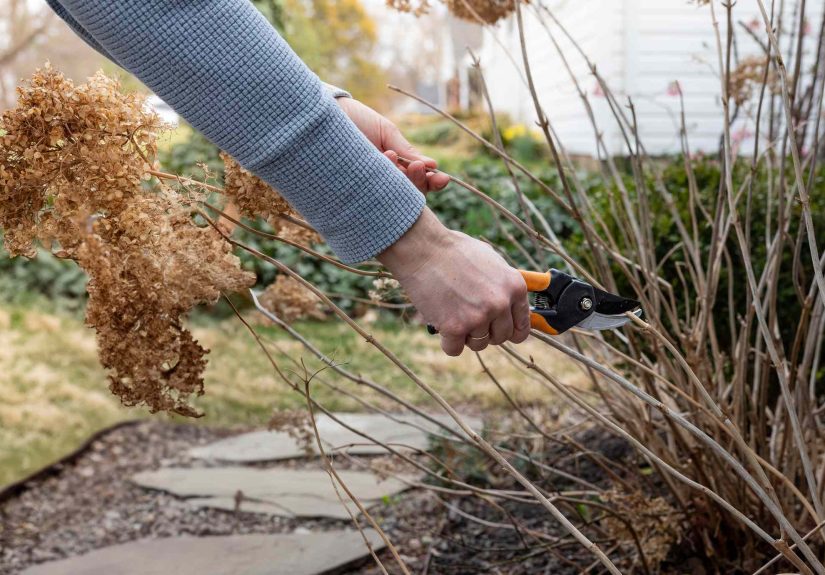
Bigleaf hydrangeas and oakleaf hydrangeas generally bloom on old wood. That means heavy fall pruning can remove next year’s flower buds. In many cases, the best move is minimal trimming only, such as removing spent blooms or waiting until spring to remove dead wood once new growth begins to appear.
If your hydrangea has ever made you say, “It has beautiful leaves but never flowers,” there is a decent chance a pruning mistake is involved.
3. Evergreen shrubs and broadleaf evergreens
Many evergreen shrubs do not appreciate fall pruning. That includes plants such as juniper, yew, arborvitae, boxwood, holly, and certain broadleaf evergreens. Late pruning can stimulate new growth that does not harden properly before winter. Some broadleaf evergreens are already prone to winter burn, so adding fresh cuts at the wrong time is not exactly doing them a favor.
Most evergreen shrubs are better pruned in early spring or, for light shaping, in mid-summer. Formal hedges may need multiple trims through the growing season, but extensive pruning late in the year is usually a bad bet.
4. Newly planted shrubs
A newly planted shrub has one job: establish roots. It does not need a dramatic makeover. Heavy pruning after planting or before winter can reduce leaf area the plant needs to produce energy and settle in.
If a branch is broken, diseased, or badly damaged, remove it. Otherwise, let newly planted shrubs focus on root growth, moisture management, and surviving their first winter with dignity intact.
So Which Shrubs Actually Need Pruning Before Winter?
Now for the useful part: yes, some shrubs do need selective pruning before winter. The trick is understanding that this is usually maintenance pruning, not a full seasonal haircut.
1. Any shrub with dead, diseased, damaged, or dangerous wood
This is the universal exception. If a branch is dead, cracked, rubbing, broken, diseased, or hanging where it could injure someone or damage property, remove it. Gardeners sometimes call these the “Four Ds”: dead, diseased, damaged, and dysfunctional. If a limb is clearly a problem, you do not need to wait for the perfect month on the calendar.
This kind of pruning is less about shaping and more about plant health and safety. It can also improve airflow and reduce places where disease or pests may overwinter.
2. Storm-damaged shrubs
If a summer thunderstorm or early snow has split stems, ripped branches, or left a shrub leaning like it had a rough weekend, it makes sense to clean that up before winter. Ragged breaks invite more trouble. Make clean cuts back to a healthy branch junction or to sound wood.
That said, do not let “storm cleanup” become an excuse to reshape the entire shrub while you are at it. This is first aid, not cosmetic surgery.
3. Certain rosesbut only lightly
Roses are a partial exception, and even here the rule is light cleanup, not major pruning. In cold climates, some gardeners shorten overly long canes on hybrid tea, floribunda, or grandiflora roses to reduce wind rock and winter breakage. Dead or diseased canes can also be removed once plants are dormant.
But winter-hardy shrub roses usually do not need major fall pruning. In many cases, they are better left mostly intact through winter, with serious pruning delayed until late winter or early spring. If you go too hard in fall, cold damage may force the plant to lose even more wood later.
Translation: yes, you can tidy a rose. No, this is not the moment to channel your inner topiary artist.
4. Shrubs with obvious disease issues that need sanitation
If a shrub has badly infected stems or canes, removing diseased material before winter can reduce carryover problems. This is especially helpful when paired with good cleanup around the base of the plantfallen leaves, infected debris, and old mulch can all harbor trouble.
Always disinfect tools when cutting diseased wood, and do not compost infected material unless you know your compost system gets hot enough to kill pathogens. A lazy disease cleanup in fall often becomes a very enthusiastic disease outbreak in spring.
Shrubs Better Pruned in Late Winter or Early Spring Instead
If your shrub blooms on new wood, late winter or early spring is usually the sweet spot. These plants produce flowers on the growth they will make in the upcoming season, so dormant pruning will not sacrifice blooms the way fall pruning can.
Examples include:
- Panicle hydrangea
- Smooth hydrangea
- Rose of Sharon
- Butterfly bush
- Crape myrtle
- Potentilla
- Many modern roses
- Summer-blooming spirea
These shrubs often benefit from pruning while dormant because you can see structure more clearly, remove weak growth, and encourage vigorous new stems once spring arrives. It is cleaner, safer, and usually better for flowering.
A Fast Decision Guide: Prune Now or Wait?
When you are standing in the yard wondering whether to cut, ask these questions:
- Is the branch dead, broken, diseased, rubbing, or hazardous? Prune it now.
- Is the shrub newly planted? Usually wait, unless damage is obvious.
- Does it bloom in spring on old wood? Wait until after flowering.
- Is it an evergreen shrub? Usually wait until early spring or the proper growing-season window.
- Does it bloom on new wood? Plan for late winter or early spring, not fall.
- Are you pruning because it truly needs it, or because you are in a seasonal cleaning mood? Be honest. The shrub can tell.
Common Fall Pruning Mistakes to Avoid
Pruning everything just because leaves are dropping
Fall makes people want to neaten every plant in sight. Shrubs are not throw pillows. They do not all need fluffing before the holidays.
Shearing flowering shrubs into tight meatballs
Shearing can leave a shrub looking tidy in the short term but often creates dense outer growth, weak interior branching, and fewer flowers. Many shrubs respond better to selective thinning cuts that preserve their natural shape.
Ignoring bloom habits
The old wood versus new wood rule matters. Knowing how a shrub flowers can save you a season of disappointment.
Over-pruning before cold weather
Heavy cuts late in the season can create stress, invite dieback, and encourage growth that winter will damage. Save the major renovation for the right season.
What Experienced Gardeners Learn the Hard Way
One of the most relatable gardening experiences is the fall cleanup that feels brilliant in October and deeply suspicious by May. Plenty of gardeners have looked at an overgrown lilac, a floppy hydrangea, or a shaggy azalea in autumn and thought, “I’ll just clean this up now and thank myself later.” Then spring arrives, and instead of a bloom-covered shrub, there is a leafy green reminder that good intentions are not the same thing as good timing.
That lesson tends to stick. After one bad pruning season, people start noticing patterns. The forsythia that was cut hard in November produces lots of stems and barely any flowers. The oakleaf hydrangea that got “tidied up” before frost suddenly turns into a foliage plant with no floral ambition whatsoever. Meanwhile, the neglected shrub next doorthe one nobody touched except to remove broken woodblooms like it is auditioning for a magazine cover.
Experienced gardeners also learn that shrubs rarely need as much intervention as we think they do. A lot of what looks messy in fall is not actually a problem. Seed heads can be ornamental. Slightly arching branches can protect buds. Even a plant that seems oversized may be better handled with selective pruning at the correct season rather than a rushed fall cutback. In other words, patience is often better than panic.
Another common experience is realizing that maintenance pruning and major pruning are not the same thing. People who garden for a few seasons usually become much more comfortable removing dead wood whenever they see it, cutting out storm damage right away, and leaving the rest alone until the appropriate window. That confidence matters. It means you stop seeing every pair of pruners as a universal solution and start treating them like a timing-sensitive tool.
There is also a practical side to experience: once you have wintered a few shrubs through icy winds, heavy snow, and temperature swings, you start to understand structure differently. Long rose canes whipping in January wind? That may need a light reduction or tying up. A split branch hanging over the walkway? Definitely address it. But a healthy, well-shaped spring-blooming shrub with buds already set? That is not untidy. That is prepared.
Perhaps the biggest lesson seasoned gardeners learn is that pruning is less about making plants obey and more about working with how they naturally grow. Shrubs have habits, rhythms, and built-in schedules. The more you respect those rhythms, the better the results. The garden becomes easier to manage, blooms become more reliable, and you spend less time muttering, “Why didn’t this flower this year?” while pretending not to blame yourself.
So yes, experience matters herebut mostly because shrubs are excellent teachers. Their grading system is harsh, the feedback is delayed, and the final exam shows up in spring. Still, once you learn which shrubs actually need pruning before winter and which ones need restraint instead, the whole job gets easier. You prune less, you get better results, and your plants stop looking like they lost an argument with your hedge shears.
Conclusion
The smartest fall pruning strategy is not to cut moreit is to cut more selectively. Most shrubs do not need major pruning before winter, and many will perform better if you wait. Spring bloomers, old-wood hydrangeas, evergreens, and newly planted shrubs are usually best left alone until their proper pruning window. The shrubs that truly need attention before winter are the ones with dead, diseased, damaged, rubbing, or hazardous branches, plus a small group like certain roses that may benefit from limited cleanup in exposed conditions.
If you remember one rule, make it this: prune for health now, prune for shape later, and prune for flowers at the right season. Your shrubs will come through winter stronger, and your spring garden will look a lot less like a cautionary tale.